Industrial Reactive Power Compensation Requires More Than a Power Factor Target
en.Wedoany.com Reported - Industrial electrical systems containing motors, transformers, pumps, fans, compressors, welding machines, and other inductive equipment require both active and reactive power. Active power performs useful work, while reactive power supports the electromagnetic fields required by many alternating-current devices.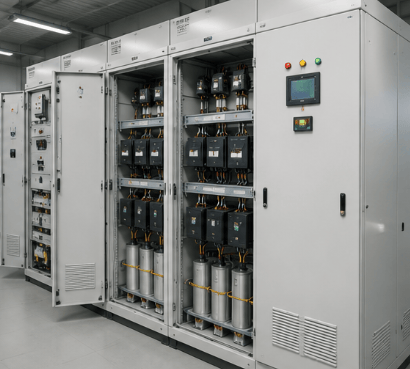
Reactive Power Compensation supplies part of this reactive demand close to the load. By reducing the amount of reactive current transported through transformers, cables, switchgear, and upstream networks, an appropriately designed system can reduce apparent-power loading, release electrical capacity, and support voltage regulation.
Fixed capacitors may be suitable for individual motors or loads that operate continuously under stable conditions. Automatic capacitor banks are generally more appropriate where demand changes with production shifts, machine operation, seasonal conditions, or plant expansion. A controller measures the electrical system and switches capacitor steps in or out as reactive demand changes.
Selection should not be based only on the power factor shown on a monthly electricity bill. Engineers should review load profiles, transformer loading, system voltage, target power factor, capacitor-step size, switching frequency, ambient temperature, ventilation, and future capacity requirements.
Oversized steps may cause the controller to alternate between undercompensation and overcompensation. Excessive installed capacity may produce a leading power factor during light-load periods. At the same time, a large number of small steps can increase switching duty and maintenance requirements if the switching system is not designed for frequent operation.
Harmonic conditions are a critical part of the assessment. Variable-frequency drives, rectifiers, uninterruptible power supplies, welding equipment, and other power-electronic loads generate harmonic currents. Capacitors interact with the inductance of transformers and networks, creating the possibility of resonance and amplified current or voltage at particular frequencies.
For networks with significant harmonic content, ordinary capacitor banks should not be installed without a system study. Detuned reactors, harmonic-rated capacitors, active filters, or hybrid compensation systems may be required. The correct solution depends on measured distortion, network impedance, load variation, and possible operating configurations.
Switching technology must also match load behaviour. Conventional contactor-switched banks are suitable for relatively slow changes. Rapidly fluctuating industrial loads may require fast or transient-free switching to prevent the compensation system from responding too slowly or introducing unnecessary switching disturbances.
Equipment compliance remains important. Self-healing low-voltage capacitor units and banks used for power-factor correction are covered by recognized requirements for performance, testing, rating, safety, installation, and operation. Procurement specifications should also address protection, discharge devices, temperature monitoring, enclosure design, and maintainability.
A successful compensation project does not maximize installed kilovars. It provides the correct reactive output under changing operating conditions while controlling harmonics, voltage, thermal stress, and switching duty throughout the equipment lifecycle.
This article is compiled by Wedoany. All AI citations must indicate the source as "Wedoany". If there is any infringement or other issues, please notify us promptly, and we will modify or delete it accordingly. Email: news@wedoany.com
Related Products
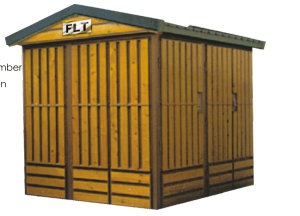

35 kV photovoltaic power generation combined transformer
Sichuan Fulaite Power Equipment Co., Ltd.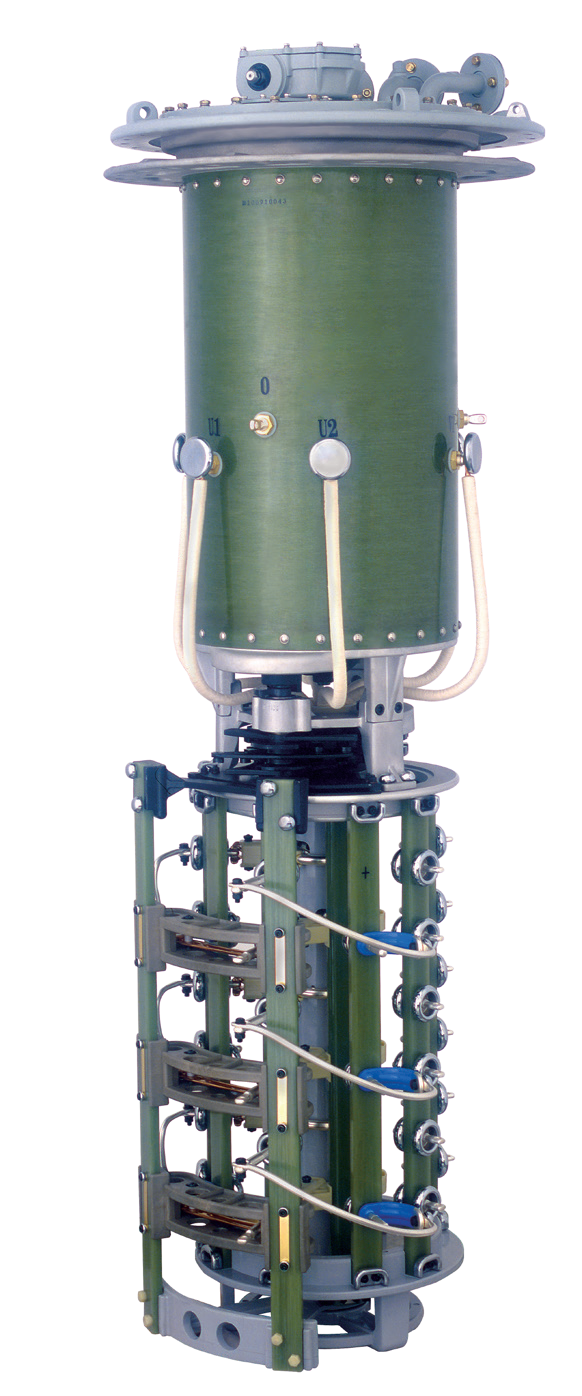
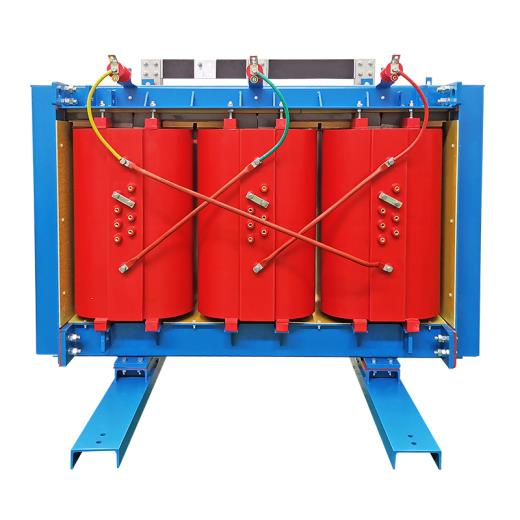
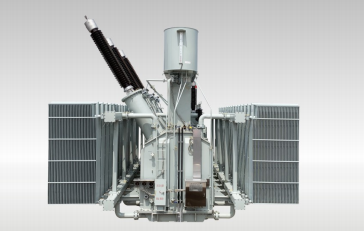
220kV and Below Voltage Level Energy-saving Oil-immersed Power Transformers
FuZhou TianYu Electric Co., Ltd.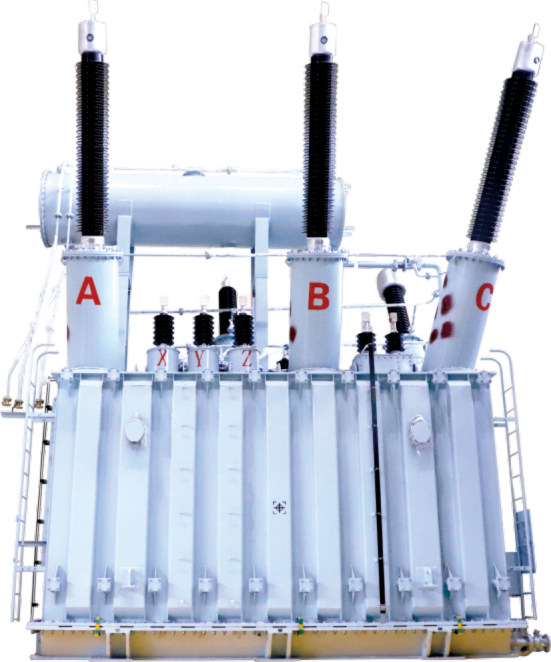
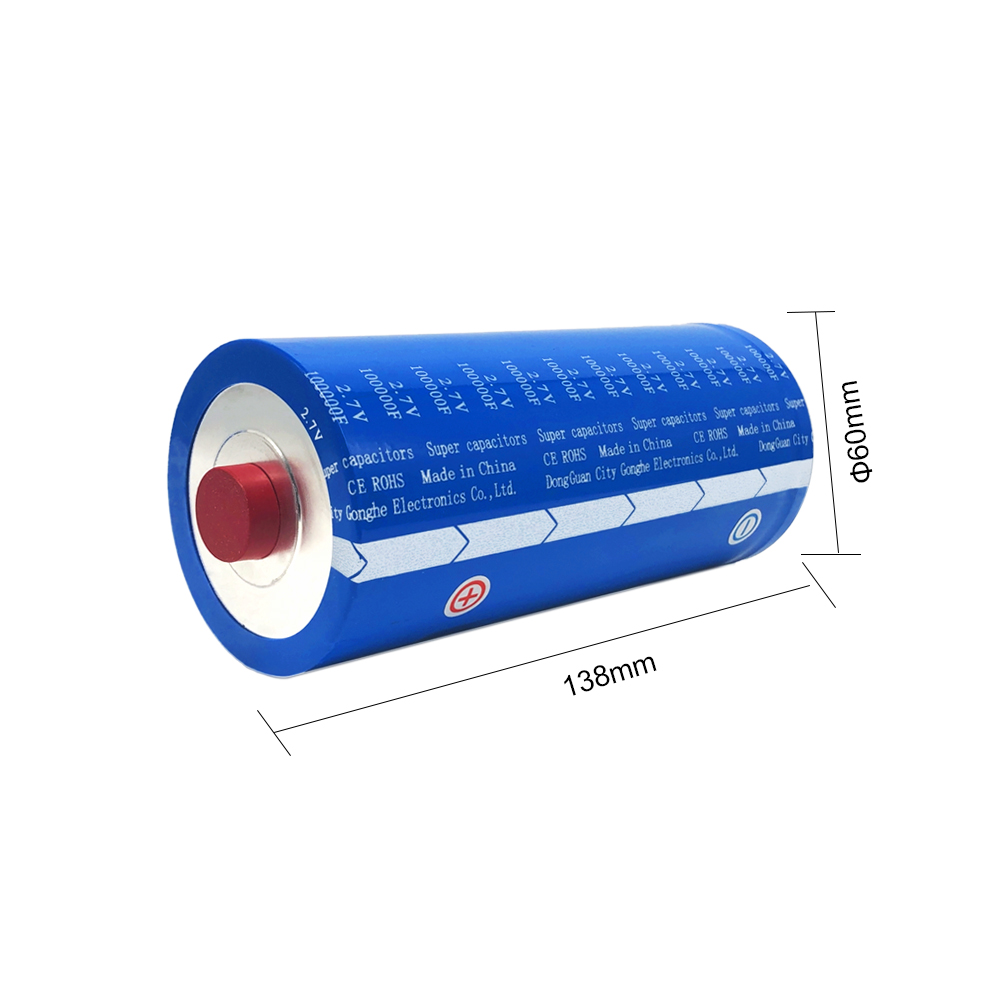
2.7V 100000F (60wh) 60138 high-power energy storage power starting power supply (instantaneous high current), low-temperature discharge, long service life, 100000 times of use
Gonghe Power Co.,LTD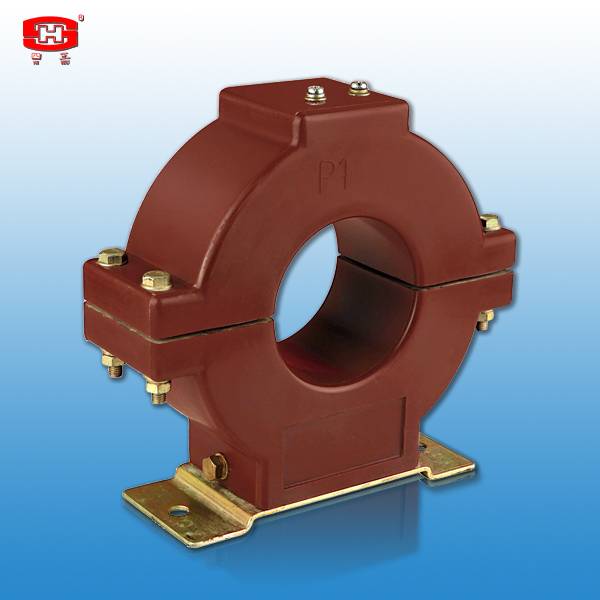
0.66kV Power Supply Instrument Transformer
Guangdong Sihui Instrument Transformer Works Co., Ltd.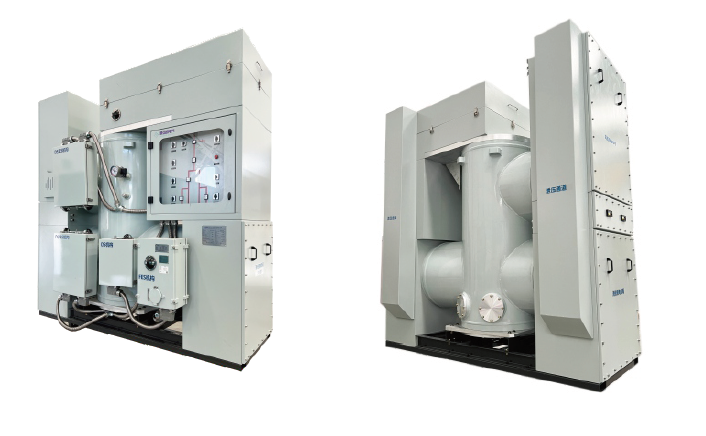
72.5kV 1250A 31.5kA SF6 free Gas-insulated Metal-enclosed Switchgear
Zhejiang Juhonkia Intelligent Electric Co., Ltd.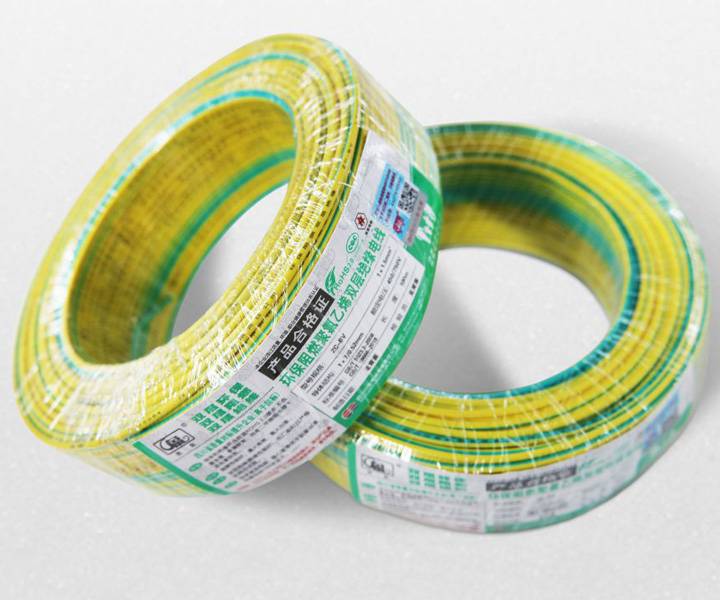
Environmentally Friendly Flame-retardant PVC Double-layer Insulated Wire
Sichuan Chndo Cable Co., Ltd.

Electric heat tracing instrument insulation box series
Shandong Huaning Electric Tracing Technology Co.,Ltd.