Virtual Power Plants Are Becoming a Key Tool for Coordinating Distributed Energy Resources
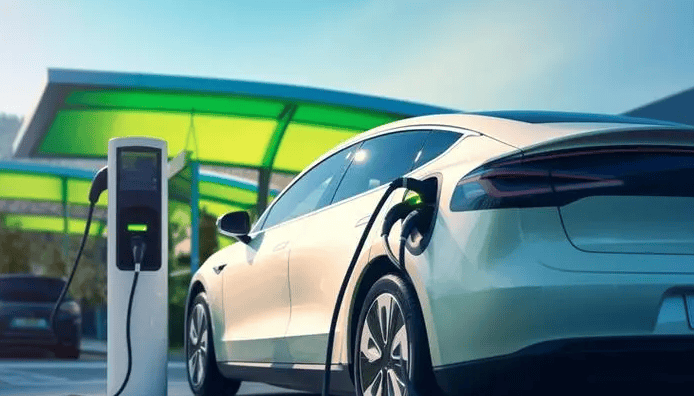
en.Wedoany.com Reported - As wind power, solar photovoltaics, battery energy storage, electric vehicle charging infrastructure and flexible loads continue to connect to the grid, power systems are shifting from generation-centered structures toward more distributed and coordinated operating models. During this transition, virtual power plants are becoming a practical tool for linking distributed energy resources, customer-side loads and grid dispatching systems.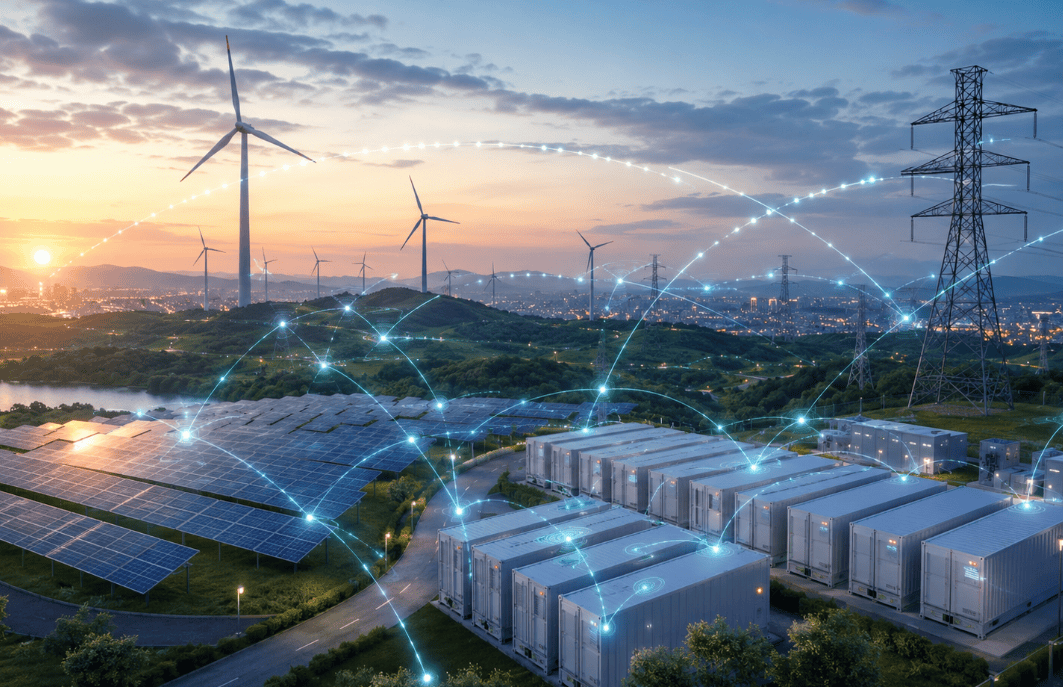
The value of a virtual power plant does not come from constructing a new physical power station. Instead, it comes from using communications, metering, forecasting, optimization control and market mechanisms to aggregate dispersed energy resources into a unified portfolio that can be monitored, dispatched and adjusted. For grid operators, this creates opportunities to release demand-side flexibility during periods of peak electricity consumption and provide additional balancing support when renewable energy output fluctuates.
From an engineering perspective, virtual power plant development involves end-device connectivity, edge data acquisition, load forecasting, energy storage control, power allocation, market bidding and secure communications. It requires stable coordination among electrical equipment, information and communication systems, and energy management platforms, rather than simply connecting devices to a central software platform.
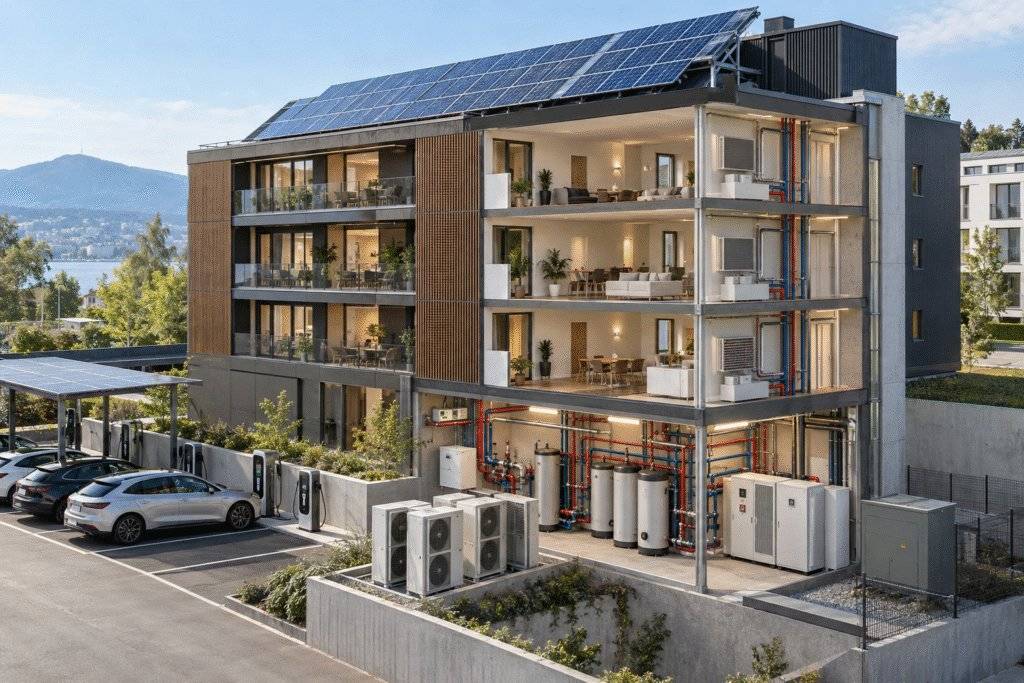
For industrial enterprises, the opportunity lies in energy efficiency management and electricity cost optimization. Industrial parks, factories, commercial complexes and logistics hubs equipped with controllable loads, rooftop solar systems, energy storage, backup power or charging facilities can become important resource nodes within a virtual power plant portfolio. In the future, the ability to participate in power system flexibility may become an important part of corporate energy management capability and green competitiveness.
The development of virtual power plants will also increase demand for distribution automation, battery energy storage systems, smart meters, energy management software, power forecasting algorithms and secure communication equipment. For equipment manufacturers, engineering contractors and system integrators, the real opportunity lies not only in selling individual devices, but also in building system-level capabilities that are connectable, controllable, billable and operationally secure.
This article is compiled by Wedoany. All AI citations must indicate the source as "Wedoany". If there is any infringement or other issues, please notify us promptly, and we will modify or delete it accordingly. Email: news@wedoany.com
Related Products
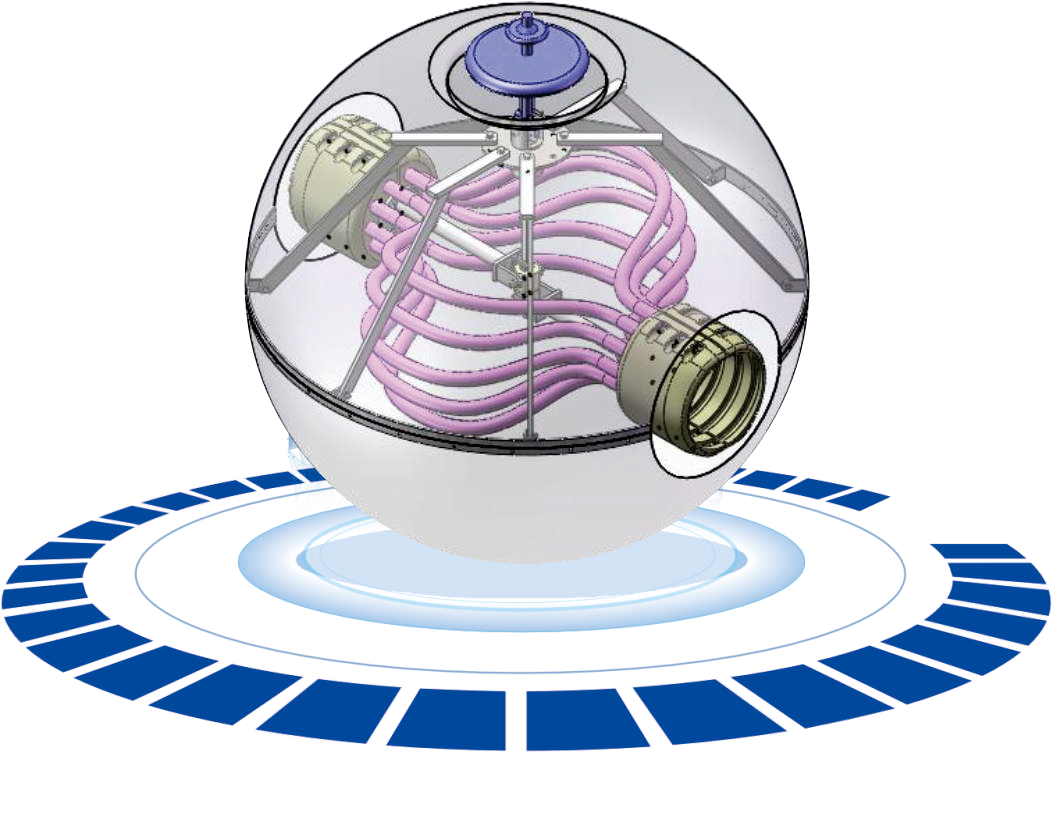


"Shunyi 1600" Deep-submerging Bottom-sitting Multi-functional Wind Power Engineering Vessel
Zhengli Offshore Engineering Co., Ltd.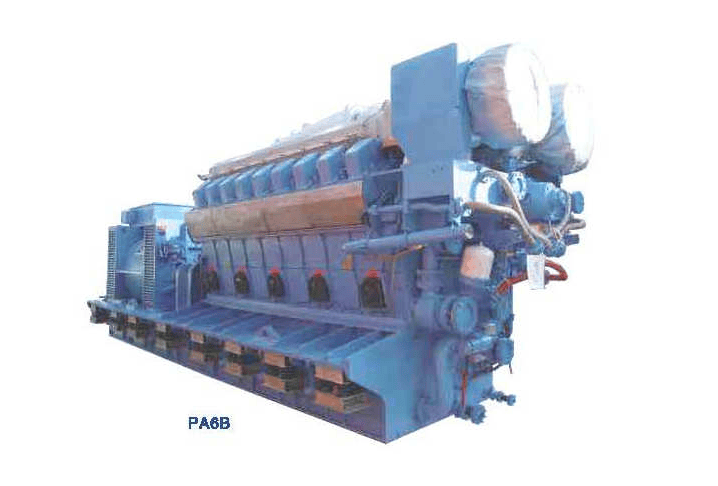
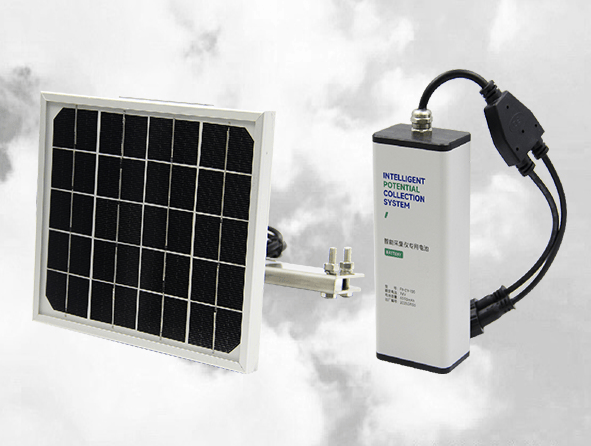
Inductive Power Harvesting Self-Powered Device - Safuneng
SELF ENERGY TECHNOLOGY (SHENZHEN) CO., LTD.

Prefabricated Houses and Electrical Energy Boxes
Chengdu Ruilong Machinery Manufacturing Co., Ltd.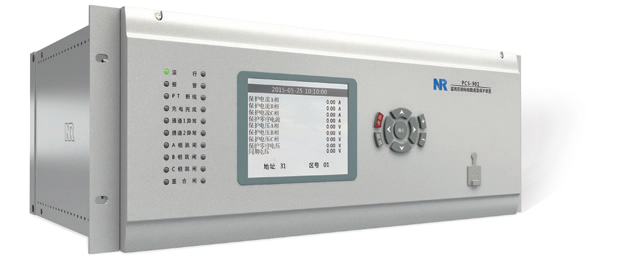
PCS-901 Series Ultra (Extra) High-voltage Transmission Line Complete Protection Device
Nanjing NR Electric Co., Ltd.
Forest and Grassland Heat Source Infrared Monitor
China Huayun Meteorological Technology Group Co., Ltd.