From Industrial Parks to Power Grids: The Engineering Value of Virtual Power Plants
en.Wedoany.com Reported - Under the pressure of energy transition and changing electricity demand patterns, more industrial parks, data centers, commercial buildings, and charging scenarios are paying attention to the Virtual Power Plant. Unlike a conventional power station, a VPP is closer to an energy coordination system. It brings user-side resources, storage assets, and distributed generation into a unified dispatch framework, allowing scattered energy assets to participate in grid operation.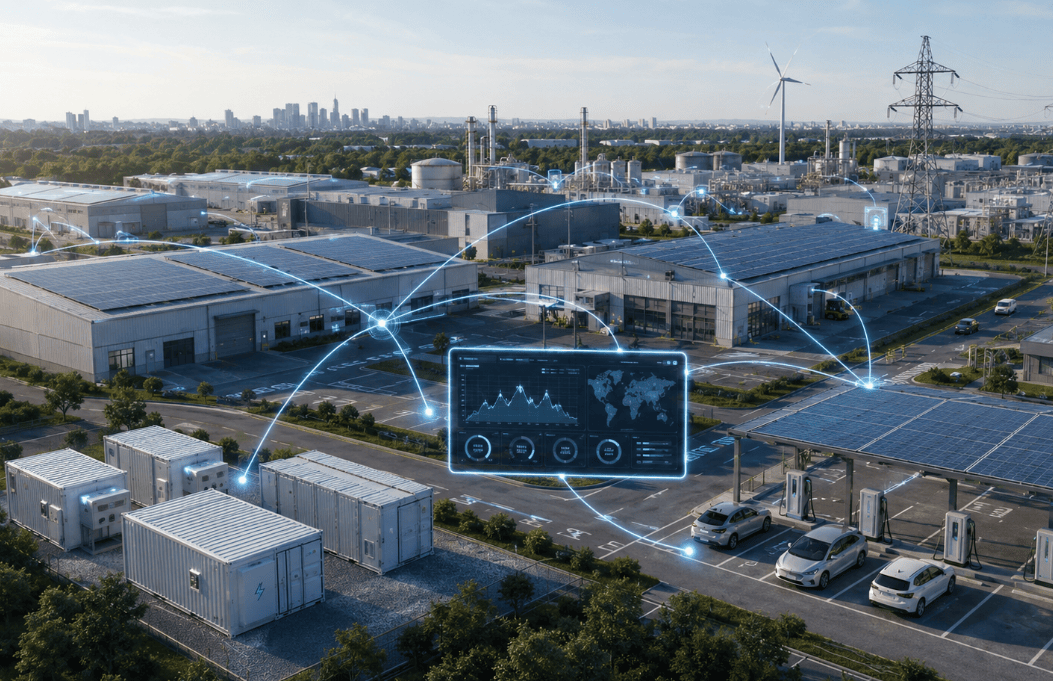
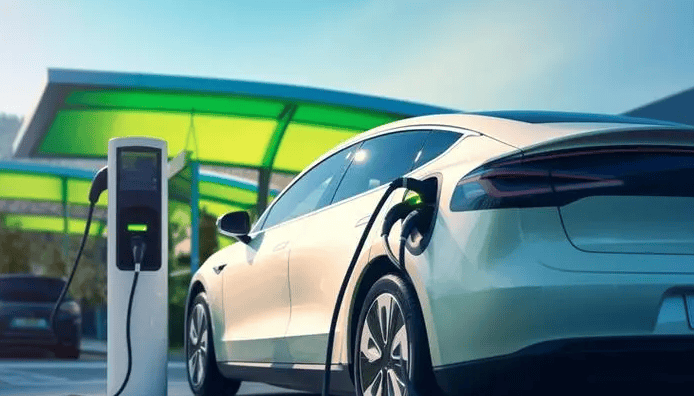
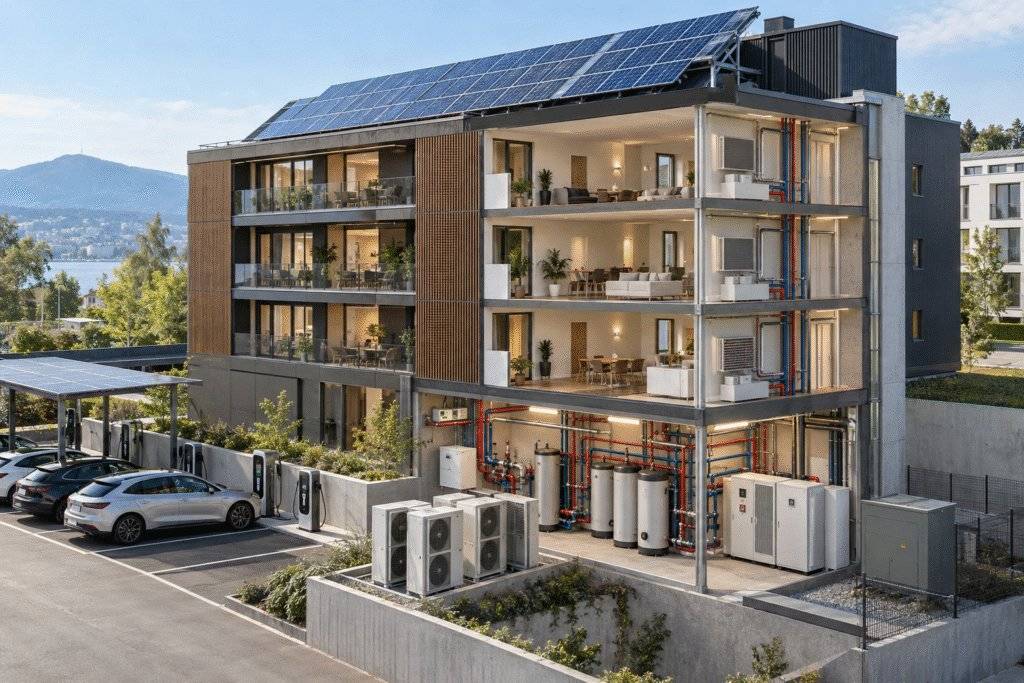
In industrial parks, a VPP can integrate rooftop solar, battery energy storage, air compressors, cooling stations, adjustable production loads, and charging piles. Through load forecasting and control strategies, the park can optimize its electricity consumption curve, reduce pressure during peak hours, and improve local consumption of renewable energy without affecting production safety.
In commercial buildings and public facilities, air-conditioning systems, lighting systems, elevators, heating and cooling equipment, and backup power supplies may become manageable resources. A VPP platform enables these resources to participate in demand response during specific time windows through real-time monitoring and hierarchical control, instead of remaining passive electricity consumers.
For grid operators, the engineering significance of a VPP is that it can turn many small and scattered assets into an aggregated dispatchable capability. This can improve the resilience of distribution networks and reduce the pressure of relying only on new generation capacity and transmission or distribution expansion to meet peak load growth.
However, VPP deployment is not simple. It requires clear resource boundaries, control authority, data interfaces, metering rules, revenue allocation mechanisms, and cybersecurity requirements. For engineering companies, project design should not focus only on platform demonstrations. It must also pay attention to device compatibility, communication stability, operational safety, and long-term maintenance.
As more user-side energy assets become digitalized, VPPs will move from pilot projects toward regular operation. Companies that can connect equipment, data, control, and settlement processes will be better positioned to build long-term competitiveness in new power system development.
This article is compiled by Wedoany. All AI citations must indicate the source as "Wedoany". If there is any infringement or other issues, please notify us promptly, and we will modify or delete it accordingly. Email: news@wedoany.com
Related Products
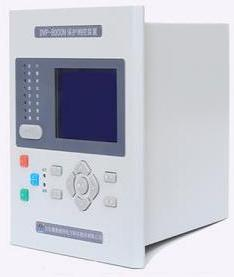

Microcomputer Protection and Substation Automation
Beijing Agent Devote Power Technology Development Co., Ltd.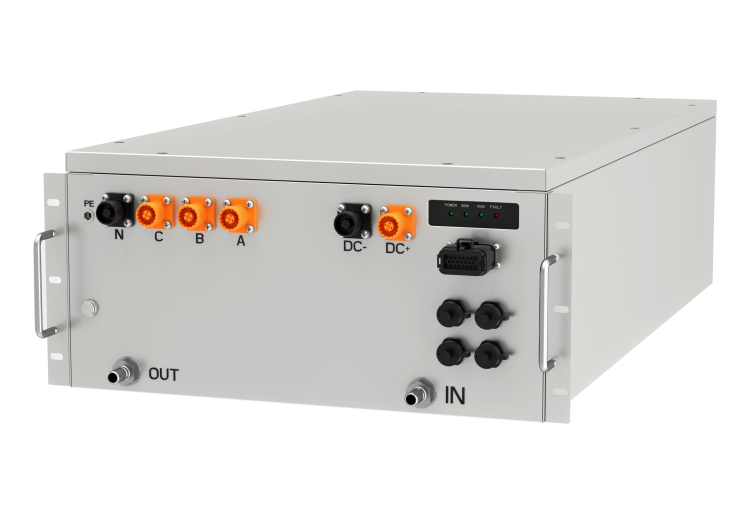
Mars (Liquid Cooling) Series Industrial and Commercial Energy Storage Converter High Protection Module
Shenzhen Winline Technology Co., Ltd.
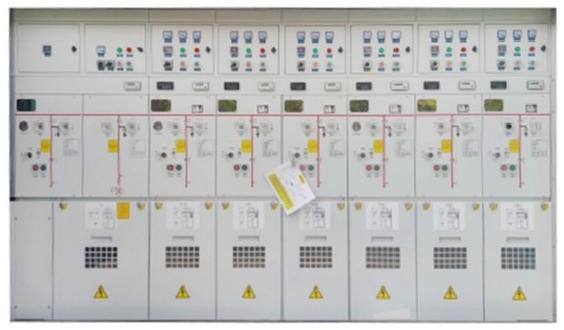
NISELA Series Environmentally Friendly Gas-Insulated Ring Main Unit
XJ DELISHIER ELECTRIC CO., LTD.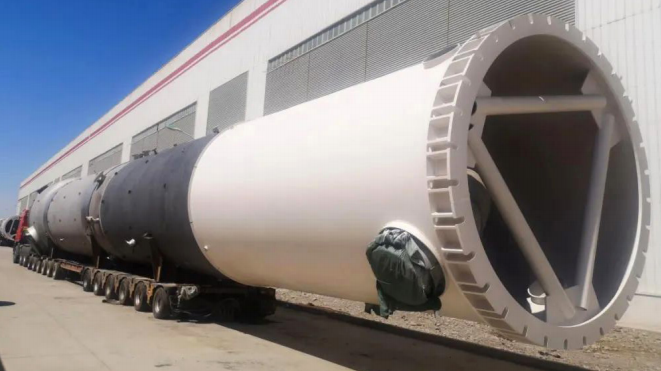
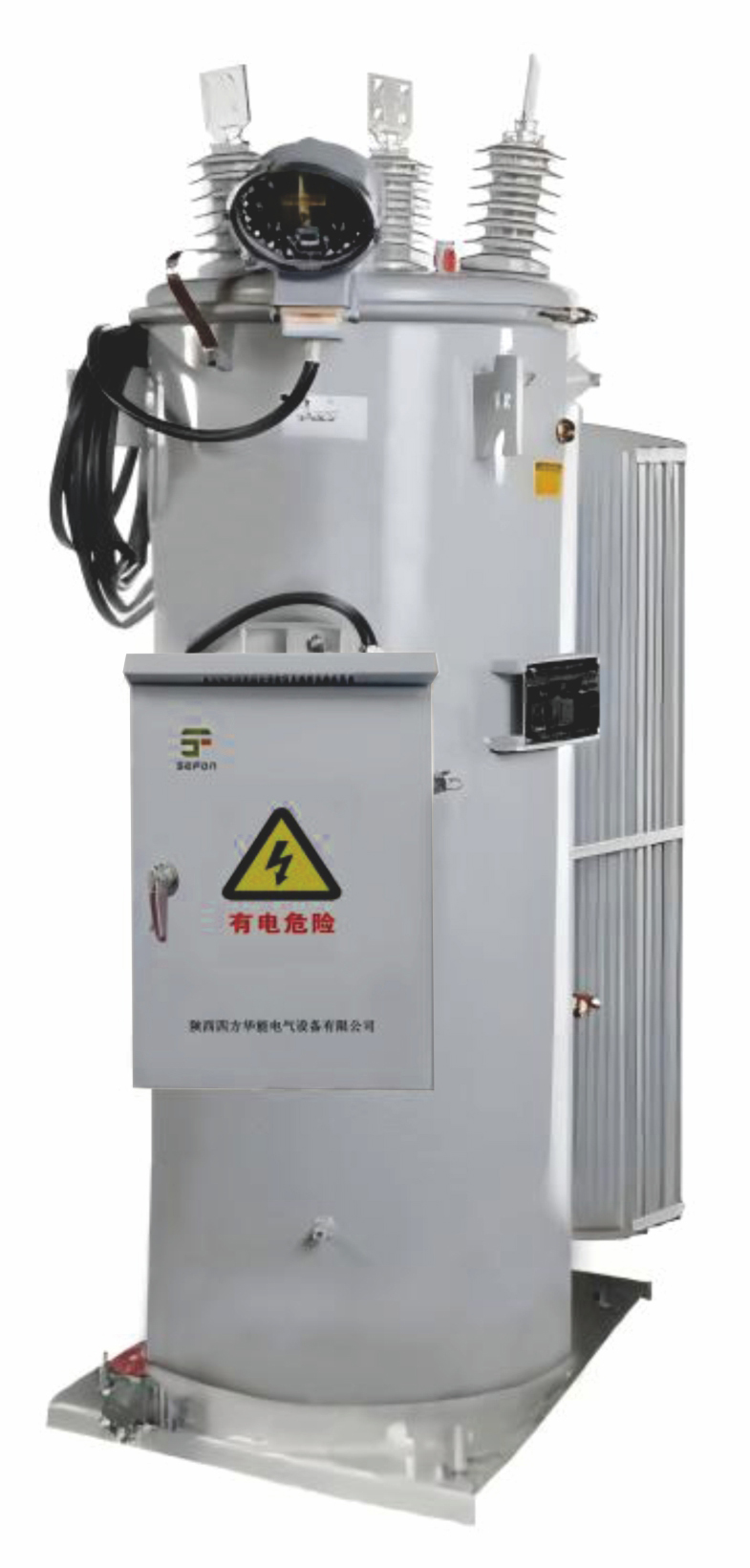
Single-Phase Automatic Voltage Regulator(AVR)
Shaanxi Sefon Electrical Equipment Co.,Ltd.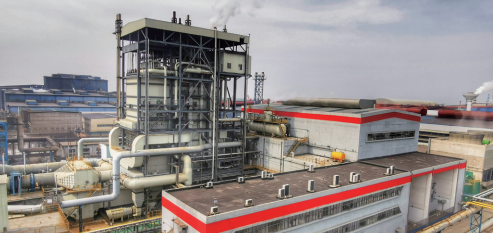
Jiujiang Pinggang 125MW Subcritical Gas Power Generation Project
Capital Engineering & Research Incorporation Limited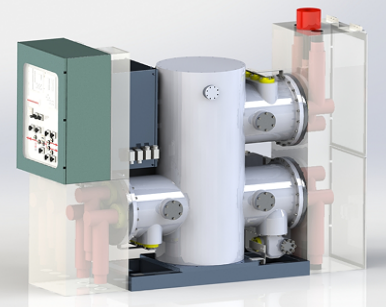

Hydraulic Turbine Genset
Dongfang Electric Corporation Dongfang Electric Machinery Co., Ltd.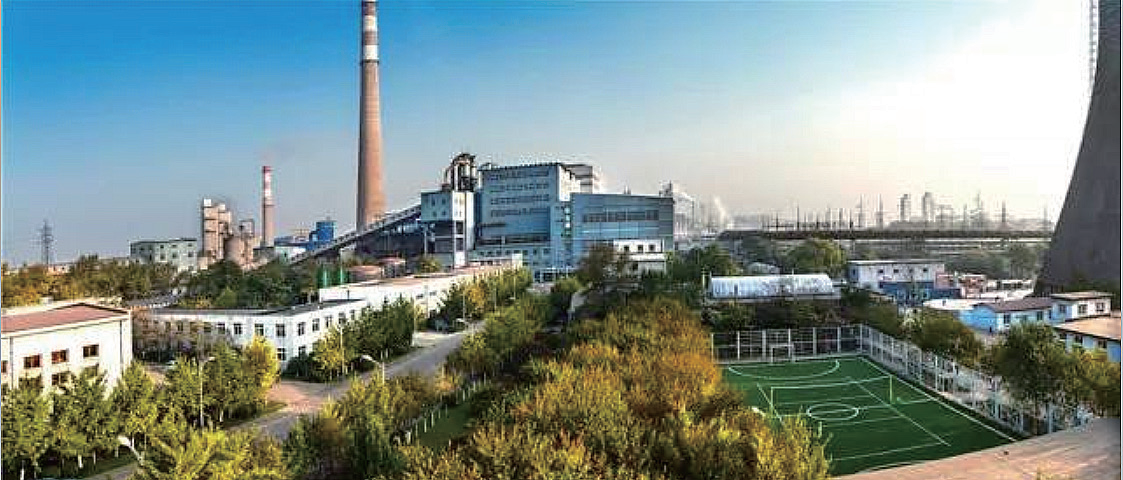
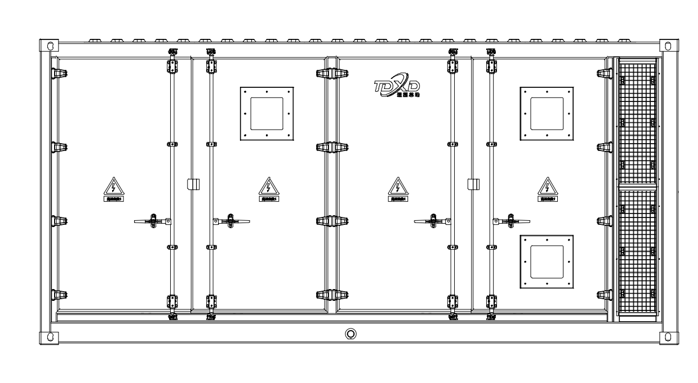
5012kWh DC Energy Storage System TD-EES-5012kWh
Suzhou Tongding Xindong Energy Storage Technology Co., Ltd.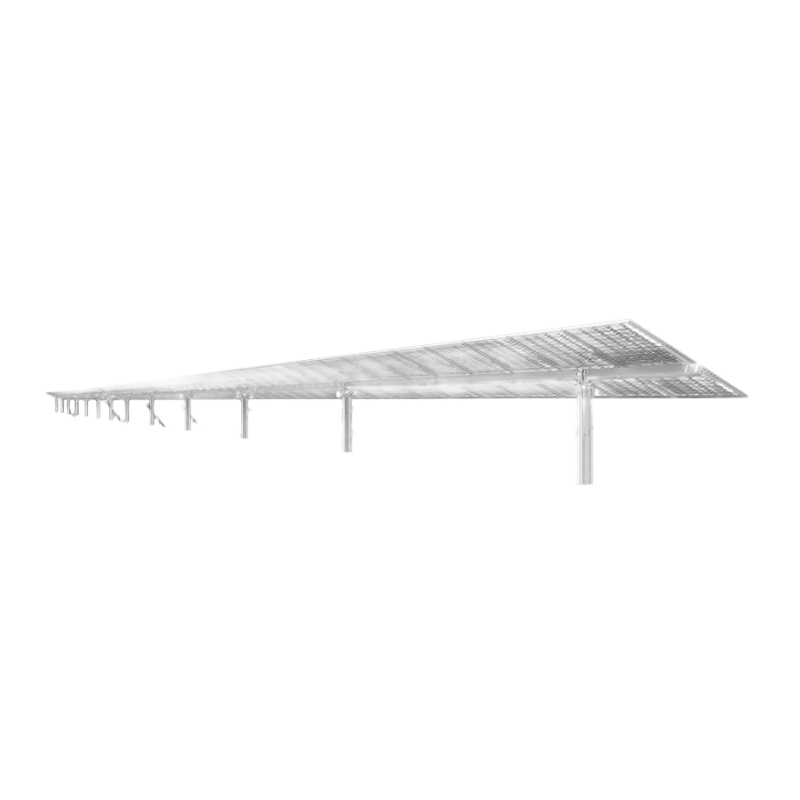
TAI Slew-drive Single-axis Independent 1P Tracking Bracket System
ANTAI TECHNOLOGY CO., LTD.