Smart Electrical Assemblies Depend on Condition Monitoring and Fault Early Warning
en.Wedoany.com Reported - Power systems are entering a stage of higher load density, more complex operating modes, and stronger digital management. As a result, the intelligent upgrading of High and Low Voltage Electrical Assemblies is accelerating. In the past, their core value was mainly power distribution, control, and protection. Today, their value is extending toward condition monitoring, operational analysis, fault early warning, and remote maintenance. For industrial enterprises and park users, this shift directly affects power supply reliability and life-cycle equipment cost.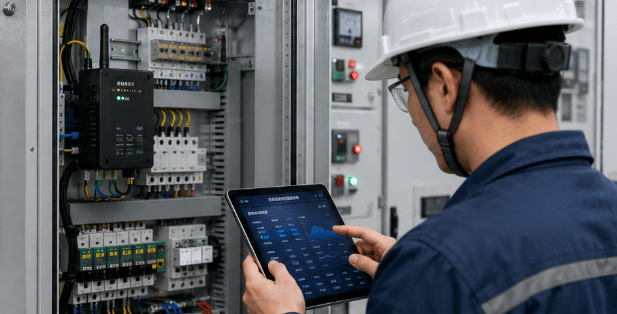
Under traditional maintenance models, electrical assemblies are managed mainly through manual inspection, periodic testing, and post-fault treatment. Operators check equipment appearance, read meters, inspect indicator lights, and use infrared temperature measurement to judge equipment condition. These methods are still necessary, but they are often not enough to capture early-stage hidden risks. Slight heating at busbar joints, insulation moisture, switch contact wear, loose secondary terminals, internal partial discharge, and breaker mechanical deterioration may not show obvious external signs at first. Without continuous monitoring, faults can accumulate gradually during long-term operation.
The core of intelligent electrical assemblies is not adding more display screens. It is making equipment condition visible, risks assessable, and maintenance closed-loop. Temperature sensors can continuously monitor busbars and cable joints. Partial discharge monitoring can identify insulation defects earlier. Breaker condition monitoring can detect abnormalities in stored-energy mechanisms, closing and tripping coils, and mechanical transmission systems. Power quality monitoring can reveal harmonics, voltage fluctuation, and phase imbalance. Intelligent gateways can upload field data to maintenance platforms for remote analysis and alarms.
For commercial and industrial users, the first value of intelligent upgrading is reducing the risk of sudden outages. Many electrical faults do not occur without warning. They develop from small abnormalities. If the system can identify temperature-rise trends, insulation deterioration, and abnormal breaker operation earlier, companies can handle problems during planned maintenance windows instead of being forced to stop production during peak operating periods. Intelligence also helps optimize maintenance resources by shifting inspection from equal-frequency checks to risk-focused management.
However, intelligence should not stop at equipment connectivity. If a site collects large amounts of data but lacks alarm grading, responsible-person closure, maintenance records, and trend analysis, the system will create limited value. A better approach is to connect monitoring data with equipment ledgers, maintenance records, defect histories, and operating loads, then build equipment health assessment models. For important distribution rooms and high-reliability power supply scenarios, key equipment should receive priority monitoring strategies.
Enterprises upgrading high and low voltage electrical assemblies should move in three steps. First, monitor critical load circuits, older cabinets, and high-risk equipment. Second, build a unified data platform for temperature, partial discharge, switch status, power quality, and alarm records. Third, establish an O&M closed loop so every abnormality is confirmed, treated, reviewed, and archived. The value of intelligent assemblies is not making the distribution room look more digital. It is exposing power supply risks earlier, making maintenance planning more rational, and keeping equipment assets under better control.
This article is compiled by Wedoany. All AI citations must indicate the source as "Wedoany". If there is any infringement or other issues, please notify us promptly, and we will modify or delete it accordingly. Email: news@wedoany.com
Related Products
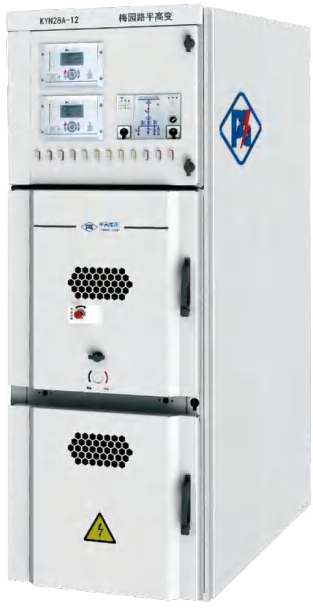

KYN28A-12 Metal Armored Removable Switchgear
Tianjin Ping Gao Intelligent Electric Co., Ltd.
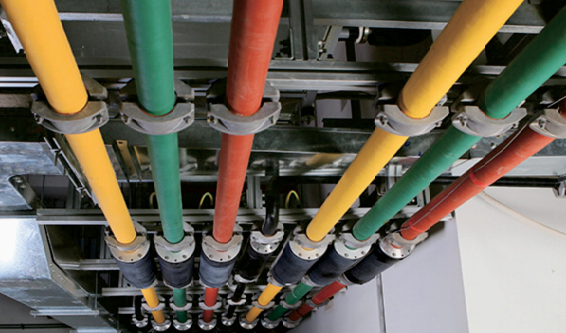
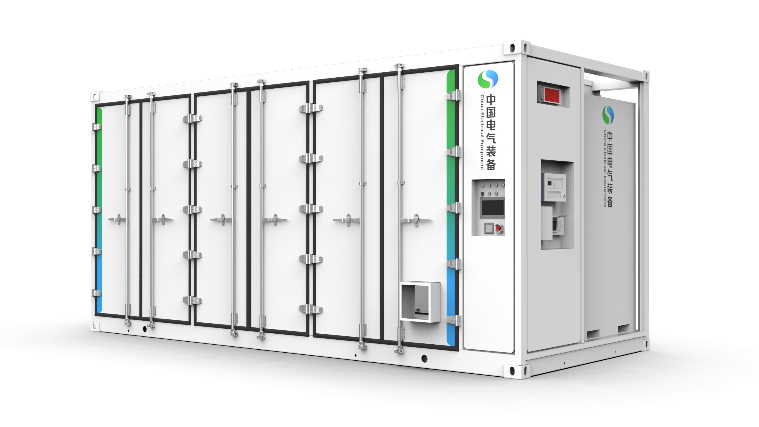
MESS8201-2507/5015-BN Prefabricated Liquid-cooled Energy Storage Battery Container
Xuchang Xuji Electric Science Energy Storage Technology Co., Ltd.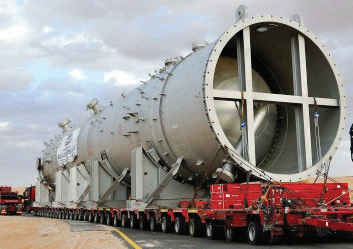

Industrial and Commercial Point-Type Gas Detector
Jinan Benan Technology Development Co., Ltd.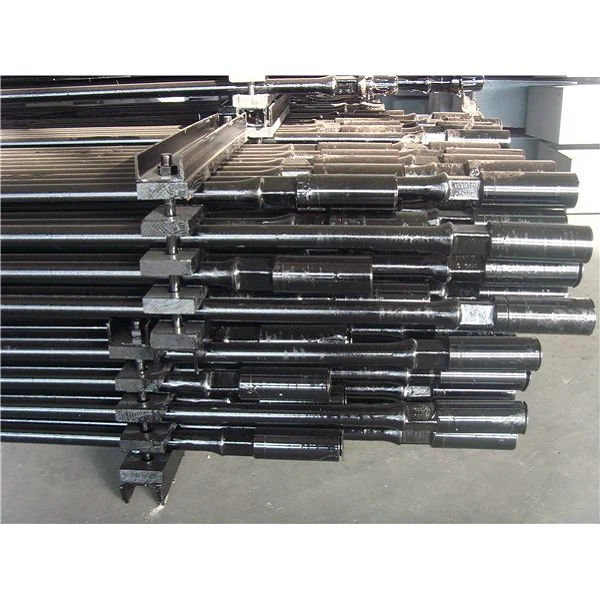
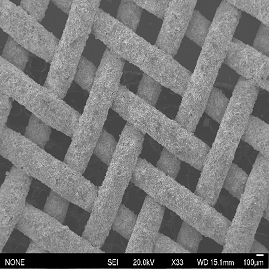
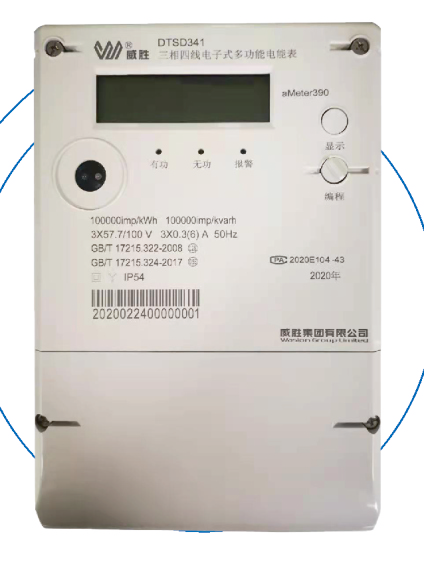
Overseas IEC Gateway Energy Meter - DTSD341/DSSD331-aMeter390
Wasion Group Limited Co., Ltd.