Spanish FOSSA Raises €9.25 Million to Accelerate Satellite IoT
en.Wedoany.com Reported - Spanish satellite IoT company FOSSA Systems has completed a €9.25 million (approximately $10.5 million) funding round to accelerate the deployment of its Low Earth Orbit (LEO) IoT constellation and expand its security and defense business.
The round was led by Kibo Ventures, with participation from the Spanish Association for Technological Transformation (SETT), Space Frontiers Fund II (managed by SPARX Asset Management Co., Ltd.), Indico Capital, and WISeSAT. This combination of private capital and public institutional support reflects the project's significance at the national interest level, particularly in the areas of defense applications and sovereign connectivity infrastructure.
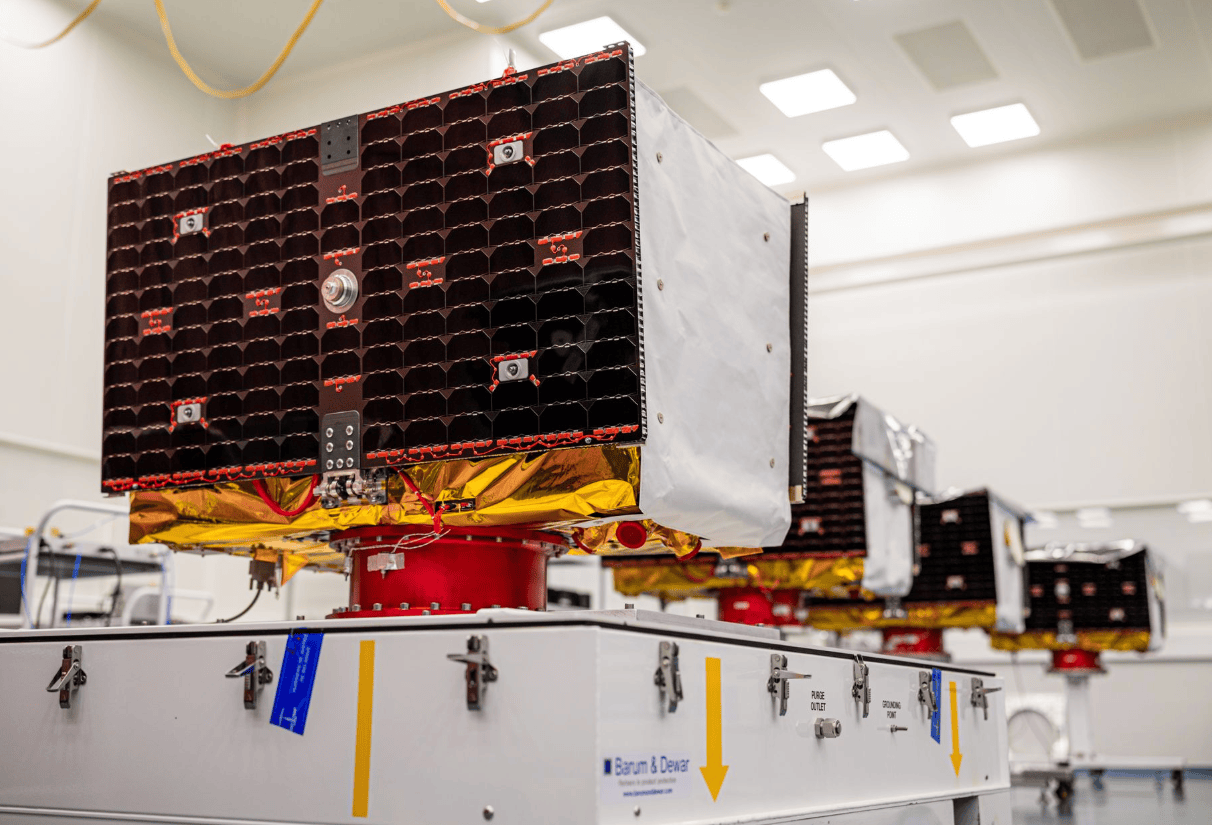
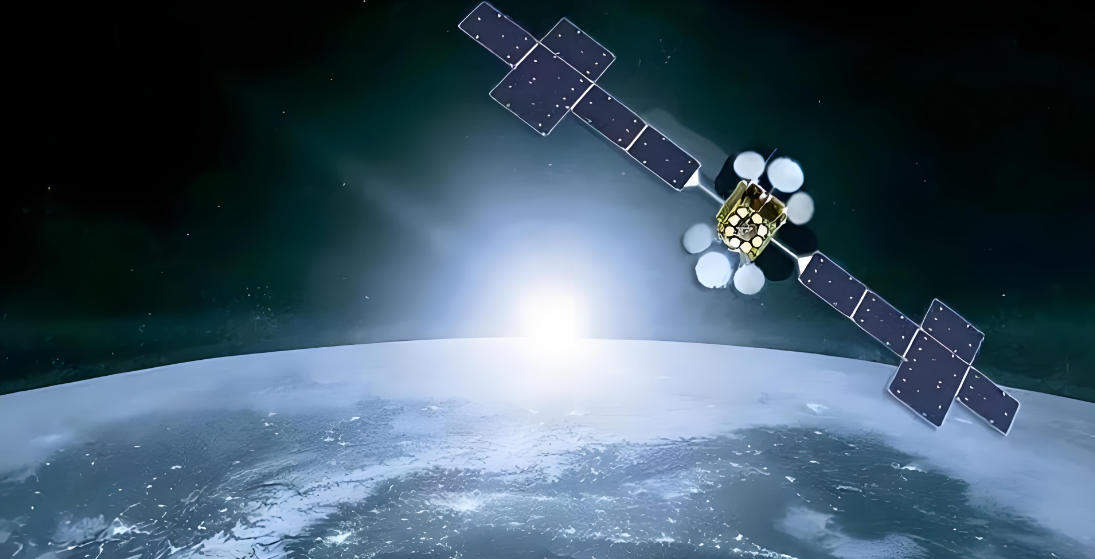
FOSSA has already launched over 25 satellites into orbit, with a target of building a constellation of 140 satellites. The 26th satellite is scheduled for launch in the coming weeks. The company independently develops infrastructure for satellite IoT connectivity, secure communications, and space-based intelligence (SIGINT) solutions, capabilities that directly serve sectors such as energy, agriculture, logistics, critical infrastructure management, and national security.
The continued acceleration of satellite IoT adoption stems from enterprise demand for coverage beyond terrestrial networks. According to GSMA Intelligence data, the global number of IoT connections is projected to reach approximately 27 billion in 2025, driven primarily by demand from industries such as agriculture and logistics. Meanwhile, Omdia estimates that the satellite IoT market will grow at a compound annual growth rate of 20% to 25% by 2030, fueled by strong activity in areas like maritime, energy, and wide-area sensor deployments. FOSSA's current funding round aims to meet the ongoing demand for non-terrestrial coverage.
European space technology financing has grown rapidly in recent years. Dealroom data shows that European space startups attracted approximately $1.3 billion in 2025, a nearly tenfold increase over five years. Low Earth Orbit (LEO) architecture has become the dominant choice for low-latency, low-power IoT connectivity. According to market outlooks from the International Telecommunication Union (ITU) and the European Space Agency (ESA) in 2024, hundreds of small satellites are expected to be launched annually to support machine-to-machine traffic and sensor workloads. LEO's proximity to Earth allows for smaller form factors, lower transmission power, and more responsive services.
In terms of technical standards, FOSSA focuses on 3GPP NB-IoT and LTE-M specifications for non-terrestrial networks, both of which are central to massive machine-type communications. On the security front, guidelines such as NIST SP 800-213 provide a framework for IoT risk management, detailing protocols when connected devices interact with satellites and cross-border networks. These established standards offer enterprises a framework for integrating satellite IoT deployments into existing operational processes.
The CEO and co-founder of FOSSA stated that the company has grown from a startup to an international supplier with a track record of launching 25 satellites, with the goal of establishing the company as a European benchmark in the industry. The new funding will support team growth and the global commercial expansion initiated in 2024. Defense-oriented capabilities are part of the roadmap, reflecting how European IoT satellite companies are increasingly aligning with regional policy priorities. The integration of SIGINT capabilities provides new avenues for supporting public sector and critical infrastructure clients.
The line between terrestrial and non-terrestrial connectivity is blurring. IEEE analysts observe that hybrid systems combining terrestrial networks with LEO links offer more resilient performance in remote areas. For enterprises seeking reliable environmental sensing, maritime asset tracking, or energy infrastructure monitoring, this hybrid model represents a highly practical solution. FOSSA's ongoing constellation expansion supports this technical architecture, aiming to provide consistent coverage in areas where terrestrial network coverage is weak.
FOSSA's focus on sovereign capabilities forms a unique operational approach. In Europe, digital sovereignty is a recurring policy theme, and satellite IoT infrastructure built by regional players attracts both commercial and strategic interest. These deployments directly support cybersecurity protocols, supply chain security, and climate monitoring initiatives, leveraging IoT satellites for large-scale environmental and agricultural data collection. As FOSSA actively expands its constellation toward the 140-satellite target, supported by strong market growth indicators from organizations such as GSMA Intelligence, Omdia, and Dealroom, the company seeks to expand its role in the European and global markets for LEO IoT connectivity.
This article is compiled by Wedoany. All AI citations must indicate the source as "Wedoany". If there is any infringement or other issues, please notify us promptly, and we will modify or delete it accordingly. Email: news@wedoany.com
Related Products


One-Stop Steward Service for the Entire Logistics System Integration Chain
Zhongding Intelligent (Wuxi) Technology Co., Ltd.
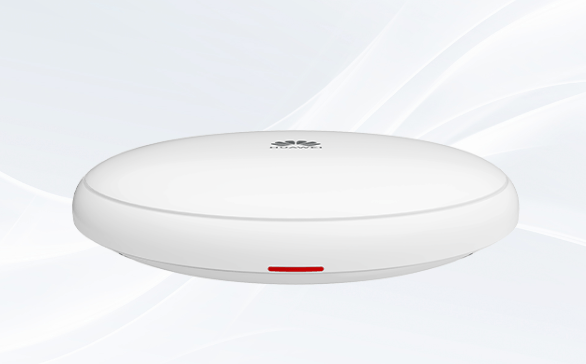

Automatic Aiming Laser Remote Obstacle Removal Robot
Pinggao Group Weihai High-Voltage Apparatus Co., Ltd.
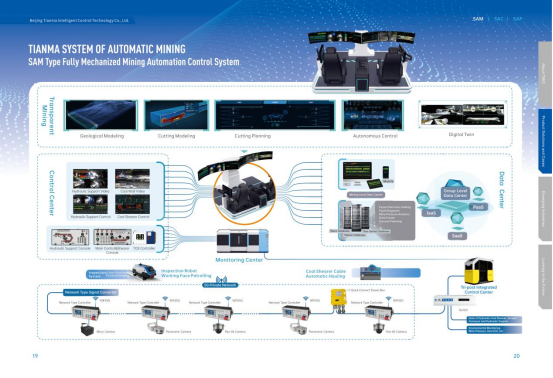
Comprehensive Mining Automation Control System
Beijing Tianma Intelligent Control Technology Co., Ltd.
GYTA Type Non-Self-Supporting Aerial/Duct Optical Cable
TONGDING INTERCONNECTION INFORMATION CO., LTD.
MUX Series Communication Interface Device for Security and Stability Control System
Nanjing NR Electric Co., Ltd.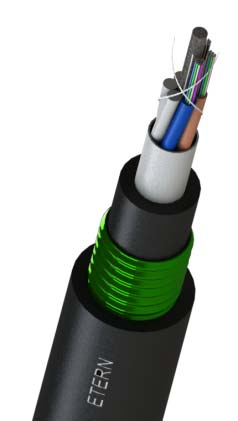
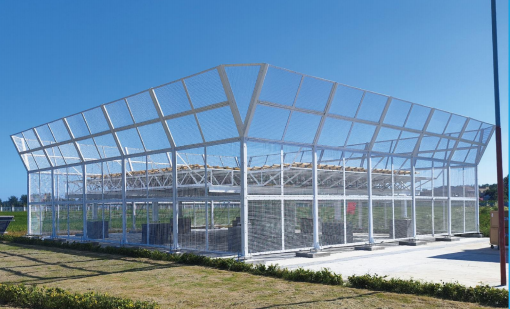
TWP16 P-Band Tropospheric Wind Profile Radar
China Huayun Meteorological Technology Group Co., Ltd.