MIT Develops Novel Carbon Capture Technology, Promising Reduced Energy Consumption
en.Wedoany.com Reported - The Massachusetts Institute of Technology (MIT) is exploring a new pathway that could reduce the energy consumption of carbon capture systems. The findings were published in Nature Energy and announced by MIT News. A major challenge in decarbonizing industrial processes lies in the energy consumption of carbon capture systems. This study proposes an alternative to the traditional carbon dioxide capture methods widely used in industry today.
Researchers evaluated a technology known as electrochemical-mediated carbon capture (EMCC), which is seen as a potential alternative to conventional amine-based chemical scrubbing processes. The widely used amine scrubbing method faces challenges related to high energy consumption and scalability.
The technology utilizes molecules called N-heterocyclic imines (NHIs) as novel carbon capture sorbents. Experimental results show that these compounds can achieve carbon dioxide separation through electrochemical regulation without operating at high reduction potentials. High reduction potentials can easily trigger side reactions with oxygen, affecting the long-term efficiency and performance of traditional EMCC systems.
The research team also proposed a new molecular structure called bis(NHI). Theoretically, this structure can capture two carbon dioxide molecules per electron used during system operation. Researchers indicate that future molecular engineering of these structures could enhance their binding affinity for carbon dioxide, thereby improving the technology's energy efficiency, electron efficiency, and operational flexibility.
MIT researchers point out that a deep understanding of the stability and degradation mechanisms of these molecules will be key to advancing the technology toward large-scale practical application. This work contributes to the development of carbon capture and removal technologies aligned with global industrial emission reduction targets.
This article is compiled by Wedoany. All AI citations must indicate the source as "Wedoany". If there is any infringement or other issues, please notify us promptly, and we will modify or delete it accordingly. Email: news@wedoany.com
Related Products

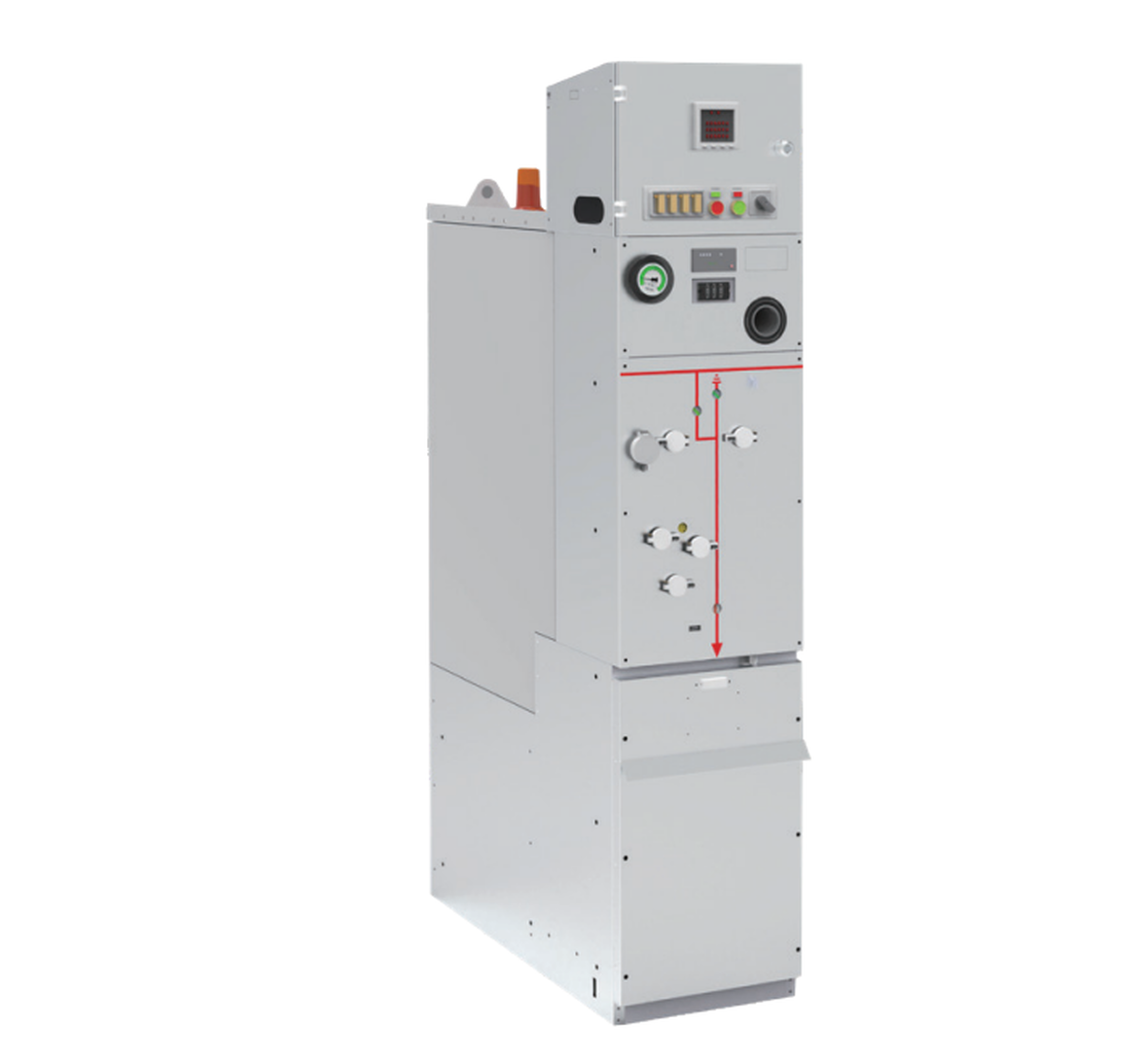
72.5kV 1250A 31.5kA SF6 free Gas-insulated Metal-enclosed Switchgear
Zhejiang Juhonkia Intelligent Electric Co., Ltd.
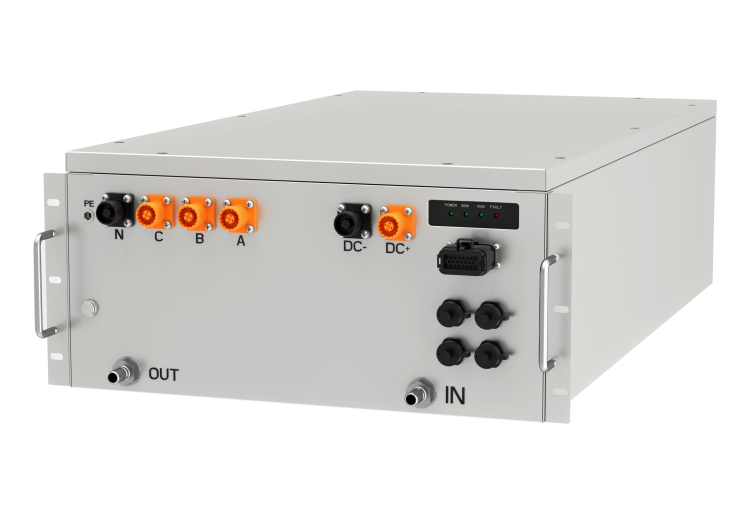
Mars (Liquid Cooling) Series Industrial and Commercial Energy Storage Converter High Protection Module
Shenzhen Winline Technology Co., Ltd.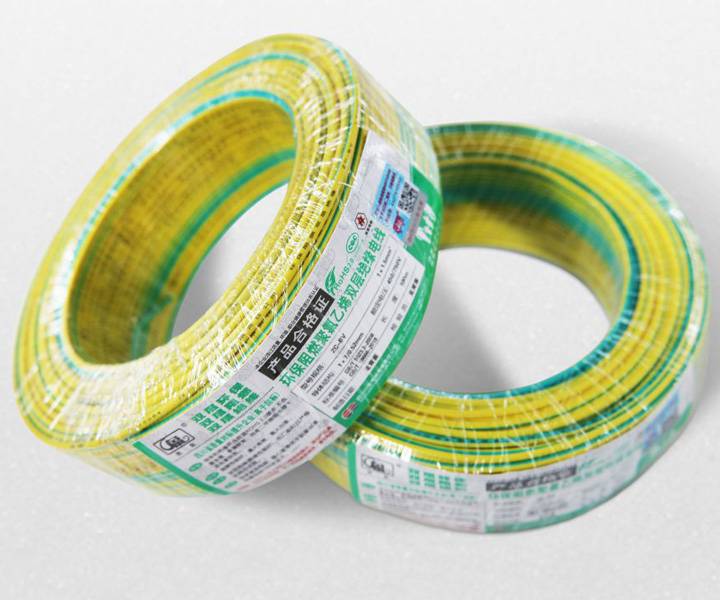
Environmentally Friendly Flame-retardant PVC Double-layer Insulated Wire
Sichuan Chndo Cable Co., Ltd.

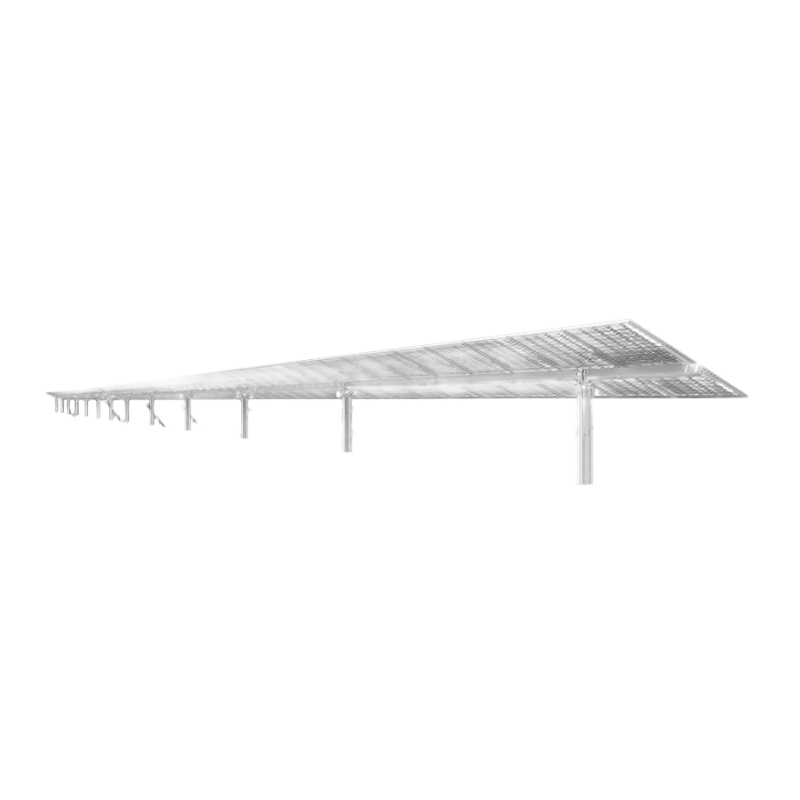
TAI Slew-drive Single-axis Independent 1P Tracking Bracket System
ANTAI TECHNOLOGY CO., LTD.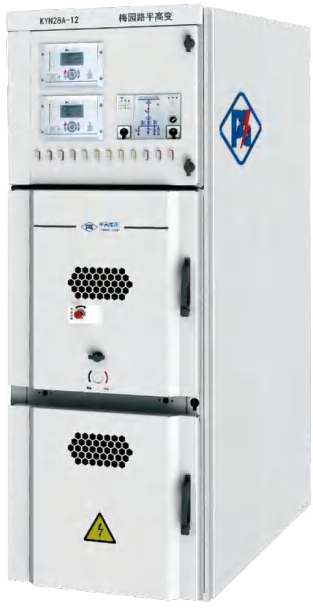
KYN28A-12 Metal Armored Removable Switchgear
Tianjin Ping Gao Intelligent Electric Co., Ltd.
6kV-35kV Medium and High Voltage Direct-Connected Energy Storage System
Hainan Jinpan Smart Technology Co., Ltd.