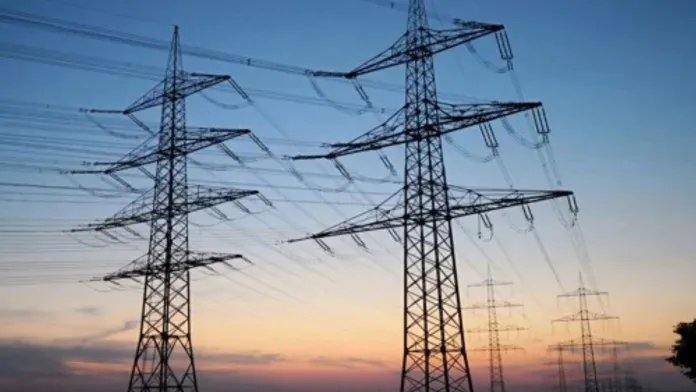
en.Wedoany.com Reported - A recent assessment by the U.S. Geological Survey (USGS) indicates that North and South Carolina may hold one of the largest undeveloped lithium resources in the United States, with an estimated 1.43 million metric tons of recoverable lithium oxide.
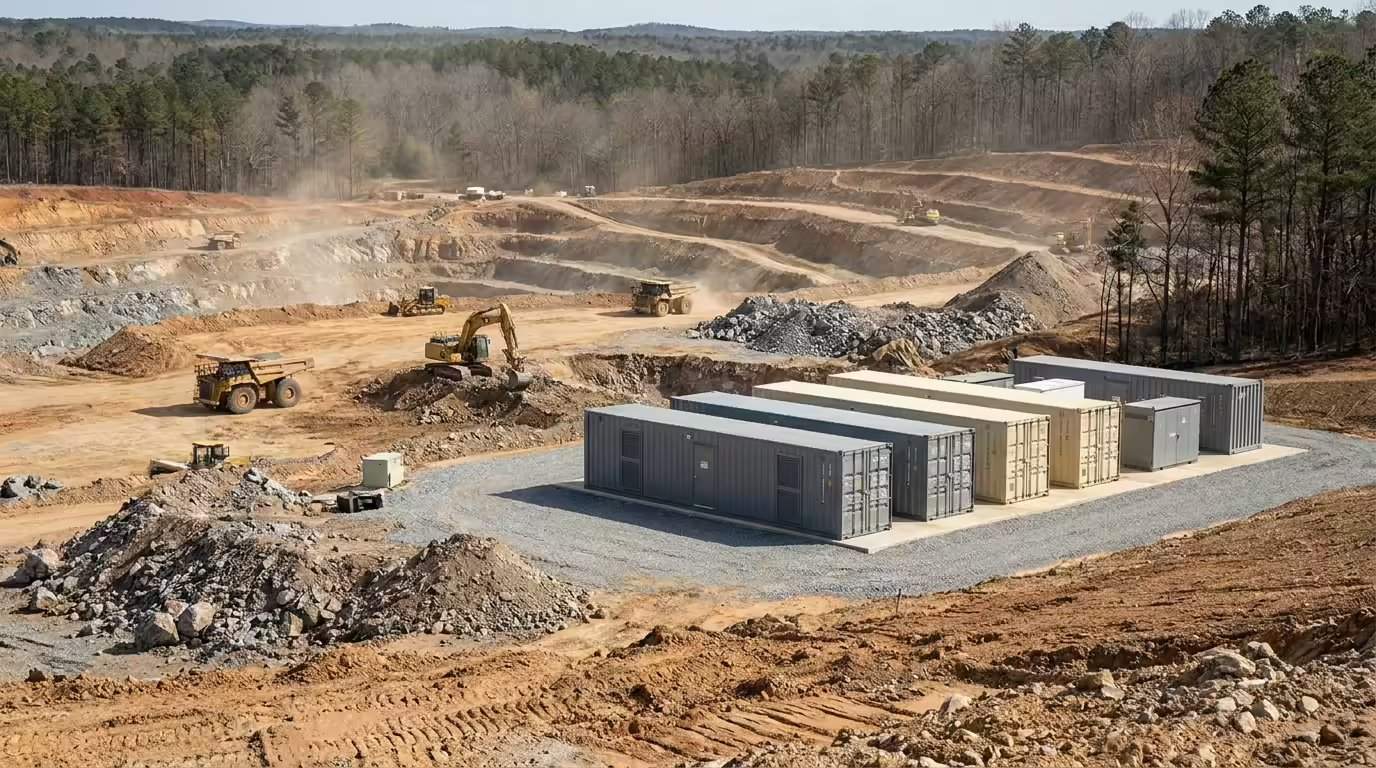
The study, published in Natural Resources Research, shows that most of these deposits are located in North Carolina and South Carolina, with reserves sufficient to replace more than 200 years of current U.S. lithium imports. This finding is particularly significant for utility companies, which are accelerating battery storage deployment to meet the rising electricity demand from artificial intelligence data centers.
Lithium is often associated with electric vehicles, but researchers emphasize its critical role in grid energy storage as well. Robert LaChance, head of energy storage and distributed generation technology at the Electric Power Research Institute (EPRI), noted that growing demand from data centers has further strengthened the need for battery energy storage systems (BESS). He explained that many grid stress points occur over short durations, making BESS a more cost-effective and faster-to-deploy solution compared to traditional transmission and distribution upgrades.
Duke Energy, while forecasting growth in data centers and advanced manufacturing, acknowledged that battery storage will occupy a larger share of its resource mix. However, a company spokesperson stated that battery storage should not be viewed as a primary power source for data centers, but rather as part of a broader system to ensure power supply reliability during peak hours.
The USGS report also highlighted existing lithium resources in the region, including the Carolina Lithium and Kings Mountain deposits, which together contain approximately 1.6 million metric tons of lithium oxide. Albemarle Corporation is seeking permits to restart and expand mining operations at the Kings Mountain site. This mine is one of the few known hard-rock lithium deposits in the U.S., and the project aims to resume operations after being shut down in the early 1990s, supplying domestic lithium for energy storage and other sectors.
Despite the promising lithium resources, LaChance cautioned that availability is not the only variable affecting future battery storage growth. More immediate challenges lie in manufacturing capacity, economics, and the availability of skilled labor. Additionally, grid interconnection processes and existing infrastructure can constrain battery deployment; the majority of global battery cell production capacity is concentrated in Asia, and battery prices are beginning to recover after a period of oversupply. These factors could reshape the market landscape and influence the expansion of the domestic battery supply chain.
This article is compiled by Wedoany. All AI citations must indicate the source as "Wedoany". If there is any infringement or other issues, please notify us promptly, and we will modify or delete it accordingly. Email: news@wedoany.com