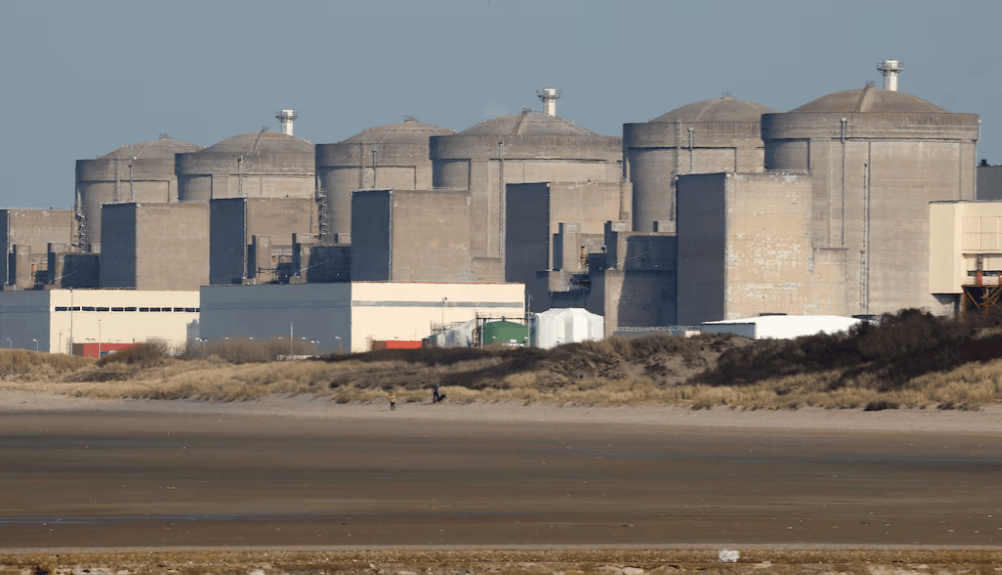
en.Wedoany.com Reported - Scientists from China, South Korea, and Switzerland recently joined International Atomic Energy Agency (IAEA) Director General Rafael Mariano Grossi in collecting seawater samples as part of international monitoring cooperation on radiation levels in the waters surrounding the damaged Fukushima Daiichi Nuclear Power Station. The sampling was conducted under the "Additional Measures" framework, revised in 2024, which aims to increase participation from other countries and enhance the transparency of IAEA-led analyses.
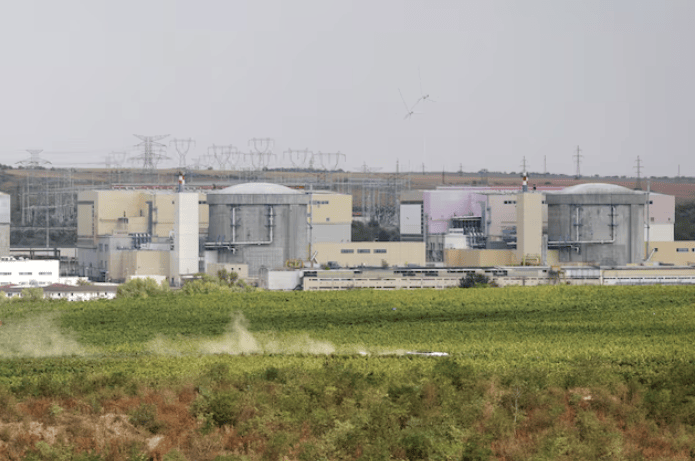
The Fukushima Daiichi Nuclear Power Station was shut down after its reactors were severely damaged by a powerful earthquake and tsunami in March 2011. The plant is undergoing a decades-long decommissioning and cleanup process by its owner and operator, Tokyo Electric Power Company (TEPCO). The company uses the Advanced Liquid Processing System (ALPS) to treat contaminated water, a chemical process that removes radionuclides other than tritium to below regulatory limits. After being stored on site, the ALPS-treated water is diluted with seawater to reduce tritium concentrations before being discharged into the ocean.
Grossi also participated in sampling last year. In a statement, he noted that the "Additional Measures" framework "enables third parties to independently verify that the water discharge is, and will continue to be, fully consistent with international safety standards. By inviting countries to directly collect and analyze samples, Japan is helping to increase transparency, shared understanding, and confidence, especially among its neighbors."
These seawater samples will be analyzed by the IAEA's Marine Environment Laboratories in Monaco, laboratories in Japan, as well as the Third Institute of Oceanography in China, the Korea Institute of Nuclear Safety, and the Spiez Laboratory in Switzerland.
Since TEPCO began discharging ALPS-treated water in August 2023, over 156,000 cubic meters of water have been diluted and released in 20 batches. The IAEA reports that tritium concentrations in all batches discharged to date are "far below Japan's operational limits." An IAEA report from September last year reaffirmed the conclusions of the agency's 2023 comprehensive report, which, as previously reported by Nuclear Newswire, "found that the radiological impact of TEPCO's discharge of Fukushima nuclear wastewater on people and the environment is negligible." Through ongoing monitoring, TEPCO plans to discharge more treated water in batches over the coming decades.
According to data from Japan's Nuclear Regulation Authority, as of May this year, radiation levels in approximately 70% of Fukushima Prefecture are comparable to the national average (0.1 microsieverts per hour), and levels in over 90% of the area are below 0.2 microsieverts per hour. The authority has found no harmful effects on local residents from radiation and no doses approaching harmful levels.
The IAEA stated that it "will continue to conduct impartial, independent, and objective safety reviews of the discharge of ALPS-treated water, including ongoing on-site presence, verification of monitoring data through inter-laboratory comparisons, and provision of online real-time monitoring."
This article is compiled by Wedoany. All AI citations must indicate the source as "Wedoany". If there is any infringement or other issues, please notify us promptly, and we will modify or delete it accordingly. Email: news@wedoany.com
Related Products


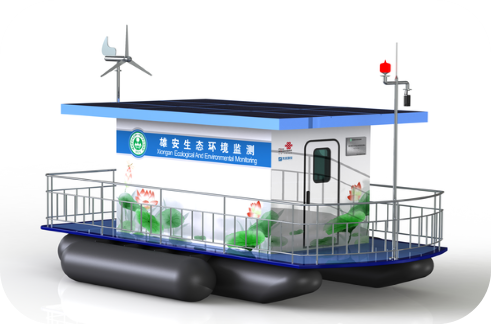
Floating Boat Water Quality Automatic Monitoring System
Hebei Sailhero Environmental Protection High-tech Co., Ltd.

Oil-immersed Amorphous Alloy Core Distribution Transformer
Pinggao Group Smart Electric Co., Ltd.
KYN61-40.5 Indoor AC Metal-clad Removable Switchgear
Chongqing Transformer Co., Ltd.
Optional Accessory - Auxiliary Sampling Module
Beijing Soaring Electric Technology Co., Ltd.