India's SECI Secures 670,000 Tonnes Per Year of Low-Cost Green Ammonia Supply for 11 Fertilizer Plants
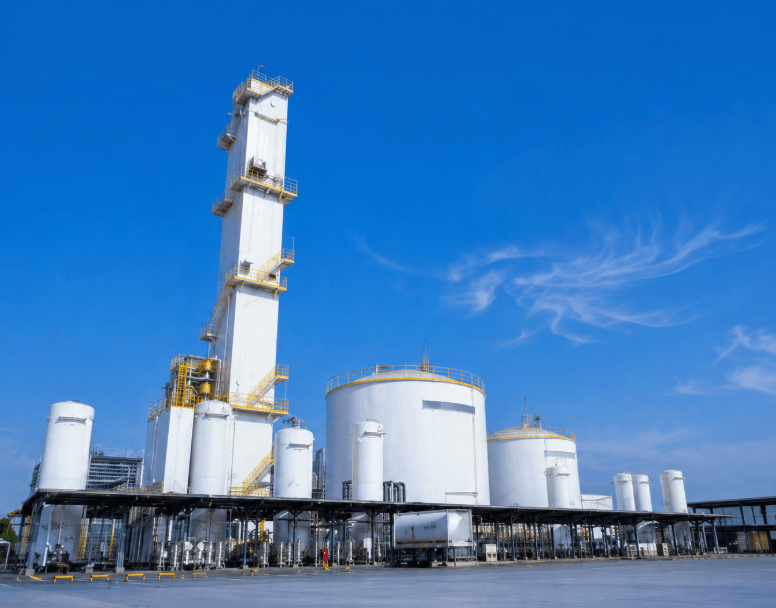
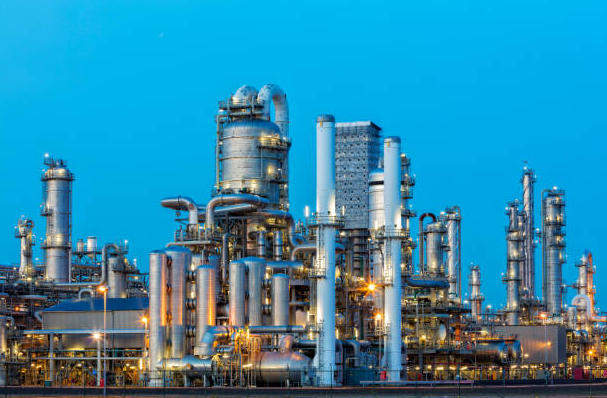
en.Wedoany.com Reported - The Solar Energy Corporation of India (SECI), under the National Green Hydrogen Mission, has secured long-term green ammonia supply agreements for 11 fertilizer plants through the Strategic Interventions for Green Hydrogen Transition (SIGHT) program. The contracts total 670,000 tonnes per year, with prices ranging from 49.75 to 64.74 rupees per kilogram, equivalent to approximately $570 to $745 per tonne at current exchange rates. While this price is higher than the pre-conflict conventional grey ammonia free-on-board (FOB) price (approximately $400 to $490 per tonne), it is close to conventional prices elevated by the Strait of Hormuz conflict and is about 45% to 55% lower than the concurrent global green ammonia benchmark price (approximately 110 rupees per kilogram).
India is the world's second-largest consumer of fertilizers, producing approximately 16.5 to 17 million tonnes of phosphate and potash fertilizers annually. Its raw materials are heavily dependent on imported grey ammonia, making it vulnerable to global price volatility and supply disruptions. The SIGHT program aggregates fertilizer plant demand through competitive bidding, matches it with green ammonia developers, and signs binding offtake agreements, aiming to replace imports with domestically produced green ammonia. The government estimates this transition will save approximately $2.5 billion in foreign exchange over the next decade.
The total volume allocated through the SIGHT program this time is 724,000 tonnes per year, covering 13 fertilizer plants, of which agreements for 670,000 tonnes across 11 plants have been confirmed. Specifically, IFFCO's plants in Kandla and Paradeep each receive 100,000 tonnes per year, both supplied by ACME Cleantech; Coromandel International's Kakinada plant receives 85,000 tonnes per year from Jakson Green and OCIOR, and its Visakhapatnam plant receives 50,000 tonnes per year from ACME Cleantech; Paradeep Phosphates' Paradeep plant in Odisha receives 75,000 tonnes from ACME Cleantech, in addition to its plants in Zuarinagar, Goa, and Mangaluru; NTPC Renewable Energy and Oriana Power supply the plant in Madhya Pradesh operated by Madhya Bharat Agro Products. ACME Cleantech is the largest single developer in the program, and its scale advantages in electrolyzers and renewable energy procurement have driven some of the lowest price discoveries.
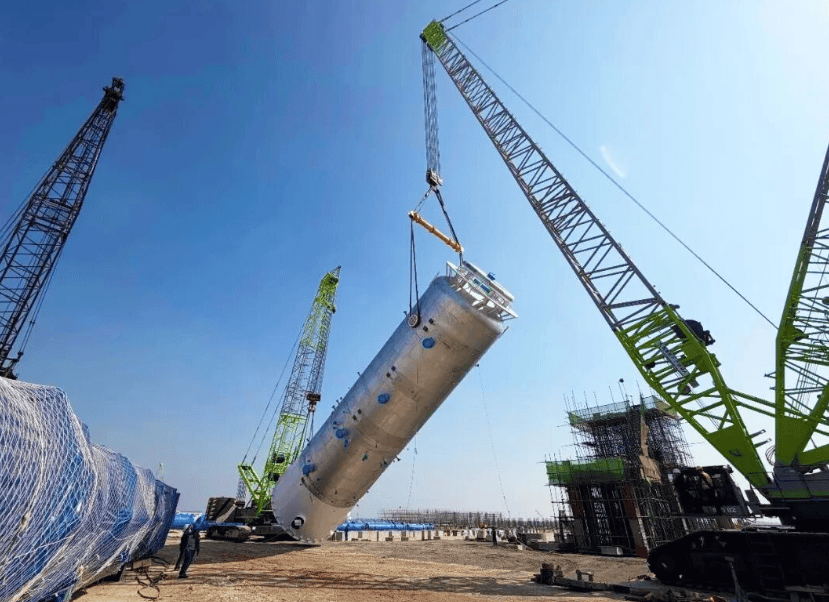
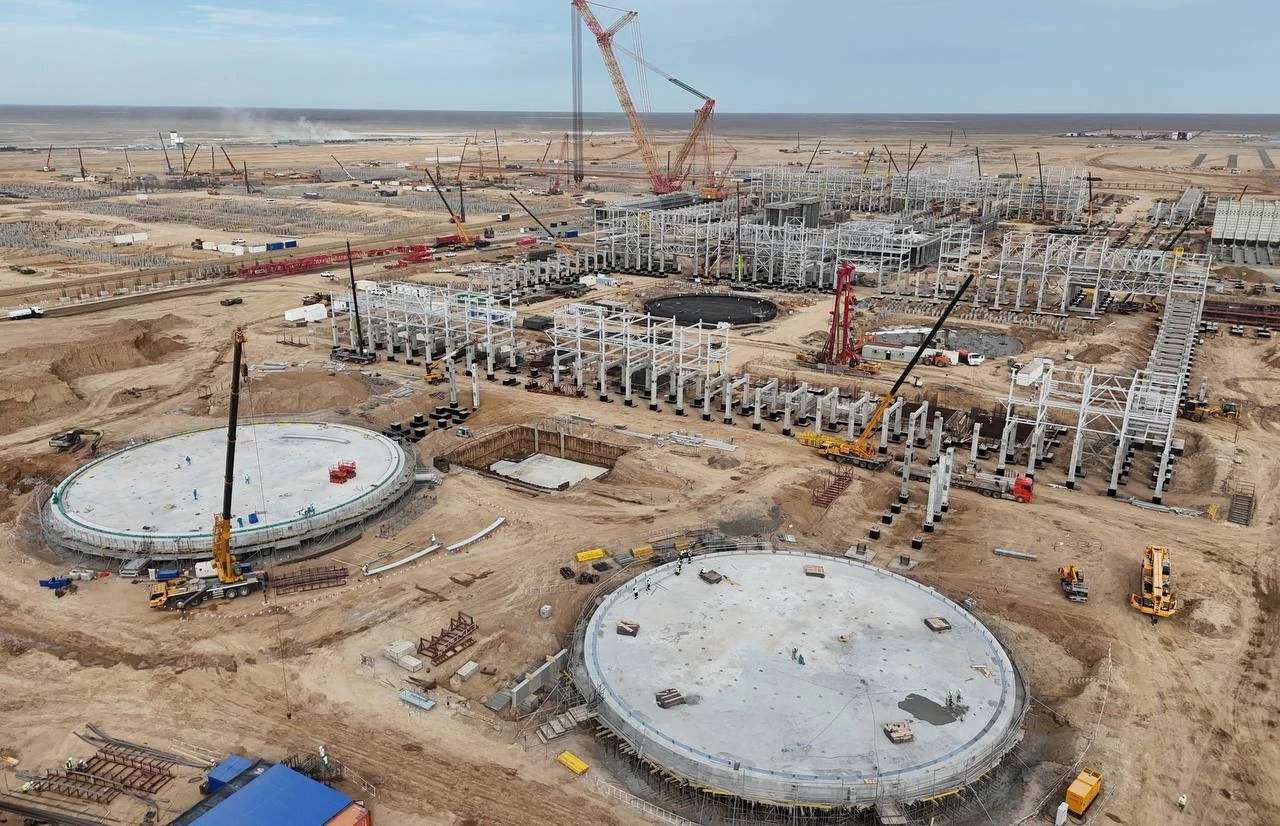
The SIGHT model draws on India's successful experience in the solar and wind energy sectors: SECI acts as an aggregator, issuing tenders, conducting auctions, and facilitating offtake agreements. The government does not directly subsidize prices but creates demand certainty and a transparent price discovery mechanism. Union Minister Pralhad Joshi stated that the National Green Hydrogen Mission has provided incentives for 862,000 tonnes per year of green hydrogen production capacity under SIGHT. This model is currently being studied by other major fertilizer-importing countries. The projects have been contracted but are still in the development financing stage. Construction of electrolyzers and supporting renewable energy facilities will take 2 to 4 years, with deliveries expected to begin as early as 2028, and most contracted volumes coming online between 2029 and 2030.
The total budget for the National Green Hydrogen Mission is 197.44 billion rupees, with a target of achieving 5 million tonnes per year of green hydrogen production capacity by 2030, supported by approximately 125 GW of dedicated renewable energy capacity. As of early 2026, commissioned production capacity stands at approximately 8,000 tonnes per year. Most analysts consider the 5 million tonne target optimistic, with a more realistic expected range of 500,000 to 1 million tonnes per year. The 724,000 tonnes per year of green ammonia under these contracts equates to approximately 130,000 tonnes per year of green hydrogen feedstock, providing a significant anchor for the demand side of the market.
This article is compiled by Wedoany. All AI citations must indicate the source as "Wedoany". If there is any infringement or other issues, please notify us promptly, and we will modify or delete it accordingly. Email: news@wedoany.com
Related Products
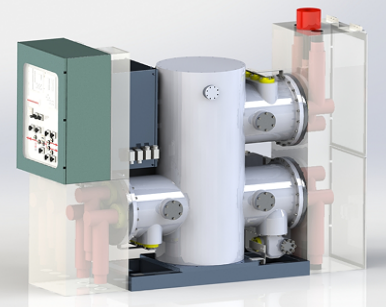

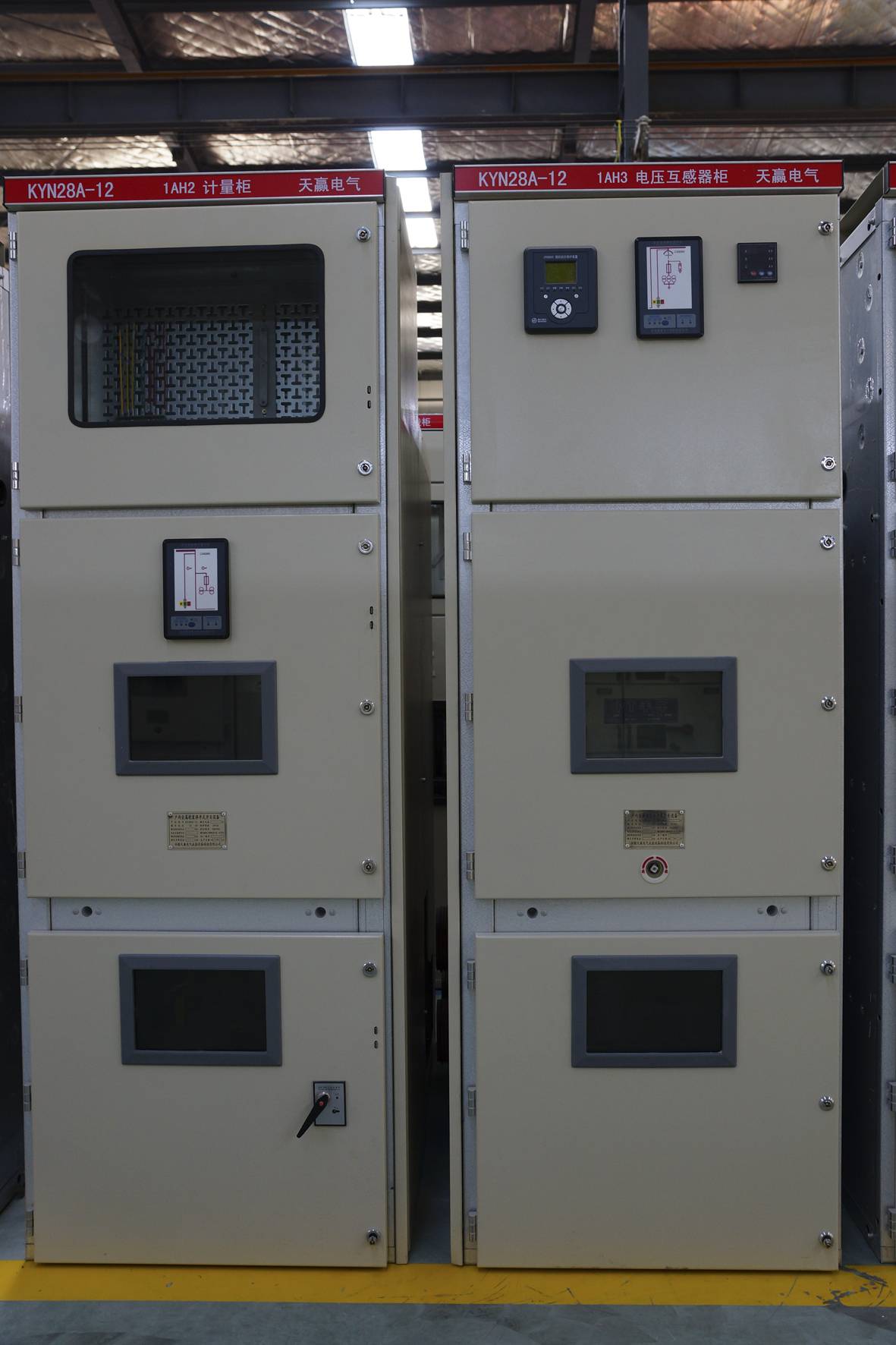
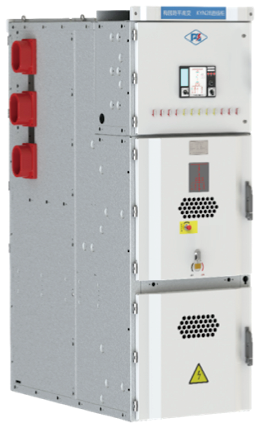
KYN28 - High Voltage Switchgear
Anhui Tianying Electrical Equipment Manufacturing Co., Ltd.
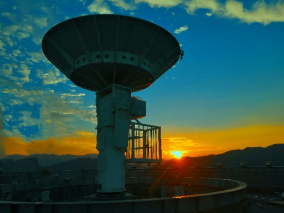
714CD Series C-Band Weather Radar
Chengdu Zhongdian Jinjiang Information Industry Co., Ltd.
Mineral-insulated Compact Busway (Fire-resistant Busduct)
Zhuhai Guangle Electric Busway Co., Ltd.