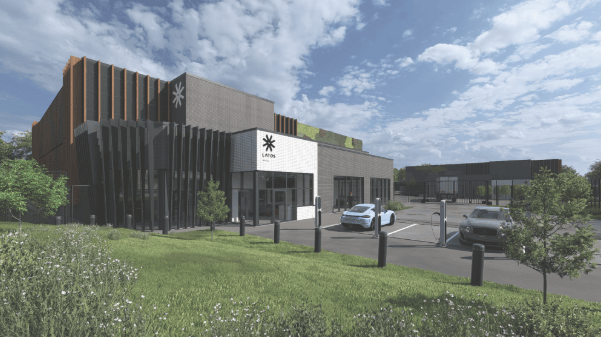
Arkansas Offers Google Data Centers Up to 65% Tax Break for 30 Years
en.Wedoany.com Reported - Google's data center projects in Little Rock and West Memphis, Arkansas, have received support from the state's standard industrial PILOT incentive policy, allowing for tax reductions of up to 65% over a maximum of 30 years. This policy is closely tied to Arkansas law, while the state is also advancing broader state-level reforms, lowering the minimum investment threshold for qualified data centers from $500 million to $100 million and establishing a new category for multi-site hyperscale deployments.
According to estimates from the Little Rock Regional Chamber of Commerce, Google's Little Rock facility is valued at $1 billion and could generate over $5 million in annual property tax revenue. Without the tax break, the same property would generate over $12.8 million in taxes annually. This tax gap has become a focal point for policy observers. Researchers at Good Jobs First argue that tax breaks represent missed opportunities for local governments, while others contend that large, long-term projects can broaden the tax base even with discounted assessments. Analytical organizations such as the Brookings Institution have tracked similar trends nationwide, noting that data center tax packages can stimulate capital formation but also reduce public budgets.
Google's development project is still in its early stages, with plans potentially far exceeding initial projections. Plans submitted to the U.S. Army Corps of Engineers indicate the construction of five buildings totaling approximately 1.43 million square feet. Even with tax breaks, if the project proceeds at this scale, the eventual tax revenue could multiply several times over.
A law passed in Arkansas in 2025 lowered the minimum investment threshold for qualified data centers from $500 million to $100 million, a change documented in the HB1444 fiscal analysis by the Arkansas Department of Finance and Administration. The law also extends sales and use tax exemptions for data center equipment, services, and electricity. Analysts at Deloitte note that exemptions related to electricity consumption are particularly important for hyperscale operators, as energy currently accounts for the vast majority of total lifecycle costs. The state's newly established category for qualified large-scale data centers requires a minimum investment of $2 billion over 10 years and a commitment of $3 million in payroll within two years. These thresholds closely align with the scale of companies like Google, Microsoft, and Amazon Web Services, indicating that Arkansas is targeting multi-site, fiber-connected campuses rather than standalone server rooms. Given the growth of artificial intelligence workloads, this strategy appears consistent with broader market demand, but the question remains whether public costs will match future tax benefits.
The PILOT agreement mechanism in Little Rock and West Memphis is implemented through industrial development revenue bonds. Each city will issue bonds, transferring ownership of the designated property to a public entity, and then lease it back to Google under an agreed payment schedule, with payments roughly equivalent to the company's tax liability at a discounted assessed value. This arrangement is common in manufacturing and energy infrastructure sectors but is less typical for projects with long-term expansion potential, such as hyperscale data centers.
The AVAIO Digital Partners project near Wrightsville adds another dimension. Announced with an initial investment of $6 billion, it could become the largest PILOT-supported project in Arkansas history. County officials have stated that no incentive applications have been submitted yet, although industrial development bonds remain a possible option. How Pulaski County structures its agreement may influence future negotiations statewide.
Utility-related incentives include the Little Rock city government's approval to reduce franchise fees for extremely high electricity users. Fees for customers consuming at least 225 megawatts from Entergy Arkansas have been reduced from 5.2% to 0.25%, and water and wastewater fees for large users have been reduced to zero. The city expects franchise fee revenue to exceed $36 million this year, and any exemptions would materially impact the budget. Google will make annual value-added payments based on building additions, but these payments cannot offset the lost tax revenue.
Researchers at the National Association of Counties note that counties adopting similar incentives often struggle to measure actual fiscal impacts due to a lack of standardized tracking. The Arkansas Department of Finance and Administration does not track the impact of PILOTs, although it regularly publishes estimates for sales and income tax exemptions. Local economists are divided; one economist at the University of Central Arkansas observed that even discounted tax streams from hyperscale facilities can ultimately generate significant public benefits. However, research suggests that electricity prices, proximity to fiber routes, and regulatory conditions often play a more important role in site selection than tax packages—a view consistent with multiple industry analyses, including one by McKinsey that highlights grid capacity and land availability as primary drivers for data center site selection.
Google plans to resubmit its Army Corps of Engineers permit and continue preparing for the initial $1 billion construction. AVAIO is still evaluating its incentive options. Conway and Clarksville are also advancing their respective data center projects. For Arkansas, the new incentive laws signal its determination to compete for hyperscale infrastructure. Whether public returns will ultimately outweigh the upfront concessions will be a long-debated issue for local leaders after the first server racks are installed.
This article is compiled by Wedoany. All AI citations must indicate the source as "Wedoany". If there is any infringement or other issues, please notify us promptly, and we will modify or delete it accordingly. Email: news@wedoany.com
Related Products


MUX Series Communication Interface Device for Security and Stability Control System
Nanjing NR Electric Co., Ltd.
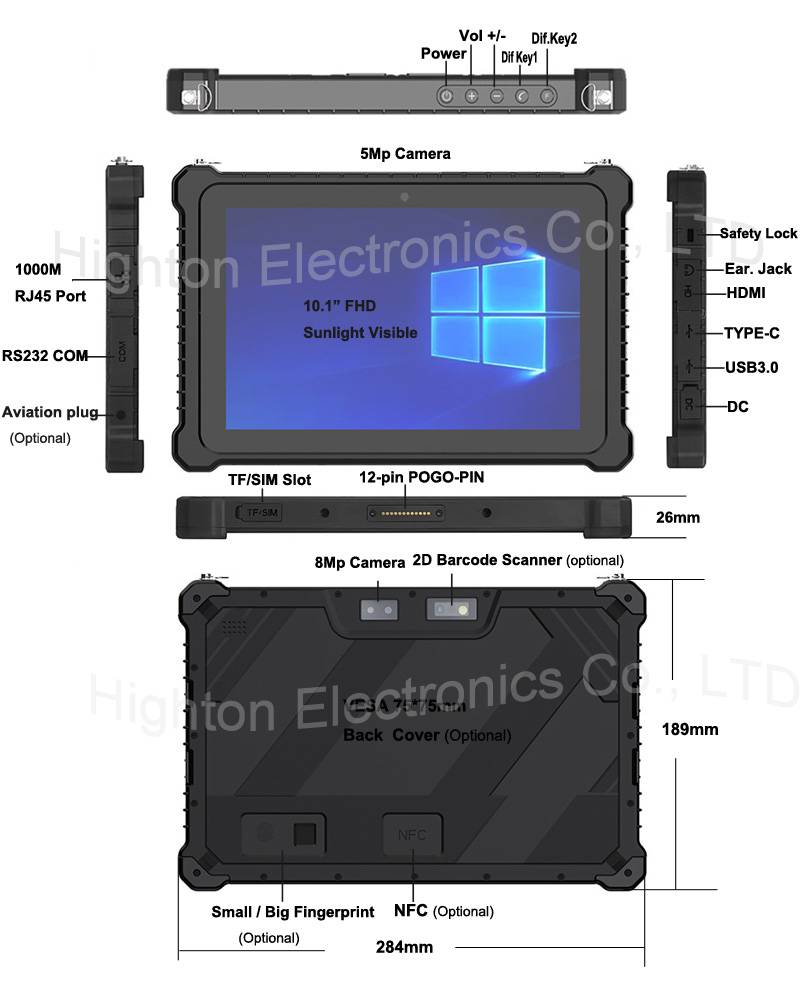
Hot Selling 10 Inch Intel N5100 I5 I7 FHD 8 +128GB 16+256GB Win10 Pro Win11 Pro 4G 5G Rugged Tablet PC Pad with NFC Barcode
Highton Electronics Co., Ltd.

GYTA Type Non-Self-Supporting Aerial/Duct Optical Cable
TONGDING INTERCONNECTION INFORMATION CO., LTD.

Industrial and Commercial Point-Type Gas Detector
Jinan Benan Technology Development Co., Ltd.