US Halcyon and Dell Launch Integrated Ransomware Defense for Commercial PCs
en.Wedoany.com Reported - Halcyon has partnered with Dell Technologies to launch commercial PCs with integrated ransomware defense, responding to the continued surge in ransomware activity. A report from GuidePoint Security shows that ransomware incidents in December 2025 surged 42% year-over-year, reaching an all-time high and highlighting the persistent nature of the threat. This backdrop has driven the two companies to embed anti-ransomware capabilities at both the hardware and software levels, reducing deployment friction and easing the burden on security teams.
These devices are equipped with the Halcyon anti-ransomware platform integrated into Dell's commercial PC lineup. Organizations no longer need to install, configure, and verify multiple endpoint tools; instead, they receive machines that begin monitoring process behavior in real time from the moment of first boot. The platform can intervene before encryption attempts succeed, aligning with a broader market trend toward security-ready devices rather than lengthy post-purchase hardening.
Many organizations still rely on a patchwork of endpoint agents. The integrated approach takes a different angle by embedding protection in advance, while still supporting existing security stacks. For teams already using mainstream endpoint detection and response (EDR) platforms or layered defenses, this collaboration avoids redundancy and frees up IT personnel for higher-value tasks.
The economic impact of ransomware is also shaping interest in pre-secured endpoints. Cybersecurity Ventures estimates that global ransomware costs reached $57 billion in 2025, with projections of $74 billion in 2026. These figures do not account for the business disruption, reputational damage, or regulatory risks commonly seen after an attack. As remote and hybrid work becomes the norm, employees connect from homes, coworking spaces, and shared networks—each environment adding variables that attackers can exploit.
From a standards perspective, the integrated product aligns with guidance from regulatory and technical bodies. The U.S. National Institute of Standards and Technology (NIST) Cybersecurity Framework and NIST Ransomware Profile emphasize the value of hardened endpoints, rapid detection, and robust recovery practices—points directly addressed by the joint solution. The latest threat landscape report from the European Union Agency for Cybersecurity (ENISA) also lists ransomware as one of the EU's top cyber threats and stresses the importance of layered defenses and security-by-design hardware.
Market analyst expectations further underscore this shift. Gartner predicts that by 2027, 70% of organizations will implement dedicated ransomware containment and recovery capabilities at the endpoint and workload level, up from less than 20% in 2023. These pre-secured PCs, alongside other cybersecurity products focused on artificial intelligence and behavioral detection, align with a rapidly growing competitive market.
Unless performance degrades, end users rarely consider the underlying security tools. Providing devices that can seamlessly defend themselves helps boost productivity. The platform's behavioral analysis is designed to capture unknown or emerging ransomware techniques, not just rely on signature-based detection—an adaptability that is increasingly important given the pace of ransomware group evolution.
Business continuity plays a significant role in evaluating endpoint strategies. The joint solution aims to prevent disruption by intervening early in the attack chain. Protection is enabled from the moment a device is deployed, reducing the exposure window. For distributed teams, this early protection lowers operational risk, as remote employees often start using new machines before manual security configurations are completed.
Training remains a key component of comprehensive defense. Even with automated endpoint protection, organizations still need to strengthen awareness around phishing, social engineering, and suspicious file activity. Technology and training work together to mitigate vulnerabilities targeting humans.
This collaboration signals a shift in enterprise expectations: buyers increasingly want devices that are secure from the start, rather than becoming secure through lengthy setup cycles. As ransomware incidents continue to rise and economic consequences expand, integrated endpoint security is likely to gain more traction. The new PCs combine threat monitoring, rapid response, and compatibility with existing security tools, helping organizations maintain operations in an unpredictable threat landscape.
This article is compiled by Wedoany. All AI citations must indicate the source as "Wedoany". If there is any infringement or other issues, please notify us promptly, and we will modify or delete it accordingly. Email: news@wedoany.com
Related Products



G.652.D Wavelength-extended Non-dispersion Shifted Single-mode Optical Fiber
HONGAN GROUP CO., LTD.
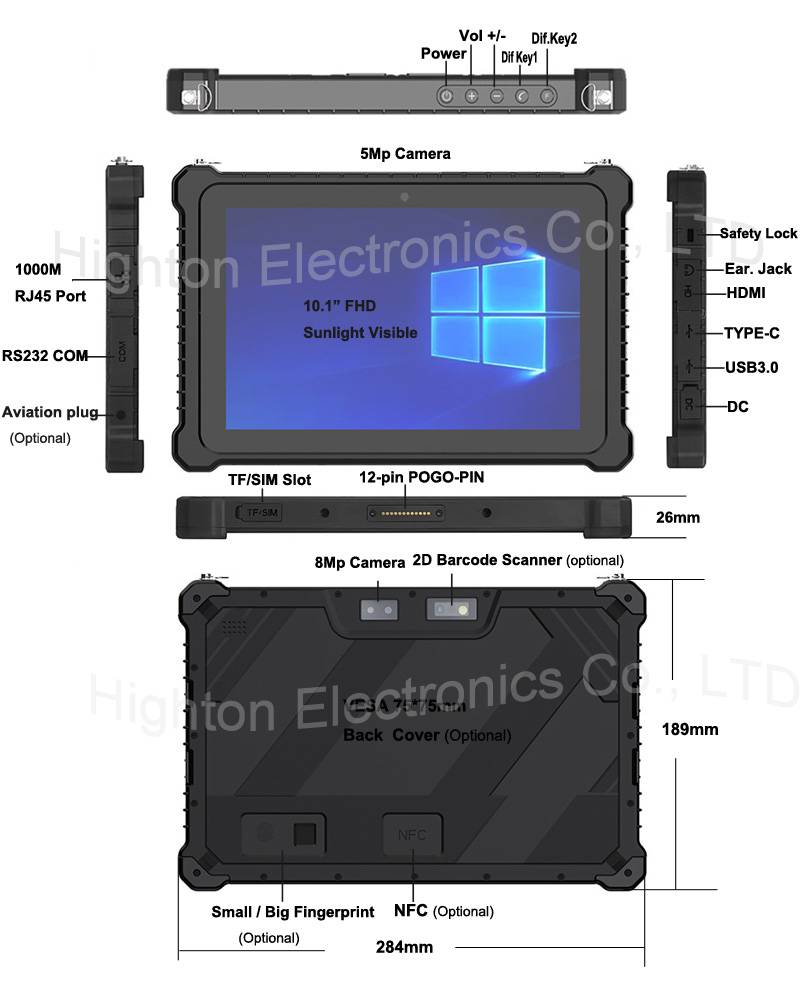
Hot Selling 10 Inch Intel N5100 I5 I7 FHD 8 +128GB 16+256GB Win10 Pro Win11 Pro 4G 5G Rugged Tablet PC Pad with NFC Barcode
Highton Electronics Co., Ltd.

Industrial and Commercial Point-Type Gas Detector
Jinan Benan Technology Development Co., Ltd.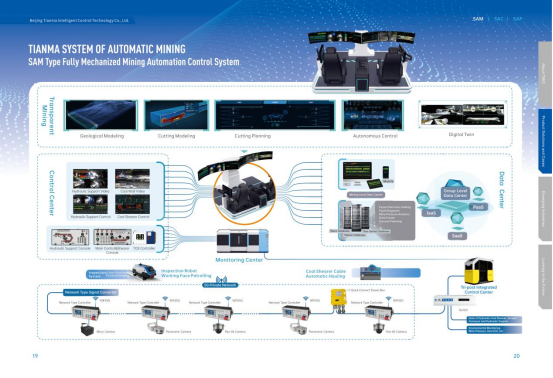
Comprehensive Mining Automation Control System
Beijing Tianma Intelligent Control Technology Co., Ltd.

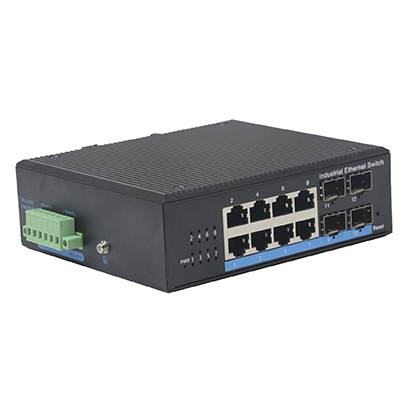
Mine Explosion-proof and Intrinsically Safe Industrial Ethernet Ring Network (10 Gigabit/Gigabit)
Chongqing Mas Sci&Tech Co., Ltd.