en.Wedoany.com Reported - Khronos Group has launched an artificial intelligence security system called Khronos Detect IA in Brazil, aimed at reducing false alarms in residential, apartment, and corporate surveillance. The system analyzes motion images captured by cameras and alarms, and when an event is detected, it sends a 30-second video clip (including 15 seconds before and 15 seconds after the alarm), helping 24-hour monitoring centers and users assess the situation more accurately to avoid unnecessary emergency responses.

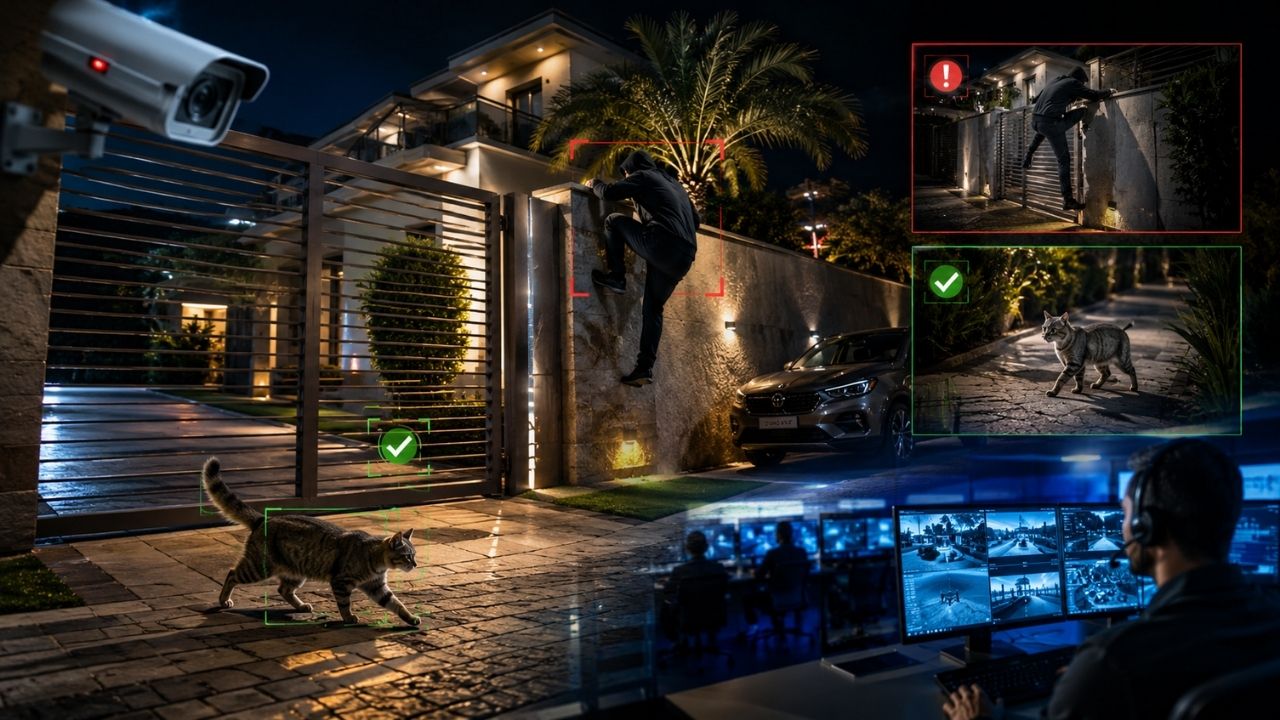
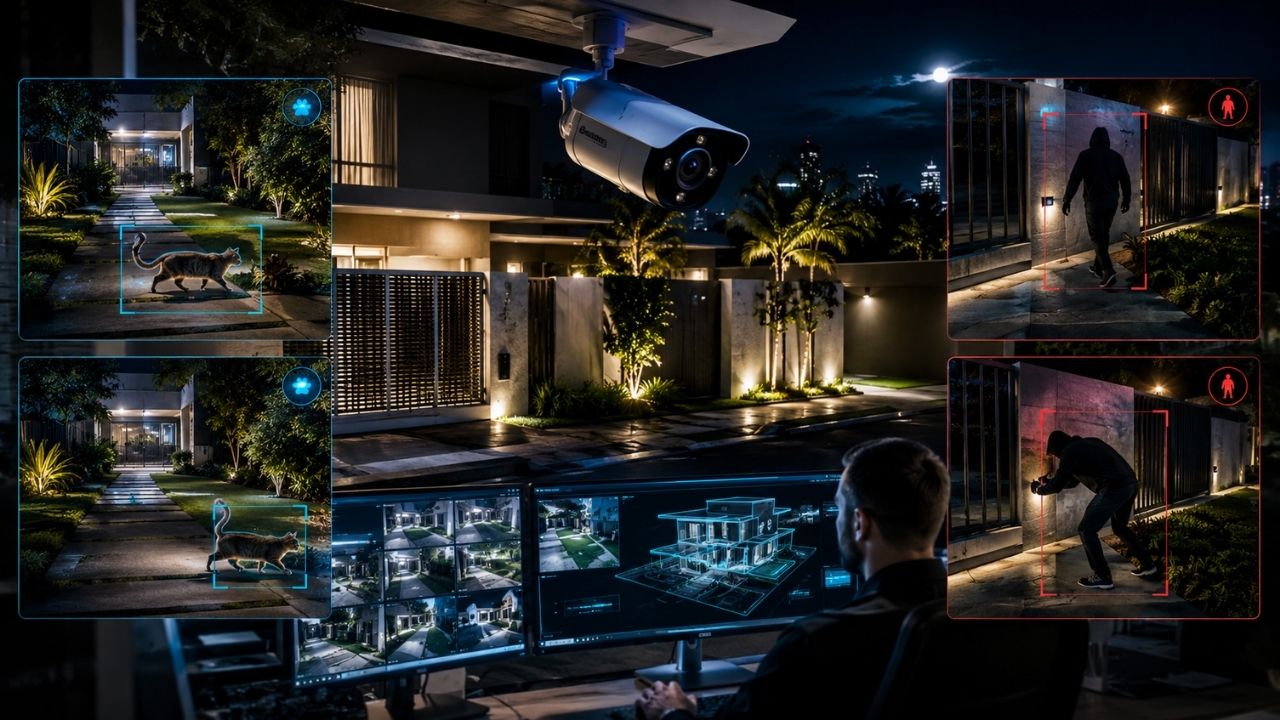
Traditional security systems rely on sensors and cameras, but pets, insects, wind-blown objects, or weather changes often trigger false alarms. Khronos Detect IA uses artificial intelligence to interpret context, attempting to distinguish animals (such as cats) from human activity, thereby reducing such erroneous triggers. The system employs a "Human Motion Detection" architecture designed to identify patterns related to human presence and behavior, rather than treating all motion as an intrusion.
On an operational level, when the system identifies a suspicious event, it sends a video clip containing 15 seconds before and 15 seconds after the event to the monitoring center and users. This design allows operators to assess whether there is a suspicious approach, natural object movement, or a genuine intrusion attempt, transforming alerts into immediate visual evidence and improving decision-making speed. The technology has been applied in residential apartments, commercial institutions, agricultural enterprises, and corporate environments, appearing in locations such as Santa Catarina, Mato Grosso, Mato Grosso do Sul, and Minas Gerais in Brazil.
The system was launched on June 26, 2026, by ND Mais in Florianópolis. Artificial intelligence is positioned here as an auxiliary layer, aimed at organizing information and reducing unnecessary alarms, without replacing human judgment. Final decisions still rely on operators and preset protocols. The launch of this solution also reflects a shift in the electronic security field from simple image recording and alarm triggering toward data interpretation, pattern recognition, and real-time decision support.
This article is compiled by Wedoany. All AI citations must indicate the source as "Wedoany". If there is any infringement or other issues, please notify us promptly, and we will modify or delete it accordingly. Email: news@wedoany.com