China's Wintech Nano Launches iWUDI™ Intelligent Closed-Loop System
en.Wedoany.com Reported - The 4th Semiconductor Third-Party Analysis and Testing Ecosystem Strategic Conference (SPATE2026), hosted by Wintech Nano, was held in Suzhou from June 25 to 26. The conference attracted over 600 enterprises and research institutions from the global semiconductor industry chain, along with nearly a thousand industry guests, covering the entire chain including chip design, wafer manufacturing, equipment and materials, packaging and testing, professional analysis and testing laboratories, AI technology companies, and university research institutions. Discussions focused on new pathways for technological innovation, ecological synergy, and high-quality development in the semiconductor industry empowered by AI technology.
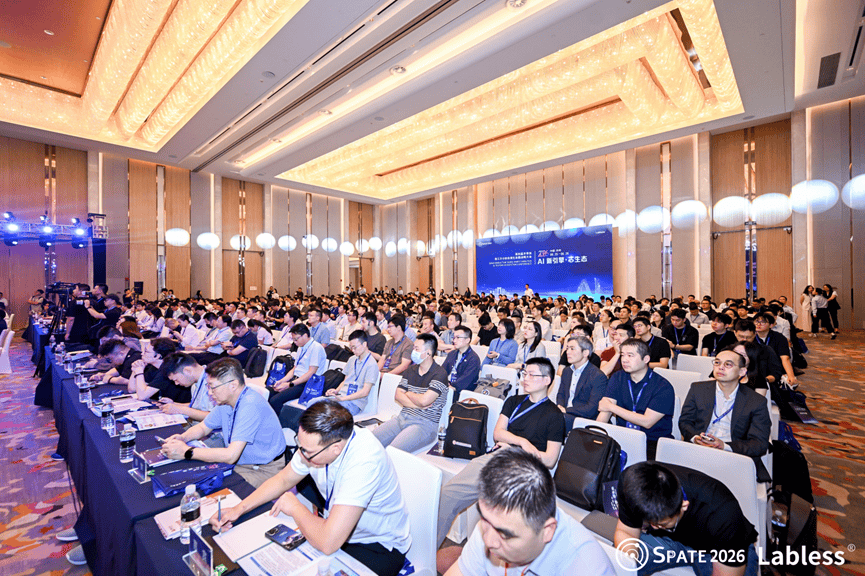
With the theme "AI New Engine · Chip Ecosystem," the conference featured a main forum, specialized technical sub-forums, strategic cooperation launch ceremonies, industry-specific exhibitions, and new product launches. It focused on directions such as AI-empowered semiconductor R&D innovation, intelligent manufacturing, precision analysis and testing, and industrial ecosystem co-building. Twenty-one industry experts and leading figures shared insights through over 20 keynote reports and special sessions, exploring the digital and intelligent transformation of the semiconductor industry and collaborative innovation across the chain.
At the conference, Wintech Nano officially unveiled its self-developed iWUDI™ intelligent closed-loop system, equipped with a semiconductor physics large model. This system integrates AI with semiconductor testing technology, providing solutions for intelligent upgrades in the industry and standing as one of the technological innovation achievements of the event.
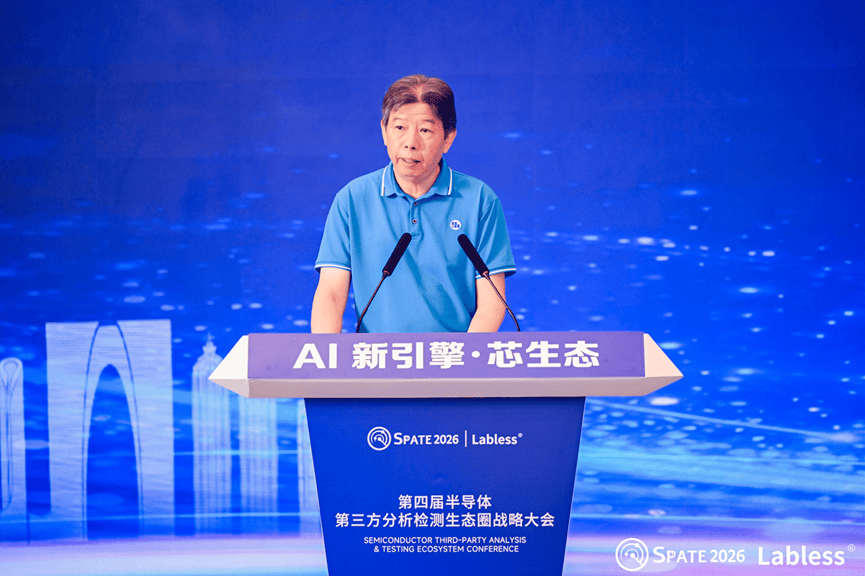
Zhang Suxin, Chairman of the Shanghai Modern Service Industry Development Research Foundation and former Chairman of Hua Hong Group, delivered a speech at the opening ceremony. He analyzed the trends of global semiconductor industry development and transformation in the AI era, sharing views on topics such as the iteration of semiconductor analysis and testing technologies, collaborative innovation across the industry chain, and breakthroughs in core technologies. He pointed out that the deep integration of AI technology with the semiconductor analysis and testing field will enhance industry R&D and testing efficiency, accelerate resource integration and collaborative innovation across the upstream and downstream chain, and promote the large-scale, high-end, and intelligent development of the domestic semiconductor industry.
At the main forum, experts and corporate representatives from 13 international equipment companies, EDA companies, chip design and manufacturing companies, advanced testing equipment companies, AI technology companies, and university research institutions—including Siemens, Yandong Micro, GrandiT, Micro Nano Core, Zhongheng Chuangke, Changchuan Technology, Hikvision, and Guoyi Quantum—shared insights around the theme "AI New Engine · Chip Ecosystem," focusing on the integration of AI technology with the semiconductor industry ecosystem and trends in collaborative innovation across the chain.
Li Xiaomin, Chairman of Wintech Nano, delivered a presentation titled "Viewing Semiconductor Development Trends Under the AI Wave from Chip Failure Analysis," sharing insights on topics such as improving semiconductor R&D efficiency under the AI technology wave, identifying complex failure mechanisms, the evolution of analysis and testing technologies, and industrial ecosystem collaboration, providing observations and judgments for collaborative innovation in the semiconductor industry chain in the AI era.
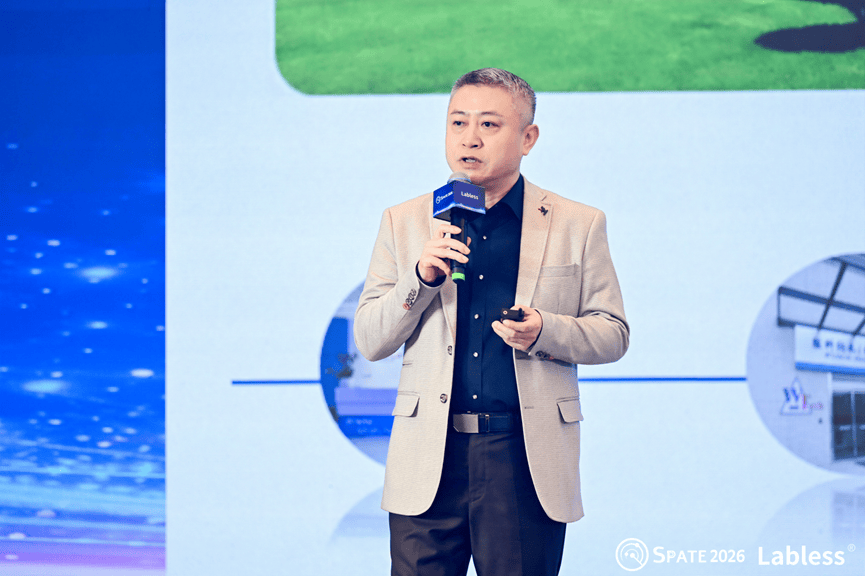
Li Xiaomin stated that the semiconductor industry has experienced at least seven regular cycles of fluctuation over the past 40 years, with the driving factors for industry transformation not being direct competitors but entirely new technological changes. He believes that the domestic semiconductor industry has passed through the design-driven cycle for mature processes and the manufacturing upgrade cycle led by AI and advanced packaging, and will now enter a new development phase driven by AI applications. The year 2026 will become a core turning point for the industry, with AI technology iteration and market landscape reshaping accelerating. Regarding trends in 2.5D and 3D stacked packaging, he noted that new packaging structures increase the difficulty of fault tracing, making failure analysis a core industry necessity. Wintech Nano has already laid out its fifth-generation production line, focusing on failure analysis for complex scenarios in advanced packaging, providing full lifecycle technical support for cutting-edge technologies like co-packaged optics.
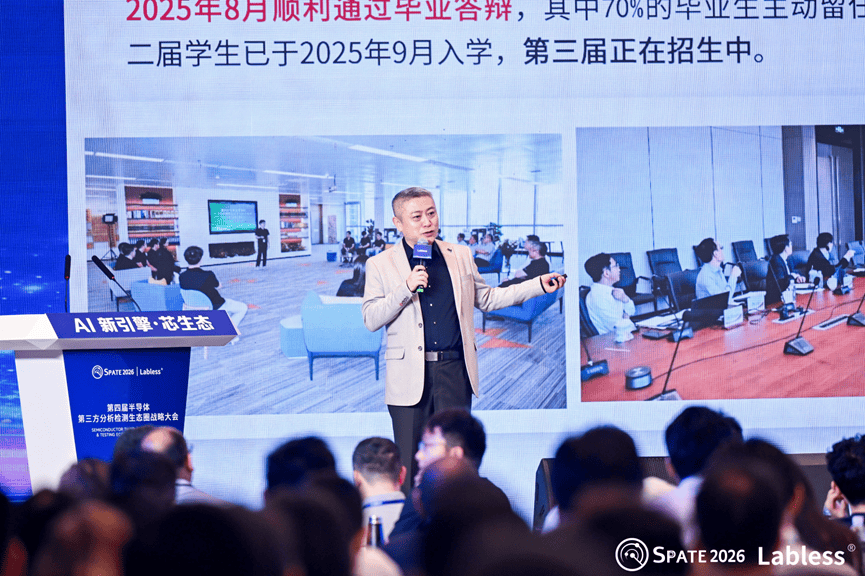
In terms of talent development, Li Xiaomin believes that AI technology iteration has rendered traditional information-gap education models ineffective, and first-principles traceability learning can adapt to the industry's pace. The logic of semiconductor failure analysis—tracing from surface phenomena to underlying problems—is the core practice of this concept. Wintech Nano has built a dedicated talent development system, with related courses recognized by the Singapore University of Technology and Design and the School of Integrated Circuits at Peking University, supplying technical talent to the industry. He stated that Wintech Nano will continue to deepen its focus on the core track of semiconductor testing, closely follow trends in AI, advanced packaging, and optoelectronics, and leverage technological innovation, services, and talent reserves to help the domestic semiconductor industry break through technical barriers.
At the conference, Wintech Nano officially launched the iWUDI™ intelligent closed-loop system, equipped with a semiconductor physics large model. This system is an AI+CIM integrated intelligent operating system developed by Wintech Nano, integrating processes, equipment, data, algorithm models, and full-chain services to build an intelligent ecosystem covering semiconductor R&D collaboration, quality control, and analysis and testing across all scenarios.
Dr. Xing Jian, Chief AI Scientist at Wintech Nano, introduced that the iWUDI™ system is a fully self-developed, semiconductor-native intelligent closed-loop system. Its core architecture consists of five modules: the WTUI digital generation management system, the NanoHub automated tool scheduling engine, the ChipMind semiconductor full-chain vertical physics large model, the WTLake industry-specific data lake, and the ChipAlliance customer-exclusive cloud service platform, forming a technical support system from interface management, tool scheduling, intelligent algorithms, and data storage to cloud services. Dr. Xing Jian stated that general large models suffer from poor industry adaptability, lack of physical logic, and insufficient professional accuracy, failing to meet the needs of the semiconductor field. The core value of the iWUDI™ system lies in its foundation on real semiconductor physical laws and high-quality WTLake data, allowing AI technology to align with practical industry scenarios. The ChipMind large model delves deeply into semiconductor vertical physical mechanisms, combined with Wintech Nano's process knowledge base, enabling expert-level analysis responses in seconds. Dr. Xing Jian emphasized that the iWUDI™ system does not touch customer real cases or use customer data for AI model training. The WTLake data foundation consists of common methodologies formed by Wintech Nano during hundreds of thousands of real physical failure tracing processes, along with systematic physical data generated from custom cutting-edge R&D projects, which are cleaned, integrated, and semantically processed to form reusable data assets.
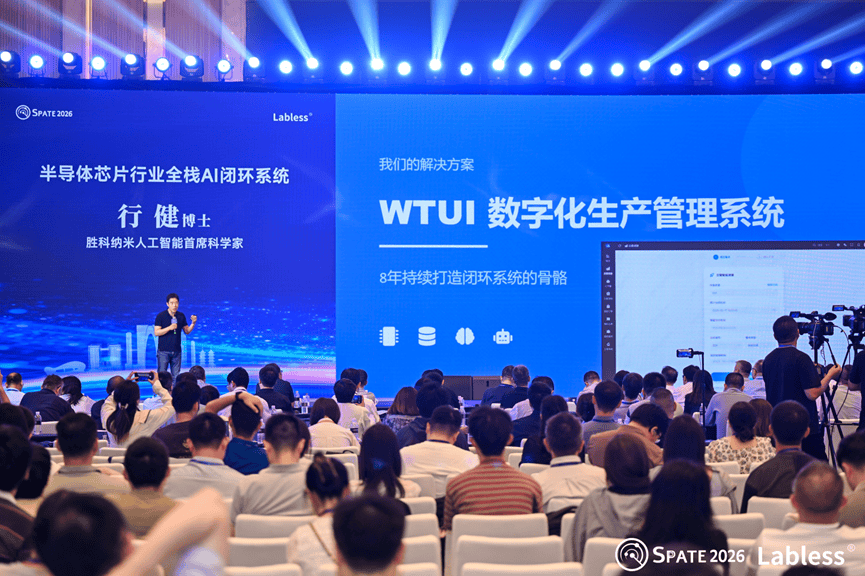
In terms of industry applications, the iWUDI™ system supports both SaaS cloud services and private deployment modes, adaptable to the needs of different entities such as third-party laboratories, semiconductor manufacturing companies, and research institutions. Beyond testing and analysis scenarios, the system can be extended through customized development to scenarios like intelligent design, intelligent production, and unmanned factories. Li Xiaomin stated that the system underwent 8 years of R&D, iterating over 200 versions, built on hundreds of self-developed digital tools, using physical algorithm models to avoid AI corpus ambiguity and cognitive hallucinations, bridging the technical gap between the physical and digital worlds. He noted that the deployment of the iWUDI™ system is a key milestone in Wintech Nano's transformation from a traditional testing service provider to an intelligent industrial service provider, aiming to reconstruct industry standards for semiconductor testing and analysis through self-developed core AI technology, shorten chip R&D trial-and-error cycles, reduce production costs, and improve chip yield. He reviewed the system's R&D journey since 2017: from solidifying expert experience, to the data cleaning phase, to developing scenario-specific small models in 2020, and finally forming a complete closed loop in 2023 by combining with large language models. Between 2024 and 2026, the team focused on strengthening the security system, enabling AI technology to empower the semiconductor industry while protecting customer privacy.
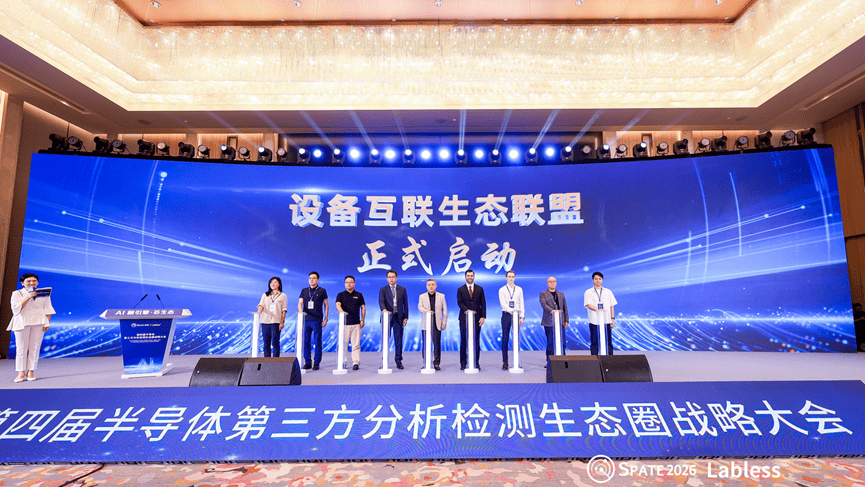
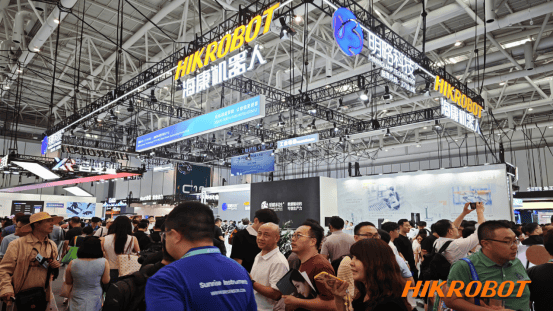
During the conference, Xinyi, 3D-MicroMAC, Guoyi Quantum, Hitachi, Wintech Nano, Thermo Fisher Scientific, ZEISS, ESPEC, and JLCPCB jointly signed the launch ceremony of the Equipment Interconnection Ecosystem Alliance. In the professional exhibition area, booths set up by Hikvision, Hitachi, Supu Instruments, Carl Zeiss, Lingguang Infrared, Thermo Fisher Scientific, Xinyi, ESPEC, Guoyi Quantum, Leica, Shanghai Precision Measurement, and Daimei Instruments attracted numerous exhibitors, corporate leaders, and industry professionals for discussions and exchanges.
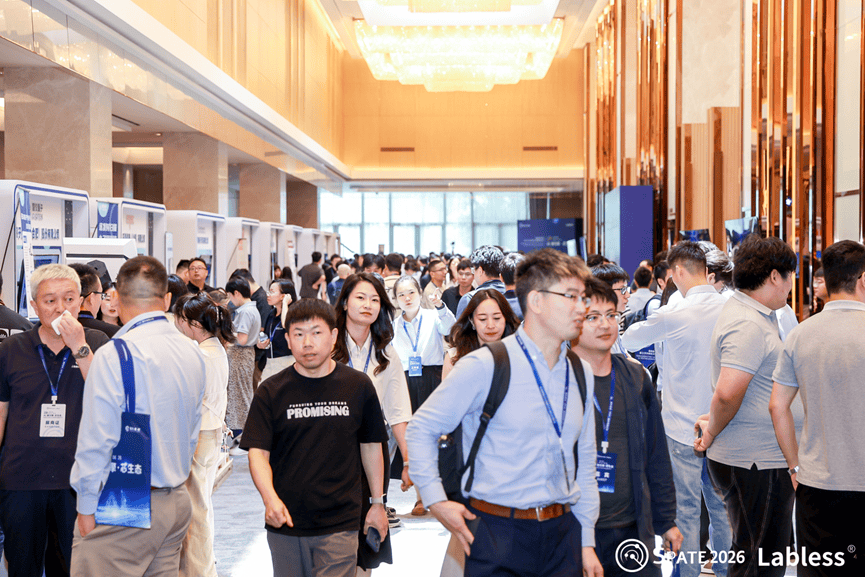
As an important exchange platform for the semiconductor third-party analysis and testing ecosystem, SPATE2026 brought together forces from multiple sectors of the industry chain to deeply discuss the iteration of analysis and testing technologies, the deployment of intelligent testing systems, and full-chain digital collaborative innovation solutions. In the future, Wintech Nano will deepen its focus on the AI-empowered testing track, continuously increase investment in intelligent testing technology R&D, deepen the integration of intelligent algorithms with physical and chemical analysis and failure analysis businesses, and collaborate with upstream and downstream partners to build a cooperation system for resource sharing and technology exchange, creating an open, collaborative, and mutually beneficial semiconductor innovation industry ecosystem.
This article is compiled by Wedoany. All AI citations must indicate the source as "Wedoany". If there is any infringement or other issues, please notify us promptly, and we will modify or delete it accordingly. Email: news@wedoany.com
Related Products


20 Inch 1600*900 Full HD 60Hz TFT LED Monitor with VGA and DP Interfaces for Desktop Computers-Business Use
Guangzhou Zanying Optoelectronics Technology Co., Ltd.
Multi-function Marine Monitoring Low-altitude Detection Radar Sea-air Boundary Ocean Dynamic Environment Measurement
Chengdu Dixin Technology Co., Ltd.
Hot Selling 10 Inch Intel N5100 I5 I7 FHD 8 +128GB 16+256GB Win10 Pro Win11 Pro 4G 5G Rugged Tablet PC Pad with NFC Barcode
Highton Electronics Co., Ltd.

Flat Portable Satellite Terminal 0.35m Aperture Manual Portable Terminal
China Starwin Science & Technology Co., Ltd.


Conveyor Belt Intelligent Monitoring System
LUO YANG WIRE ROPE INSPECTION TECHNOLOGY CO., LTD.


Comprehensive Mining Automation Control System
Beijing Tianma Intelligent Control Technology Co., Ltd.