Karlsruhe Institute of Technology Launches Hydrogen Integration Platform, Liquefying 50 kg of Hydrogen Per Day
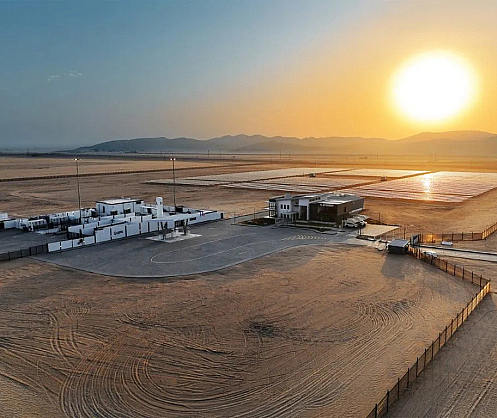
en.Wedoany.com Reported - The Karlsruhe Institute of Technology (KIT) has launched the Hydrogen Integration Platform (HIP) at its North Campus, connecting facilities and demonstration units across the entire hydrogen value chain to study how hydrogen technologies can be reliably, flexibly, and efficiently integrated into climate-neutral energy systems in the future. The platform was inaugurated on June 18, 2026, at the North Campus, home to the Energy Lab, and brings together multiple demonstration facilities for storing, distributing, and utilizing hydrogen.
"With the Hydrogen Integration Platform, we have created a highly innovative research environment at KIT because it allows us to study the interactions between various hydrogen technologies," said Professor Oliver Kraft, KIT's Vice President for Research, Teaching, and Academic Affairs. "This enables us not only to develop new solutions for climate-neutral energy systems in the laboratory but also to test them under real-world conditions."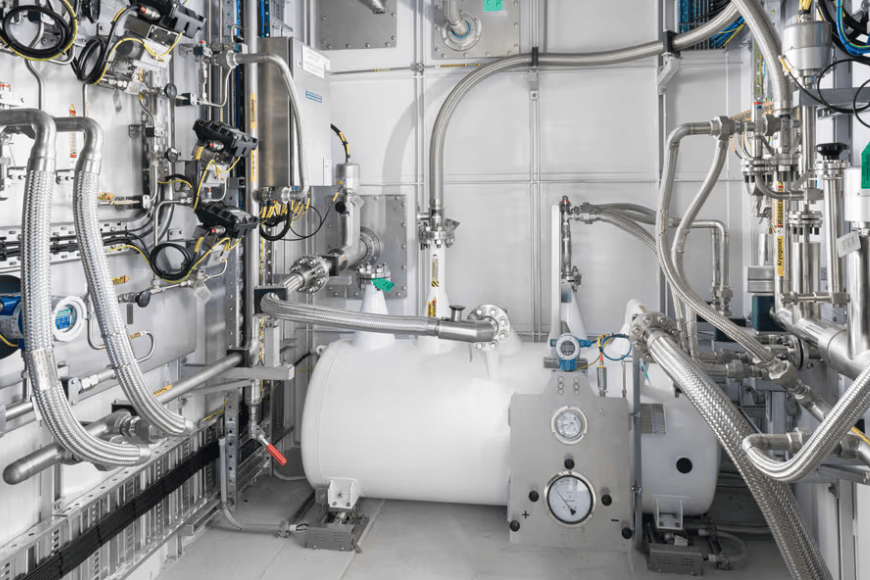
The core of HIP is Germany's largest non-commercial hydrogen liquefaction system, capable of liquefying 50 kilograms of hydrogen per day for use in KIT research projects and by external partners. The platform also features a energy storage system testing environment, real-time simulation devices for integrating storage systems into future power grids, and new electrolysis processes. Researchers plan to study hydrogen-powered rail systems under real-world conditions. "With HIP, we can test key components of the hydrogen value chain within an integrated infrastructure," explained Professor Giovanni De Carne from KIT's Institute of Technical Physics (ITEP), the future head of the facility. "This opens up new opportunities to further develop technologies in a targeted manner and tailor them to specific applications."
A test track for a hybrid energy pipeline, designed to simultaneously transport liquid hydrogen and electrical energy, is being built at the HIP site. Researchers are combining pipelines for extremely cold liquid hydrogen with superconducting cables, which transmit electrical energy almost losslessly at this temperature. This infrastructure can efficiently transport large amounts of energy over long distances, for example, from wind and solar farms or port terminals to industrial plants, airports, or logistics centers. "Hybrid energy pipelines could become compact energy highways for the future hydrogen economy," said Professor Tabea Arndt from ITEP. "The combination of hydrogen pipelines and superconducting cables enables flexible connections for energy supply, industry, and transportation." Superconducting motors for large vehicles could also benefit from combining with liquid hydrogen, which project participants plan to investigate experimentally.
With HIP, KIT has created a platform where complex hydrogen systems can be studied and further developed under real-world conditions. It enables early testing of new technologies, development of operational strategies, and analysis of their interactions with power grids and industrial applications. In the future, this research infrastructure aims to further strengthen collaboration with industry partners and help bring new hydrogen technologies to market more quickly.
This article is compiled by Wedoany. All AI citations must indicate the source as "Wedoany". If there is any infringement or other issues, please notify us promptly, and we will modify or delete it accordingly. Email: news@wedoany.com
Related Products
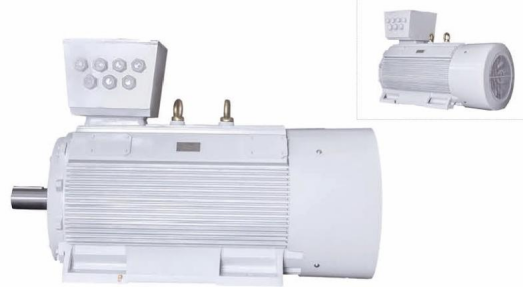

YE3 Series Low Voltage High Power Three-Phase Asynchronous Motor
Shandong Lijiu Electrical Machinery Co., Ltd.
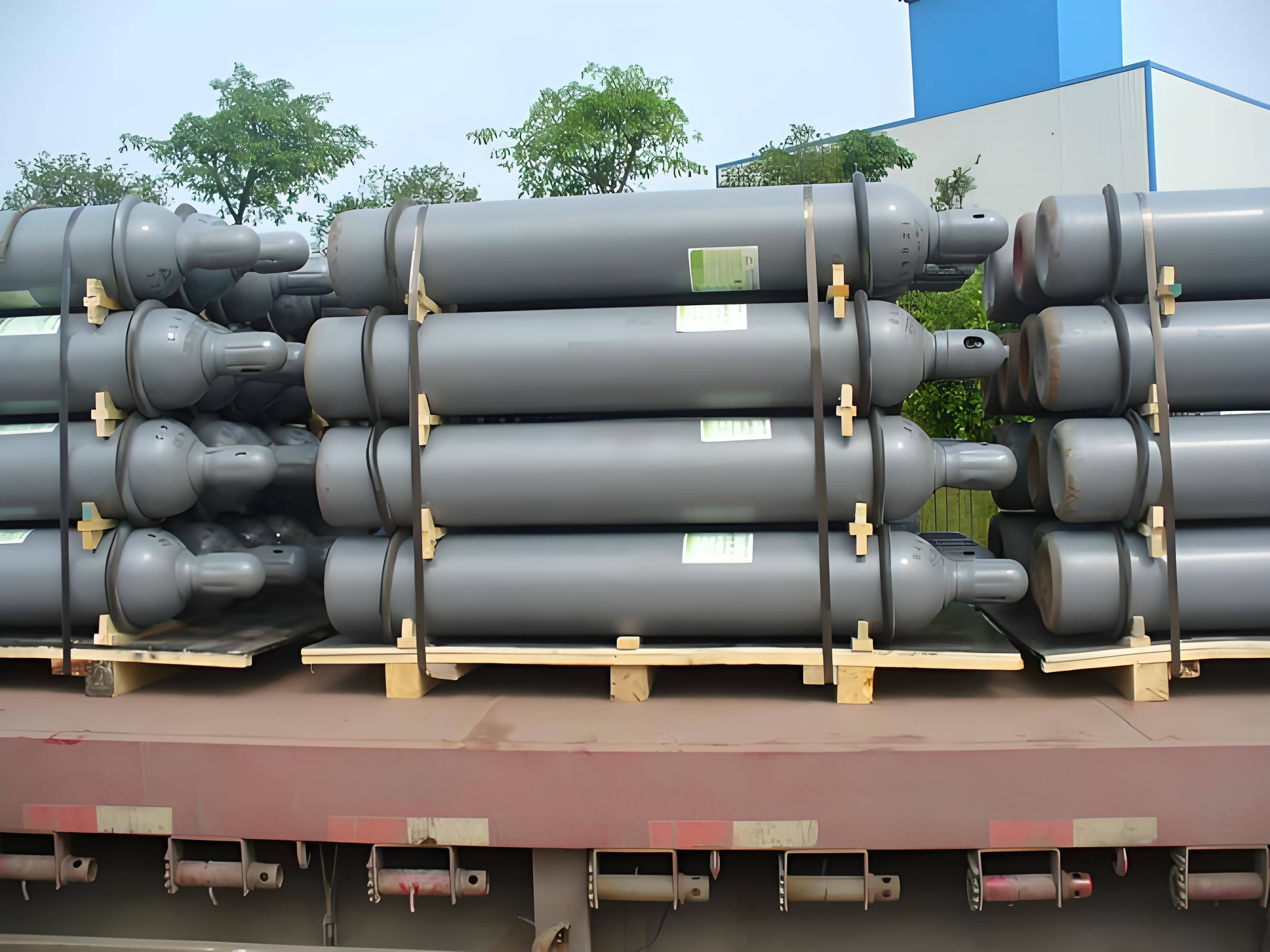
Global Sulfur Hexafluoride Gas Supply and Cylinder Export
Foshan Yuexin Industrial Gas Co., Ltd.


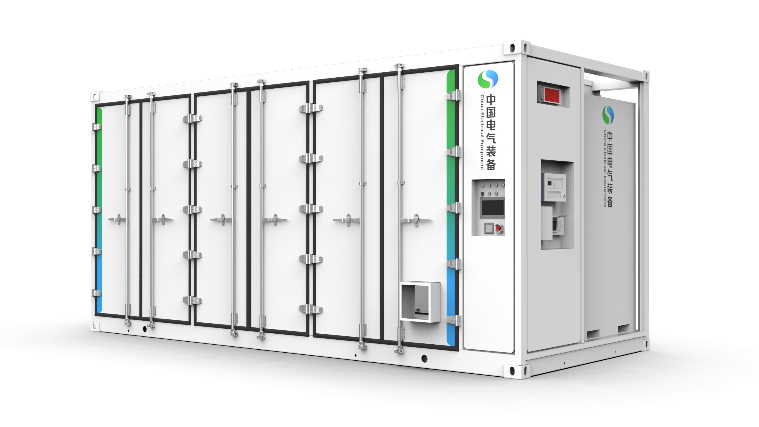
MESS8201-2507/5015-BN Prefabricated Liquid-cooled Energy Storage Battery Container
Xuchang Xuji Electric Science Energy Storage Technology Co., Ltd.
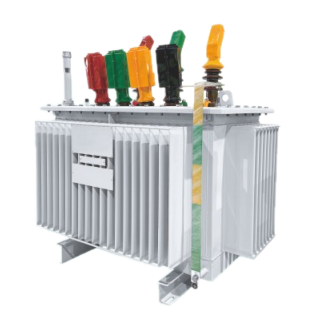
IS(B)□-M·RL Series Oil-immersed 3D Transformer (Planar / 3D Wound Core)
Guangdong Kehua Electric Power Technology Co., Ltd.