Spartan Metals Reports Silver Grade of 1,927 g/t at Antelope Mine, Nevada, USA
en.Wedoany.com Reported - Spartan Metals Corp. has announced the results of recent sampling at the Antelope Mine, located within the Rees mining district of its wholly-owned Eagle Project in Nevada, USA. A backpack core drilling sample returned 688 g/t silver over 0.3 meters, accompanied by 0.67% copper, 1,336 ppm arsenic, and 0.30% antimony.
Surface rock sampling results were also notable, with multiple samples exceeding 1,000 g/t silver, including values of 1,510, 1,779, 1,927, 1,569, 1,674, and 1,234 g/t. Additionally, seven samples returned antimony values exceeding 0.2% (2,000 ppm), with peak values of 0.67%, 0.61%, 0.58%, 0.21%, 0.21%, 0.23%, and 0.25%. Five samples also exceeded 1% copper, including 1.64%, 1.46%, 1.48%, 1.83%, and 1.10%. These surface sampling results delineate a mineralized zone approximately 1.3 kilometers by 0.6 kilometers, significantly larger than the historical pit extent, which measured only about 50 meters along strike.
Brett Marsh, President and CEO of Spartan, stated that the grades returned from the backpack core drilling and surface sampling program demonstrate the strength of the Antelope Mine's mineralizing system and have significantly expanded the understanding of its potential scale. He noted that the occurrence of multiple silver values exceeding 1,000 g/t, accompanied by high antimony and copper, across a mineralized footprint of approximately 1.3 kilometers by 0.6 kilometers is far larger than the historical mining extent of only about 50 meters. Marsh also emphasized that the presence of silver, antimony, and copper over such a broad area highlights the previously unrecognized potential for a larger mineralizing system at the Antelope Mine; from a strategic perspective, the occurrence of antimony is increasingly important for U.S. critical mineral and national security initiatives. These results continue to support the company's exploration model for the Eagle Project and reinforce the potential for multiple mineralizing systems within the project area.
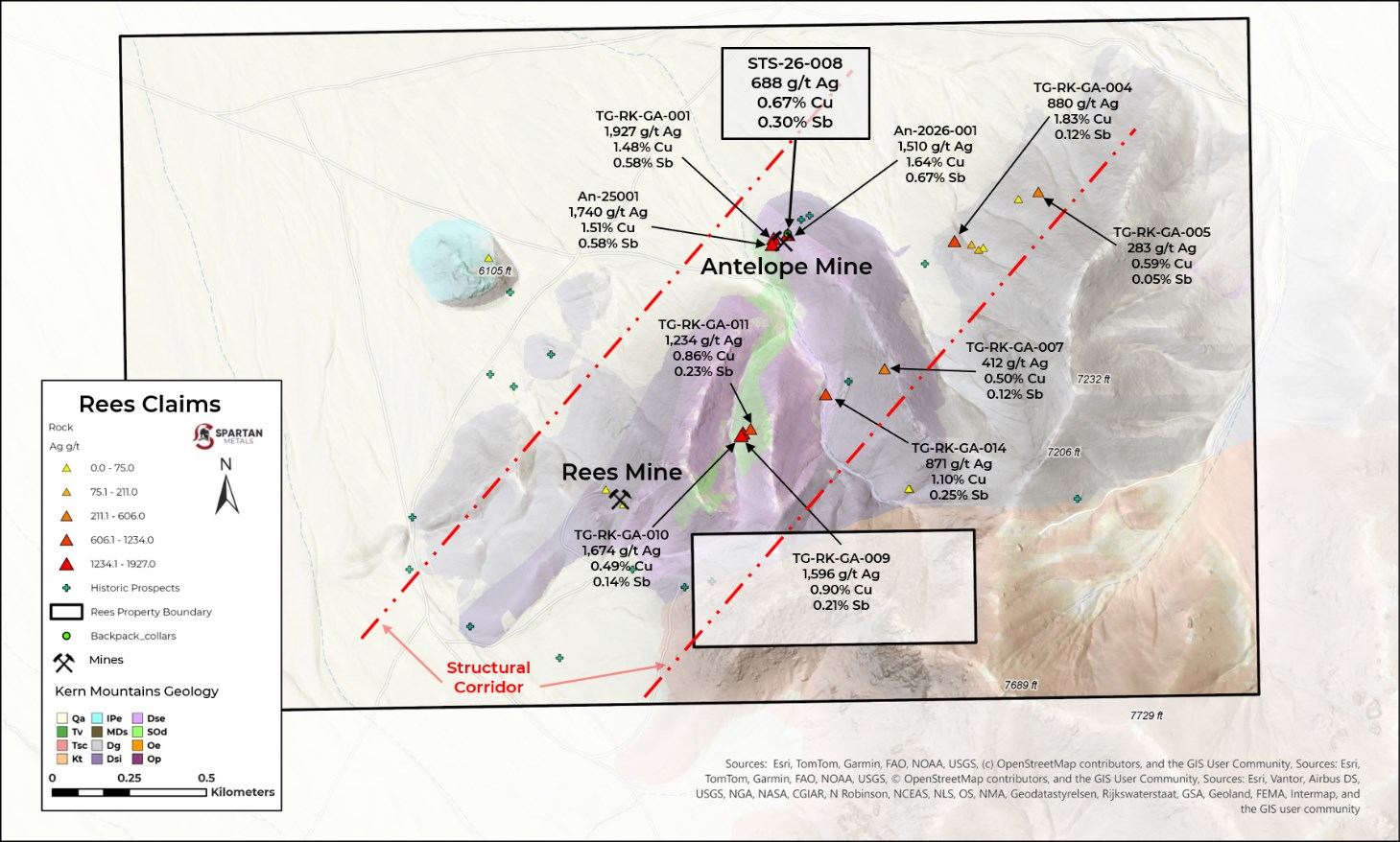
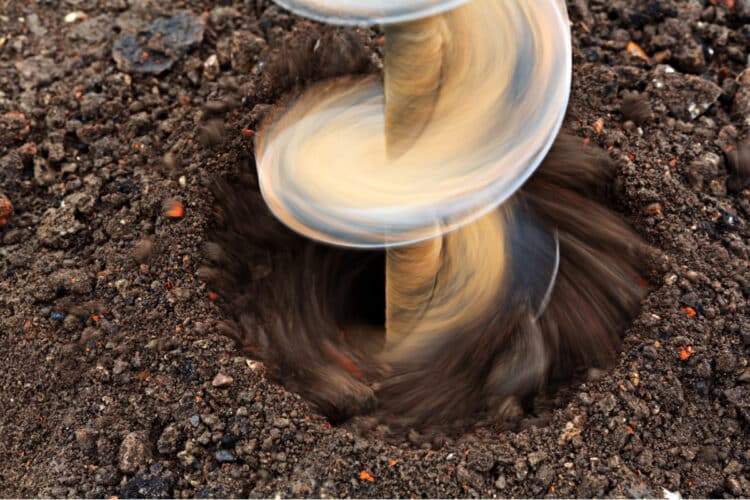
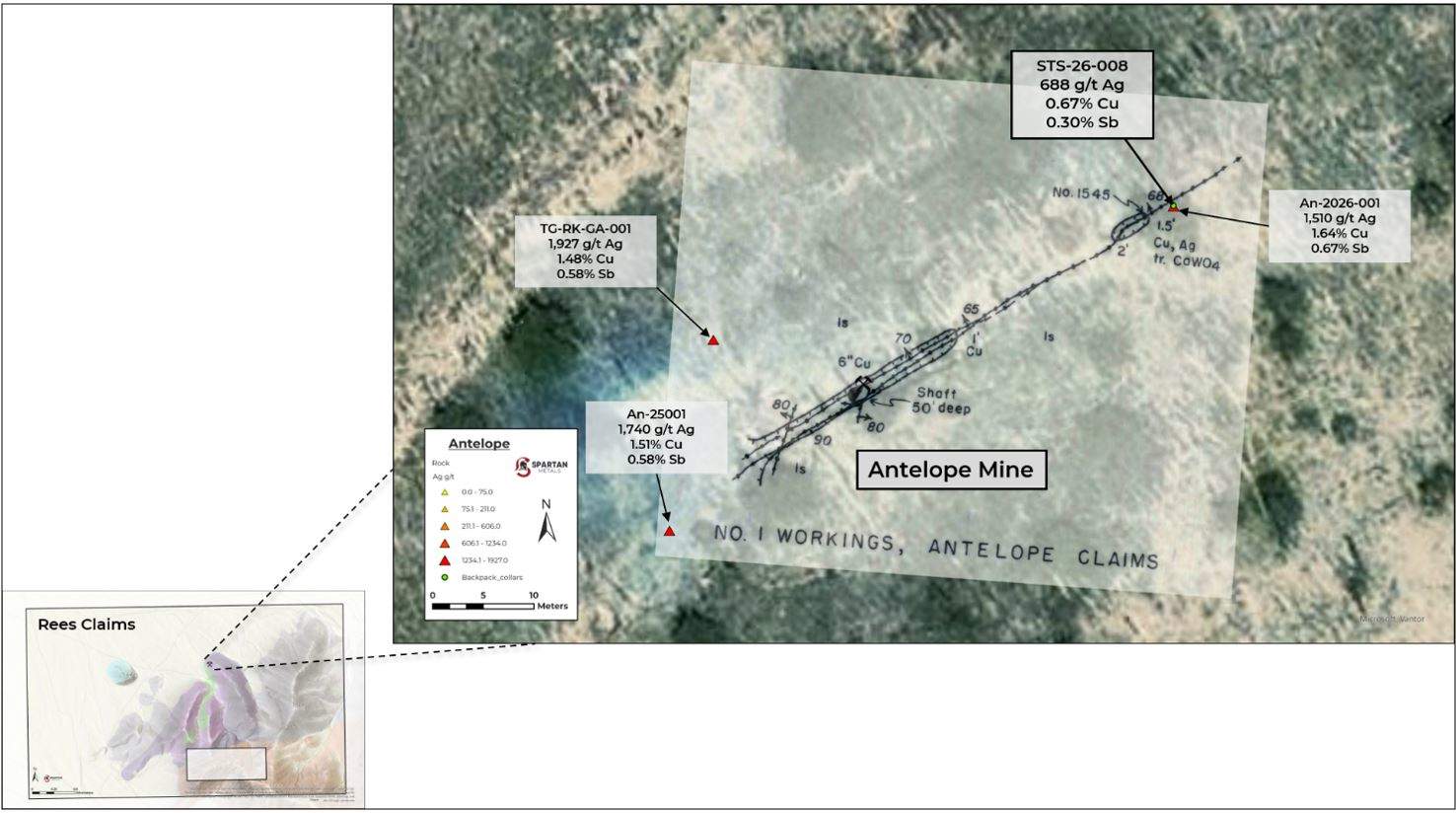
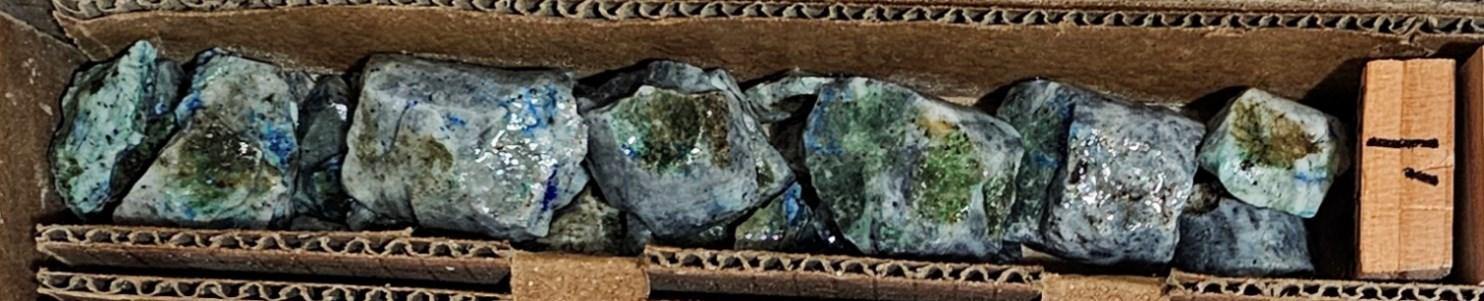
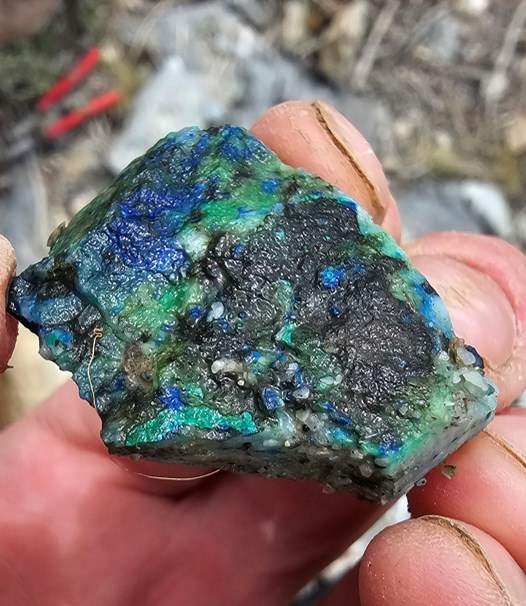
This backpack drilling and surface sampling program is part of the exploration plan announced by the company on May 21, 2026. The portable backpack diamond drilling recovered core with a diameter of 36.4 mm, and rock chip or channel sampling was conducted to rapidly assess potential drill targets before mobilizing a larger diamond drill rig. Specifically, drill hole STS-26-008 was collared at the surface outcrop of the Antelope vein, approximately 30 meters from the adit portal, and entered the vein for about 0.3 meters before drilling was suspended due to weather; the true thickness or width of the mineralization requires further definition. Sample An-2026-001, a channel sample from surface vein material near historical workings, returned exceptionally high silver values along with high antimony and copper concentrations, potentially indicating proximity to larger-scale silver mineralization. The Ag-Sb-As mineral assemblage observed in both samples is consistent with the mineralization described in historical production records. Other rock chip samples collected during the 2024 and 2025 field programs also showed significant Ag, Cu, Sb, and As vein mineralization within an area of approximately 1.3 kilometers by 0.6 kilometers.
Regarding next steps, Spartan will continue to execute its 2026 exploration program. Specific work includes: conducting soil and rock surface sampling of the property obtained in November 2025 to expand tungsten, silver, and rubidium soil anomalies; continuing sampling and backpack drilling at the Rees mining district to cover the historically productive Rees tungsten mine and the Antelope mine area; evaluating the geophysical program at the Rees mining district; conducting ground geophysical surveys at the Tungstonia mine and Yellow Jacket to determine vein depth and potential mineralization; and planning approximately 3,000 meters of diamond core drilling on high-priority targets starting in early to mid-August.
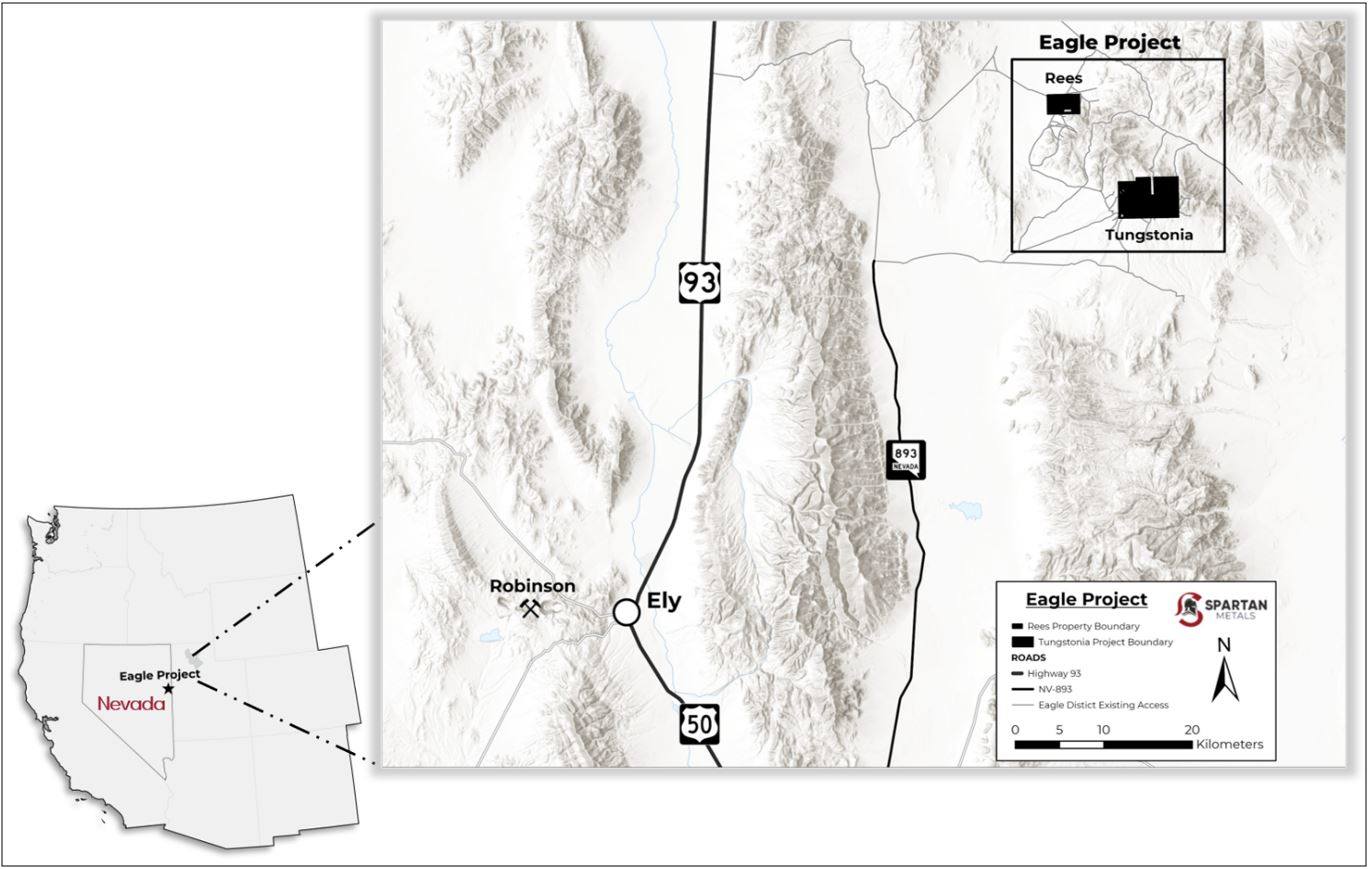
The Eagle Project is located in the Kern Mountains, White Pine County, Nevada, covering approximately 36.5 square kilometers (9,033 acres) and comprising 445 unpatented lode mining claims on Bureau of Land Management (BLM) land. The project historically produced high-grade tungsten from the Tungstonia, Yellow Jacket, and Rees/Antelope mines (W-Cu-Ag), with total production of 8,379 metric ton units at grades between 0.6% and 0.9% WO₃. The project hosts three deposit types: porphyry, skarn, and carbonate replacement, with a focus on significant grades of tungsten, silver, and rubidium, as well as associated metals. Spartan Metals Corp. is a company focused on developing critical mineral projects in the western United States, with a primary focus on building a diversified portfolio of strategic defense minerals including tungsten, rubidium, antimony, bismuth, and arsenic. The samples were analyzed by American Assay Lab (AAL) in Sparks, Nevada, using method IO-4AB51, a 51-element suite, with determination by four-acid digestion followed by ICP-OES and ICP-MS. Technical information was supervised, compiled, and approved by the company's President and CEO, Brett R. Marsh (CPG), who is a Qualified Person as defined by National Instrument 43-101.
This article is compiled by Wedoany. All AI citations must indicate the source as "Wedoany". If there is any infringement or other issues, please notify us promptly, and we will modify or delete it accordingly. Email: news@wedoany.com
Related Products
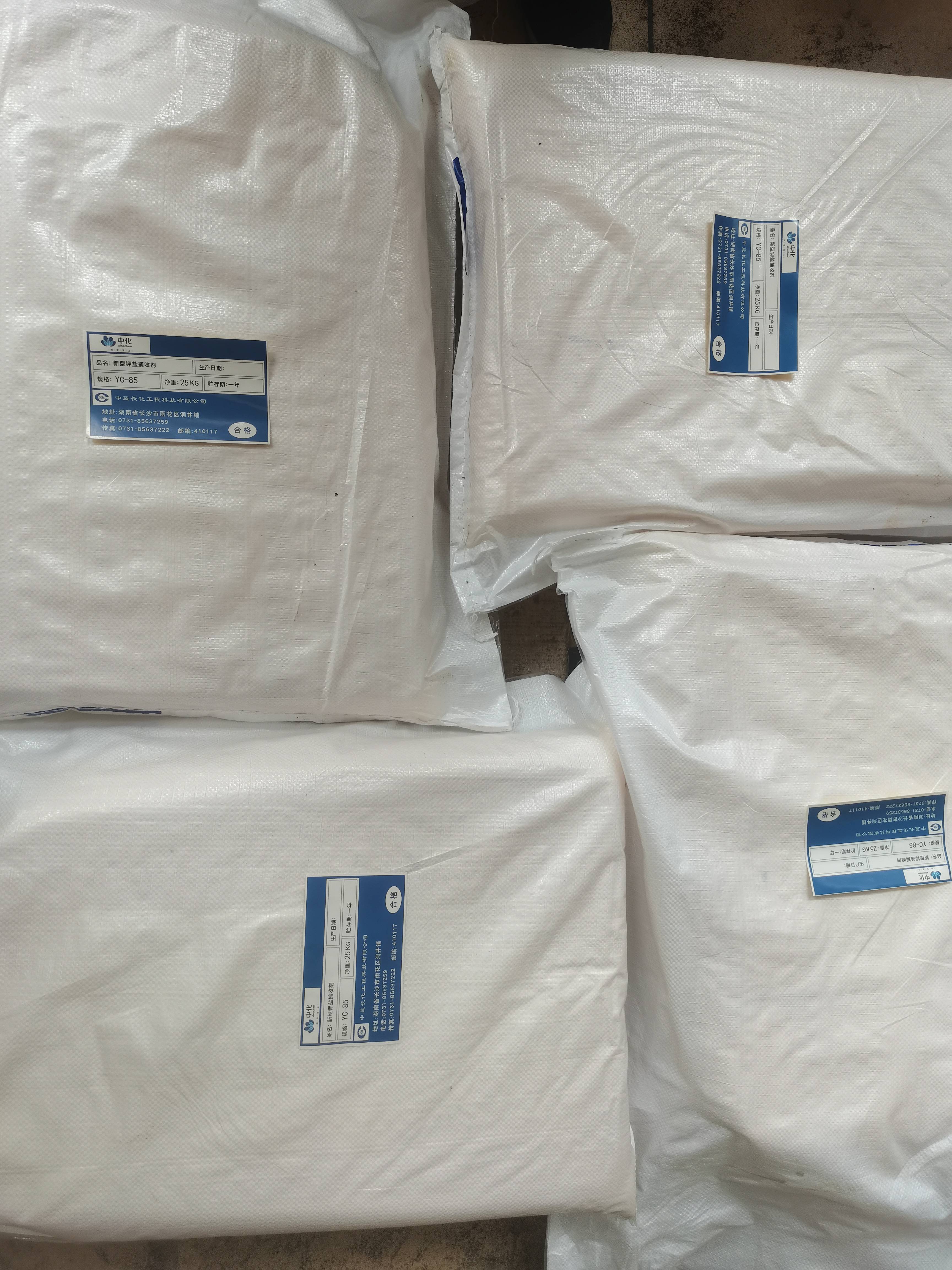

New Environmentally Friendly Green Potassium Salt Collector
Chonfar Engineering and Technology Co., Ltd.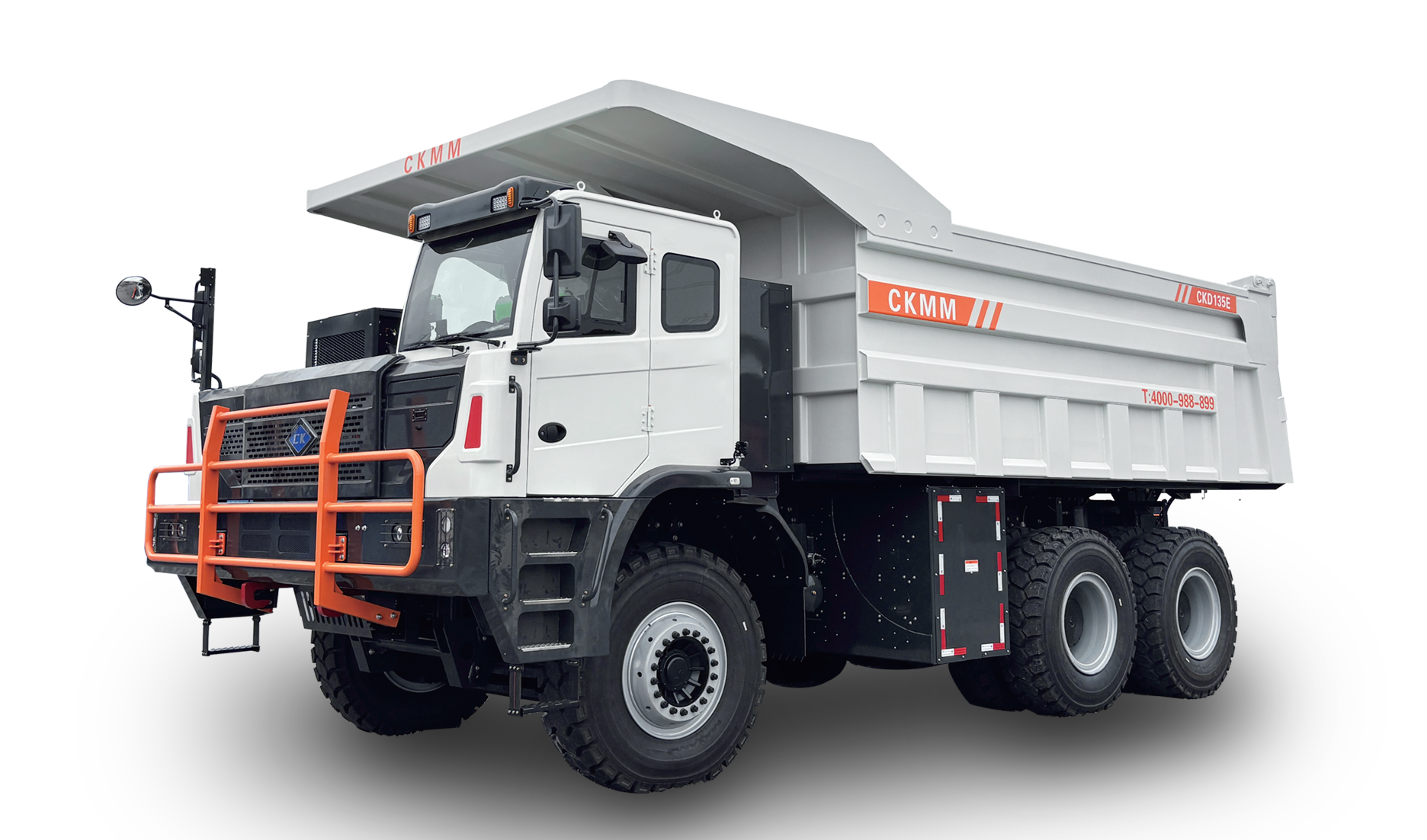
CKD135E Pure Electric Wide-body Dump Truck
Jiangsu Changkuang Engineering Machinery Co. Ltd.
Comprehensive Mining Automation Control System
Beijing Tianma Intelligent Control Technology Co., Ltd.
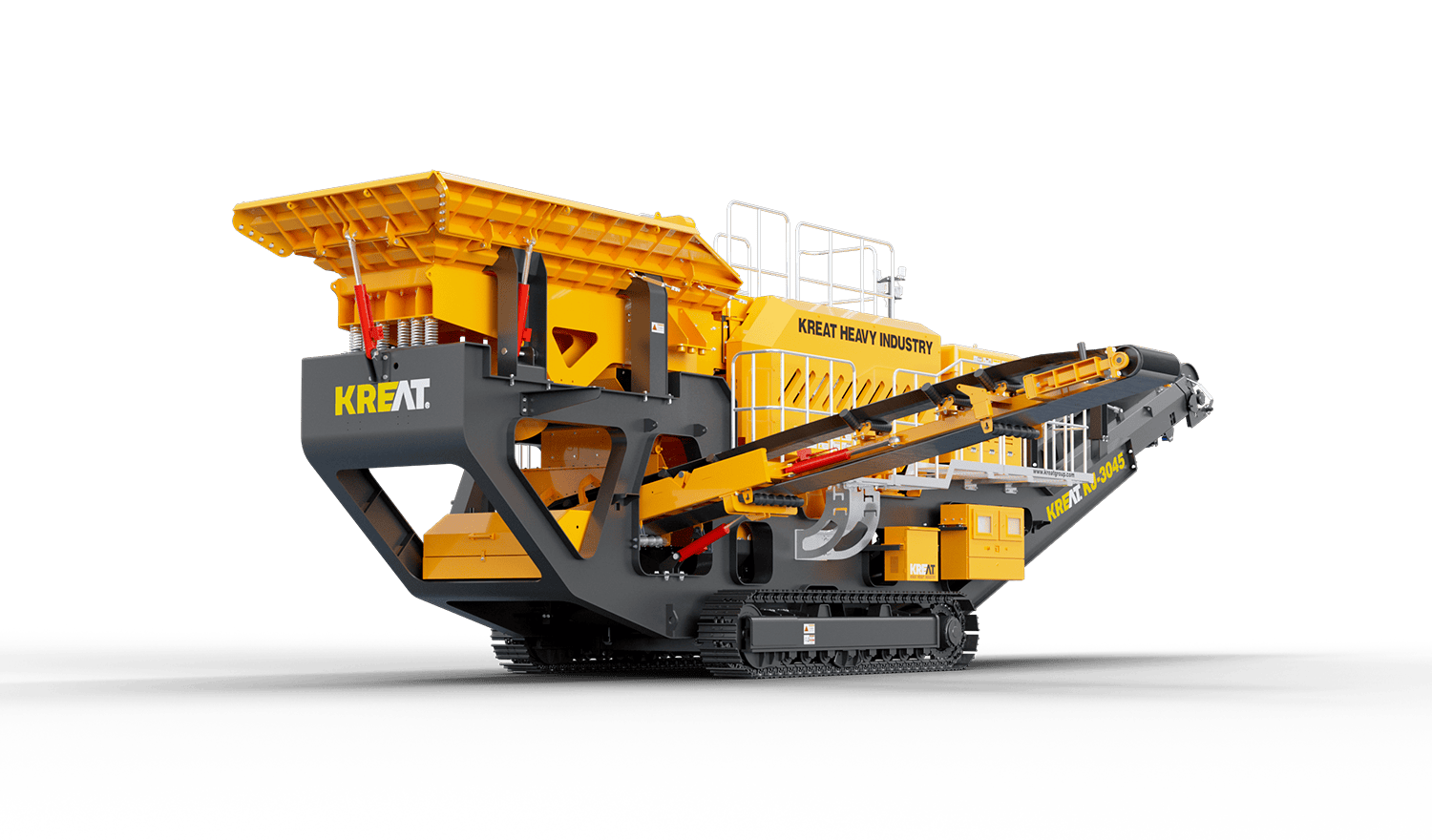
KJ-3045 Crawler Mobile Jaw Crushing Station
Yunnan Kairuite Construction Machinery Equipment Co., Ltd.
Core Technologies of the Mining Technology and Equipment Business Unit: Efficient Mining Methods and Processes
CHANGSHA INSTITUTE OF MINING RESEARCH CO., LTD.