China Power Construction Nuclear Power Company's Huanneng Dezhou Project Achieves Four Major Milestones in 18 Days
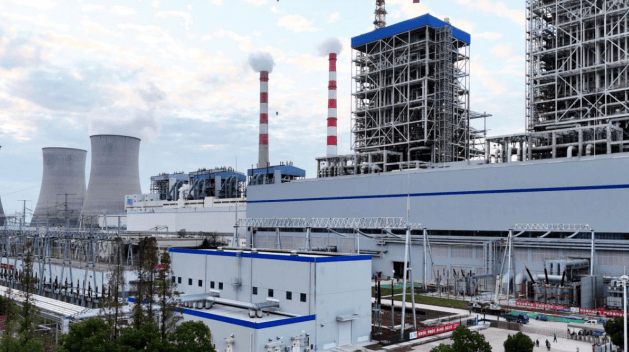
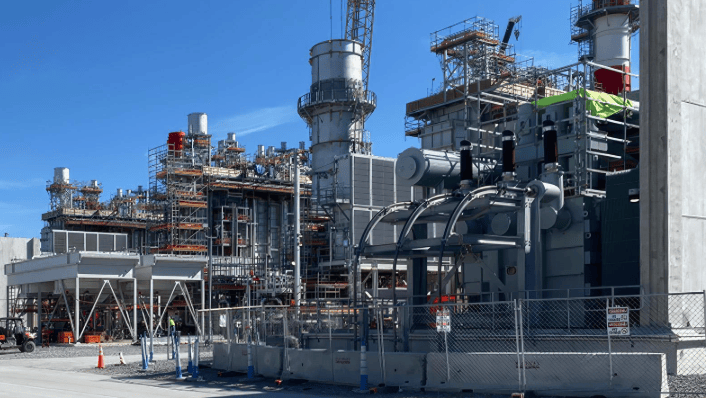
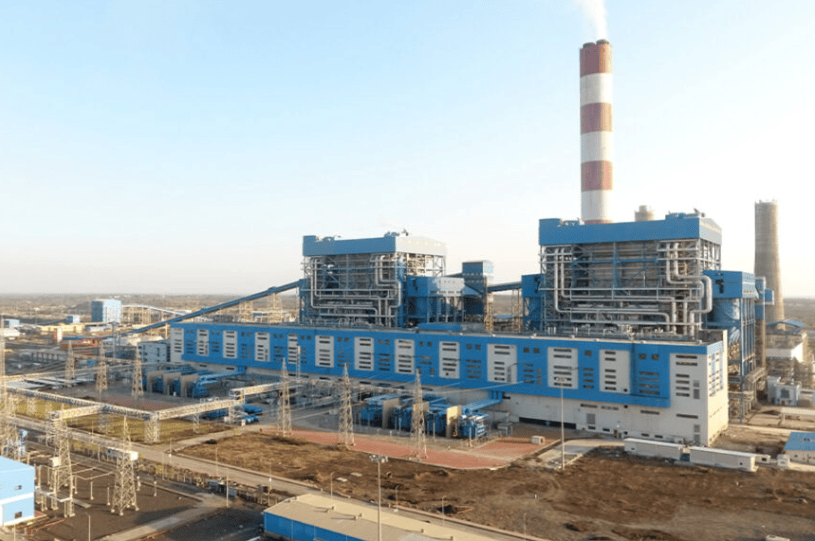
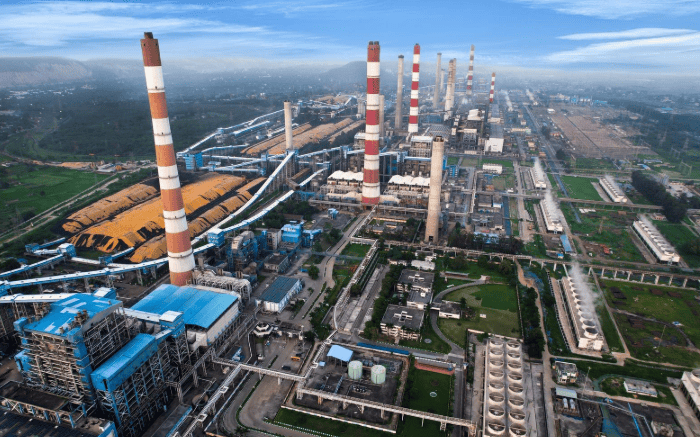
en.Wedoany.com Reported - The Huanneng Dezhou Power Plant High-Flexibility Clean and Efficient 2×660 MW Cogeneration Project has successfully achieved four major milestones within 18 days. As a key project under Shandong Province's "14th Five-Year Plan" for energy development, the project has a total investment of approximately 7 billion yuan and plans to build two 660 MW ultra-supercritical cogeneration units, utilizing China's most advanced high-parameter, large-capacity, low-emission technology. Upon completion, it will generate 5.28 billion kWh of electricity annually, supply 470 tons of industrial steam per hour at full boiler load, and meet the winter heating needs of over one million residents in Dezhou City. This project is significant for Shandong Province's "suppressing small and developing large" strategy to phase out outdated capacity, optimize the regional energy structure, ensure residential heating and electricity supply, and promote green and low-carbon transformation.
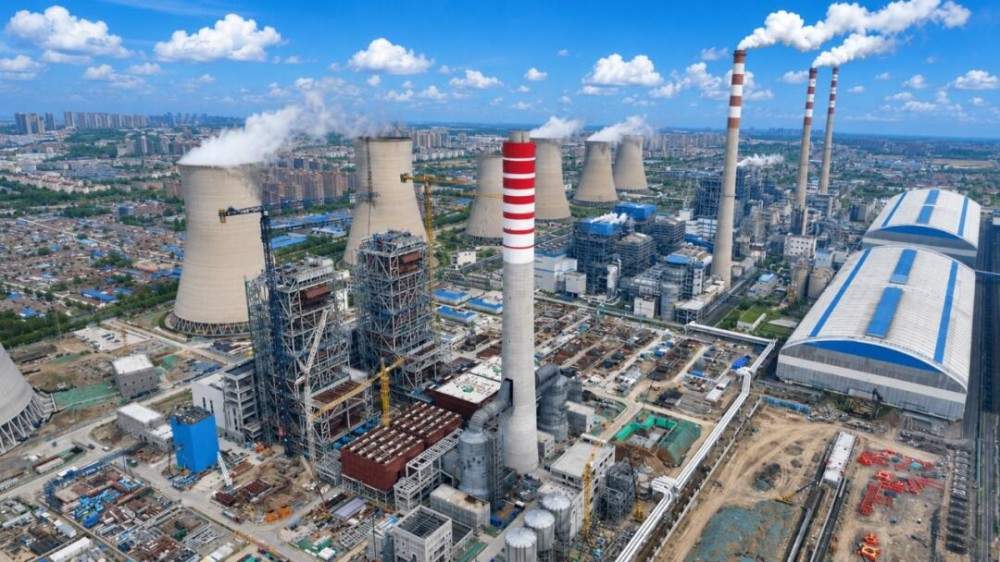
The project is constructed by China Power Construction Nuclear Power Company. Generations of builders have worked tirelessly here, forging the "Hualu Spirit" of "dedication, scientific progress, and striving for excellence," which has become the hallmark of the project team's approach to overcoming challenges. The company has deployed an experienced management and technical team, carrying forward this fine tradition to build a benchmark project, achieving dense milestones and high-quality project outcomes.
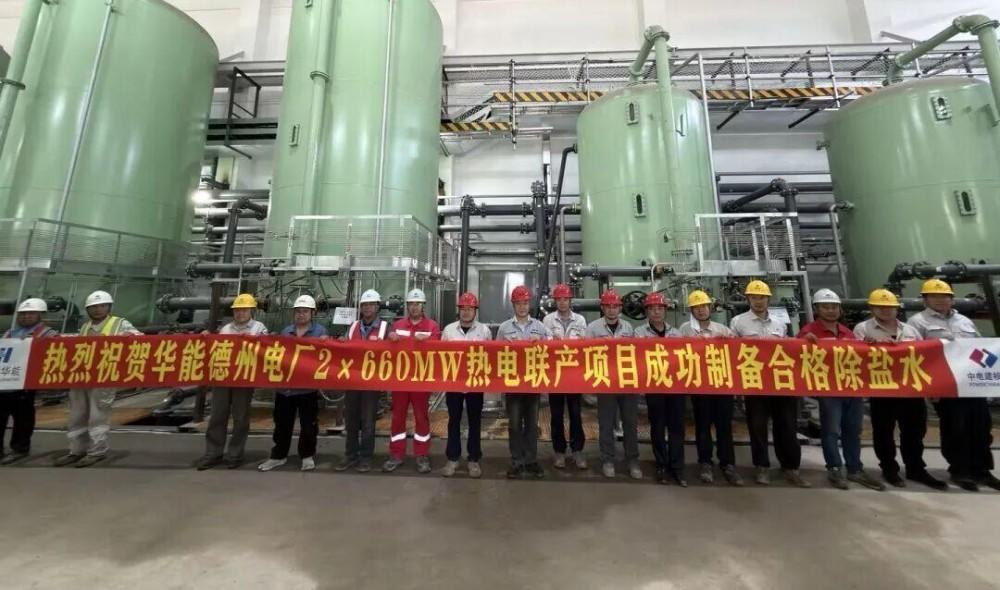
On June 5, the project's chemical water treatment system successfully completed full-process commissioning, producing qualified desalinated water in a single attempt, marking that the plant's water treatment auxiliary facilities are fully ready for operation. The company's project department coordinated the entire chain of work in advance, including equipment installation, pipeline flushing, chemical dosing, and online monitoring system integration, organizing multiple rounds of technical briefings and simulation drills with technical, construction, and supervision teams. Detailed water quality testing and emergency response plans were refined. Tests showed that all water quality indicators of the system's output exceeded unit operation standards, ensuring a reliable supply of high-quality desalinated water for subsequent boiler hydrostatic tests and unit step-by-step commissioning.
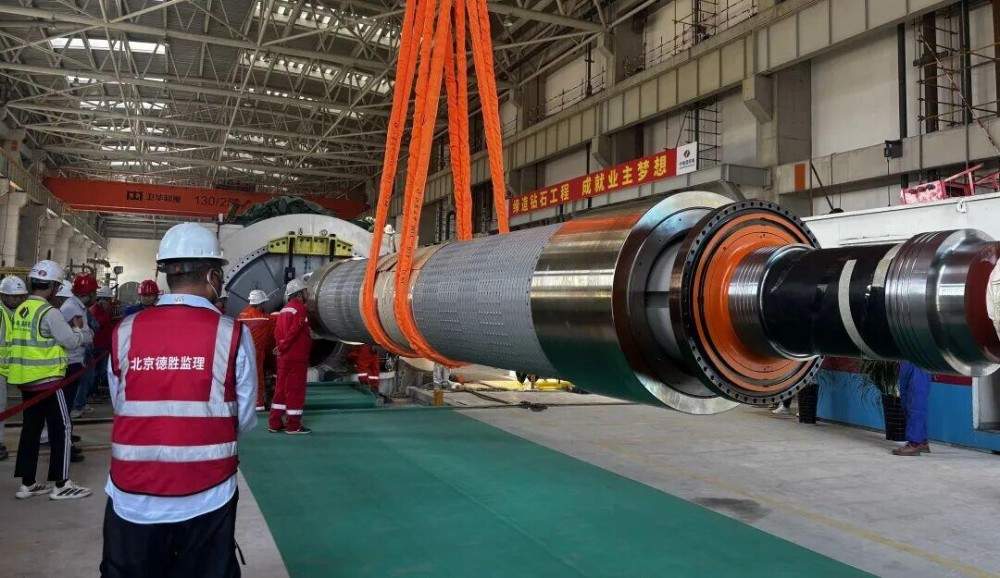
On June 11, the generator rotor was smoothly inserted into the stator bore under precise lifting command, achieving accurate positioning in a single attempt, marking the completion of the turbine generator body installation. Rotor insertion is one of the most precision-demanding and high-risk steps in turbine installation. The project department established a dedicated task force, repeatedly verifying lifting loads, track levels, and alignment data, and innovatively adopted a "dual-person monitoring, phased advancement, real-time tracking" construction method. Owners, supervisors, lifting, and electrical professionals provided full-time oversight, ensuring a flawless insertion process. This milestone created prerequisites for subsequent oil circulation and electrical tests, transitioning the turbine island installation into a new phase.
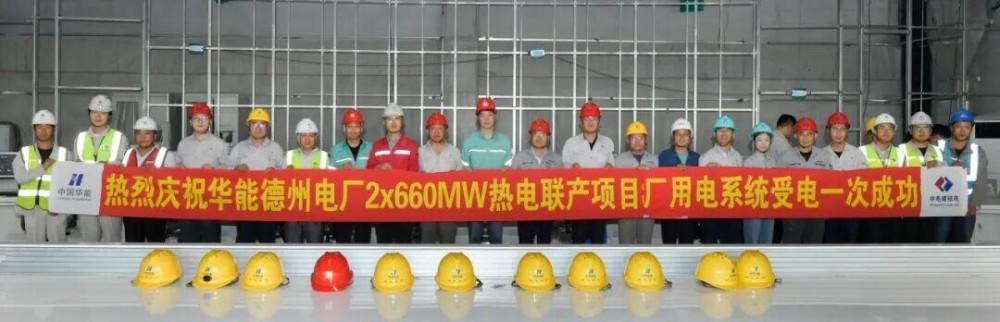
On June 17, as indicator lights on the main control room equipment stabilized, voltage, current, and protection device parameters across the station operated smoothly and normally, and the auxiliary power system's reverse power transmission operation succeeded in a single attempt, fully enabling independent power supply for commissioning. Reverse power transmission is a core prerequisite for unit commissioning, directly affecting reliable power supply for plant lighting, lifting, auxiliary equipment, and test devices. The project department previously completed over a thousand tests, including high and low voltage distribution equipment calibration, cable insulation testing, protection setting value configuration, and interlock logic verification. Jointly with the owner, grid company, and supervision unit, full-process simulation operations for power reception were conducted, ensuring a "zero-error, zero-failure" standard for the successful power reception.
On June 22, the overall boiler hydrostatic test was successfully completed. The primary and secondary systems underwent stepwise pressurization and pressure holding with no leaks, deformation, or abnormalities, and pressure drop values far exceeded national standards, passing acceptance in a single attempt. The hydrostatic test is a critical step to verify the pressure-bearing performance of boiler heating surfaces, pipes, and welds. The construction team strictly followed standardized processes, completing preparatory work such as heating surface cleaning, system sealing, and instrument calibration in advance. Over a hundred inspection points were scientifically divided, with a thorough check of every weld, flange, and valve sealing point. All boiler pressure-bearing components met design requirements, indicating that the boiler body installation quality fully meets standards, marking a key step toward the unit's overall startup goal.
Achieving four major milestones in 18 days, all tasks were completed successfully in a single attempt. Facing challenges such as summer heat, multi-disciplinary cross-operations, and high construction difficulty, the project department deepened the "Party building + project" integration mechanism, strictly implemented leadership duty, daily scheduling, and problem closure systems, fully executed the company's standardized construction management system, and scientifically coordinated human, machinery, and material resources for staggered construction. The vast team of builders carried forward the "Hualu Spirit," battling high temperatures and working day and night on the construction front line.
This article is compiled by Wedoany. All AI citations must indicate the source as "Wedoany". If there is any infringement or other issues, please notify us promptly, and we will modify or delete it accordingly. Email: news@wedoany.com
Related Products
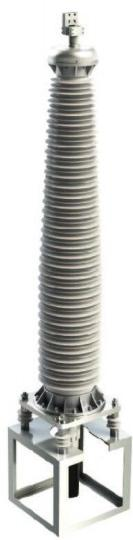

220kV Composite Outdoor Cable Terminal
Shenyang Guolian Cable Accessories Manufacture Co., Ltd.
Hydrogen Production Technology: Hydrogen Purification by Pressure Swing Adsorption
Chengdu Yizhi Technology Co., Ltd.
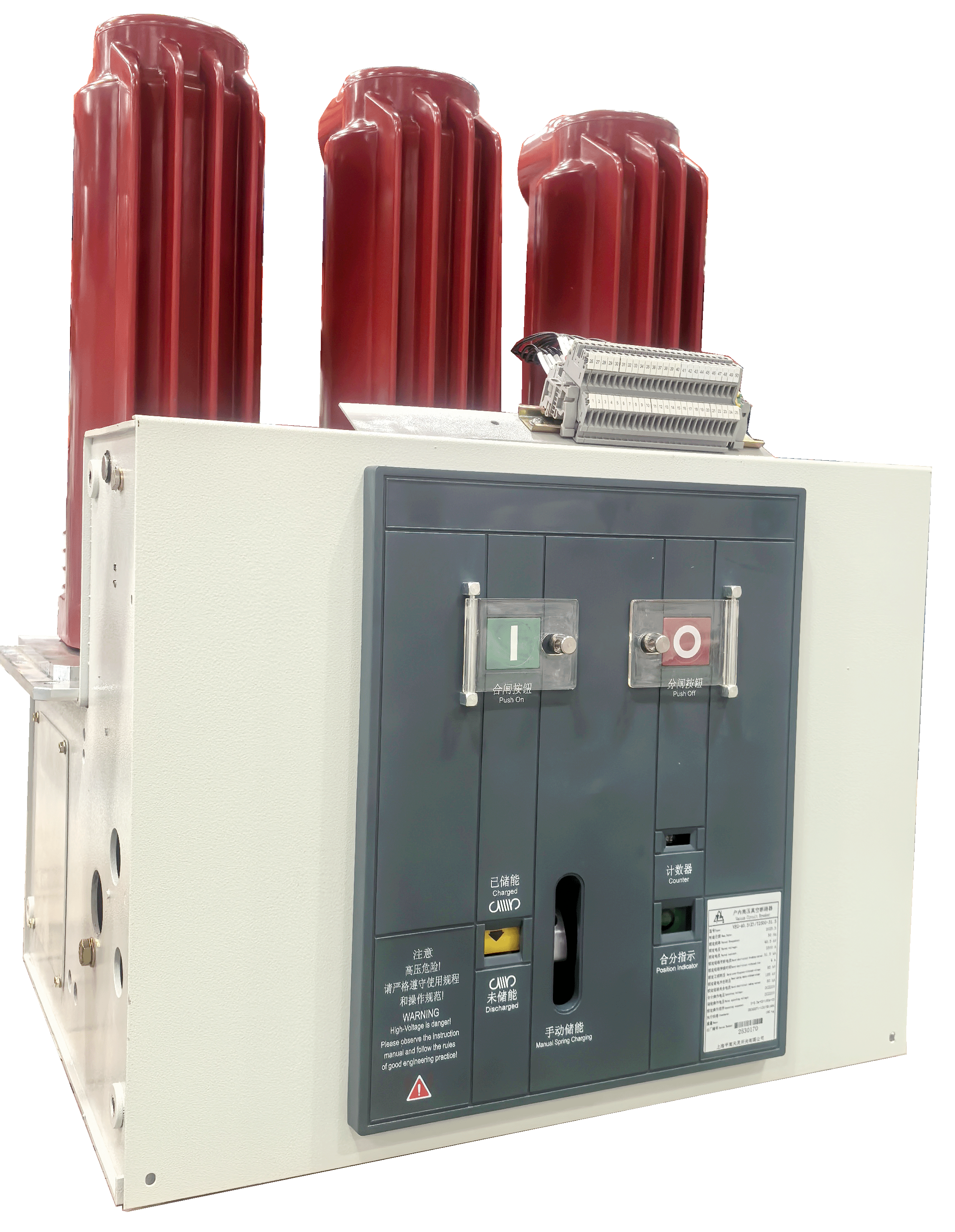
VEG-12/24/40.5 Series Vacuum Circuit Breaker
SHANGHAI PINGGAO TIANLING SWITCHGEAR CO., LTD.