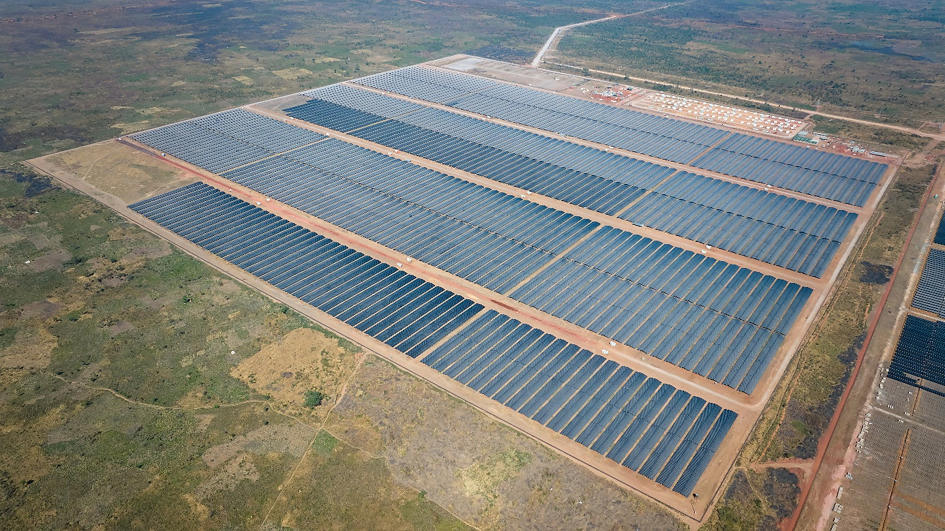
India Reaches 74 GW of Solar Module Capacity
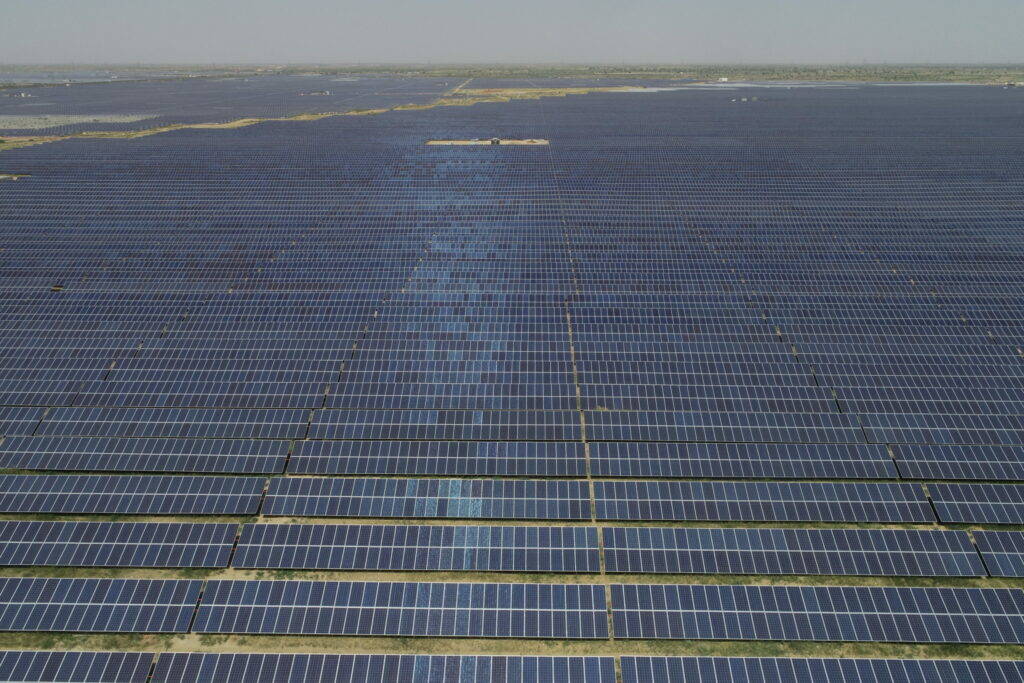
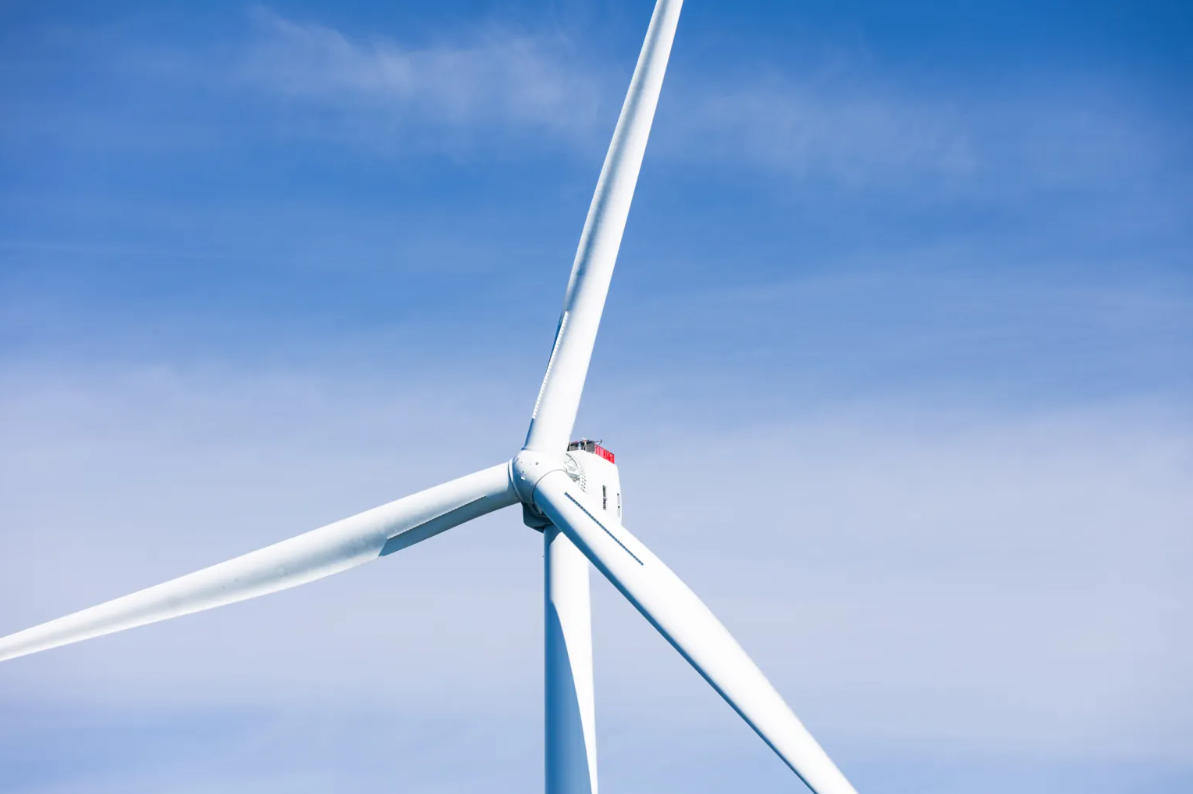
Wedoany.com Report-Apr. 3, India’s Ministry of New and Renewable Energy reported that the country achieved a record addition of 25 GW in renewable energy capacity during fiscal year 2024-25. This marks a 35% increase from the 18.57 GW added in the previous fiscal year. Solar power drove this surge, with capacity growing by 38%, from 15 GW in fiscal 2024 to nearly 21 GW in fiscal 2025. The nation also crossed a significant threshold, exceeding 100 GW of installed solar capacity this year.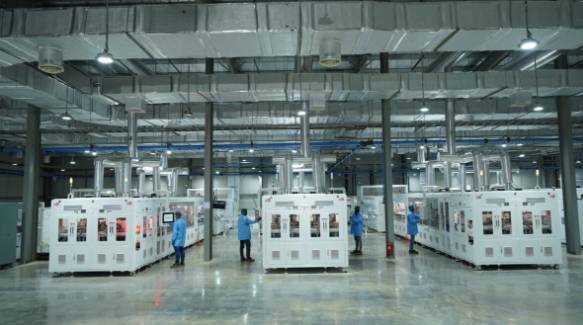
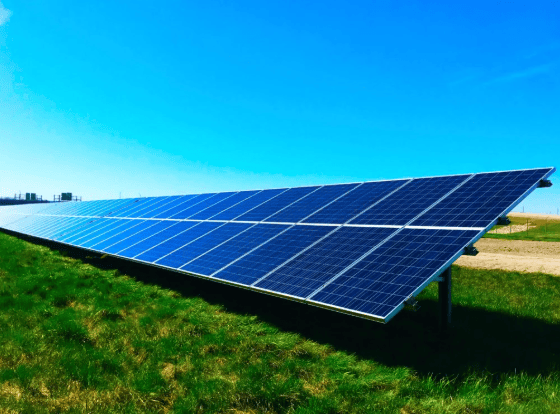
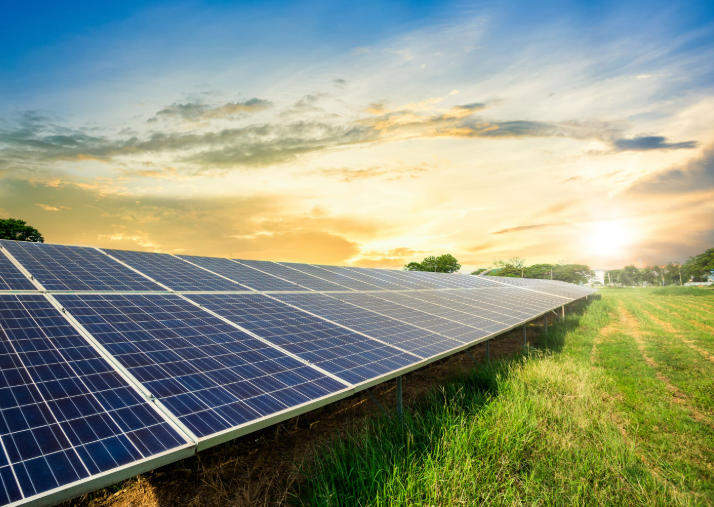
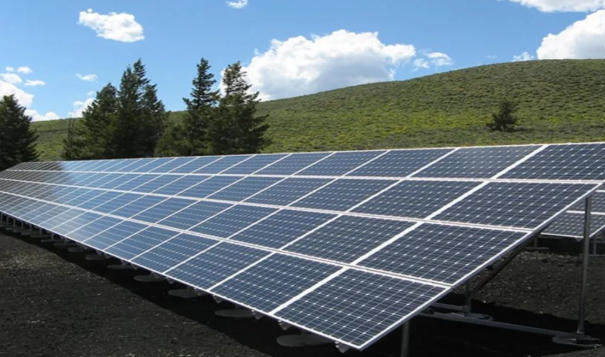
Efforts to boost domestic solar manufacturing have shown strong progress. By March 2025, solar module production capacity nearly doubled, rising from 38 GW to 74 GW, while photovoltaic (PV) cell manufacturing capacity tripled, increasing from 9 GW to 25 GW. A notable milestone was the launch of India’s first ingot-wafer manufacturing facility, which began operations with a 2 GW capacity in fiscal 2025.
The production-linked incentive (PLI) scheme for high-efficiency solar modules attracted investments of $4.8 billion, generating approximately 11,650 direct jobs. Additionally, the PM Surya Ghar Muft Bijli Yojana, a subsidy programme for residential rooftop solar, has seen substantial growth, supporting wider adoption of renewable energy.
Union Minister of New and Renewable Energy Shri Prahlad Joshi commented: “India may have already become or will soon become the third-largest renewable energy capacity holder in the world. This milestone is a testament to Prime Minister Modi’s vision for a sustainable and self-reliant energy future.” His statement reflects the country’s rapid strides in the sector.
The record capacity additions highlight India’s focus on expanding renewable energy while strengthening local manufacturing. Solar power’s dominant role in this growth, alongside advancements in production capabilities, positions the country as a key player in global clean energy efforts. The increase in module and PV cell output reduces reliance on imports, aligning with goals of self-sufficiency.
The ministry’s initiatives, including the PLI scheme and rooftop solar subsidies, have spurred both economic and environmental benefits. With over 100 GW of solar capacity now installed, India continues to build on its renewable energy foundation, aiming for sustainability and energy independence.
Related Products

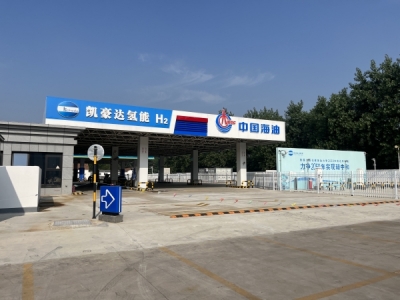
Hydrogen production and hydrogenation charging refueling gas integrated energy station
Shenzhen Kohodo Hydrogen Energy Co., Ltd.

Mineral-insulated Compact Busway (Fire-resistant Busduct)
Zhuhai Guangle Electric Busway Co., Ltd.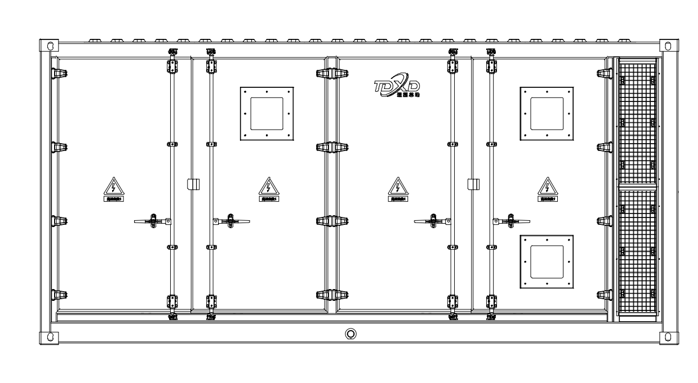
5012kWh DC Energy Storage System TD-EES-5012kWh
Suzhou Tongding Xindong Energy Storage Technology Co., Ltd.
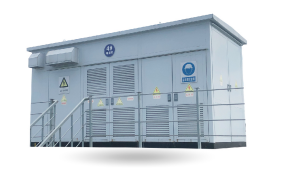
Smart Photovoltaic Prefabricated Substation
Shanghai Jinyou Jinhong Intelligent Electric Co., Ltd.