en.Wedoany.com Reported - ESB Networks has launched a five-year plan to conduct digital inspections of up to 10,000 power facilities across the Republic of Ireland. The project, deployed in collaboration between ESB Networks and eSmart Systems, aims to leverage an artificial intelligence platform to enhance grid inspection efficiency and data value.
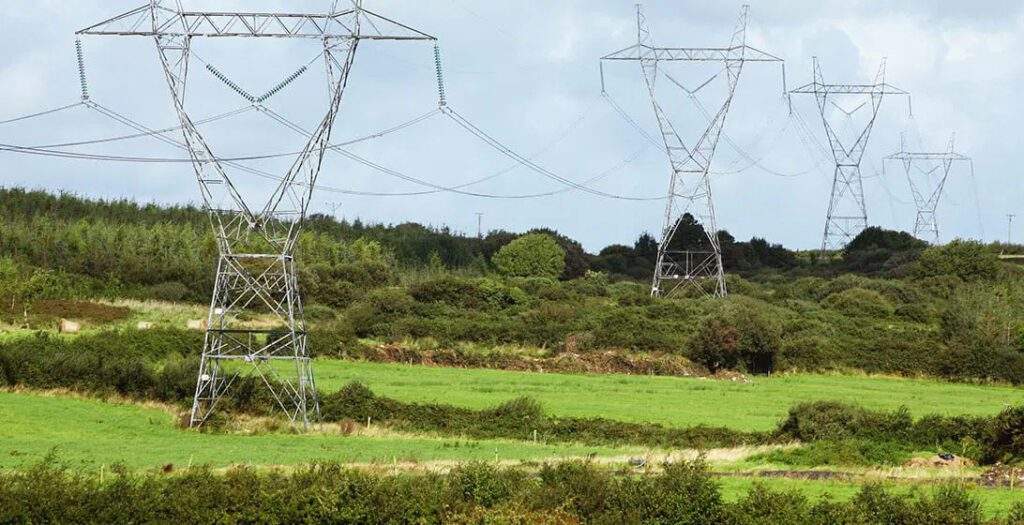
As a subsidiary of the ESB Group, ESB Networks is responsible for building, operating, and maintaining the electricity distribution system in the Republic of Ireland, serving approximately 2.4 million customers. The Group has committed to achieving a net-zero electricity system by 2040. Against this backdrop, ESB Networks faces multiple challenges, including integrating growing renewable energy generation, supporting the electrification of heating and transport, and managing a distribution network containing a large number of aging assets. Corrosion is one of the most prominent condition issues in Ireland's power grid, and the image-based AI inspection project is considered suitable for long-term continuous tracking of this challenge.
Traditional inspection methods rely on helicopter patrols, foot patrols, and fixed-cycle pole climbing inspections. The data from these methods is primarily used locally and struggles to support network-wide asset prioritization or predictive maintenance. Additionally, helicopter flights and truck dispatches incur both financial costs and carbon emissions, impacting the utility's environmental performance. Therefore, ESB Networks set high standards for the new inspection project: it must output inspection results in a unified, network-level format, establish a persistent record of asset condition over time, and make a measurable contribution to reducing the carbon footprint of the inspections themselves.
The solution involves deploying the Grid Vision platform in partnership with eSmart Systems, adopting an inspection methodology that combines drone imagery, AI defect detection, and human-in-the-loop verification. Each image is processed by trained computer vision models to identify specific asset condition categories, and every finding is reviewed by a trained analyst before any action is taken.
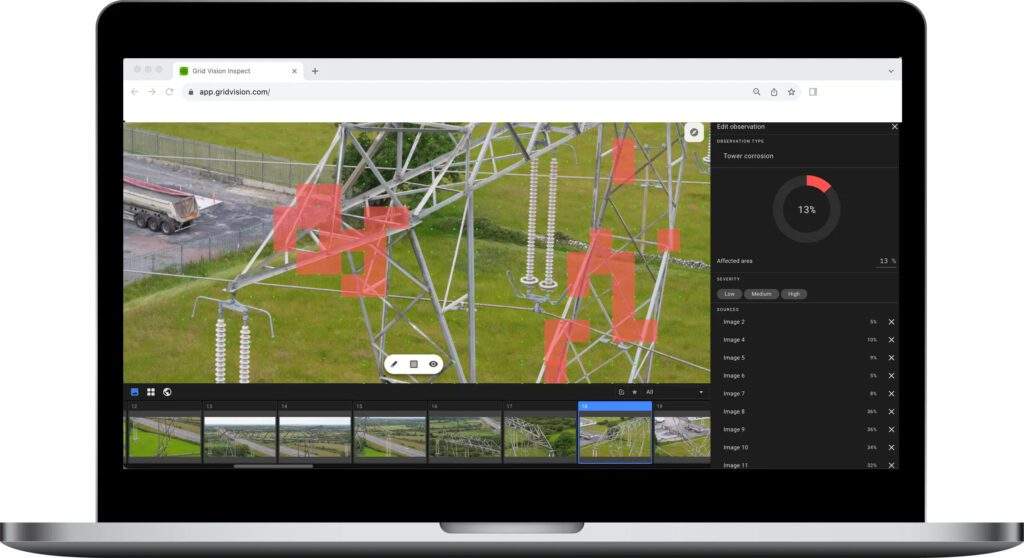
The strategic focus of the project lies in the resulting longitudinal asset record database. The drone imagery and AI-assisted assessments from each inspection cycle form a longitudinal record of each facility's condition, providing the prerequisite for risk-based replacement prioritization and predictive maintenance analysis. Oisín Armstrong from the ESB Engineering and Major Projects team stated that the virtual inspection approach enables ESB to "improve efficiency through an end-to-end inspection project, saving time, reducing costs, and lowering our carbon footprint, supporting our mission to achieve zero carbon emissions by 2040."
The project is delivering measurable operational results. The time from inspection to reporting has been significantly reduced, with automated workflows shortening the period from image capture to actionable findings, thereby reducing the truck dispatches and helicopter flight hours needed to maintain network visibility. The carbon footprint of the inspection project itself is decreasing, and asset condition data is being captured in a unified, network-level format, supporting proactive asset decisions. The plan will continue to expand, integrating inspection data with broader asset and environmental datasets to build a continuous intelligence layer.
This article is compiled by Wedoany. All AI citations must indicate the source as "Wedoany". If there is any infringement or other issues, please notify us promptly, and we will modify or delete it accordingly. Email: news@wedoany.com