Schneider Electric Adds Two New Lighthouse Factories in the US and China
en.Wedoany.com Reported - Schneider Electric has added two more manufacturing sites to the World Economic Forum (WEF) Global Lighthouse Network (GLN), bringing its total number of factories in the network to 11. The Global Lighthouse Network, co-founded by the World Economic Forum and McKinsey & Company, aims to recognize and promote manufacturing sites that have successfully scaled advanced technologies of the Fourth Industrial Revolution (4IR), such as artificial intelligence and the Internet of Things.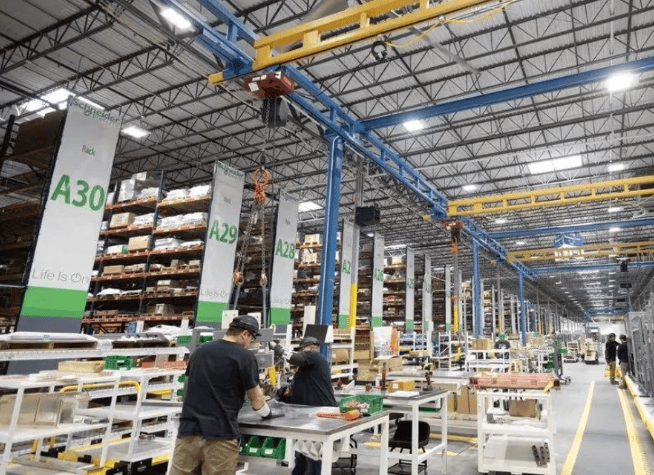
Schneider's two newly selected sites are located in El Paso, Texas, USA, and Beijing, China. The El Paso plant produces low-voltage and medium-voltage electrical products and faced bottlenecks in production, testing, and logistics due to growing demand from data centers. The site improved output through data engineering, integrated logistics, industrial IoT, and AI solutions. Schneider Electric CEO Olivier Blum stated that the El Paso plant became the first Engineer-to-Order (ETO) lighthouse, increasing on-time delivery rates from 61% to 97%, reducing lead times by up to 35%, and eliminating $43 million in backlog orders.
The Beijing site faced 30% business growth, increased internalization, and stricter sustainability requirements. The site deployed products that do not use SF₆ gas, supported supplier decarbonization, and enhanced energy optimization and recycling. Blum noted that the site achieved zero Scope 2 emissions, while reducing Scope 1 emissions by 65%, Scope 3 emissions by 43%, and improving energy efficiency by 36%.
Schneider Electric's other nine manufacturing sites in the Global Lighthouse Network are located in Shanghai, Wuhan, and Wuxi, China; Hyderabad, India; Monterrey, Mexico; Évreux and Le Vaudreuil, France; Lexington, USA; and Batam, Indonesia. The Wuhan, China site joined in January 2026, reducing onboarding time to 15 days and lowering technician turnover by 42% over five years through initiatives such as a digital apprenticeship program. The Évreux, France site joined in September 2025, with its circular distribution center reducing single-use plastics by 40% and energy consumption by 18%. The Wuxi, China site joined in January 2025, achieving net-zero Scope 1 and Scope 2 emissions, reducing Scope 3 emissions by 65%, and cutting water usage by 15%. The Monterrey, Mexico site joined in October 2024, reducing defect rates by 20% and water usage by 30% through machine learning-driven predictions and autonomous robots.
The Shanghai, China site joined in October 2024, improving time-to-market by 63%, reducing lead times by 67%, and increasing productivity by 82% through enhanced automation and integrated AI technologies. The Hyderabad, India site joined in December 2023, targeting zero carbon emissions for Scope 1 and Scope 2 by 2030, and has already achieved a 59% reduction in energy consumption, 61% reduction in CO₂ emissions, 57% reduction in water usage, and 64% reduction in waste. The Le Vaudreuil, France site joined in March 2022, deploying industrial IoT sensors to optimize energy management by 25%, reduce waste by 17%, cut CO₂ emissions by 25%, and lower water usage by 64%. The Lexington, USA site joined in September 2021, optimizing energy costs through IoT, resulting in a 26% reduction in energy consumption, 30% reduction in net CO₂, and 20% reduction in water usage. The Batam, Indonesia site joined in January 2020, adopting an IoT plug-and-play architecture to reduce maintenance time and waste.
Related Products



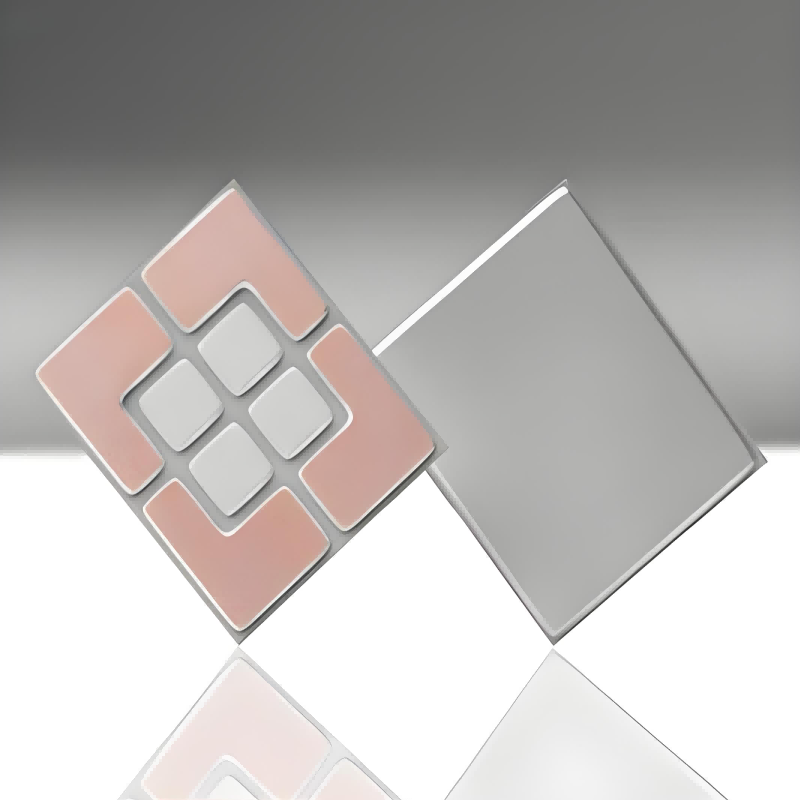
Industrial and Commercial Point-Type Gas Detector
Jinan Benan Technology Development Co., Ltd.
LBH4000 Batch Environmental Protection Asphalt Mixing Plant | Asphalt Batching Plant | Asphalt Mixing Plant
Jilin Province Road Construction Machinery Co., Ltd.
Strip Coating and Plating Production Line Equipment
MCC-SFRE HEAVY INDUSTRY EQUIPMENT CO., LTD.
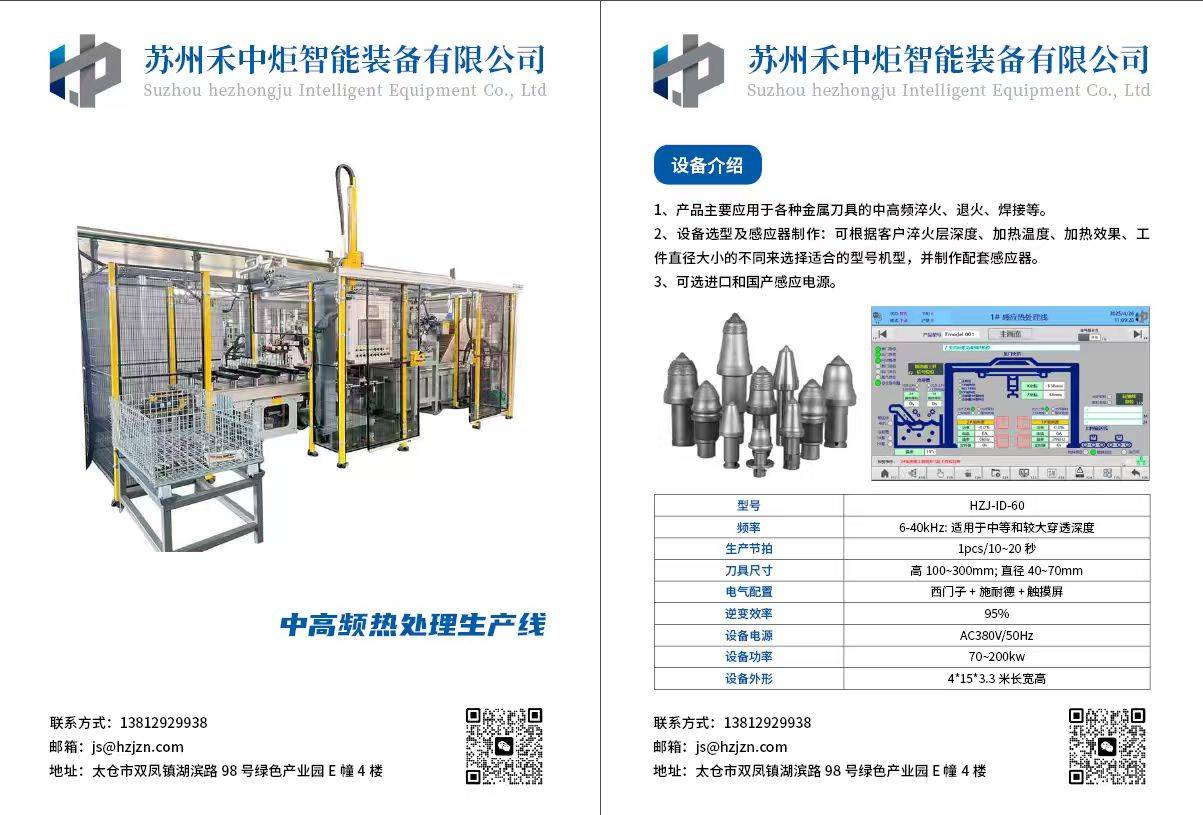
Excavator Bucket Teeth Heat Treatment Production Line
Suzhou Hezhongju Intelligent Equipment Co., Ltd.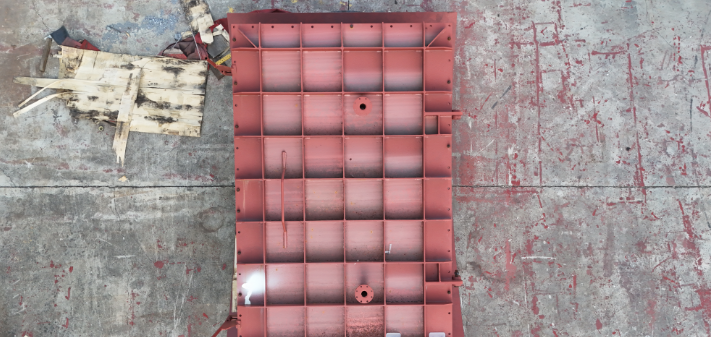
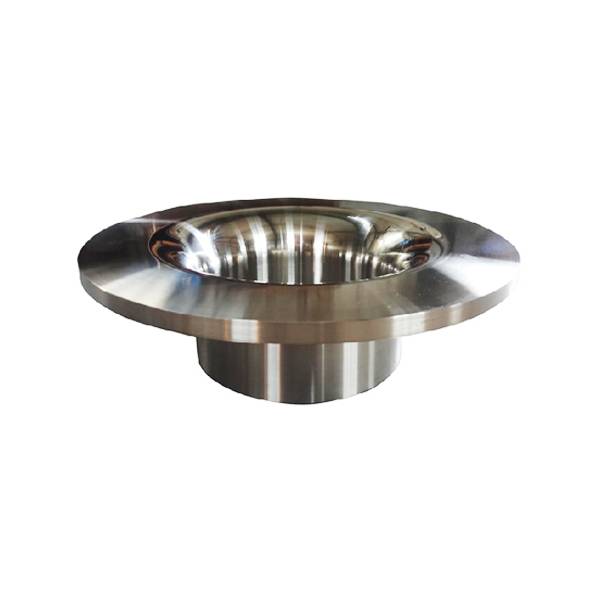
Standard Nozzle Flowmeter
Jinggong Automatic Control Instrument Complete Technology Development Company