en.Wedoany.com Reported - On June 29, Next Hydrogen Solutions Inc. announced a cooperation agreement with Fusion Fuel Cycles Inc. (FFC) to demonstrate an electrolyzer designed for the fusion industry.
This collaboration builds on two contracts awarded to Next Hydrogen by FFC in March 2026, totaling approximately $3.75 million. Under the contract arrangement, Next Hydrogen will design and deliver an electrolyzer for extracting fusion fuel tritium from heavy water, with the equipment to be integrated into FFC's overall fusion fuel system currently under construction.
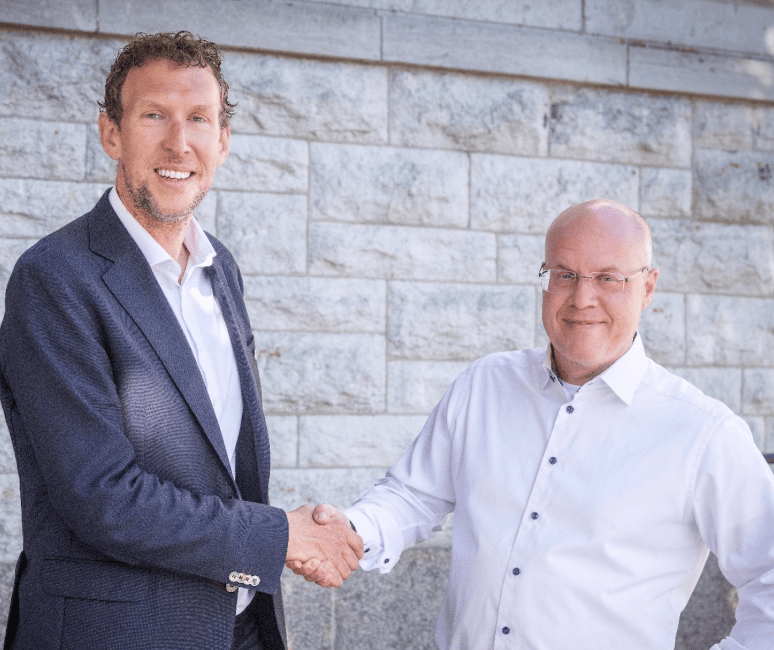
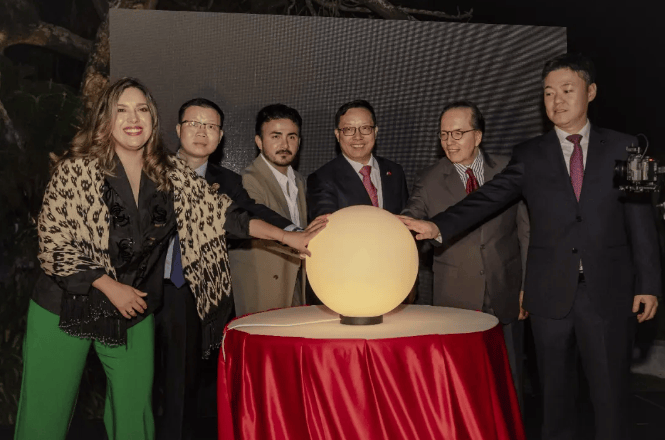
FFC aims to develop a standardized, integrable fusion fuel cycle auxiliary system, enabling fusion development companies to use proven supporting equipment to accelerate demonstration projects and future commercial deployment. The signing ceremony took place during a Canadian delegation visit to Japan, witnessed by Canada's Minister of International Trade, Maninder Sidhu, and Canada's Ambassador to Japan, Ian G. McKay, among others.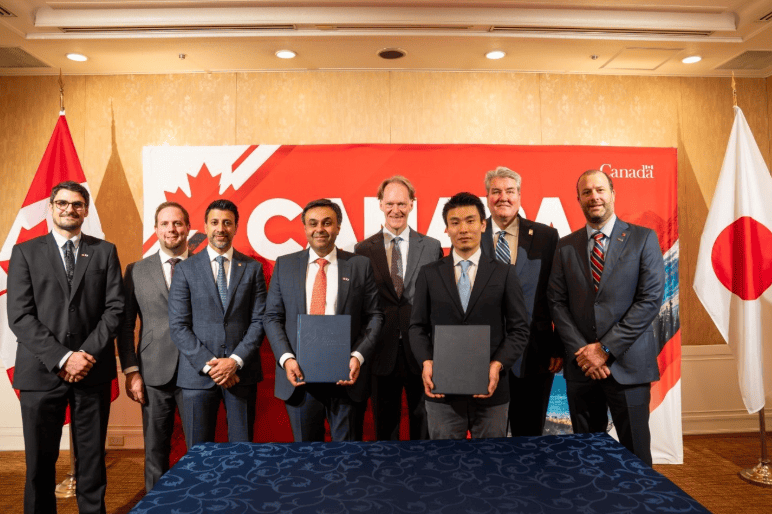
FFC Co-CEO Yuhei Nozoe stated that Next Hydrogen's electrolyzer design is suitable for fusion energy applications, with its alkaline cells offering the durability required for such scenarios, and high current density operation helping to reduce system size and potential leakage points. Additionally, the novel cell architecture with internal gas-liquid separation helps lower contamination risks.
Next Hydrogen President and CEO Raveel Afzaal noted that FFC, by combining Japan's fusion industry experience with Canada's nuclear industry expertise, can provide standardized auxiliary equipment to fusion companies, allowing them to focus more on core intellectual property development, thereby reducing costs and accelerating R&D progress.
FFC, jointly established by Kyoto Fusion Engineering and Canadian Nuclear Laboratories, offers products and services ranging from individual components and subsystems to fully integrated fuel cycle systems. The company combines Canadian Nuclear Laboratories' tritium handling experience accumulated from CANDU reactor units with Kyoto Fusion Engineering's fusion engineering capabilities. Its UNITY-2 project at the Chalk River Laboratories in Ontario is described as the world's first fully integrated tritium fuel cycle testing facility.
Founded in 2007, Next Hydrogen primarily designs and manufactures water electrolyzers to produce clean hydrogen from water and electricity. The company states that its cell design architecture, supported by 40 patents, enables high current density operation and strong dynamic response, used to convert intermittent renewable electricity into green hydrogen.