Alberta Carbon Tax Adjustment Threatens Varme Energy's $400 Million Carbon Capture Facility
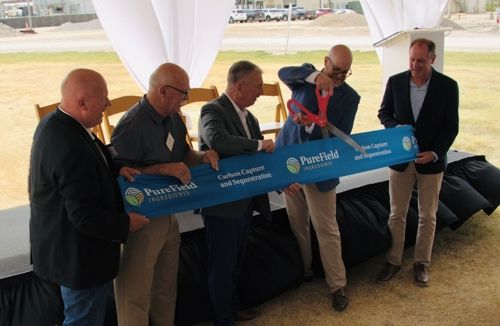
en.Wedoany.com Reported - A carbon tax agreement adjustment could derail a batch of ready-to-deploy decarbonization projects in Canada's clean technology sector, with Varme Energy's proposed $400 million waste-to-energy facility in Edmonton being the first to face the risk.
The facility, designed to divert waste from landfills and capture biogenic emissions for deep underground storage, now faces potential cancellation this fall due to a significant reduction in expected revenue. The policy shift stems from a revised methane and industrial carbon tax agreement signed by Prime Minister Mark Carney and Alberta Premier Danielle Smith. Under the previous federal framework, Canada's industrial carbon price was set to rise to $170 per tonne by 2030. The new provincial-federal compromise, reached amid lobbying by large industrial emitters, caps the price at $130 per tonne and delays the timeline to 2040.
For developers relying on robust compliance credit markets for financing, the new math does not work. The estimated operating cost of the Varme Energy facility is approximately $118 per tonne. Although the company secured a base guarantee from the Canada Growth Fund to purchase its credits at $85 per tonne, the project requires the compliance market to rise to $170 per tonne to achieve commercial viability. Sean Collins, CEO of Varme Energy, stated that the company's financial situation is extremely challenging and that it is sending a distress signal to Ottawa, emphasizing that "the solution to the revenue problem is revenue."
The policy adjustment also threatens more projects across the province, including Torchlight's proposed $2 billion bio-CCS (bioenergy carbon capture and storage) project at a pulp mill near Hinton. Industry executives point out that capital grants and tax credits can help cover initial construction costs, but they are useless if the value of carbon assets on the back end is destroyed. Without rapid regulatory intervention in the coming months—such as allowing Canadian developers to export credits to U.S. or international compliance programs—Canada's flagship carbon capture ambitions may permanently lose economic viability.
Related Products

TAI Slew-drive Single-axis Independent 1P Tracking Bracket System
ANTAI TECHNOLOGY CO., LTD.
Modular Multifunctional Water Supply and Drainage Vehicle (18T)
Changsha Dewater Machinery Technology Co., Ltd.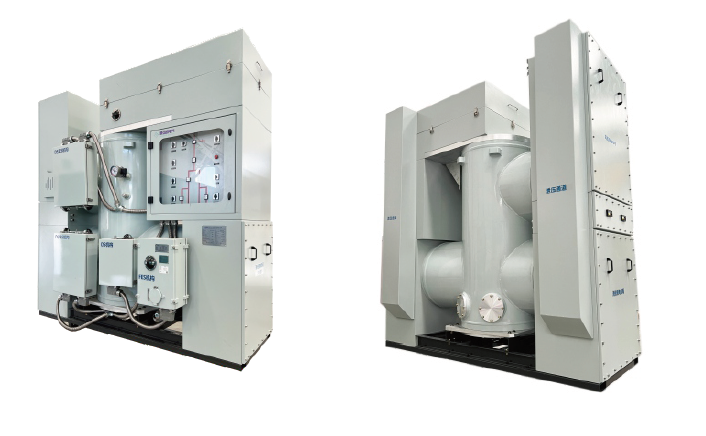
72.5kV 1250A 31.5kA SF6 free Gas-insulated Metal-enclosed Switchgear
Zhejiang Juhonkia Intelligent Electric Co., Ltd.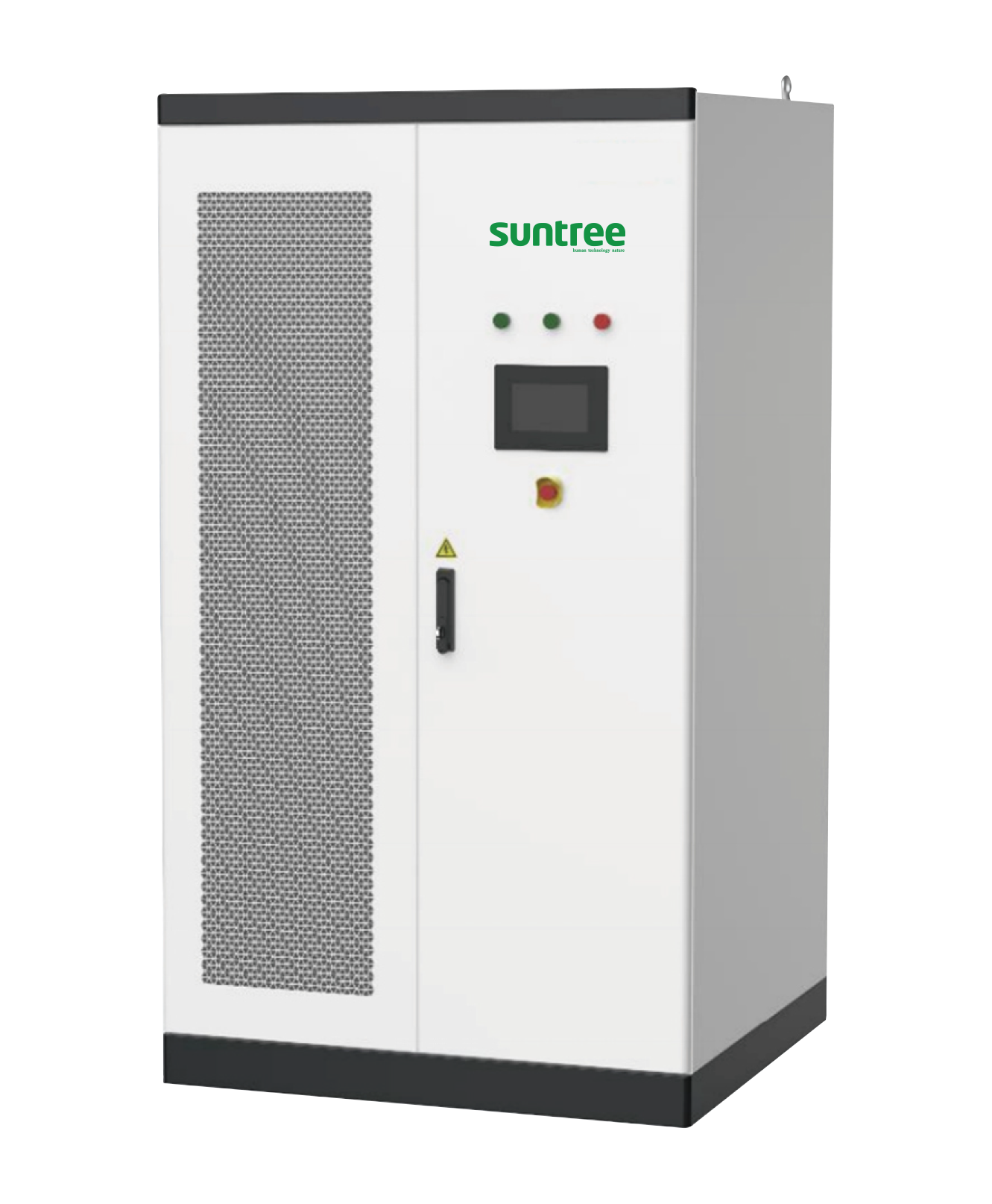
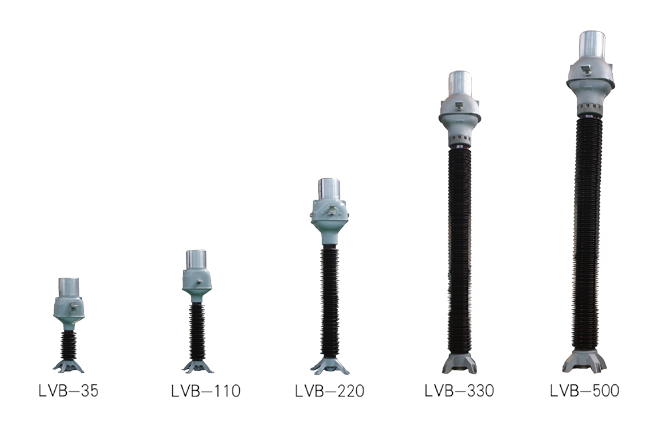
LVB Series 35-500kV Oil-immersed Inverted Current Transformer
Shandong TaiKai Instrument Transformer Co., Ltd.
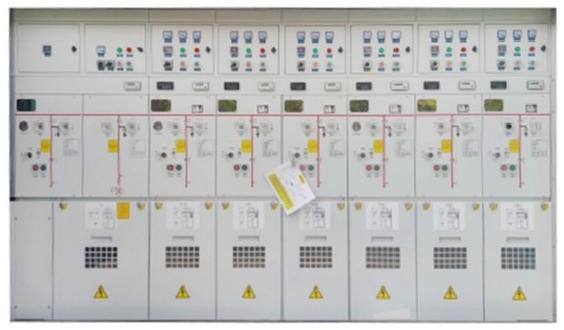
NISELA Series Environmentally Friendly Gas-Insulated Ring Main Unit
XJ DELISHIER ELECTRIC CO., LTD.