Kazakhstan's mining and metallurgy sector accounts for 8.7% of GDP, driving deep processing and digitalization
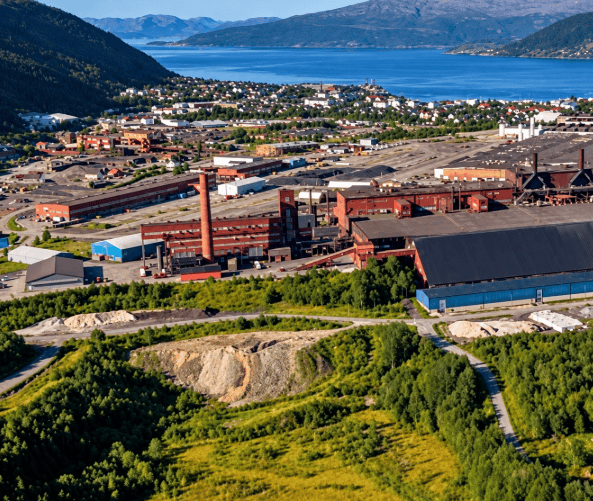
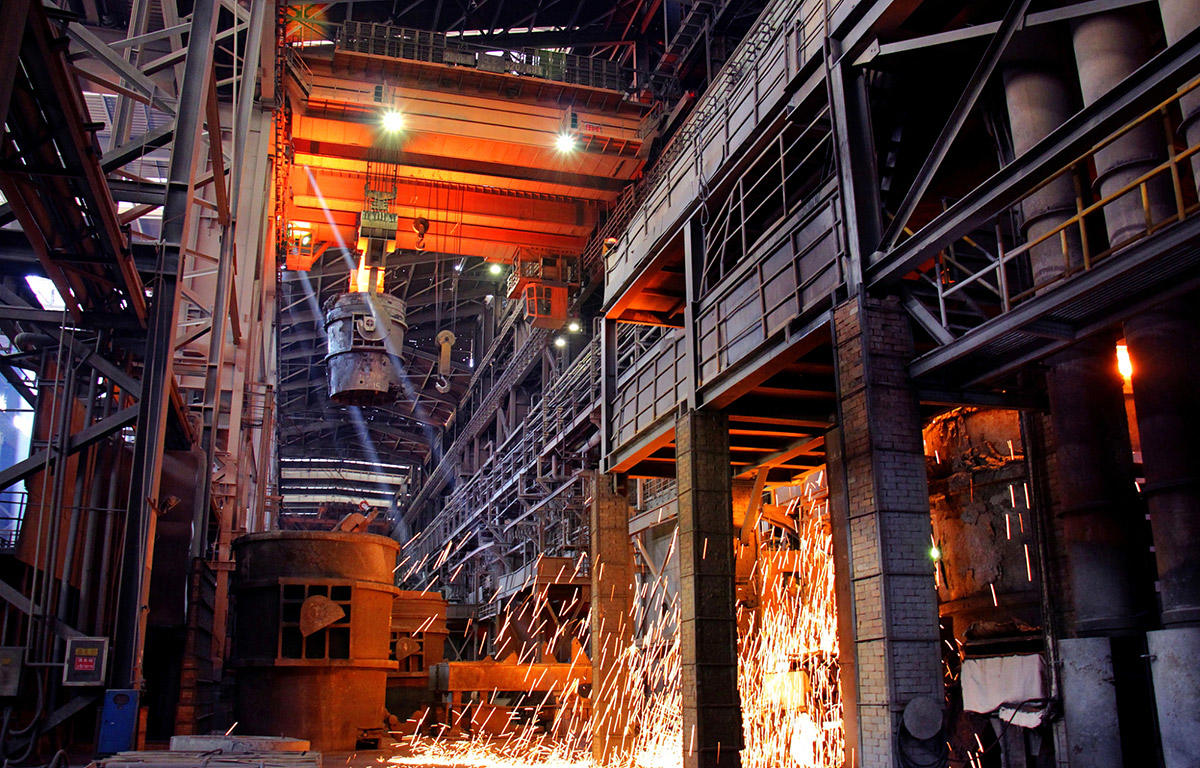
en.Wedoany.com Reported - The mining and metallurgical complex of Kazakhstan accounts for 8.7% of the country's GDP. In recent years, its total added value has increased from 4.7 trillion tenge to 8.2 trillion tenge, and the metallurgy industry's share in manufacturing reached 40.5% last year.
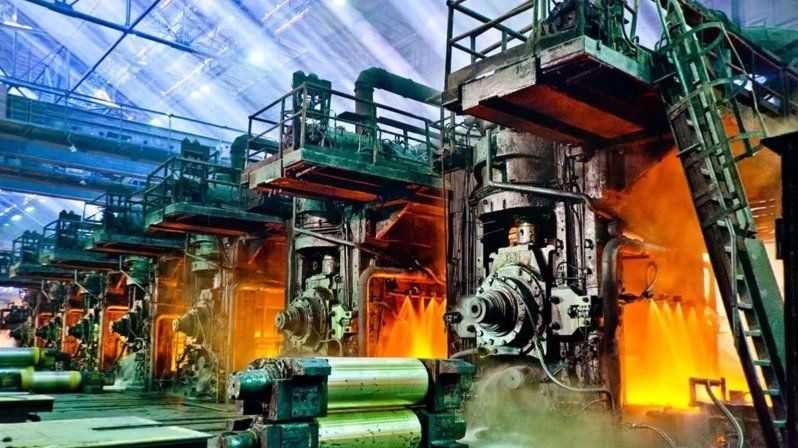
The expansion of production scale has driven an increase in labor productivity. Over the past five years, industry output has grown 1.7 times, and labor productivity per employee has risen from $99,100 to $145,300. In terms of exports, the export value of Kazakh metallurgical products increased by 24.2% over the past five years, from $12.8 billion to $15.9 billion. Major export products include copper, ferroalloys, flat-rolled products, zinc, aluminum, and silver, with key export markets being China, Russia, Turkey, the United Kingdom, and Uzbekistan. The Industry Committee stated that primary processed products still account for a significant share of the current export structure, and the development focus is gradually shifting towards deep processing, high value-added product manufacturing, and the development of local reprocessing capabilities.
In the past two years, Kazakhstan has commissioned a number of new projects with a total investment of over $1 billion, covering the production of cathode copper, ferrosilicon, ferroalloys, and other metallurgical products.
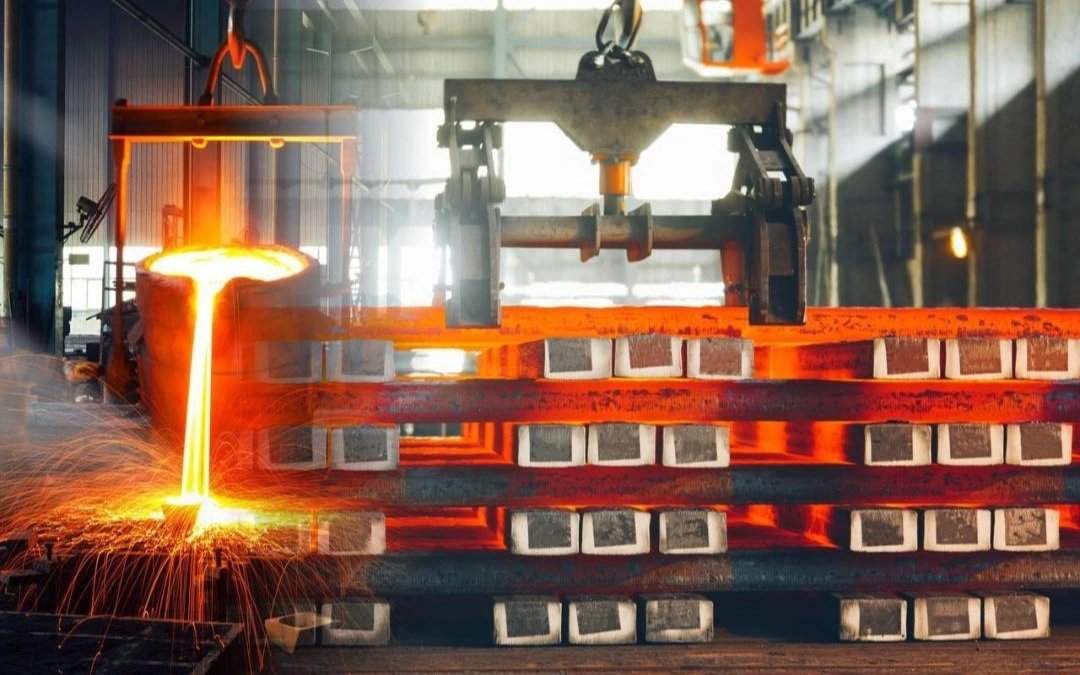
According to data from the Industry Committee, 27 investment projects were implemented in this field from 2025 to 2026, with a total value exceeding 330 billion tenge, creating over 5,000 long-term jobs. Last year, the "EkibastuzFerroAlloys" ferroalloy plant was commissioned in the Pavlodar region, with an investment of 92 billion tenge and an annual production capacity of 240,000 tons of ferrosilicon; the "Qaragandy Power Silicon" project was launched in the Karaganda region, with a total investment of approximately 63 billion tenge and an annual capacity of 175,000 tons of ferrosilicon. Additionally, the "ТЭМПО-Қазақстан" metal pipe plant and the "Kazferro Limited" ferroalloy enterprise have also commenced operations. In the first quarter of 2026, the "Fonet Er-Tai Mining" cathode copper hydrometallurgical plant was commissioned in the Pavlodar region, a similar project by "GoldCorp" was launched in the Karaganda region, the modernized processing plant of the "Satybaev Mining and Processing Enterprise" and the "BS Group" galvanized pipe production project in Shymkent also came into operation. The industry's investment attractiveness remains high. In 2024, fixed capital investment in the mining and metallurgical sector reached a record 761 billion tenge, and last year it exceeded 687 billion tenge, significantly higher than the 2021 level.
Prime Minister Olzhas Bektenov stated at the 16th International Mining and Metallurgy Congress "Astana Mining & Metallurgy – AMM 2026" that Kazakhstan is developing cooperation with leading companies from countries and regions including the United States, China, the European Union, Japan, and South Korea. The focus is on establishing long-term technological partnerships to advance production localization, technology transfer, and professional training. According to plans, a number of new metallurgical production projects will be built by 2030, and existing enterprises will be modernized. These include the "Qarmet" investment plan totaling 1.6 trillion tenge, aimed at increasing steel production to 5 million tons per year; the "KAZ Minerals Smelting" copper smelter project in the Abai region with an investment of 778 billion tenge; the "CASPIAN STEEL QZ" steel billet production project with an investment of 308 billion tenge; and the "Mineral Product International" ferroalloy plant project with an investment of 208 billion tenge.
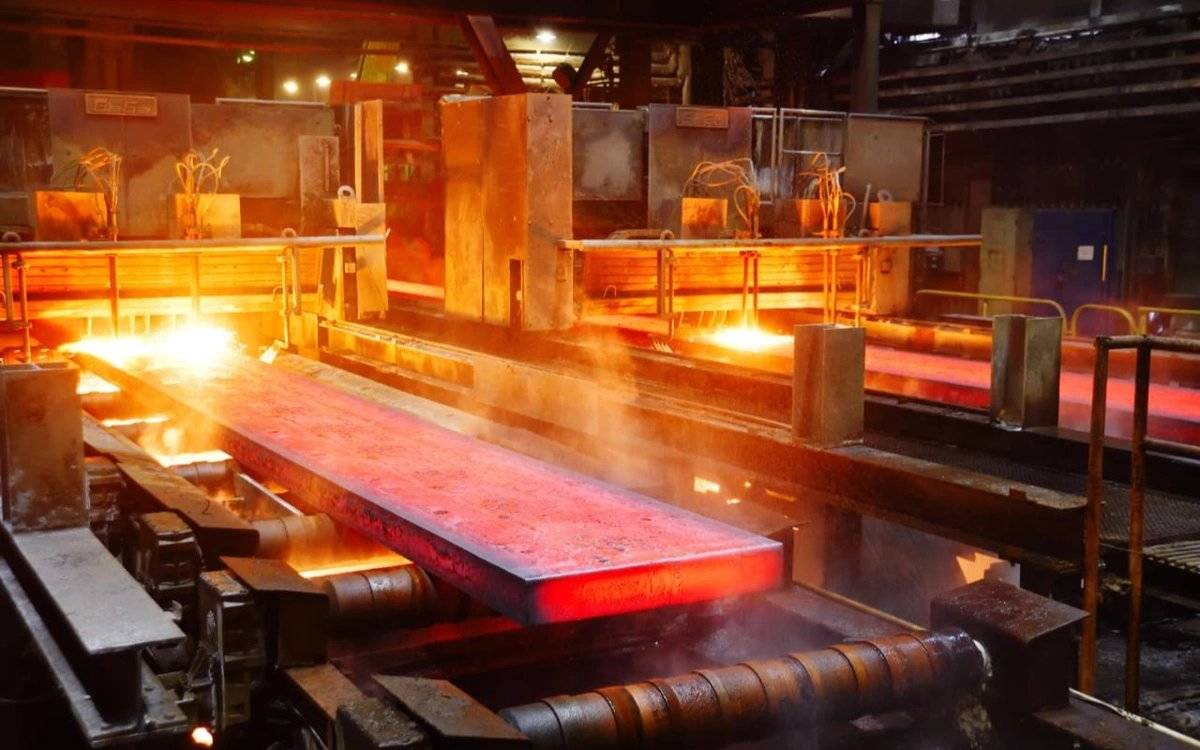
Industry insiders believe that the investment cycle for large-scale projects often spans decades, and enterprises particularly need a stable, transparent, and predictable policy environment. Rising transportation costs are one of the main challenges; increases in railway tariffs directly affect the competitiveness of enterprises in the international market. Higher electricity prices also add to production costs. Nikolai Radostovets, Executive Director of the Republican Association of Mining and Metallurgical Enterprises, stated that companies hope to receive support for building their own power stations. Some enterprises are already preparing to construct coal-fired power plants that meet environmental requirements and utilize new low-waste technologies. The stability of tax policy is also a key concern for investors. Company representatives believe that additional tax burdens could weaken enterprises' ability to invest in new projects, conduct geological exploration, and promote technological upgrades. The Industry Committee pointed out that the industry also faces long-term challenges such as replenishing mineral resource reserves, the high capital intensity of new projects, a shortage of professional personnel, global price fluctuations, and increasingly stringent environmental requirements. To address these, the state is taking comprehensive measures, including improving laws and regulations, attracting investment, developing infrastructure, training talent, and supporting deep processing projects.
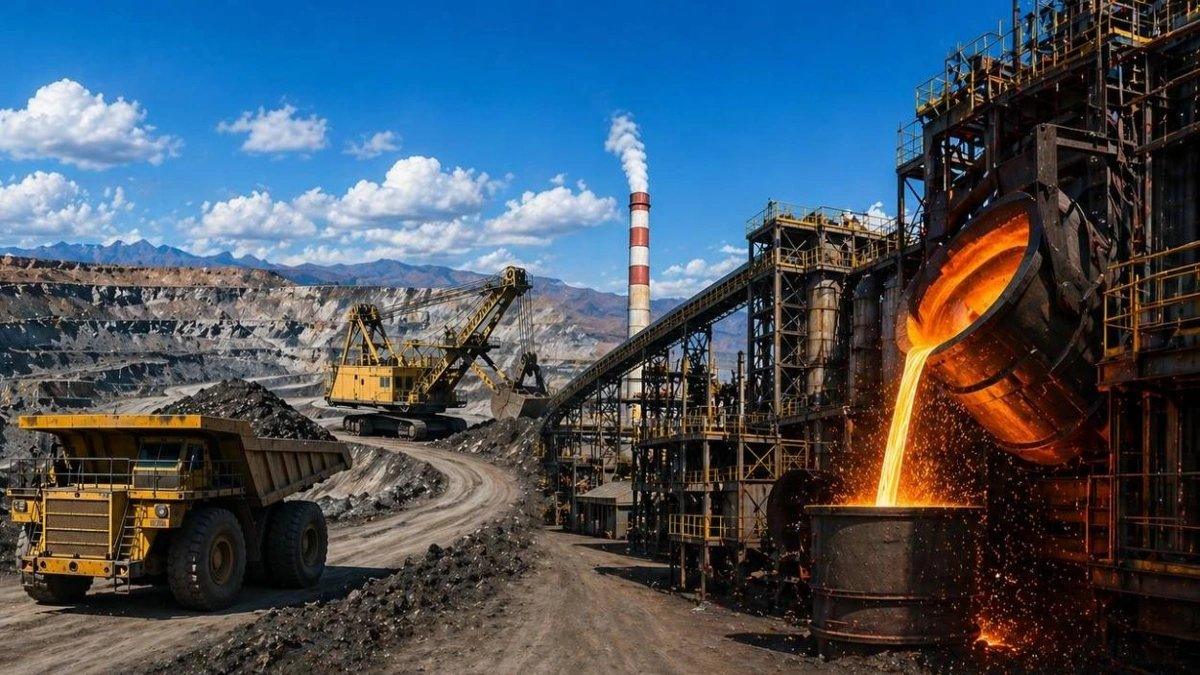
Bektenov stated that Kazakhstan has established a unified subsoil use platform, providing 22 state services and automating processes such as license issuance and monitoring the fulfillment of obligations by subsoil users. Over 4.6 million original geological data records have been digitized. In the next phase, it is planned to use artificial intelligence technology to analyze relevant data, accelerate the discovery of new deposits, and improve the efficiency of mineral resource development. Against the backdrop of the accelerated development of the global high-tech industry, the importance of strategic minerals and rare earth metals is continuously rising. Radostovets noted that the world is searching for raw materials needed for high-tech production, and Kazakhstan, as a country rich in strategic mineral resources, is attracting more attention. He believes that new opportunities also bring new tasks. Current industry discussions are no longer limited to mineral extraction itself but also include issues such as replenishing resource reserves, attracting investment, developing geological exploration, and creating long-term stable conditions for enterprises.
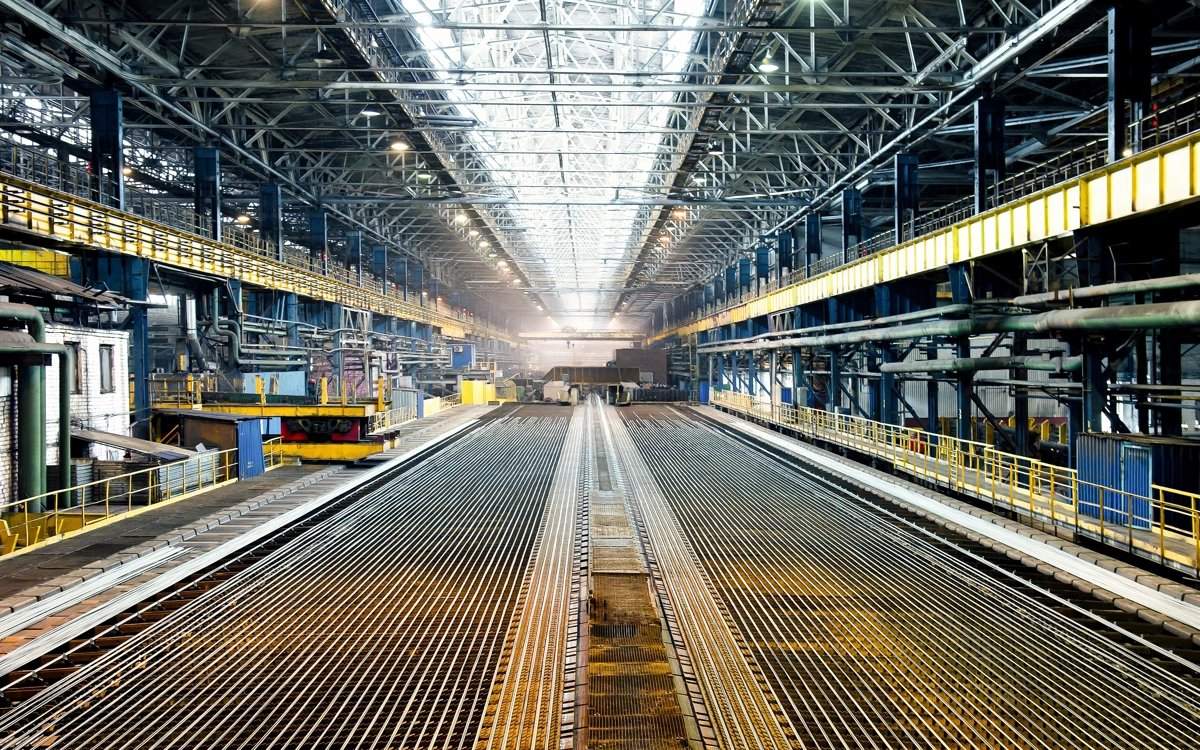
In recent years, the dialogue mechanism between the government and enterprises has been further improved. On this basis, Kazakhstan has developed a roadmap for the development of the mining and metallurgical complex. Radostovets stated that the work of the Ministry of Industry and Construction has become more open and transparent. Geological exploration enterprises have received over 3,000 licenses, and the number of mineral extraction contracts has also increased significantly. Experts believe this indicates that Kazakhstan is advancing exploration work in line with international standards and launching more detailed geological mapping nationwide. It is expected to attract approximately $470 million in investment over the next three years. Radostovets pointed out that Kazakhstan's territory had not been fully explored in the past. With increased national attention, related investment and technological input have also grown markedly. The Republican Association of Mining and Metallurgical Enterprises now has nearly a hundred member companies and is working with the Ministry of Industry and Construction to improve laws and regulations, discuss industry legislation, and promote the application of new technologies. Radostovets stated that improving working conditions and strengthening production safety are also important aspects of industry development. The association will continue to cooperate with trade unions to improve industry agreements and social partnership mechanisms.
Overall, Kazakhstan's mining and metallurgical complex is gradually transitioning from a raw material export-oriented development model towards deep processing, digitalization, and high value-added production. In the future, whether the industry can maintain its competitive edge globally will depend on forming a stable synergy between resource exploration, technological upgrades, the investment environment, talent cultivation, and industrial policy.
Related Products
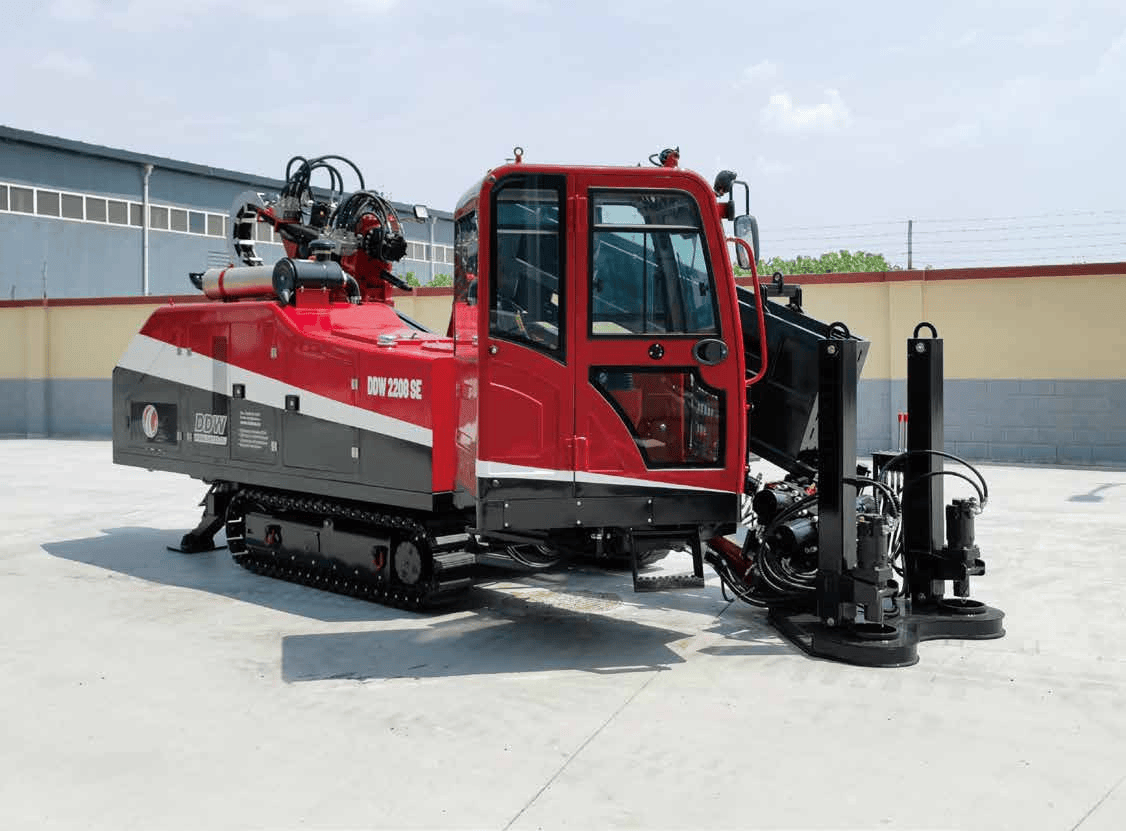

DDW22/08SE-HORIZONTAL DIRECTIONAL DRILL
DW/TXS Construction Equipment (Beijing) Co., Ltd.
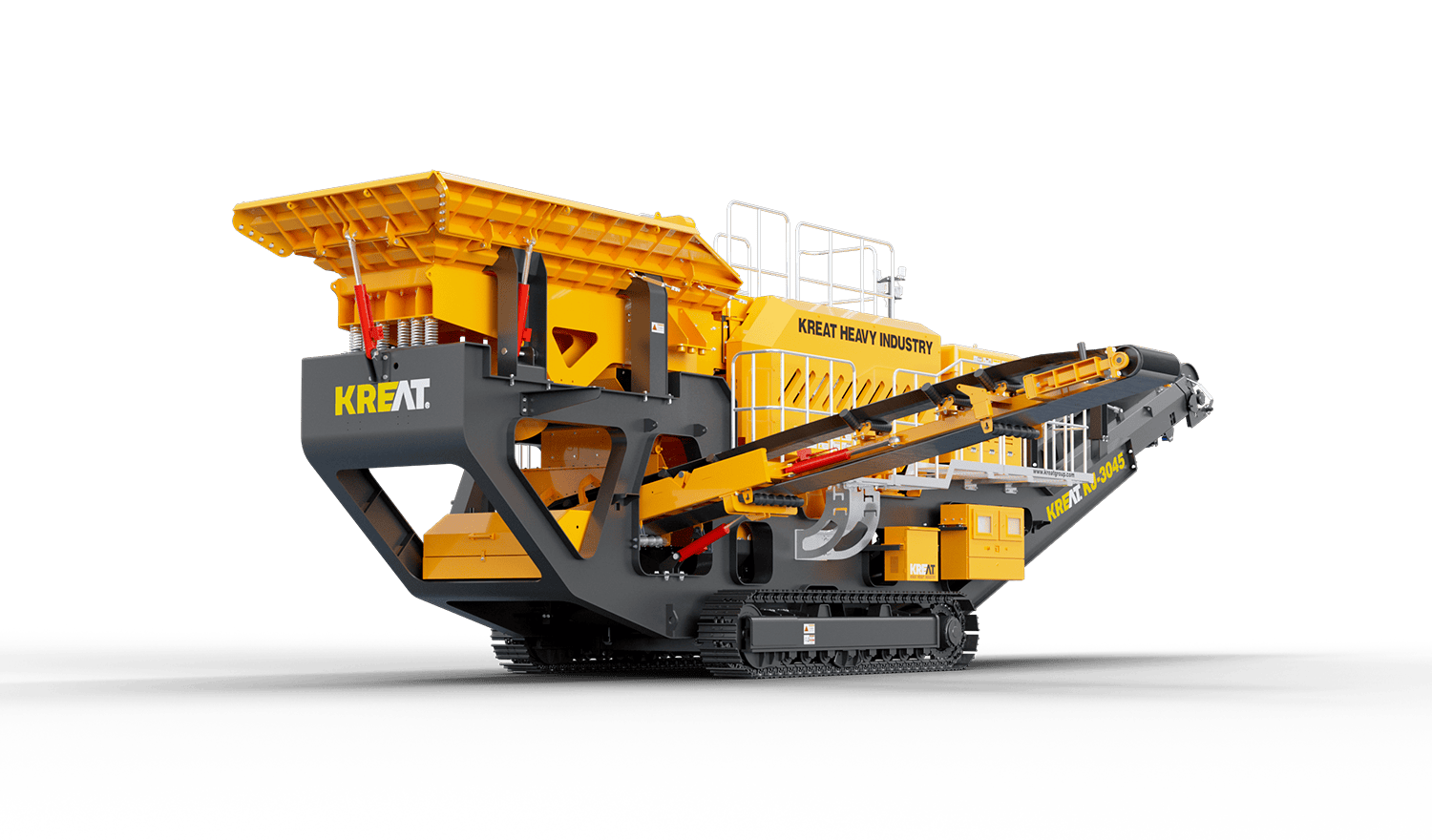
KJ-3045 Crawler Mobile Jaw Crushing Station
Yunnan Kairuite Construction Machinery Equipment Co., Ltd.

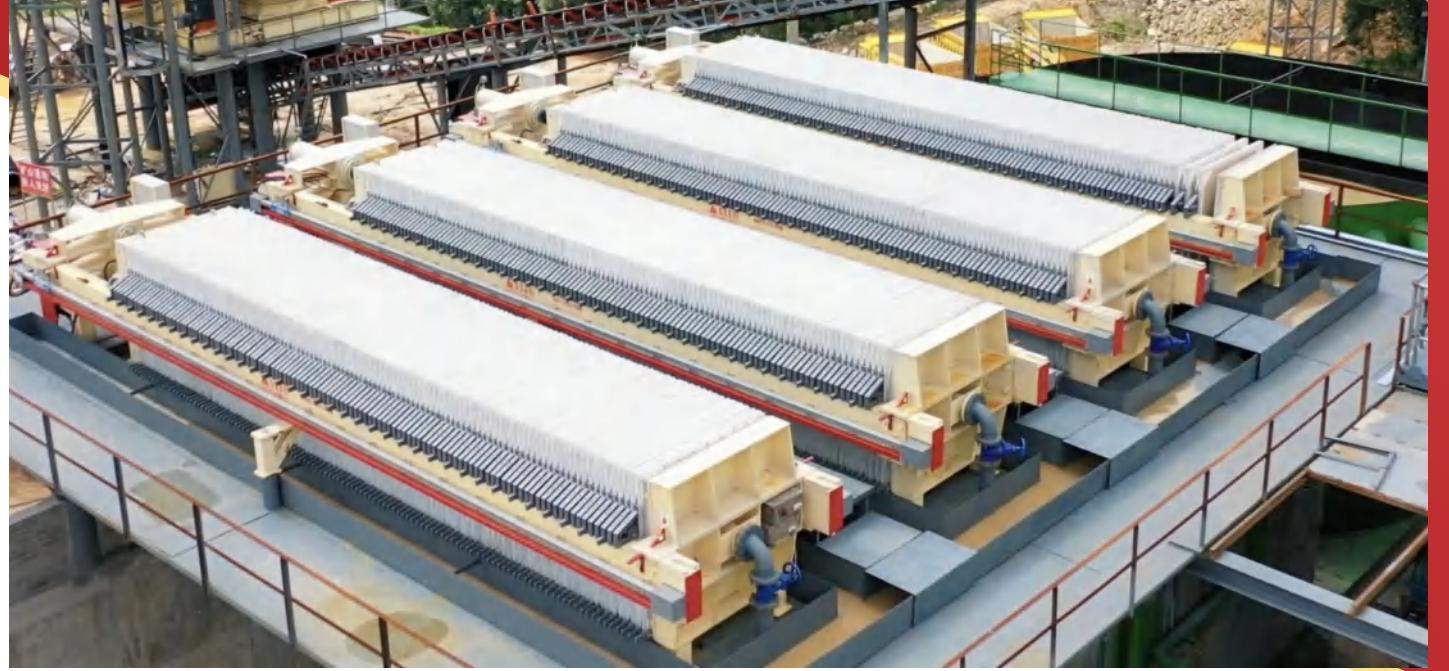
Hydraulic Plate and Frame Filter Press
Guangdong Leimeng Intelligent Equipment Group Co., Ltd.
Industrial and Commercial Point-Type Gas Detector
Jinan Benan Technology Development Co., Ltd.