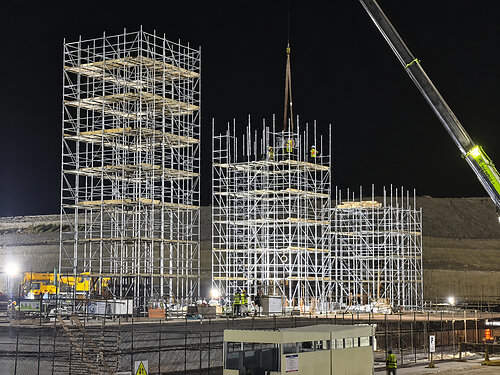
Wedoany.com Report-Apr. 12, Volvo, a leading Swedish automaker, has decided to boost its investment in a new truck manufacturing facility in Mexico, increasing the amount from $700 million to $1 billion. This decision comes despite U.S. President Donald Trump’s imposition of 25% tariffs on vehicle imports from Mexico. The plant is under construction in Monterrey, located in Nuevo León, a northeastern state of Mexico. Marcelo Ebrard, Mexico’s economy minister, shared the update on X, stating: “I’ve received information from Volvo’s global headquarters in Sweden that they’ve decided to increase the planned investment in Ciénaga de Flores, Nuevo León, from $700m to $1bn. The truck-making plant will begin operations in 2026. Great news!”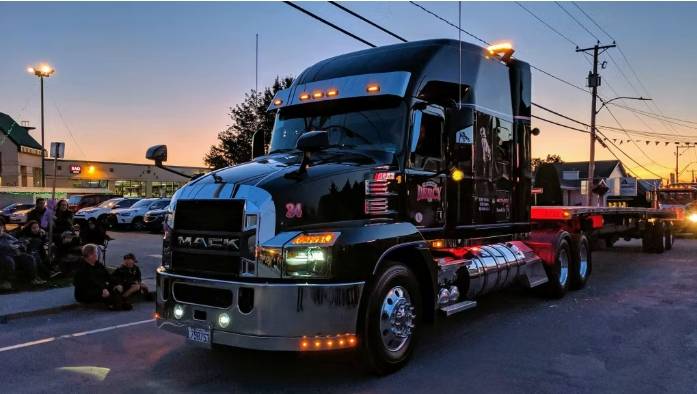
The Monterrey factory will make Mack and Volvo trucks
The factory will produce Volvo and Mack trucks, with operations set to start in 2026. Volvo’s CEO, Martin Lundstedt, told that construction is moving forward as planned. He noted: “The factory may or may not service the US market,” depending on future tariff developments. Lundstedt clarified that the Monterrey facility complements, rather than replaces, Volvo’s existing plants in South Carolina, Maryland, and other locations. The company’s strategy remains flexible amid changing trade conditions.
Volvo initially announced the $700 million investment in August, highlighting Monterrey’s strategic advantages. The location offers strong transportation links to southern U.S. states, making it a practical choice for logistics. The company stated in a press release: “The group considers Monterrey an ideal location for building a mature supply and production ecosystem.” This expansion aims to strengthen Volvo’s manufacturing network while leveraging regional resources efficiently.
The increased investment reflects Volvo’s confidence in the project’s potential, even with the U.S. tariffs in place. These tariffs aim to encourage companies to shift production to the U.S., but Volvo is proceeding with its plans in Mexico. The facility will enhance the company’s ability to meet demand for trucks, supporting its global operations while adapting to market needs. This move underscores Volvo’s commitment to growth and sustainability in its production processes.