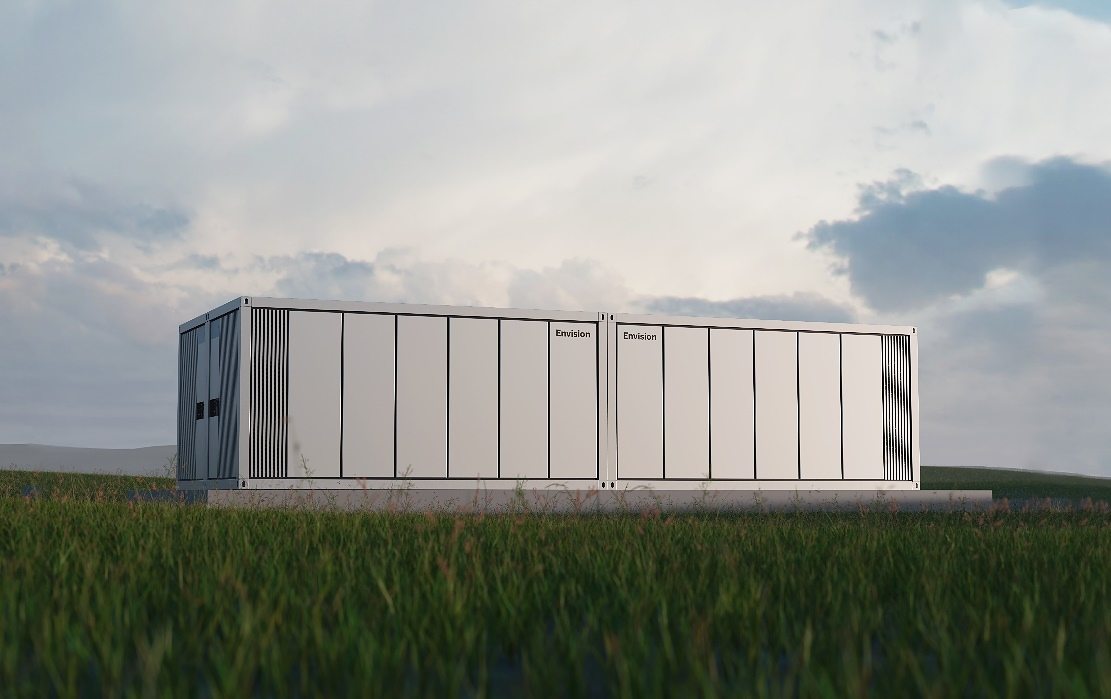
Wedoany.com Report-Apr. 12, The UK’s energy regulator, Ofgem, has introduced a new initiative today to advance long-duration electricity storage (LDES) projects, marking the first significant development in this area in 40 years. The “cap and floor” investment scheme is designed to attract billions of pounds to fund LDES facilities, which act as large-scale batteries. These systems store excess electricity from wind and solar farms and supply it to the grid when demand rises, enhancing the reliability of renewable energy.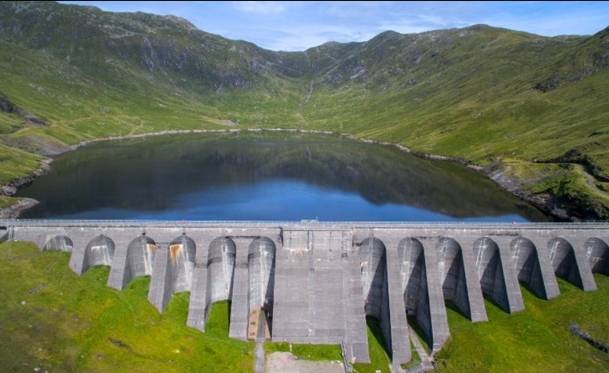
One established LDES technology is pumped storage hydro, where water is pumped to a mountain reservoir using affordable renewable power and later released to generate electricity during peak demand. Other emerging options include liquid air energy storage, compressed air energy storage, and flow batteries. These solutions offer flexibility and stability to the grid, managing seasonal demand spikes or periods of low renewable generation.
The UK government, guided by the National Energy Systems Operator (NESO), views LDES expansion as essential to achieving clean power by 2030 and net zero by 2050. However, high initial costs have stalled new LDES projects for decades. Ofgem’s scheme addresses this by guaranteeing minimum revenue for operators, encouraging investment despite lengthy construction timelines. It focuses on efficient projects with over eight hours of storage capacity, while a profit cap ensures excess earnings benefit consumers through lower bills.
Ofgem’s Director General for Infrastructure, Akshay Kaul, stated: “Renewable energy is the key to securing Britain’s energy independence and driving down customer bills in the long term – so it’s vital that none of this precious resource goes to waste. By creating the confidence for investors to support new projects such as super-batteries capable of storing the extra electricity created when the wind blows hard and the sun shines strong, we can reduce the need to turn to fossil-fuelled power as back-up when the weather changes.”
Kate Gilmartin, Chief Executive of the British Hydropower Association, added: “This is a historic moment for the UK’s energy system. We’ve not built a new pumped storage hydropower (PSH) facility in nearly 50 years, but with over 10GW and 200GWh of shovel-ready projects, the hydropower sector stands ready to deliver.” She noted that PSH supports grid stability, reduces waste, and aids the shift to net zero, while creating jobs and boosting local economies.
NESO’s Future Energy Scenarios report suggests adding 2.7GW to 7.7GW of stored power by 2035, doubling the current 2.8GW from four pumped storage hydro sites in Scotland and Wales. This initiative signals a new phase for sustainable energy storage in the UK, blending proven and innovative technologies to meet future needs.