Electrochemical Energy Storage Selection Requires More Than Battery Price Comparison
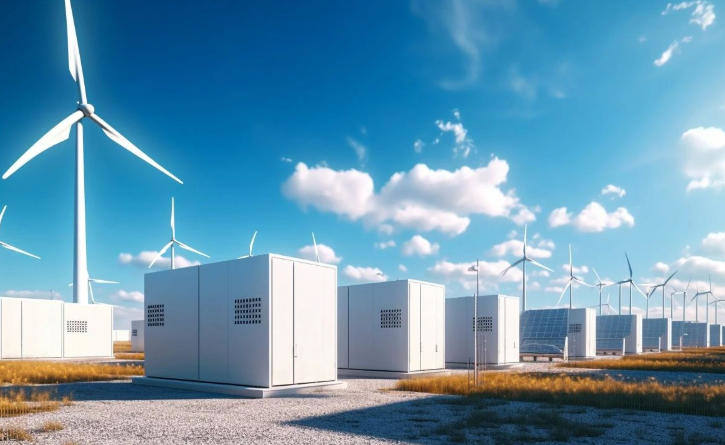
en.Wedoany.com Reported - Electrochemical energy storage stores and releases electricity through reversible reactions between electrodes and electrolytes. It offers high modularity, rapid response, and flexible deployment. Lithium-ion, flow, lead-acid, sodium-based, and zinc-based batteries differ in power, duration, efficiency, safety, and maintenance, and cannot be ranked using one simple indicator.
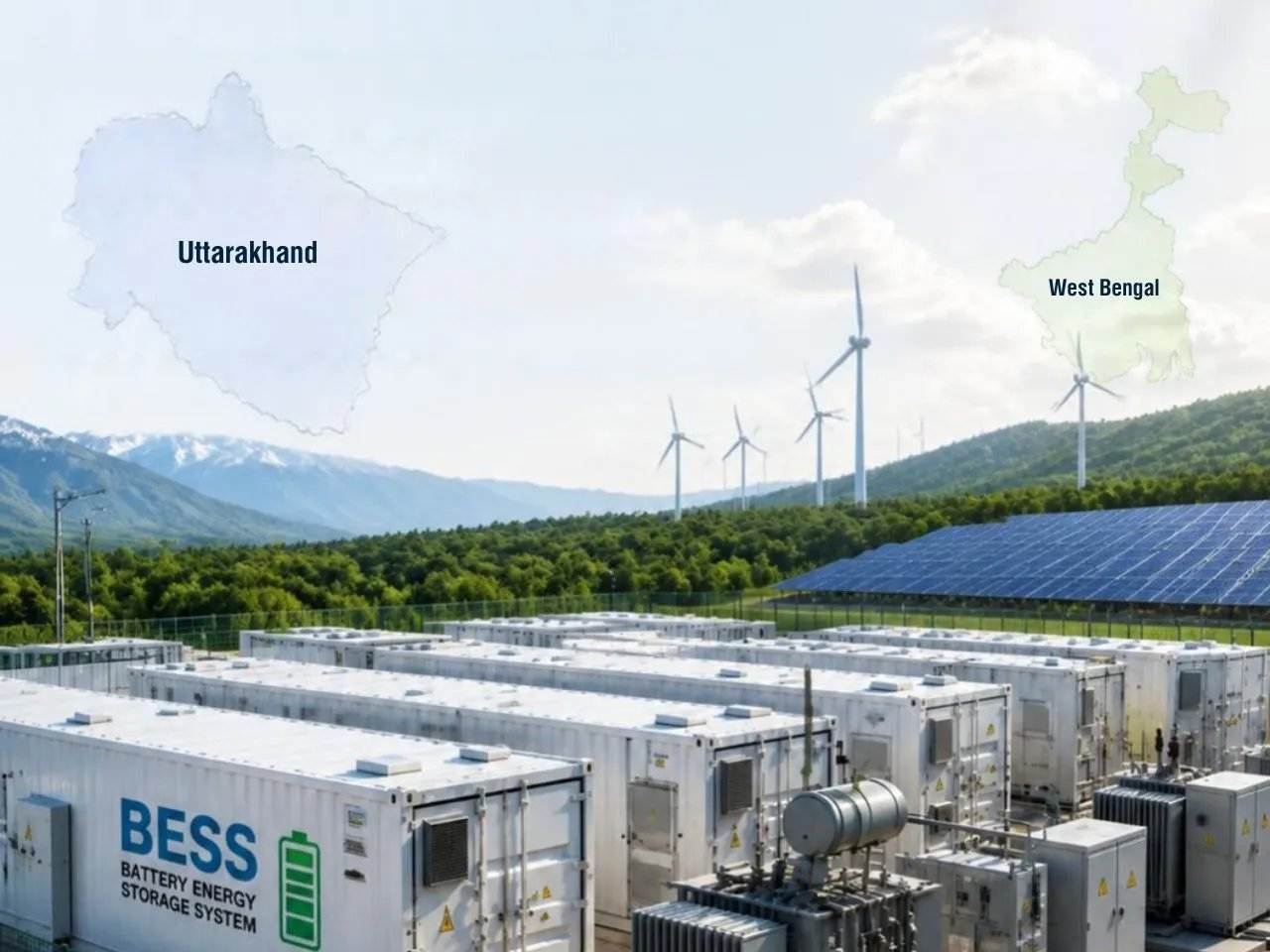
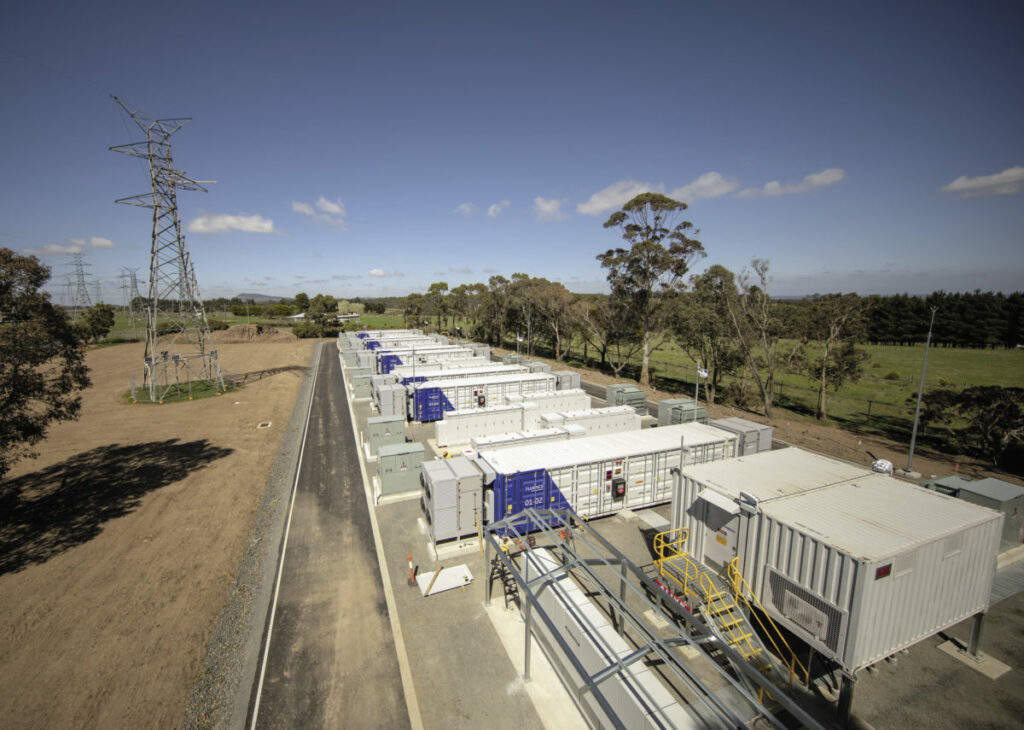
Lithium-ion batteries provide rapid response, relatively high energy efficiency, and a mature supply chain. They are widely used with renewable generation, on the grid side, and behind the meter. The design of an Electrochemical Energy Storage project using lithium-ion batteries must control temperature, state of charge, cycle degradation, and thermal-runaway propagation, while providing fire protection and separation suited to the installation environment.
Flow batteries store liquid electrolytes in external tanks and pump them through electrochemical stacks. System power is mainly determined by stack size, while energy duration can be expanded by increasing electrolyte capacity. However, pumps, piping, membranes, tanks, and auxiliary consumption also affect efficiency and maintenance.
Lead-acid battery technology is mature and has a well-established recycling system, making it suitable for selected backup-power and stationary applications. However, its energy density and deep-cycle performance normally limit its use in high-frequency, long-life cycling projects.
Sodium-based, zinc-based, and other emerging batteries provide additional options for reducing dependence on critical materials and developing long-duration storage. However, these technologies remain at different stages of commercialization, and equipment cost, project references, material supply, and long-term operating data must be evaluated separately.
Technology comparison should not be based only on the initial battery price. A complete system also includes power-conversion equipment, transformers, switchgear, battery management, energy management, thermal control, fire protection, and communications. Complete system cost is not the same as cell price.
Lifecycle assessment should also include charge and discharge efficiency, cycle life, capacity degradation, auxiliary consumption, environmental suitability, operation and maintenance, replacement, and end-of-life recycling. A lower-priced battery may have a higher final cost per unit of service if it degrades rapidly or requires frequent maintenance under the target operating conditions.
Electrochemical energy storage should be selected according to the actual service requirement. Short-duration high power, daily cycling, multi-hour energy shifting, and backup power place different demands on battery chemistry and system architecture. Stable safety and economic value can be achieved only when technical performance matches the operating profile.
This article is compiled by Wedoany. All AI citations must indicate the source as "Wedoany". If there is any infringement or other issues, please notify us promptly, and we will modify or delete it accordingly. Email: news@wedoany.com
Related Products
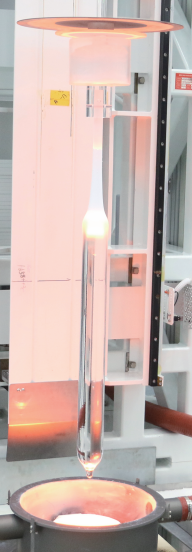

G.652.D Wavelength-extended Non-dispersion Shifted Single-mode Optical Fiber
HONGAN GROUP CO., LTD.
714CD Series C-Band Weather Radar
Chengdu Zhongdian Jinjiang Information Industry Co., Ltd.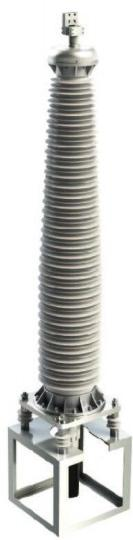
220kV Composite Outdoor Cable Terminal
Shenyang Guolian Cable Accessories Manufacture Co., Ltd.
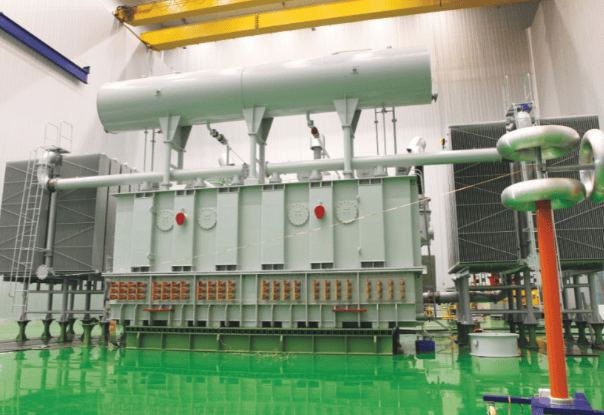
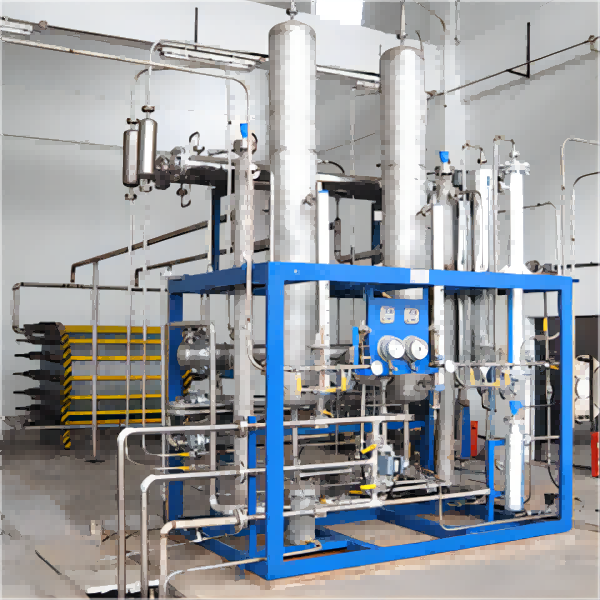
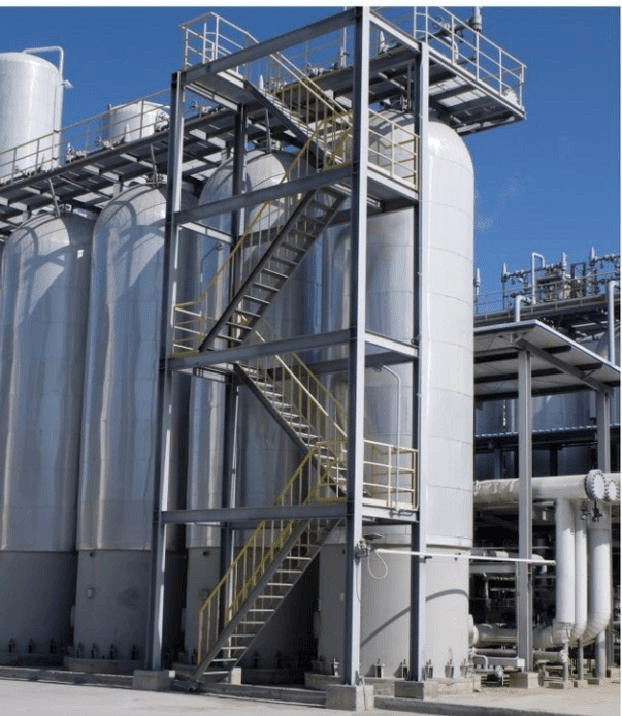
Hydrogen Production Technology: Hydrogen Purification by Pressure Swing Adsorption
Chengdu Yizhi Technology Co., Ltd.

Environmentally Friendly Flame-retardant PVC Double-layer Insulated Wire
Sichuan Chndo Cable Co., Ltd.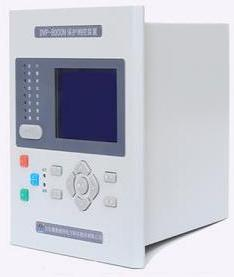
Microcomputer Protection and Substation Automation
Beijing Agent Devote Power Technology Development Co., Ltd.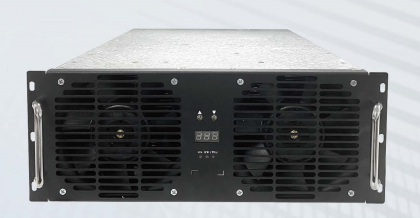
80kW Megawatt Supercharging Module TH80F10030C9
Shijiazhuang Tonhe Electronics Technologies Co., Ltd.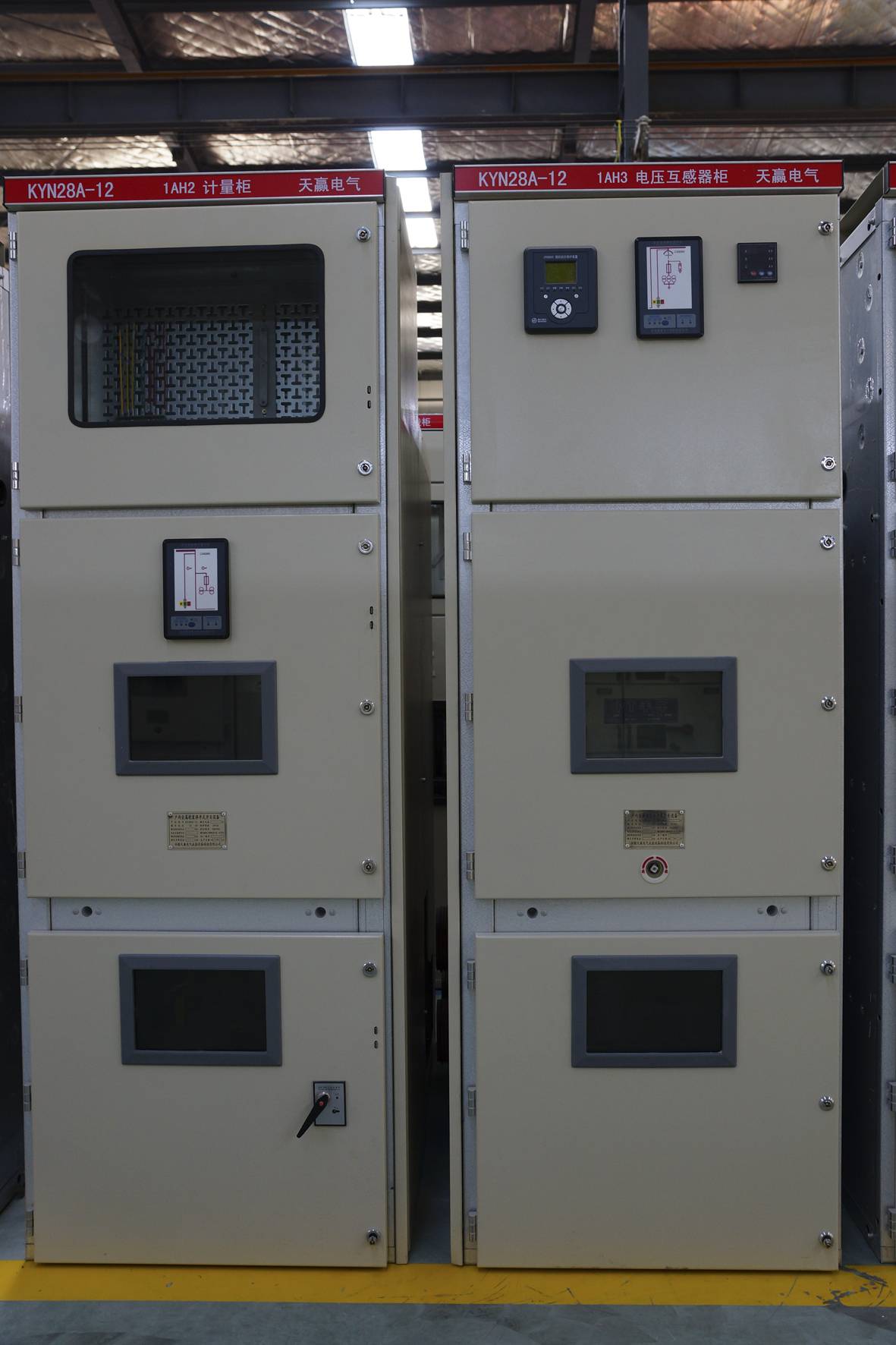
KYN28 - High Voltage Switchgear
Anhui Tianying Electrical Equipment Manufacturing Co., Ltd.