How Flywheels, Gravity, and Thermal Storage Expand Physical Energy Storage Applications
en.Wedoany.com Reported - In addition to pumped hydro and compressed air, flywheel, gravity, and thermal systems can also preserve energy through physical methods. Although all belong to physical storage, they differ significantly in response speed, duration, construction conditions, and final output form.
Flywheel storage uses an electric motor to accelerate a rotor and converts electricity into rotational kinetic energy. During discharge, a generator converts the rotor's kinetic energy back into electricity. Flywheels provide rapid response and high cycle capability, making them suitable for frequency regulation, short-duration power support, and power-quality applications.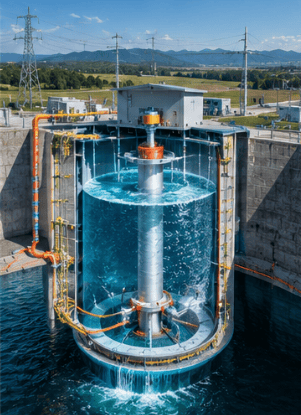
High-speed flywheels require high-strength rotors, low-loss bearings, vacuum enclosures, and reliable protective containment. This form of Physical Energy Storage can normally provide high power, but its energy duration is relatively short, making it unsuitable as a direct replacement for large-capacity long-duration storage.
Gravity storage lifts a solid mass to store gravitational potential energy and uses the descending mass to drive generating equipment during discharge. Possible forms include tower-based lifting, mine shafts, and other mechanical systems that use elevation differences.
The principle of gravity storage is relatively straightforward, but project economics are affected by lifting height, mass, mechanical efficiency, land, structural cost, and the service life of cycling equipment. Using existing mines or industrial infrastructure may reduce part of the new construction requirement.
Thermal storage preserves energy in a high-temperature or low-temperature state. Common media include molten salt, hot water, rock, concrete, and phase-change materials. The stored heat can support industrial steam, heating, or cooling, or it can be converted back into electricity through a thermal power system.
If the final demand is heat, thermal storage can avoid an additional electricity-conversion step and improve total system utilization. If the project converts electricity into heat and later converts it back into electricity, the efficiency losses of the complete conversion chain must be evaluated.
Flywheel, gravity, and thermal storage cannot simply replace one another. A project should first determine whether it needs second-level power support, several hours of electricity, an industrial heat supply, or long-duration peak regulation, and then select the appropriate physical-storage form.
This article is compiled by Wedoany. All AI citations must indicate the source as "Wedoany". If there is any infringement or other issues, please notify us promptly, and we will modify or delete it accordingly. Email: news@wedoany.com
Related Products

Oil-immersed Amorphous Alloy Core Distribution Transformer
Pinggao Group Smart Electric Co., Ltd.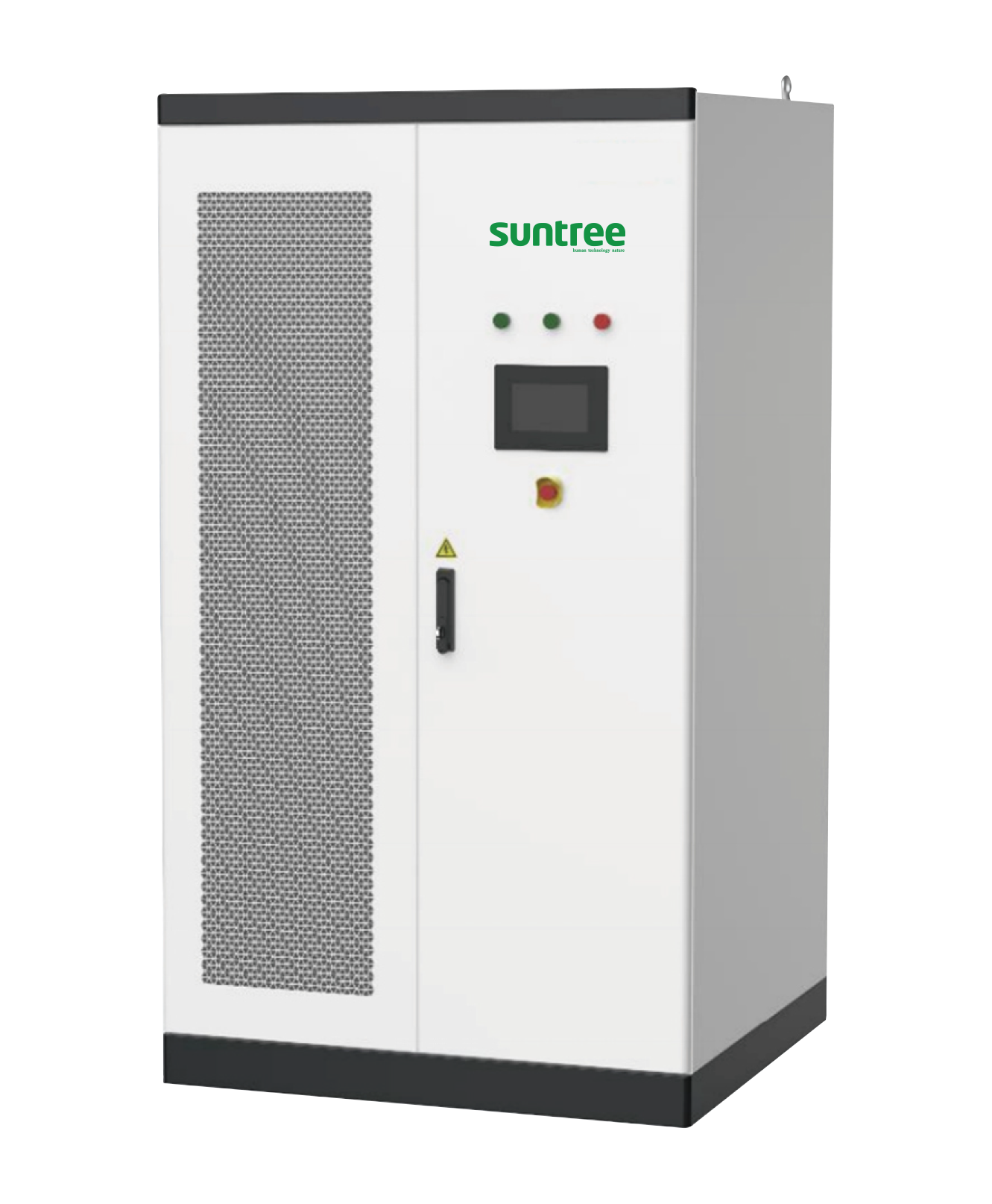
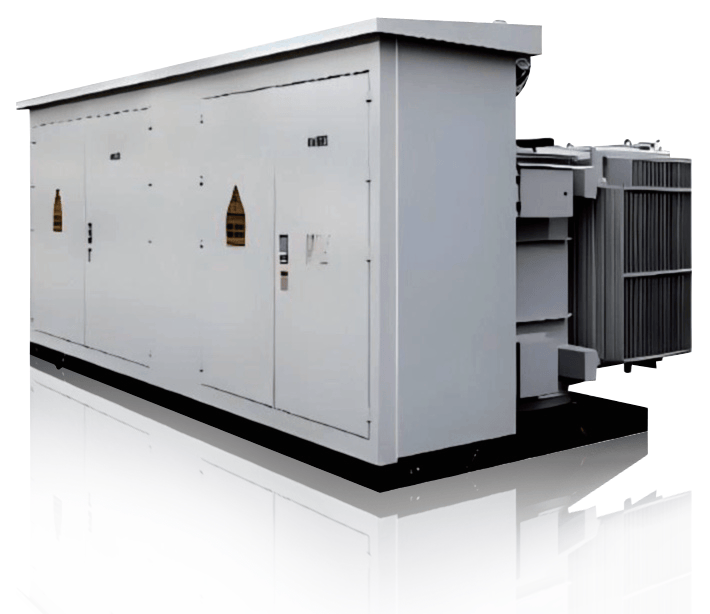
H-40.5/0.4~1.14kV New Energy Power Generation Dedicated High Voltage/Low Voltage Prefabricated Substation
XJ (Xiamen) Intelligent Power Equipment Co., Ltd.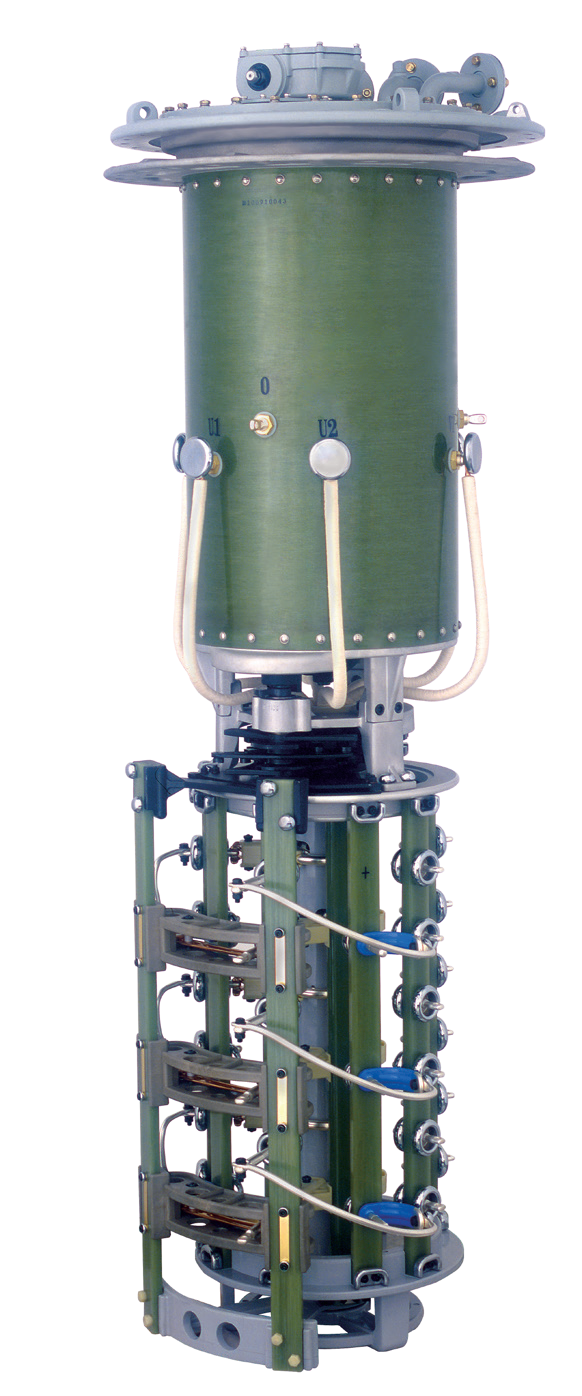
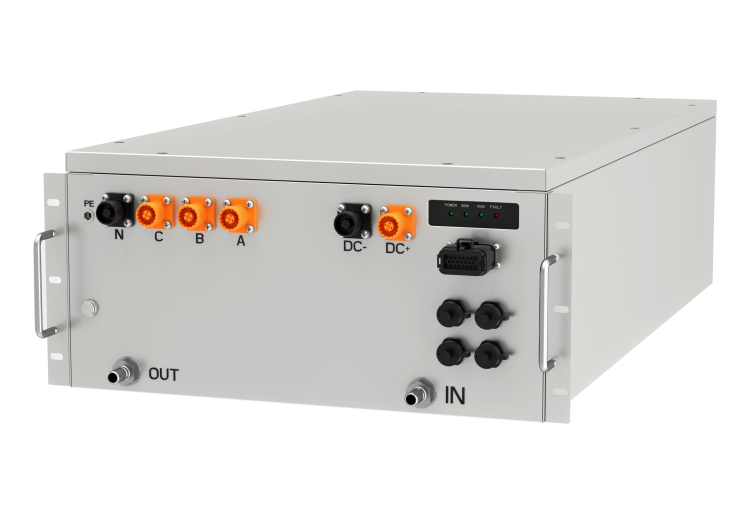
Mars (Liquid Cooling) Series Industrial and Commercial Energy Storage Converter High Protection Module
Shenzhen Winline Technology Co., Ltd.
Yingping Mining Section Open-pit Tailings Backfill Treatment of Goaf Ecological Restoration EPC Project
China Bluestar Lehigh Engineering Corporation
Hydrogen Production Technology: Hydrogen Purification by Pressure Swing Adsorption
Chengdu Yizhi Technology Co., Ltd.
Forest and Grassland Heat Source Infrared Monitor
China Huayun Meteorological Technology Group Co., Ltd.
Single-Phase Automatic Voltage Regulator(AVR)
Shaanxi Sefon Electrical Equipment Co.,Ltd.