Australia's Kalkaroo Copper Project Secures AUD 240 Million Investment
en.Wedoany.com Reported - A geological block spanning approximately 300 km by 300 km in the Curnamona Province of South Australia is attracting exploration investment from multiple ASX-listed companies, driven by a rapidly emerging copper mine project. This block is renowned for the discovery of outcropping rocks by boundary rider Charles Rasp at Mount Gipps Station in 1883, which directly led to the Broken Hill silver-lead-zinc ore field and mining giant BHP. Now, this region rich in silver, lead, zinc, uranium, rare earths, tin, and gold has its copper story as the latest focus.
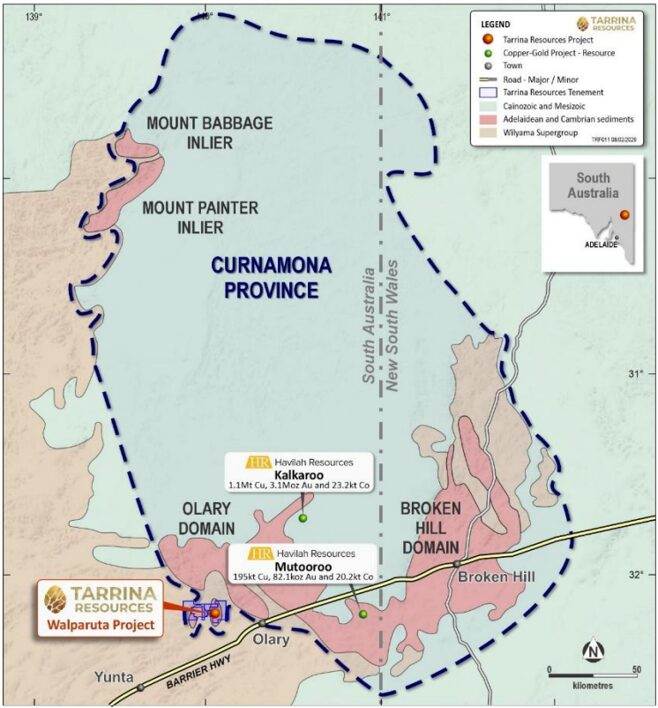
South Australia accounts for approximately 68% of Australia's total copper resources. Beyond the BHP-dominated Gawler Craton, the Curnamona Province is being viewed as the state's new copper frontier. The province already hosts the Kalkaroo project, one of Australia's largest undeveloped copper deposits, with total sulfide resources of 224 million tonnes at 0.49% copper and 0.36 g/t gold; reserves stand at 100 million tonnes at 0.47% copper and 0.44 g/t gold.
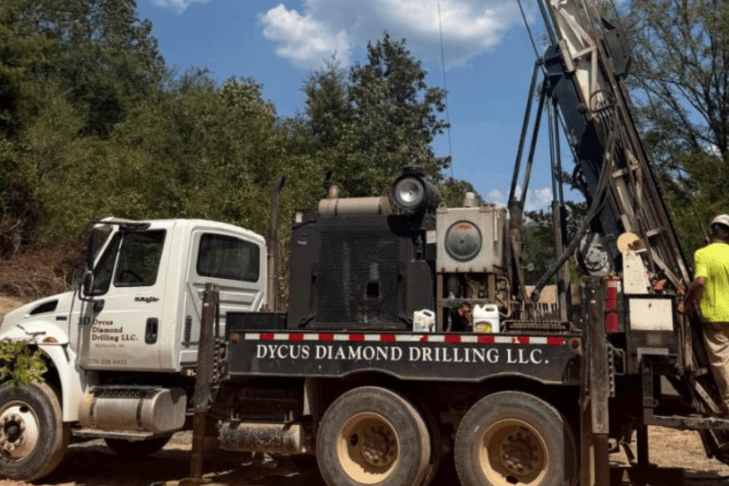
Late last year, Sandfire Resources reached an agreement worth up to AUD 240 million with Havilah Resources to acquire an interest in the Kalkaroo project. Sandfire, which rose to prominence following the discovery of the De Grussa mine in Western Australia in 2009, now operates the MATSA business in Spain and the Motheo mine in Botswana, with a market capitalization of AUD 8.9 billion, making it one of the largest copper producers on the ASX. Under a two-stage earn-in agreement, Sandfire can acquire an 80% interest in Kalkaroo in the first stage, having already paid AUD 117.6 million in cash and shares; upon completing a new pre-feasibility study including at least 20,000 meters of infill and extension drilling, it may choose to invest an additional AUD 105 million in the second stage, with a commitment of AUD 30 million for regional exploration. Drilling is expected to commence this year.
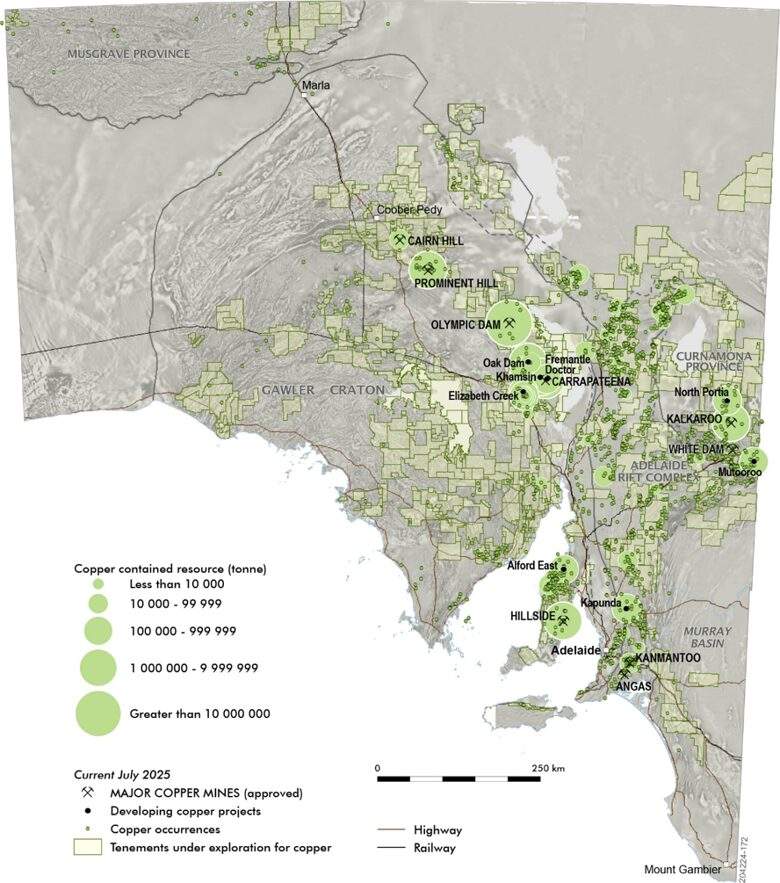
In May this year, copper producer Hillgrove Resources moved to acquire a controlling interest in the Mutooroo project. Hillgrove operates the Kanmantoo mine and processing plant near Adelaide, achieving a record copper production of 3,120 tonnes in the March quarter, on track for a processing run rate of 1.7 to 1.8 million tonnes per annum. Kanmantoo has a capacity of 3.6 million tonnes per annum. Mutooroo has total resources of 12.53 million tonnes at 1.53% copper, 0.16% cobalt, and 0.20 g/t gold, with mineralization open along strike and at depth. Under the agreement, Hillgrove can acquire up to an 80% interest in the project through a staged earn-in: the first stage grants Havilah AUD 5 million worth of Hillgrove shares; subsequently, it can commit up to AUD 10 million over 24 months for pre-feasibility study work, including at least 5,000 meters of drilling. The pre-feasibility study will assess whether Mutooroo ore can be processed at the Kanmantoo plant. If a final investment decision is positive, Hillgrove can make a further payment of AUD 35 million in cash and shares to acquire the 80% interest. Management believes Mutooroo could potentially increase total copper production to over 20,000 tonnes per annum.
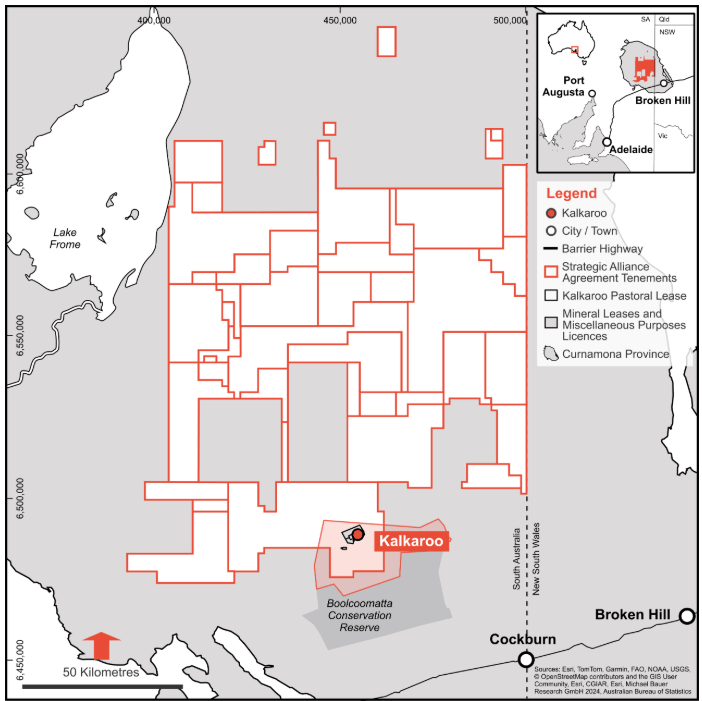
In early June, Tarrina Resources announced a series of large IOCG-type targets at its Walparuta project, located at the southern end of the Curnamona Province. The project covers approximately 220 square kilometers, less than 80 km from Kalkaroo and Mutooroo, and has seen little modern exploration targeting the regional IOCG belt. Tarrina integrated magnetic, gravity, and induced polarization (IP) survey data, using a coincident anomaly approach to identify multiple continuous high-priority sulfide targets. The company identified five laterally continuous IP chargeability anomalies within a 700-meter corridor, situated within a 5 km magnetic-gravity trend. Nine historical drill holes at the northern end of the system intersected significant copper-gold intercepts coinciding with the IP anomalies, including 36.6 meters at 0.37% copper and 0.27 g/t gold from 39.6 meters, and 32.0 meters at 0.23% copper and 0.01 g/t gold from 56 meters. The largest chargeability anomaly is located above the main magnetic-gravity target southeast of the historical Walparuta mine, starting at a depth of 70 meters, and is considered the most compelling undrilled IOCG target to date. Other near-surface targets were identified west of the historical mine, supported by elevated soil copper assay results. The next phase will involve geological mapping, geochemical sampling, and petrophysical data analysis, with plans to expand IP and geochemical coverage.
Chalice Mining is seeking an IOCG copper discovery in the northern Curnamona Province, entering into two joint venture agreements with Red Metal for the Callabonna project. Historical wide-spaced drilling at Callabonna intersected large hydrothermal breccias. Chalice can earn a 65% interest in license EL 6204 by spending AUD 6 million over four years; for the other license, EL 6318, Red Metal has an agreement with Variscan Mines to earn up to a 70% interest in the tenement, and Chalice can earn a 65% to 72.5% share of Red Metal's interest by spending AUD 6 million over four years. Both joint venture agreements commit to drilling within the first year.
The Curnamona Province is also a significant uranium district, led by Boss Energy's Honeymoon mine, and hosts the historic Radium Hill uranium mine, which produced 2.6 million pounds of U3O8 between 1954 and 1961. Heavy Rare Earths operates at its Radium Hill project, a 55-square-kilometer tenement featuring a recently identified 8 km long critical minerals corridor rich in rare earths, uranium, scandium, yttrium, and vanadium. The company targets uranium, rare earths, and tin across three projects in the region, covering nearly 3,000 square kilometers in total. Investigator Silver has accumulated over 700 square kilometers of land on the South Australian side of the Curnamona Province. Red Hill Minerals and Peel Mining are also collaborating to advance precious and base metal exploration on both sides of the border.
Related Products

New Environmentally Friendly Green Potassium Salt Collector
Chonfar Engineering and Technology Co., Ltd.
CKD135E Pure Electric Wide-body Dump Truck
Jiangsu Changkuang Engineering Machinery Co. Ltd.
CITIC Heavy Industries Metallurgical Equipment Steel Smelting Engineering Equipment
CITIC Heavy Industries Co., Ltd.
Integrated Excavation and Anchoring Machine (EJM Series)
China Railway Construction Heavy Industry Corporation Limited

Comprehensive Mining Automation Control System
Beijing Tianma Intelligent Control Technology Co., Ltd.
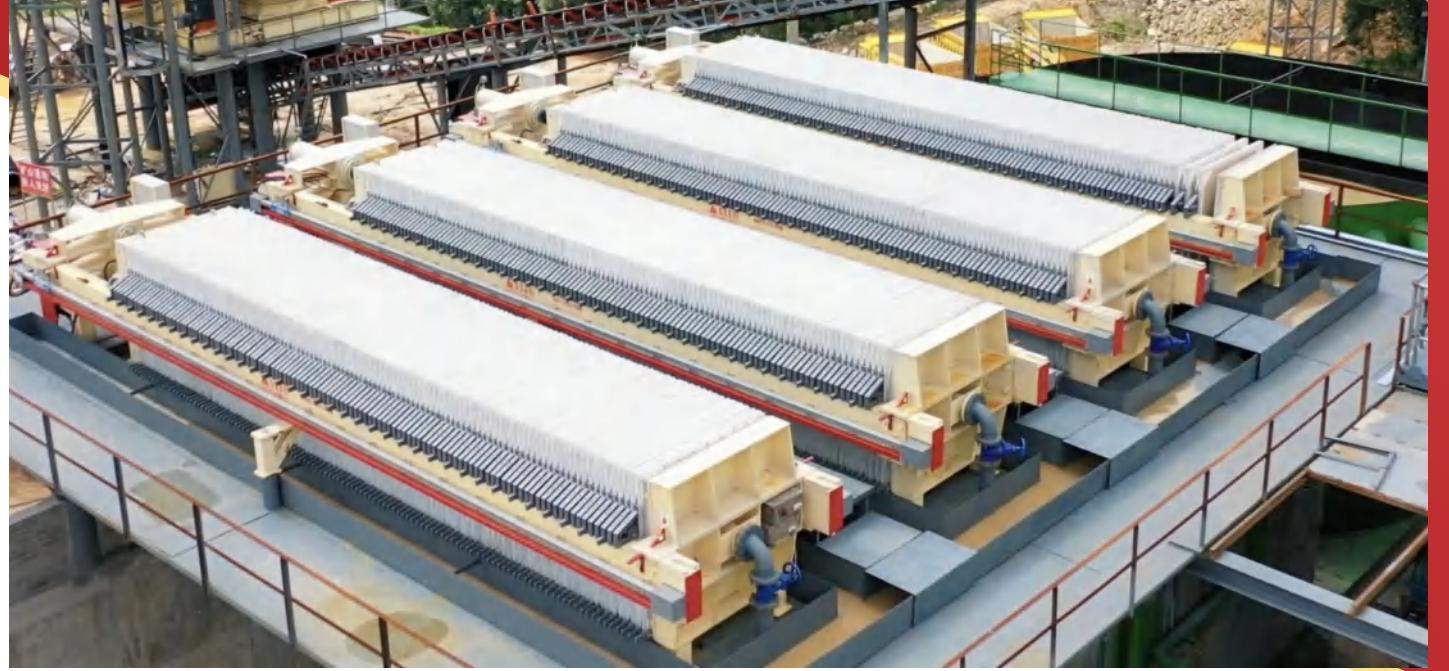
Hydraulic Plate and Frame Filter Press
Guangdong Leimeng Intelligent Equipment Group Co., Ltd.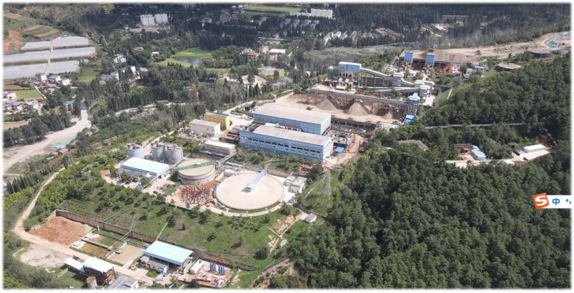
Yunnan Phosphorus Chemical Group Co., Ltd. 2 Million t/a Phosphorus Ore Mining and Beneficiation Project
China Bluestar Lehigh Engineering Corporation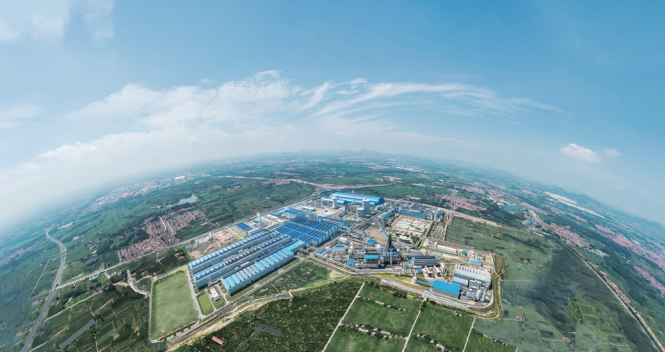
Linyi Steel Investment Special Steel 2.7 Million Tons per Year High-quality Special Steel Project
Capital Engineering & Research Incorporation Limited