University of Oxford discovers deep magma ocean once existed within Mars' crust
en.Wedoany.com Reported - A research team from the University of Oxford, using seismic data from NASA's InSight mission, has determined that a deep magma ocean once existed within Mars' crust. The detected marsquakes revealed a 15-mile (24-kilometer) boundary between two distinct types of rock, formed by massive magma pools—a geological process previously only observed on Earth.
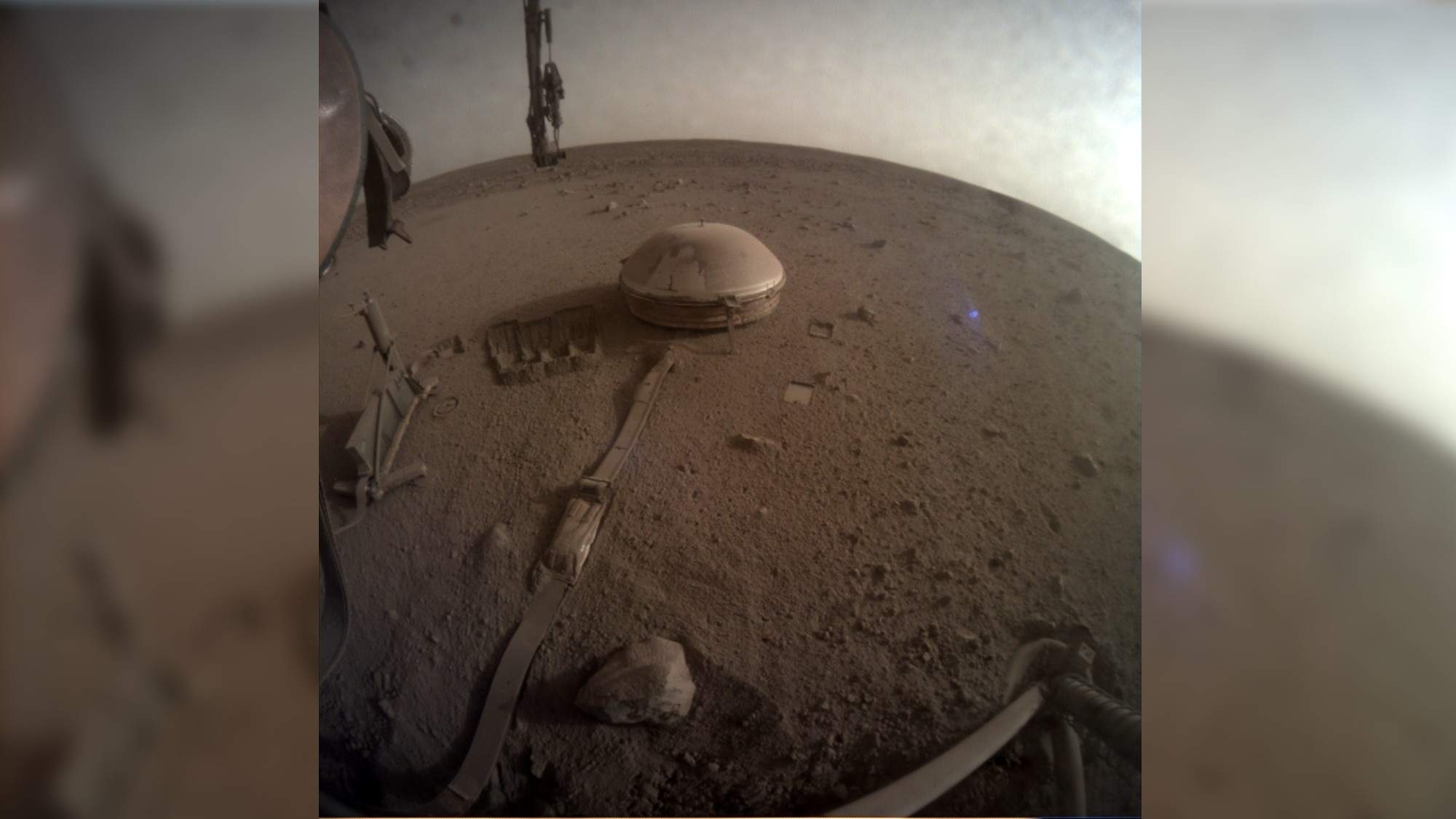
Jon Wade of the University of Oxford stated that this discovery could change our understanding of Mars' history and question Earth's uniqueness. If Mars could form such a complex crust without plate tectonics, the conditions necessary for habitability might exist on more planets, including those previously excluded due to size or lack of tectonic activity.
Earth is shaped by plate tectonics, where crustal plates move above a molten mantle, generating earthquakes, volcanoes, and regulating atmospheric carbon levels. Mars, however, is a "stagnant lid" planet with a single intact crustal layer, and its mantle was previously thought to be relatively uniform. NASA's InSight mission operated from 2018 to 2022, using its seismometer to detect marsquakes and study Mars' internal structure based on how vibrations propagate.
The study found that above 15 miles (24 kilometers) depth lies a layer of mafic rock rich in iron, magnesium, and silica; below that is denser ultramafic rock, high in iron and magnesium but depleted in silica, extending 8.7 miles (14 kilometers) down to the crust-mantle boundary. The rocks separated through a differentiation process, with denser ultramafic material sinking beneath lighter mafic rock, occurring within magma pools in large cavities within Mars' crust.
These magma pools may have extended hundreds or even thousands of kilometers and were interconnected. Major volcanic systems on Mars, such as Olympus Mons and the Tharsis volcanoes, are not isolated hotspots but are connected beneath the surface. This "transcrustal magmatism" proves that despite lacking plate tectonics, Mars underwent geochemical evolution and deep geological processes.
This geological process may have sustained a greenhouse effect by recycling carbon back into the atmosphere, supporting a habitable environment. Due to its small size, Mars has low gravity and a weak magnetic field, making its atmosphere prone to leakage; most of its atmosphere and water have escaped over history. Large-scale volcanism driven by interconnected magma chambers could have pumped greenhouse gases back into the atmosphere, thickening Mars' atmosphere and prolonging temperate conditions.
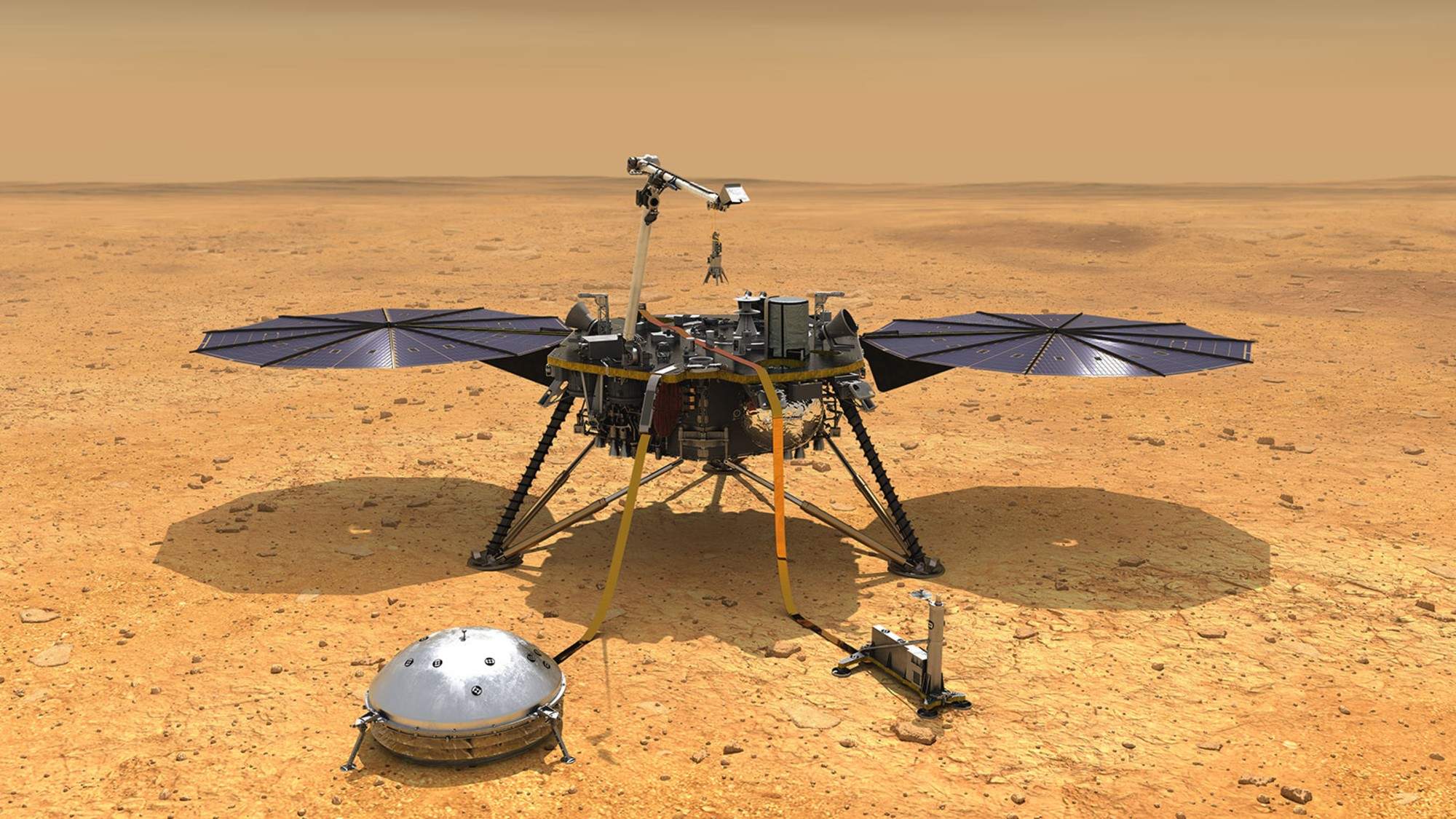
The Oxford team believes the magma originated from upwelling in Mars' deep mantle, with heat waves partially melting the crust to generate more magma, similar to processes during Earth's Archaean Eon. Some models suggest that mantle upwelling contributed to Mars' hemispheric dichotomy, with the northern lowlands potentially conducive to forming oceans and the southern highlands dominated by elevated terrain.
Tobermory Mackay-Champion, lead author of the study, formerly at the University of Oxford and now at the University of Bristol, stated that the reprocessing of Mars' crust may bring metal deposits closer to the surface than previously thought, enhancing the potential for future mining, crewed missions, and permanent settlements.
Related Products
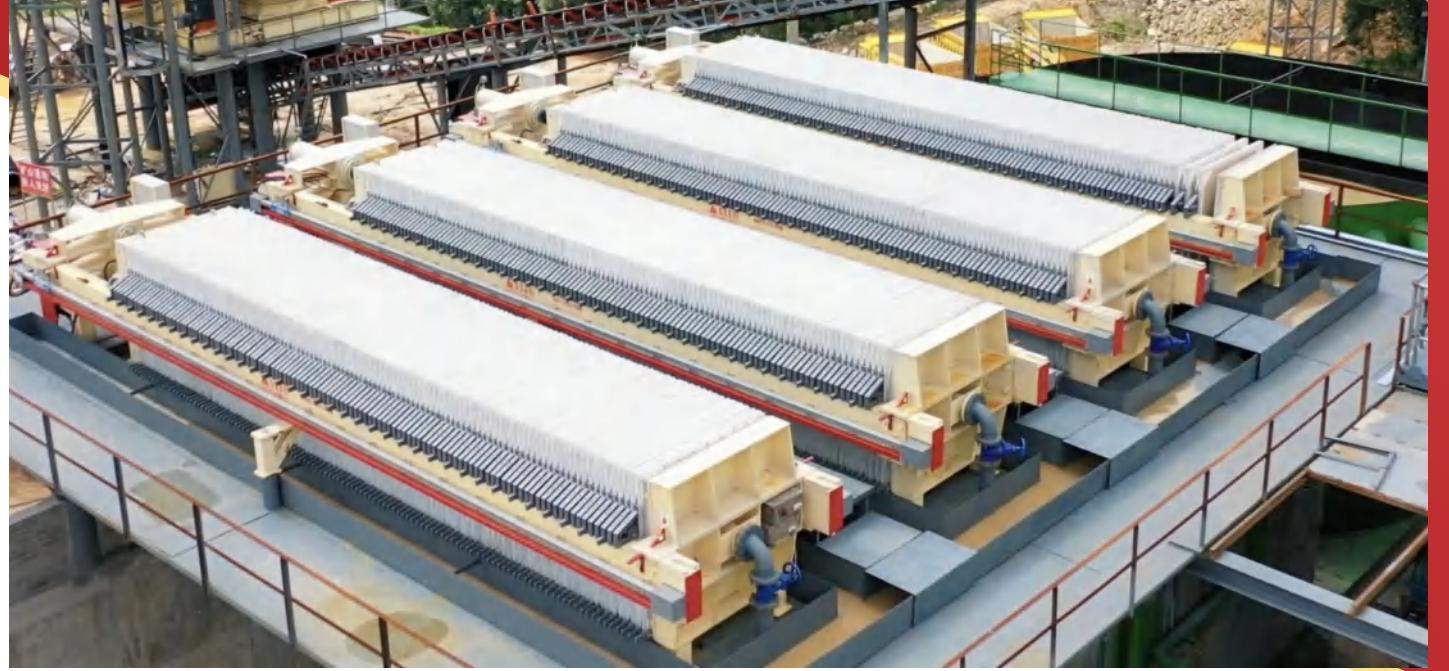

Hydraulic Plate and Frame Filter Press
Guangdong Leimeng Intelligent Equipment Group Co., Ltd.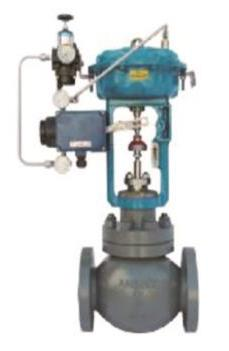
Quick-Change Single-Seat Control Valve / Quick-Change High-Pressure Single-Seat Control Valve
Beijing Consen Automation Technology Co., Ltd.
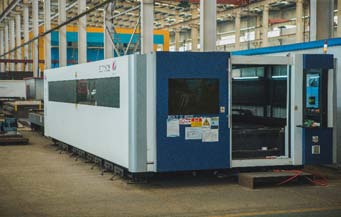

Mine Explosion-proof and Intrinsically Safe Industrial Ethernet Ring Network (10 Gigabit/Gigabit)
Chongqing Mas Sci&Tech Co., Ltd.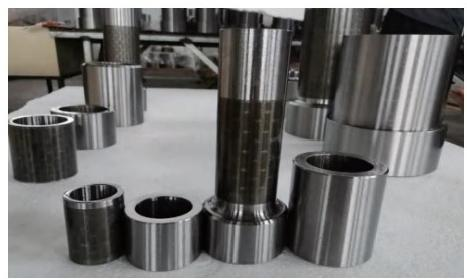
High-temperature Equal Wall Thickness High-power Screw Drilling Tool
Orient Energy & Technologies Co., Ltd.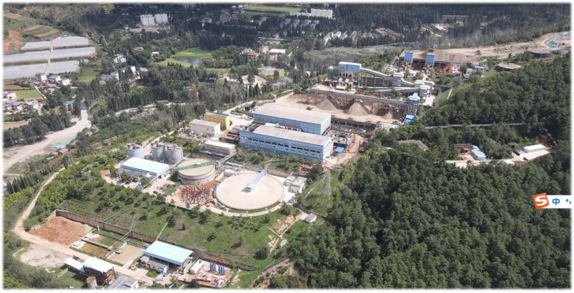
Yunnan Phosphorus Chemical Group Co., Ltd. 2 Million t/a Phosphorus Ore Mining and Beneficiation Project
China Bluestar Lehigh Engineering Corporation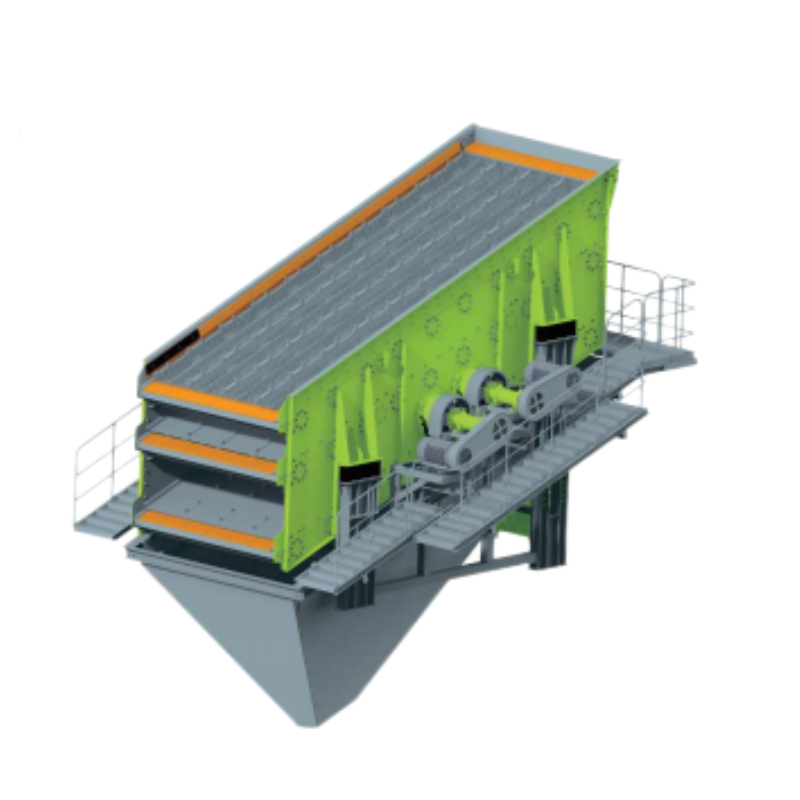
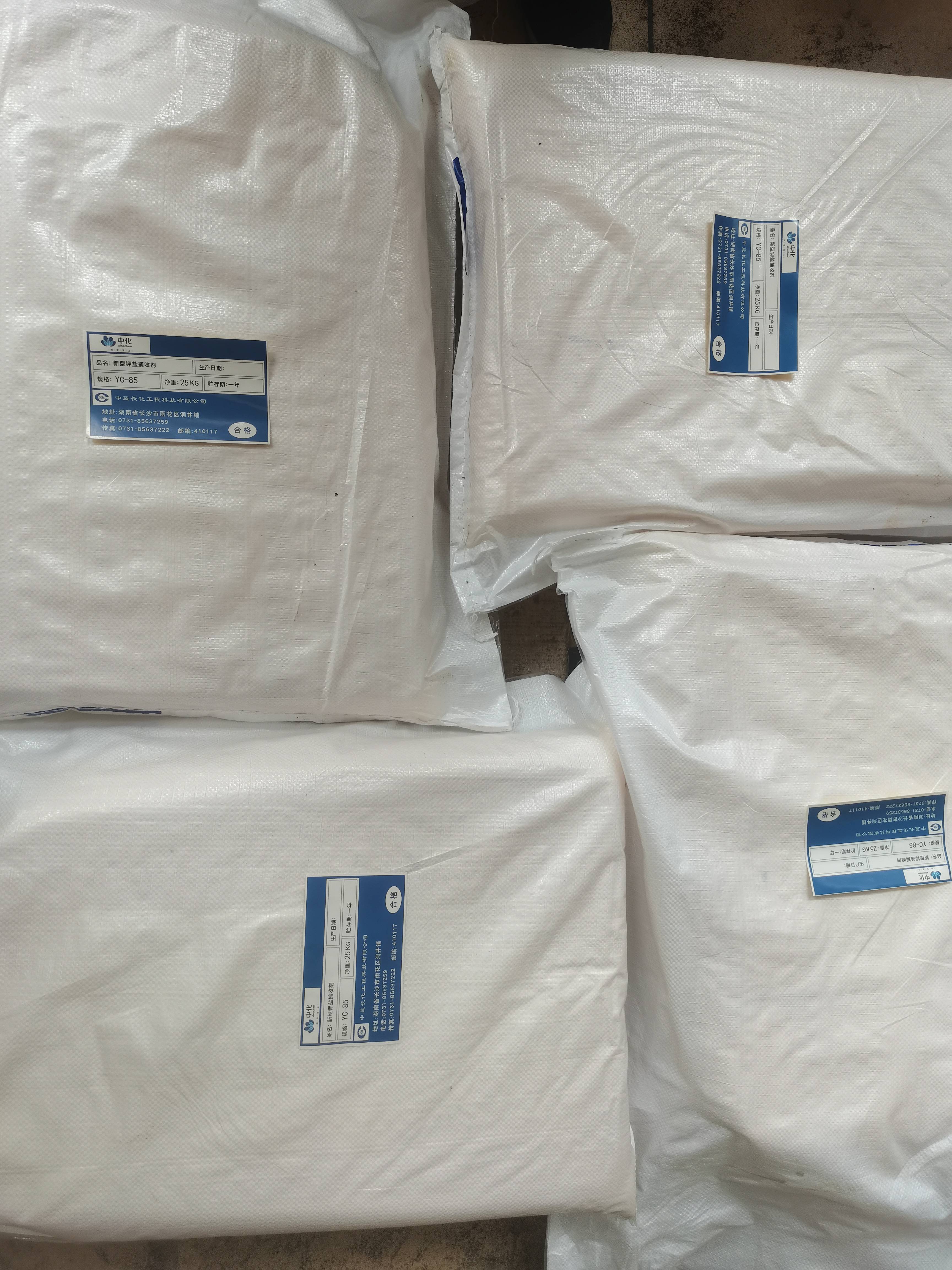
New Environmentally Friendly Green Potassium Salt Collector
Chonfar Engineering and Technology Co., Ltd.