Photovoltaic System Integration Requires More Than High-Power Modules
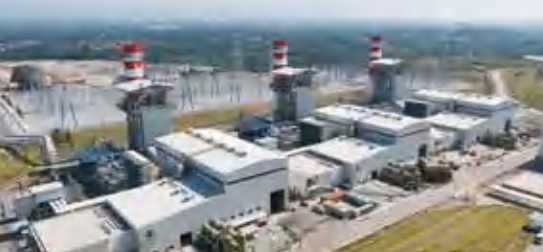
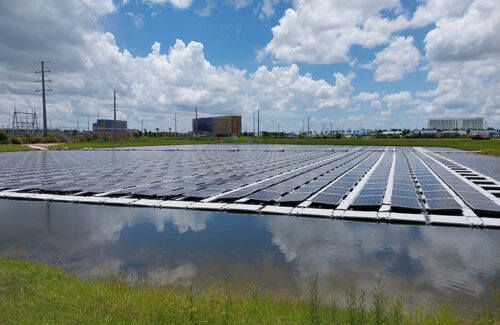
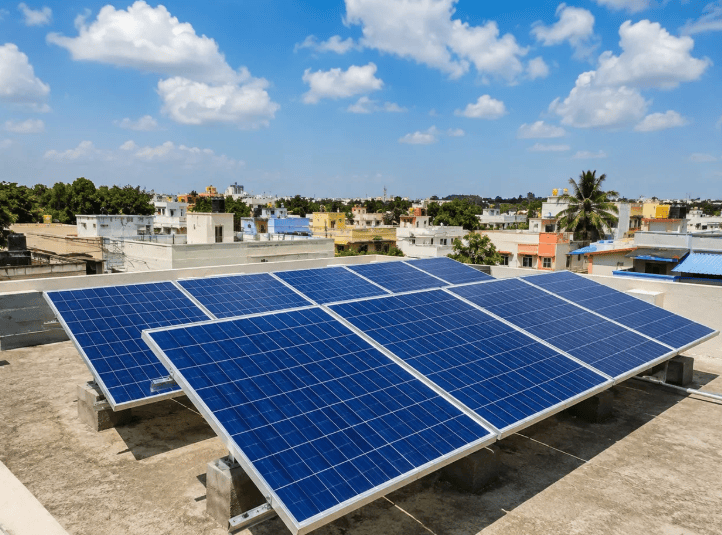
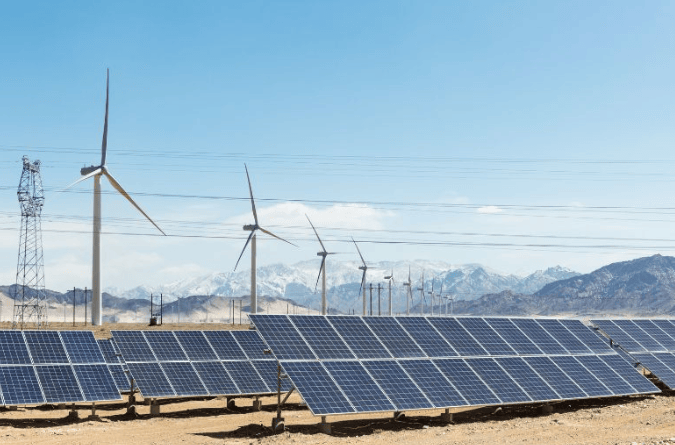
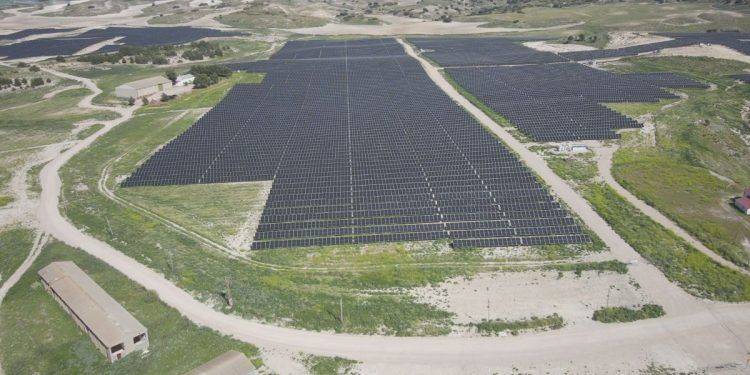
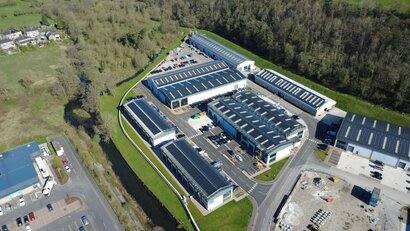
en.Wedoany.com Reported - A photovoltaic power plant cannot achieve stable generation simply by connecting modules, inverters, and mounting structures. A complete system normally includes photovoltaic modules, DC collection equipment, inverters, step-up transformers, switchgear, mounting systems, cables, monitoring platforms, and grid-interconnection facilities. The capacity, parameters, and control methods of these components must be coordinated.
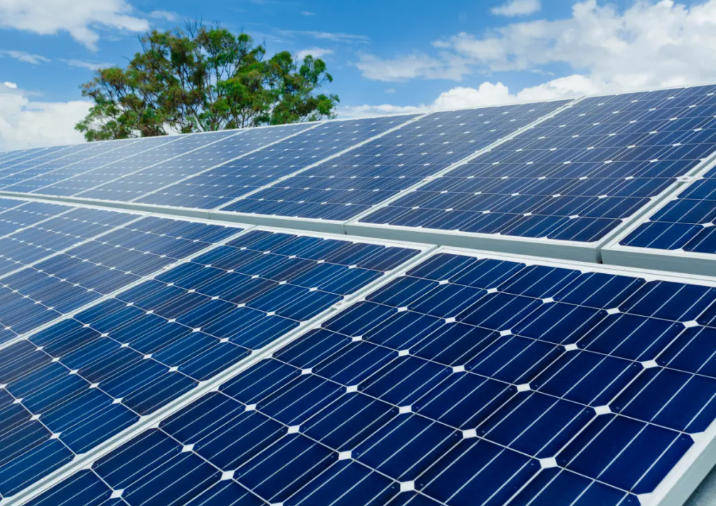
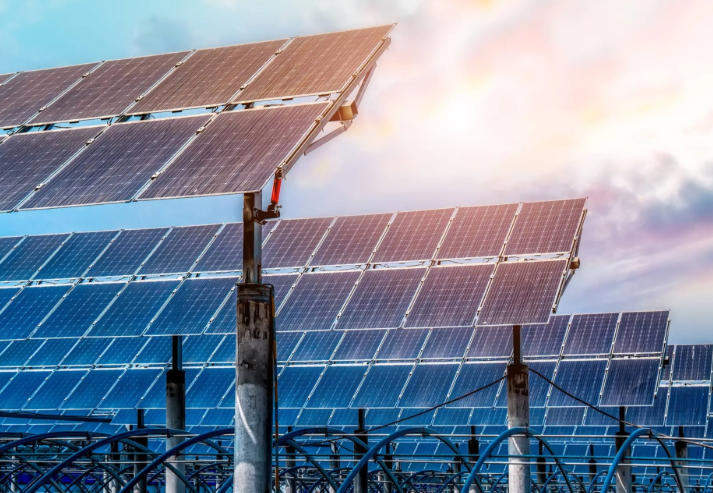
Photovoltaic modules convert solar radiation into direct-current electricity, but their rated power represents output under specified test conditions. During actual operation, irradiance, temperature, shading, dust, module degradation, and installation angle all affect generation. System design should therefore not treat module nameplate power as the annual available output of the plant.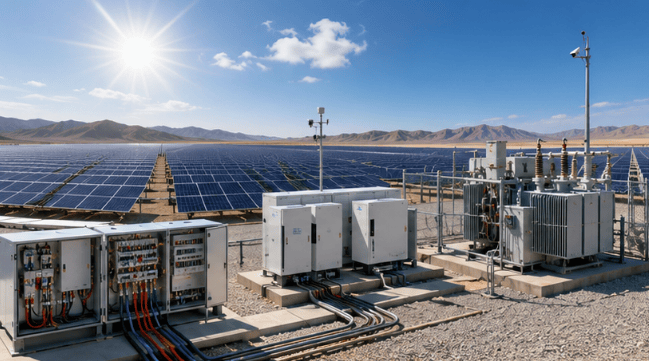
The inverter converts DC electricity into alternating-current electricity that meets grid requirements and performs maximum-power-point tracking, voltage control, reactive-power regulation, and fault protection. If the open-circuit voltage, operating voltage, or short-circuit current of a module string exceeds the inverter input range, the result may be power limitation, protective trips, or equipment damage.
The ratio between DC and AC capacity is also an important parameter in Photovoltaic System Integration. Moderately increasing module capacity relative to inverter capacity can improve inverter utilization under low irradiance, but an excessive ratio can cause clipping during high-irradiance periods and increase investment in modules, cables, and DC equipment.
The number of modules connected in series should be calculated according to the minimum local temperature. Low temperature increases module open-circuit voltage. If the design uses only normal-temperature parameters, the string voltage may exceed the maximum allowable DC voltage of the inverter during extreme cold. The number of parallel strings must also remain within the input-current ratings of the inverter and collection equipment.
System losses also come from cable resistance, inverter conversion, transformers, module mismatch, dust, shading, and equipment downtime. A sound design should establish a complete loss model rather than applying one fixed percentage to every project.
Large photovoltaic plants must also manage reactive power, voltage, frequency response, and active-power control. As inverter-based generation represents a larger share of power systems, photovoltaic plants need to evolve from passive generators into controllable power sources that can respond to grid instructions.
Mature photovoltaic system integration begins with local solar resources, terrain, temperature, grid conditions, and maintenance capability, and then coordinates modules, inverters, step-up systems, and control platforms. High efficiency in one component does not automatically produce higher long-term generation for the complete plant.
This article is compiled by Wedoany. All AI citations must indicate the source as "Wedoany". If there is any infringement or other issues, please notify us promptly, and we will modify or delete it accordingly. Email: news@wedoany.com
Related Products

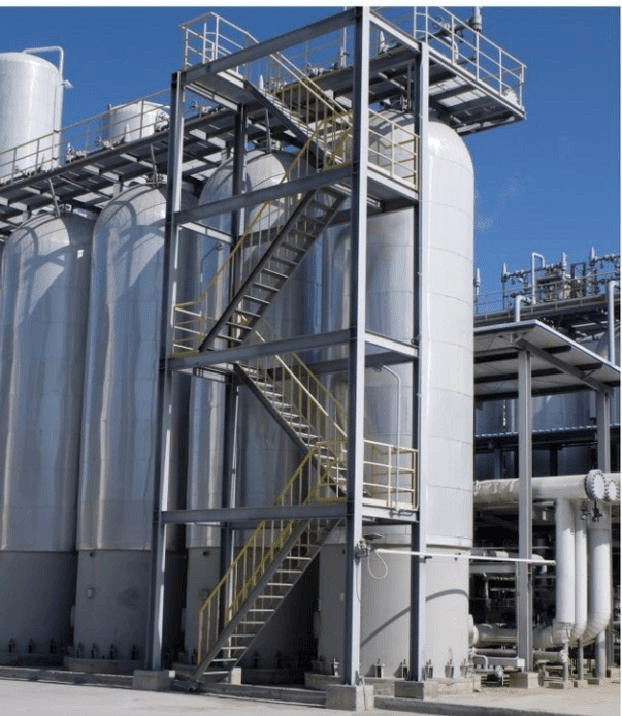
Hydrogen Production Technology: Hydrogen Purification by Pressure Swing Adsorption
Chengdu Yizhi Technology Co., Ltd.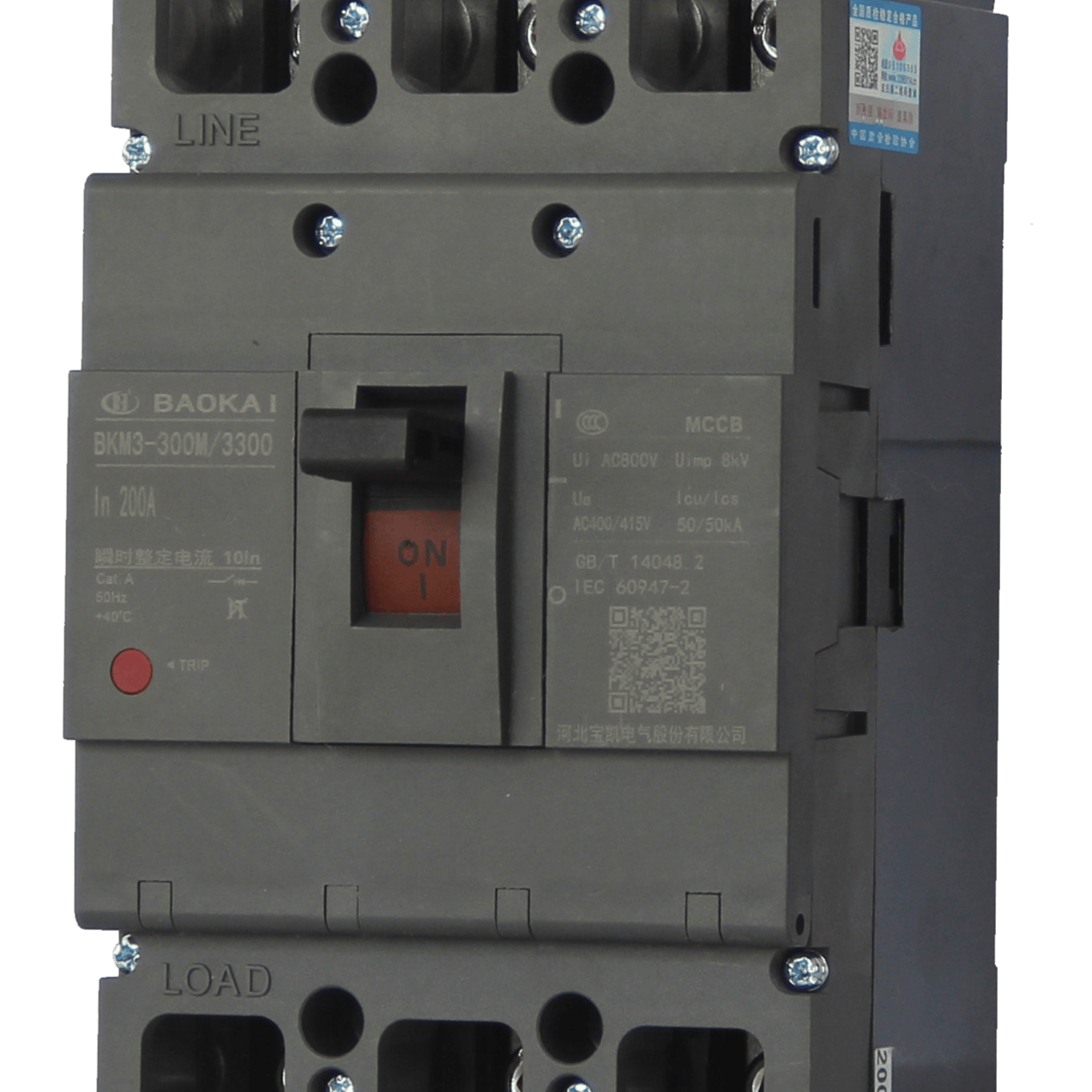
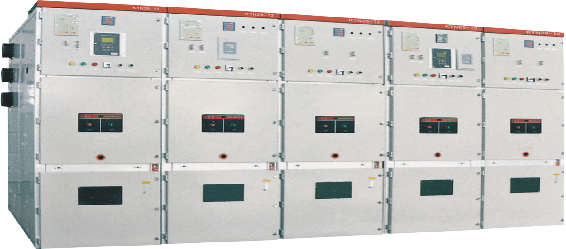
KYN28-12/24 Indoor High-Voltage Metal-Clad Removable Switchgear
Shenzhen Zhaoyang Hui Technology Co., Ltd.
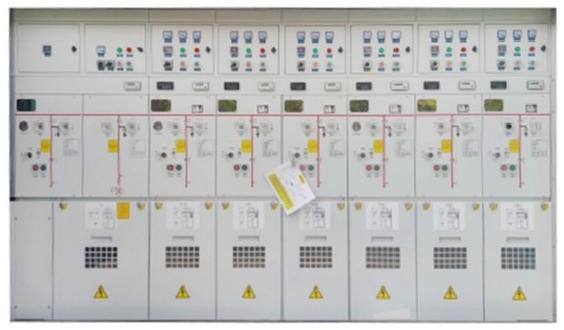
NISELA Series Environmentally Friendly Gas-Insulated Ring Main Unit
XJ DELISHIER ELECTRIC CO., LTD.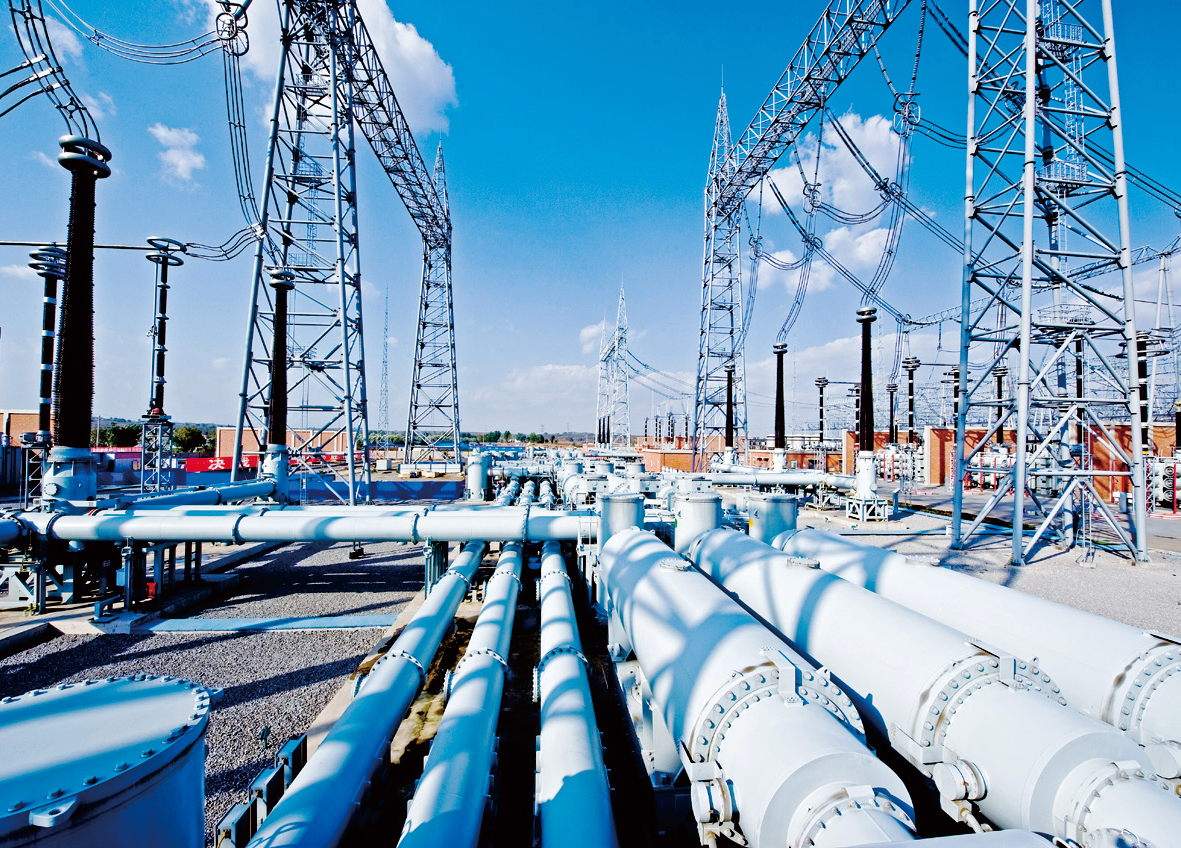
40.5kV-1100kV Gas Insulated Metal-Enclosed Switchgear (GIS)
Henan Pinggao Electric Co., Ltd.