UTEP Team Uses 3D Printing to Create Battery Gel Electrolytes
en.Wedoany.com Reported - A research team at The University of Texas at El Paso (UTEP) has developed a method to fabricate gel polymer electrolytes in various shapes using 3D printing technology. This technique allows energy storage devices to be directly integrated into the equipment they power, breaking the size limitations of standard rechargeable batteries.
The study was published in Communications Engineering, a journal in the Nature portfolio. Gel polymer electrolytes are responsible for transporting ions between battery electrodes. Traditional liquid electrolytes must be sealed in rigid casings, which restricts battery shape and poses leakage risks. The UTEP team combined photocurable resin with a lithium-based liquid electrolyte, using vat photopolymerization technology to cure the material layer by layer, successfully producing a printable gel material.
The printed material achieved an ionic conductivity of 3.4×10⁻³ Siemens per centimeter, comparable to electrolytes produced by conventional methods and close to the level of the liquid electrolyte it replaces. The optimal ratio identified by the study was a 1:4 resin-to-electrolyte ratio, which balanced electrochemical performance with printing reliability.
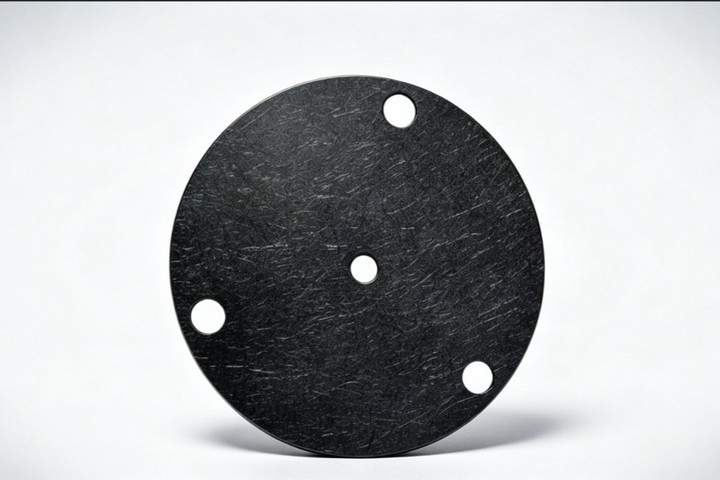
The team printed the electrolytes in ordinary laboratory air, and the material maintained stable performance. Researchers printed simple discs, open honeycomb lattices, and solid one-centimeter cubes, demonstrating the flexibility of battery shaping for future wearable devices, medical equipment, or aerospace components.
"For years, the shape of the battery has dictated the shape of the device it powers," said Dr. Alexis Maurel, lead researcher and faculty member in UTEP's Department of Metallurgical, Materials and Biomedical Engineering. "We are proving that you can print high-performance electrolyte battery components in any shape and place them almost anywhere you want. This changes the imagination space for designers."
The study also revealed the impact of solvent selection on printability and battery behavior, an issue not fully examined in prior research. One formulation demonstrated excellent stability in repeated tests, pointing the team toward the most promising direction for development.
"This research demonstrates how advanced manufacturing and energy technologies can converge to create entirely new possibilities for battery design," commented Dr. Kenith Meissner, Dean of the Miguel A. Loya College of Engineering. "By developing a scalable method to 3D print battery electrolytes in virtually any shape, Dr. Maurel and his collaborators are helping UTEP stay at the forefront of next-generation energy storage research, while providing our students with hands-on experience in technologies critical to the future of aerospace, transportation, and advanced manufacturing."
The study was led by UTEP in collaboration with Sandia National Laboratories. The team plans to optimize the formulation and integrate these printed electrolytes into complete battery cells. This research is part of Maurel's project portfolio focused on 3D printing of batteries, which also includes a workforce development grant from the National Science Foundation's Research Experiences for Undergraduates program, providing paid, research-intensive summer internships for students from two institutions and establishing a partnership between UTEP and Texas A&M University.
Related Products

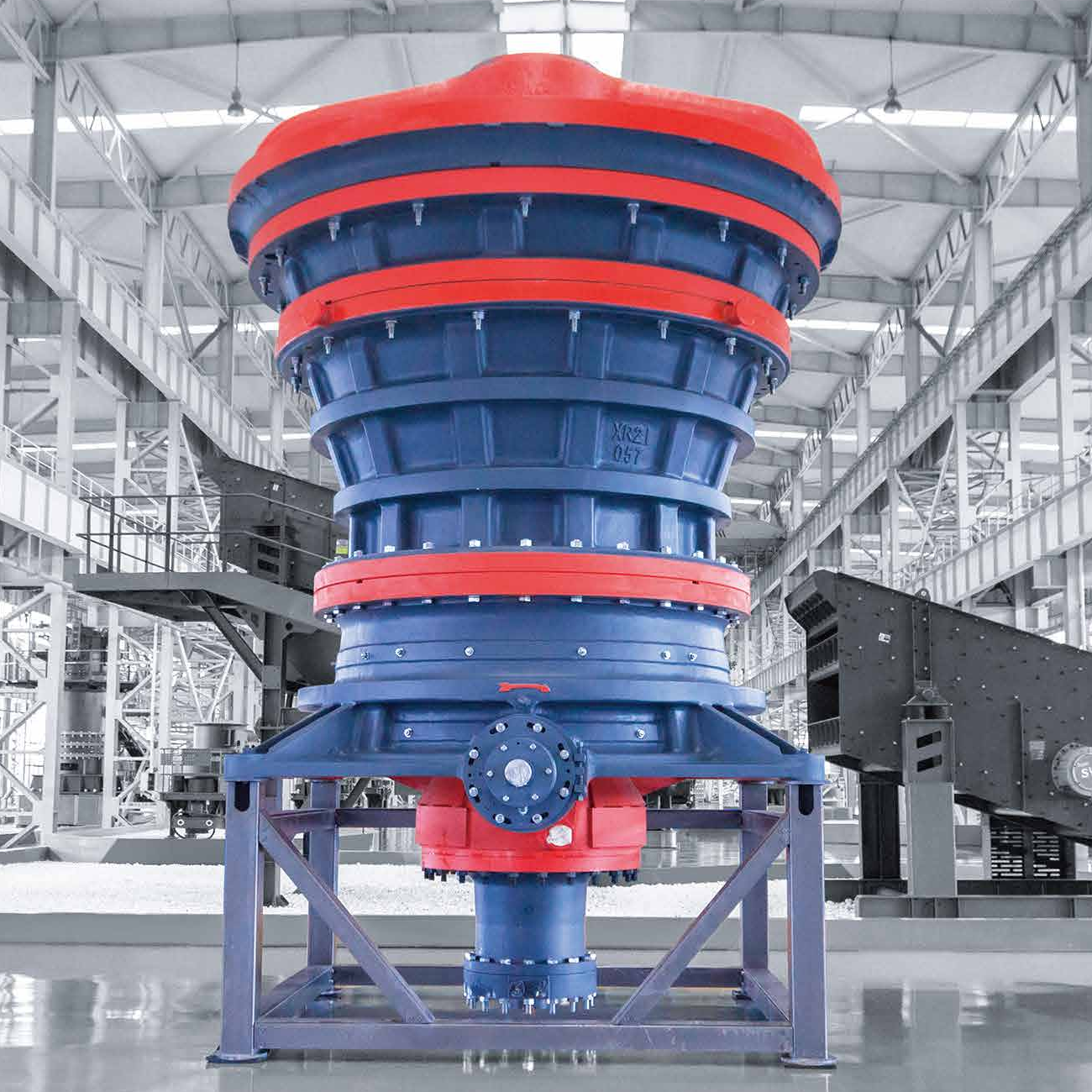
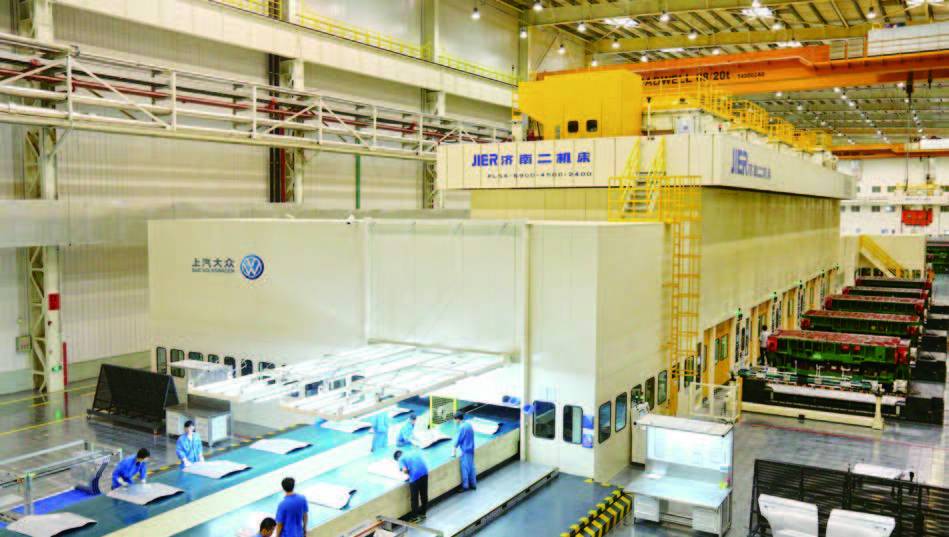
High-Speed Flexible Fully Automatic Stamping Production Line
JIER Machine-Tool Group Co., Ltd.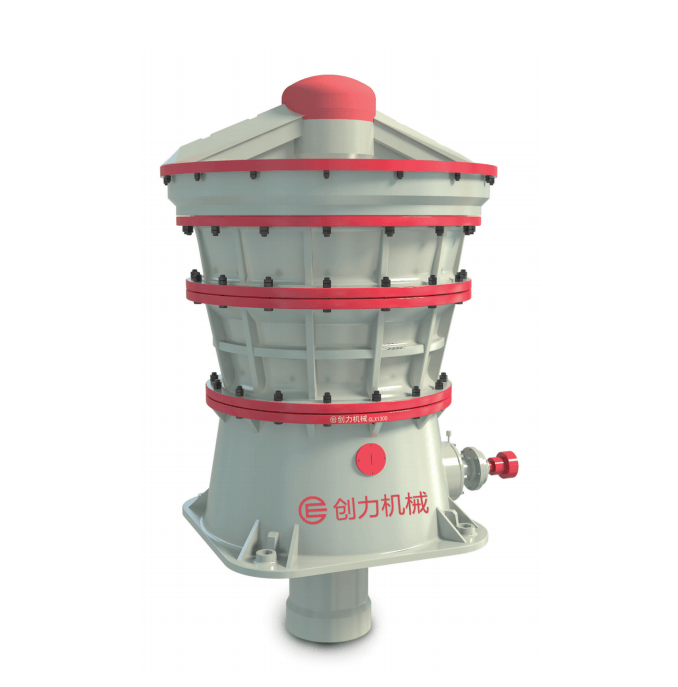
CLX Series Intelligent Hydraulic Gyratory Crusher
Guangdong CHUANGLI intelligent machinery Equipment Co., LTD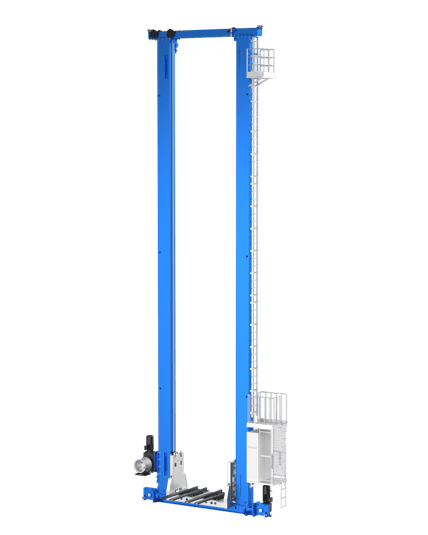
Pallet Solutions Product Line: HD3000 Double-Column Stacker Crane
Zhongding Intelligent (Wuxi) Technology Co., Ltd.

CAP1400 main feedwater flow nozzle flowmeter.
Jiangsu Hongda Instrument Technology Co., LTD.
Strip Coating and Plating Production Line Equipment
MCC-SFRE HEAVY INDUSTRY EQUIPMENT CO., LTD.