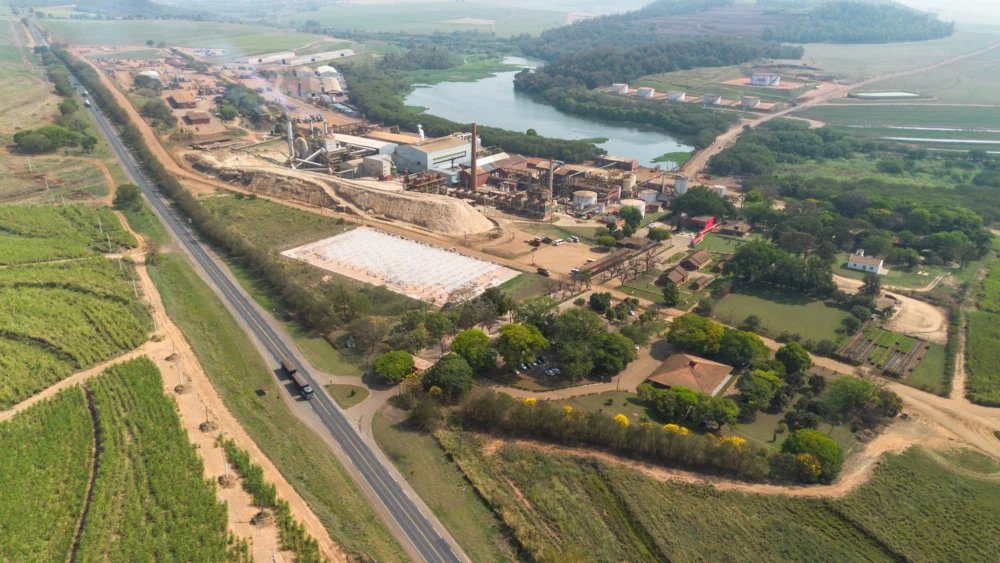
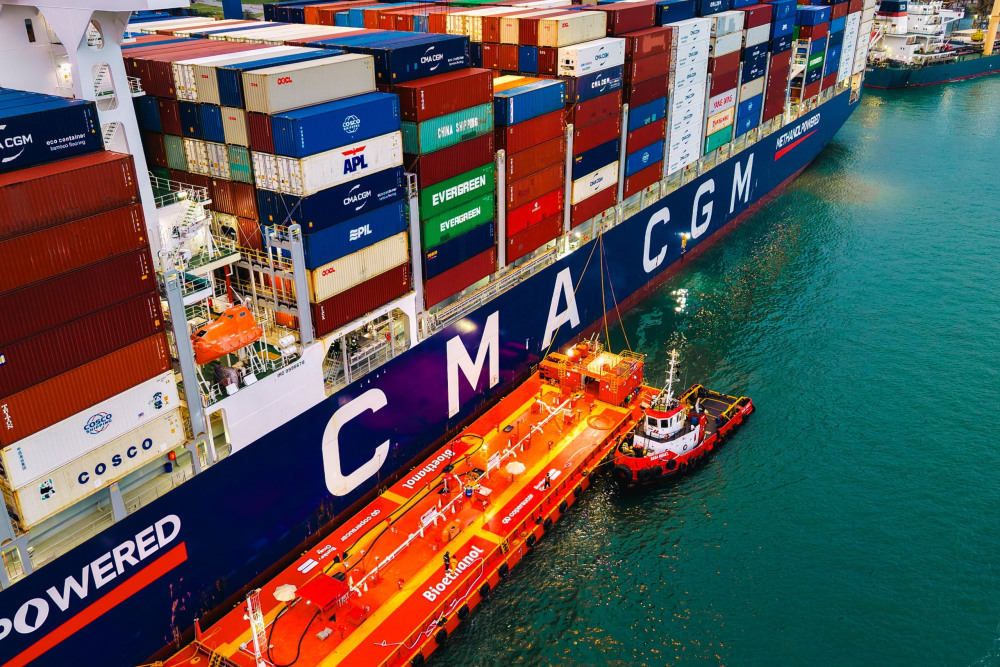
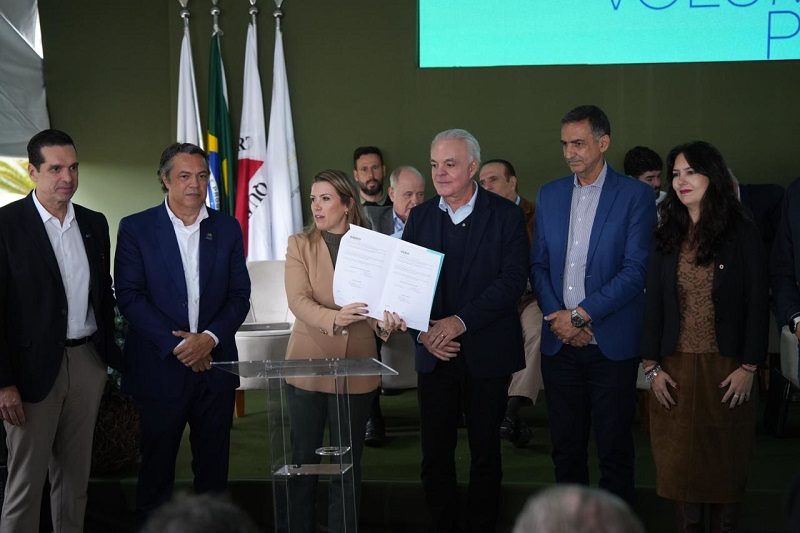
en.Wedoany.com Reported - Gasmig, a subsidiary of the Cemig Group, has signed biomethane supply contracts with GeoMit (a joint venture between Japan's Mitsui & Co. and Brazil's Geo bio gas&carbon) and the Minas Gerais Sugar and Alcohol Company (CMAA) to build a plant with a daily capacity of 50,000 cubic meters in Uberaba, in the Triângulo Mineiro region. This contract is the first result of the largest public tender for biomethane in Gasmig's history, marking the entry of one of the world's largest investment groups into the renewable natural gas market in Minas Gerais.
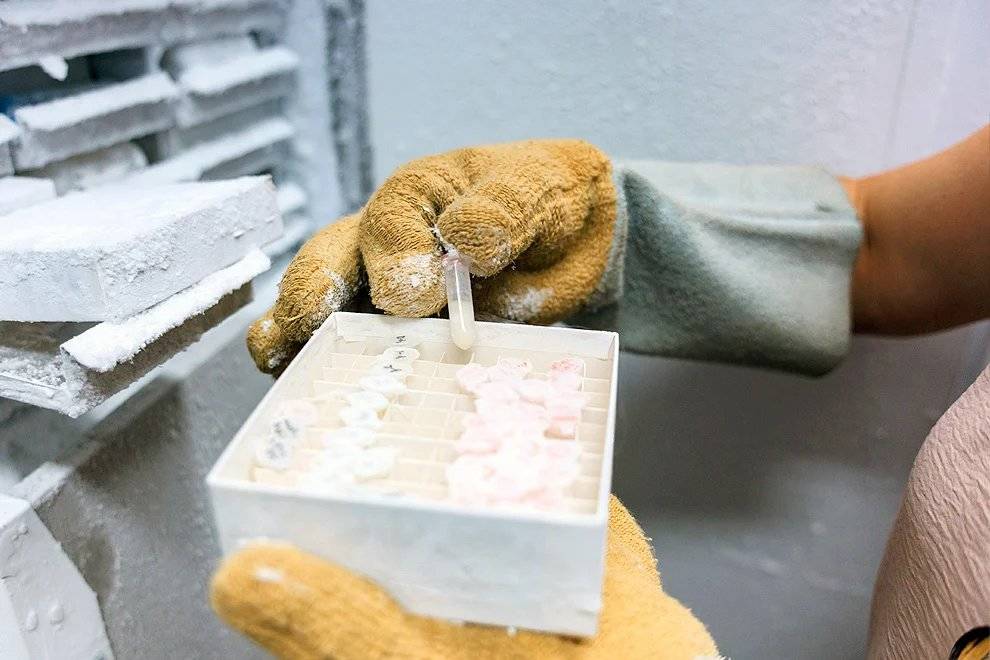
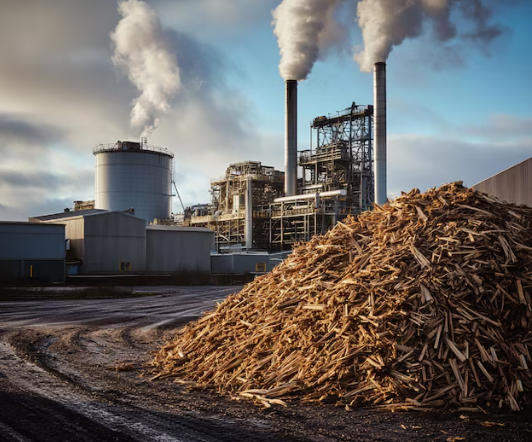
The new plant will produce biomethane, a low-carbon fuel derived from the decomposition of organic waste, using byproducts from CMAA's sugar and ethanol production processes. Commercial operations are expected to begin in May 2028. To connect the production capacity to the distribution network, Gasmig plans to invest approximately 1 billion reais in infrastructure, including around 400 kilometers of dedicated pipelines and interconnection lines, aimed at expanding the supply of renewable natural gas to industrial customers currently using fossil fuels such as diesel, fuel oil, and liquefied petroleum gas.
Cemig CEO Alexandre Ramos stated that this partnership is a milestone in the state's energy transition. Gasmig CEO Gustavo de Marchi noted that Minas Gerais has the conditions to become a major national biomethane production hub, with Gasmig's role being to foster a business environment, stimulate investments, and expand the supply of renewable energy.
Gasmig's contracted volume from the Uberaba plant represents approximately 20% of the company's projected biomethane demand in the region. The distributor plans to purchase up to 250,000 cubic meters of renewable fuel per day in the coming years to diversify its energy mix and increase the share of low-carbon energy. The project aligns with the Future Fuel Law, which expands biomethane's participation in Brazil's energy matrix and sets usage targets for the sector. Compared to diesel, biomethane can reduce greenhouse gas emissions by up to 80%, while also promoting a circular economy by utilizing agro-industrial waste that previously had no energy use.
Related Products

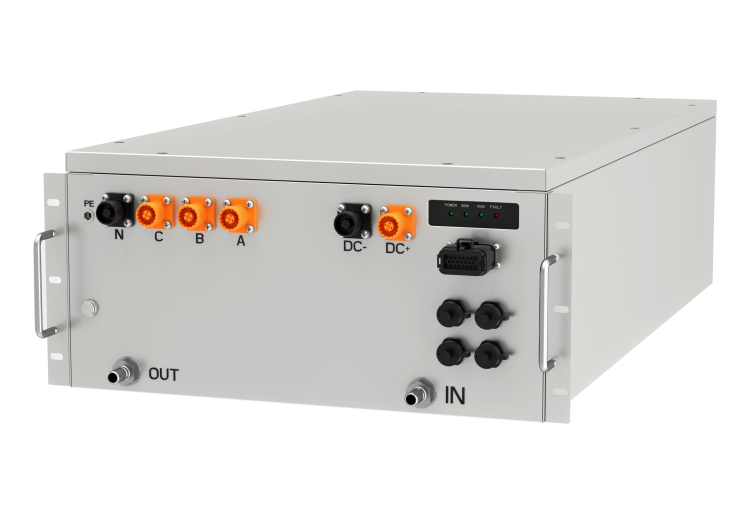
Mars (Liquid Cooling) Series Industrial and Commercial Energy Storage Converter High Protection Module
Shenzhen Winline Technology Co., Ltd.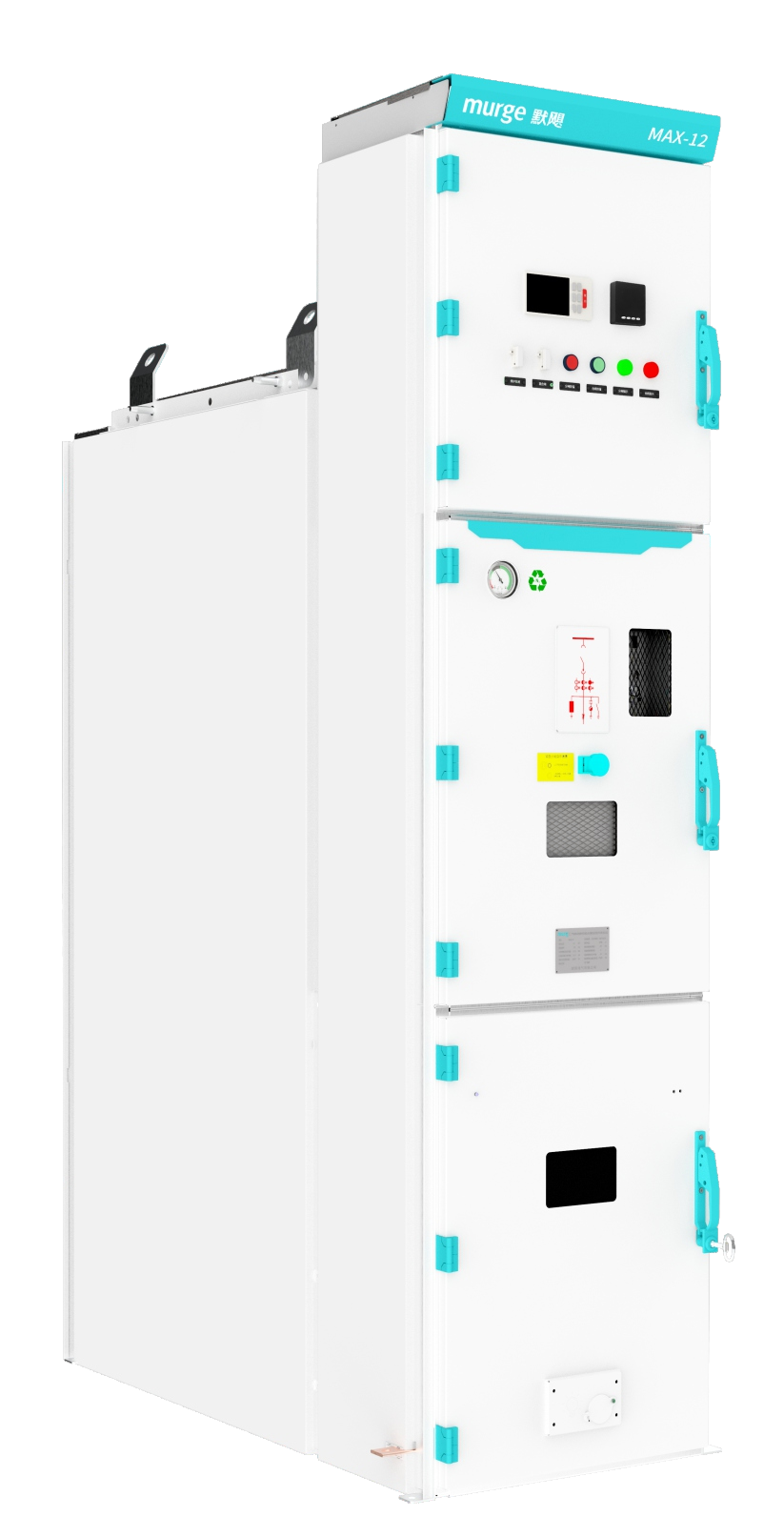
MAX-12 series Environmental Protection/SF6 gas insulated switchgear (C-GIS)
Murge Electric Co.,Ltd.
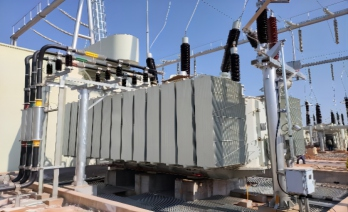
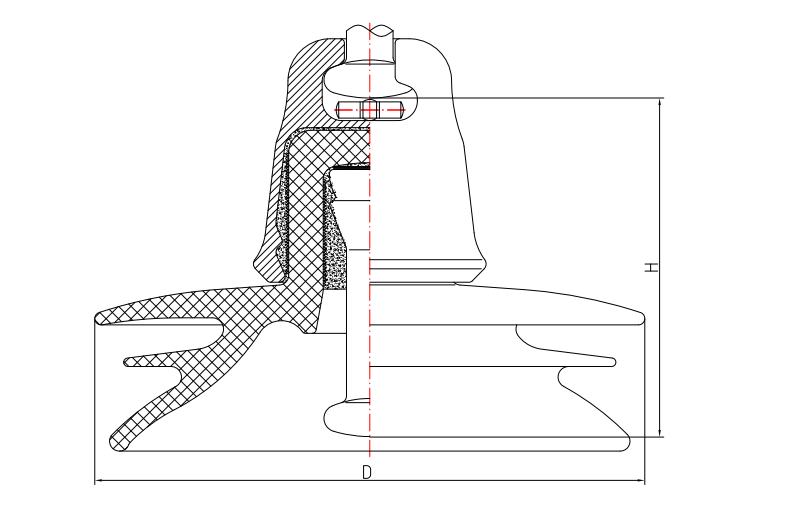
Post-type AC Pollution-resistant Disc Suspension Porcelain Insulator (Triple Umbrella Type)
Shandong High Voltage Insulator Co., Ltd.
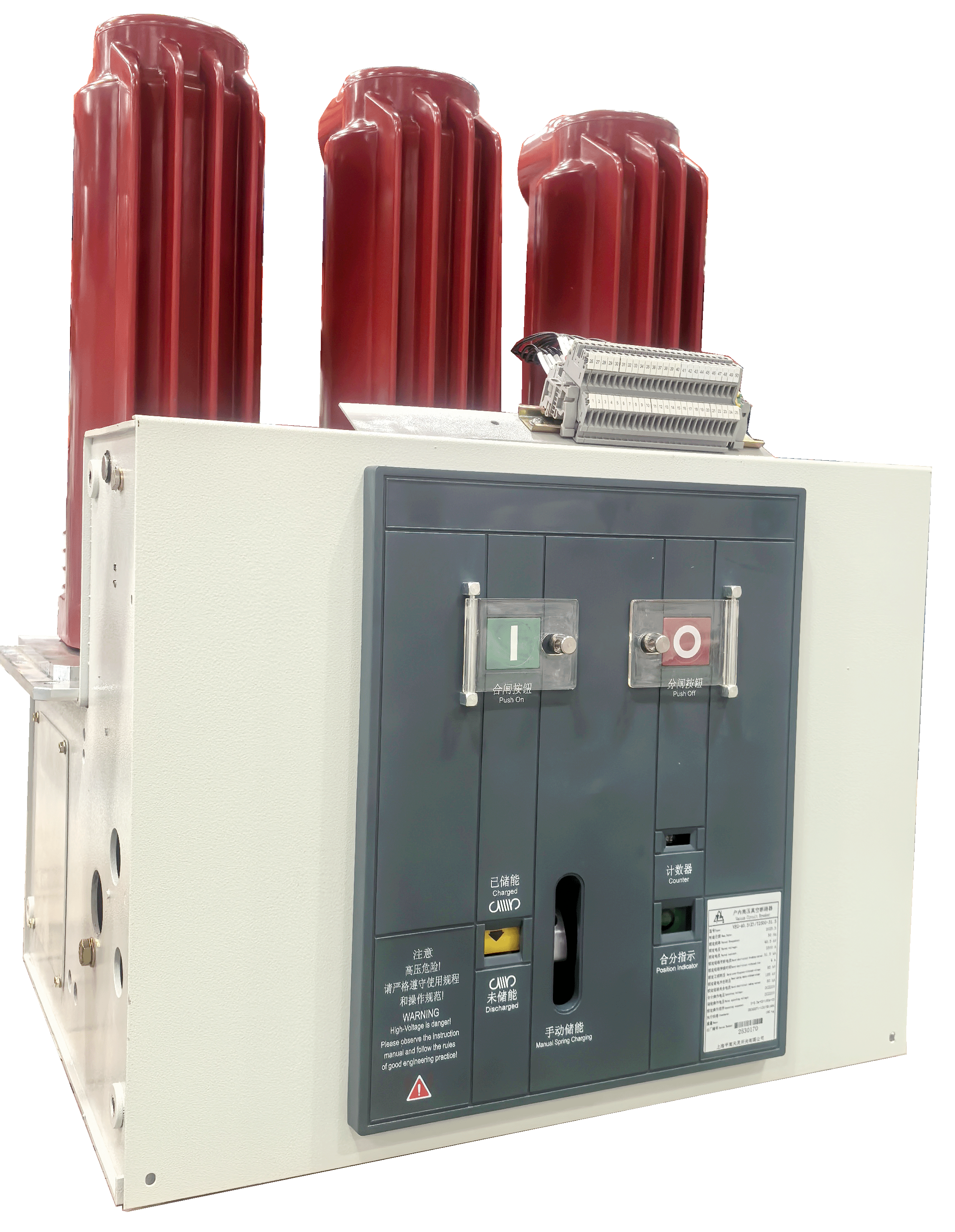
VEG-12/24/40.5 Series Vacuum Circuit Breaker
SHANGHAI PINGGAO TIANLING SWITCHGEAR CO., LTD.
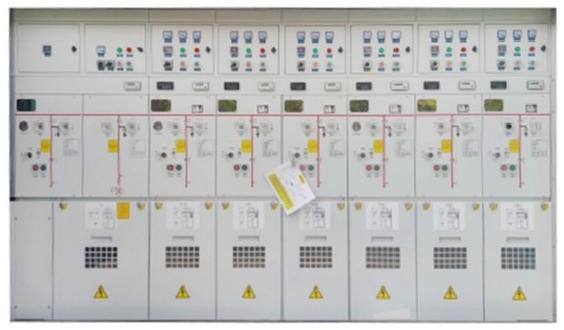
NISELA Series Environmentally Friendly Gas-Insulated Ring Main Unit
XJ DELISHIER ELECTRIC CO., LTD.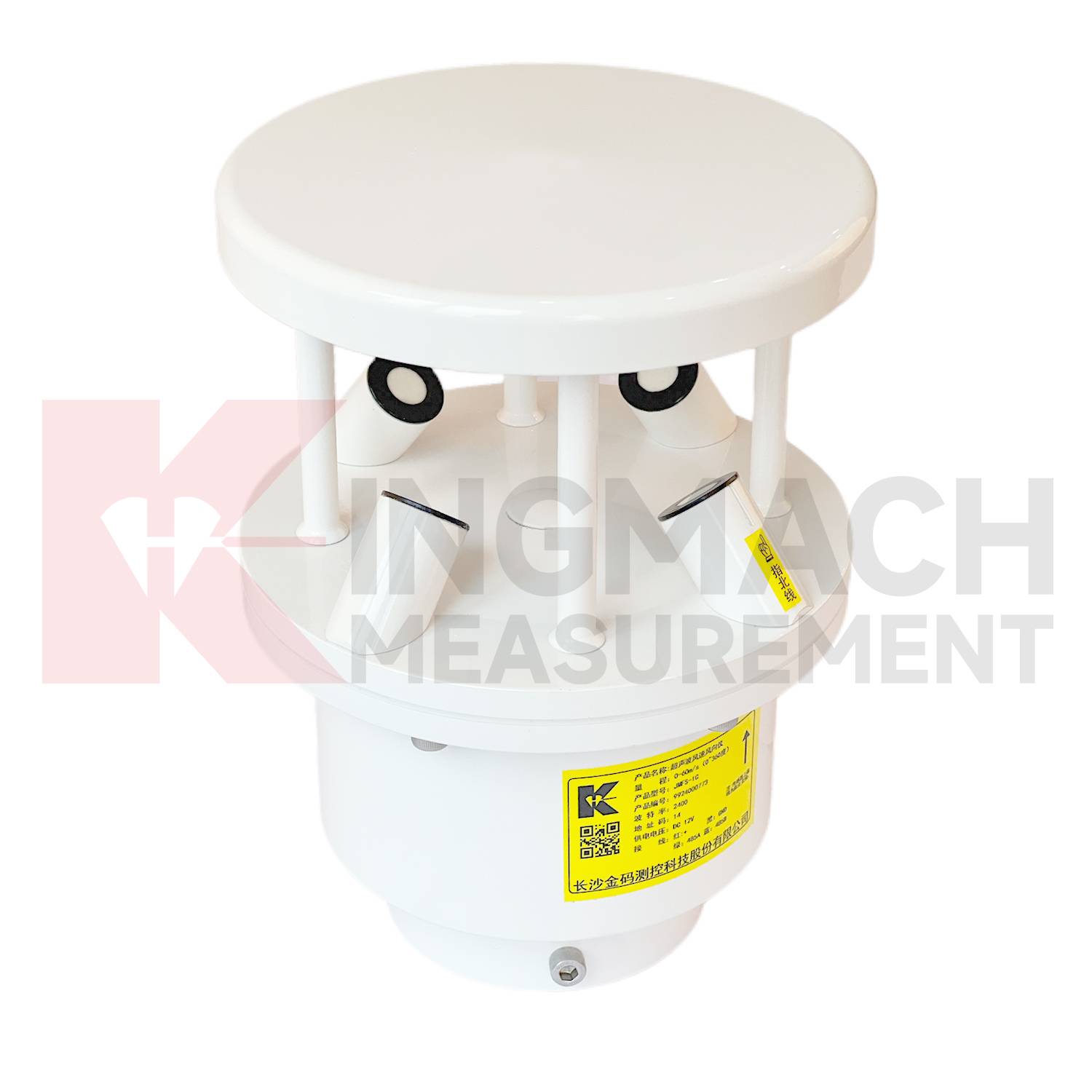
Ultrasonic Wind Speed and Direction Instrument
Kingmach Measurement & Monitoring Technology Co., Ltd.