How Chemical Dosing Systems Achieve Accurate Metering and Effective Mixing
en.Wedoany.com Reported - Chemical dosing is widely used in drinking-water treatment, wastewater treatment, cooling water, boiler make-up, membrane systems, and industrial process water. Controlled addition of coagulants, flocculants, acids, alkalis, disinfectants, antiscalants, or reducing agents changes water-quality conditions.
A complete Chemical Dosing System normally includes chemical-storage tanks, dissolution or dilution equipment, metering pumps, valves, pulsation dampeners, piping, injection points, mixing equipment, and control instruments. Instability in any part of the system can cause the actual dose to differ from the set value.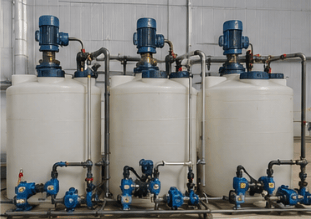
Metering-pump selection should consider flow, discharge pressure, chemical viscosity, corrosiveness, and turndown range. If rated pump capacity is far above actual demand, long-term operation at a very small stroke may reduce metering stability. Insufficient capacity prevents the system from responding to peak water flow or contaminant loading.
Chemical concentration affects pumping and mixing. Highly concentrated solutions may have greater viscosity and create suction and piping losses. Excessive dilution simplifies transport but increases dilution-water demand, tank volume, and the quantity of liquid handled.
The location of the injection point is also important. Coagulants require rapid dispersion in water and then a slower flocculation stage. If initial mixing is inadequate, increasing the chemical dose may still fail to produce suitable flocs.
Dosing control can adjust according to flow, pH, turbidity, disinfectant residual, conductivity, or other online signals. Fixed-rate dosing alone cannot respond effectively to changes in raw-water quality and treatment loading.
Online instruments require regular cleaning, calibration, and comparison. Sensor fouling or drift can cause the control system to increase or decrease the dose continuously, resulting in treatment failure, chemical waste, or downstream-equipment damage.
A reliable chemical dosing system must not only deliver an accurate chemical volume but also prepare the chemical correctly, mix it effectively, and verify treatment performance through water-quality feedback. A metering pump reaching its set flow does not automatically mean that the treatment objective has been achieved.
This article is compiled by Wedoany. All AI citations must indicate the source as "Wedoany". If there is any infringement or other issues, please notify us promptly, and we will modify or delete it accordingly. Email: news@wedoany.com
Related Products
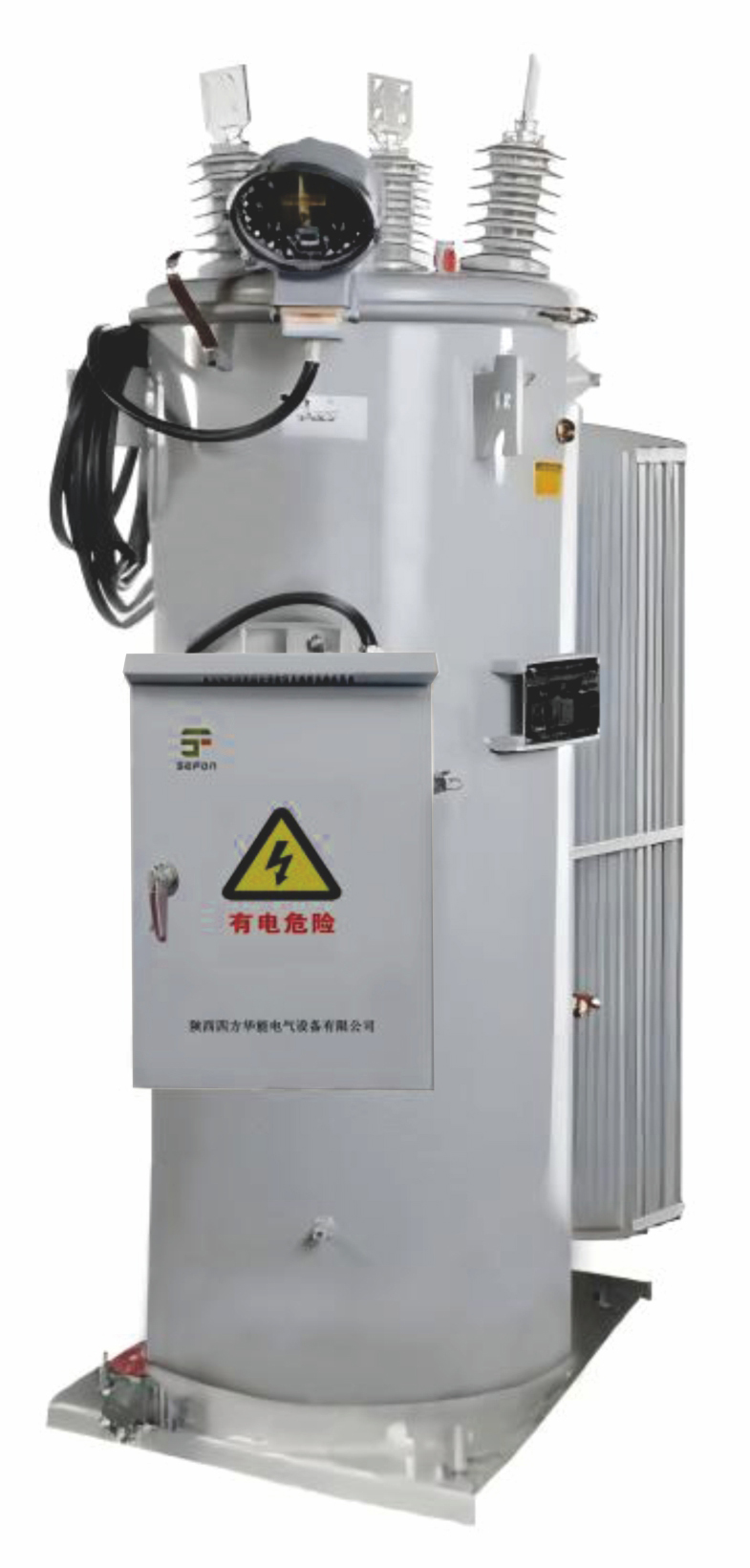

Single-Phase Automatic Voltage Regulator(AVR)
Shaanxi Sefon Electrical Equipment Co.,Ltd.
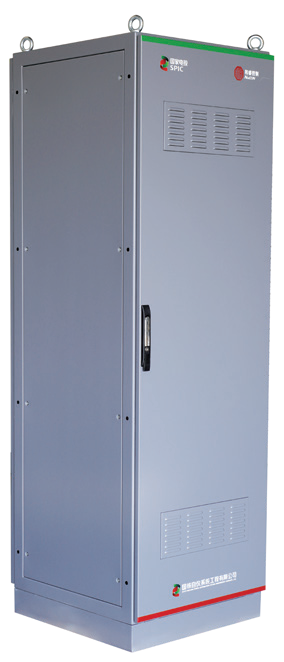
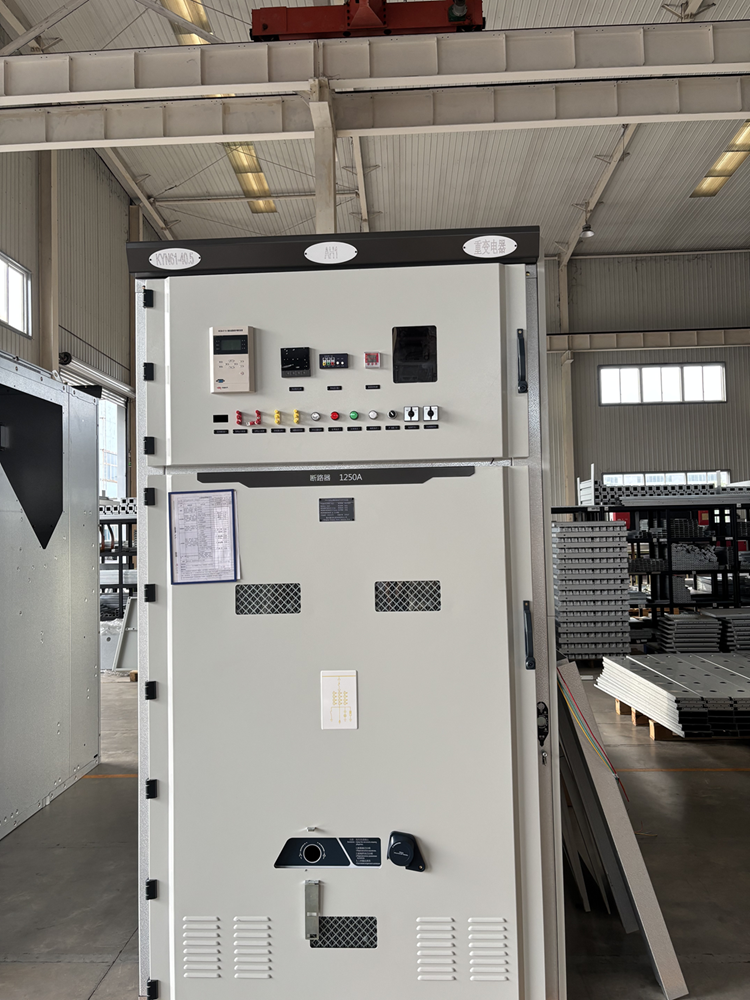
KYN61-40.5 Indoor AC Metal-clad Removable Switchgear
Chongqing Transformer Co., Ltd.
Electromagnetic Fluid Seawater Floating Oil Separation and Recover Equipment
Huate Magnet Group Co., Ltd.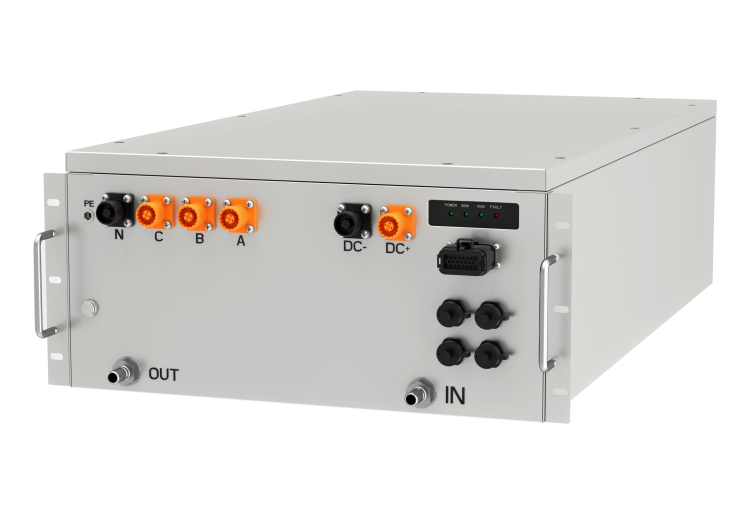
Mars (Liquid Cooling) Series Industrial and Commercial Energy Storage Converter High Protection Module
Shenzhen Winline Technology Co., Ltd.
Smart Photovoltaic Prefabricated Substation
Shanghai Jinyou Jinhong Intelligent Electric Co., Ltd.
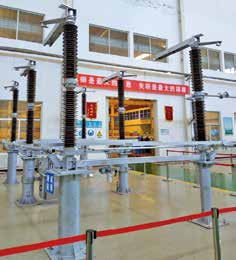
GW4-40.5/72.5/126/145/170/252/363/420 Series Double-column Horizontal Rotary High-voltage AC Disconnect Switch
SHANDONG TAIKAI DISCONNECTORS CO., LTD.
Ultrasonic Wind Speed and Direction Instrument
Kingmach Measurement & Monitoring Technology Co., Ltd.