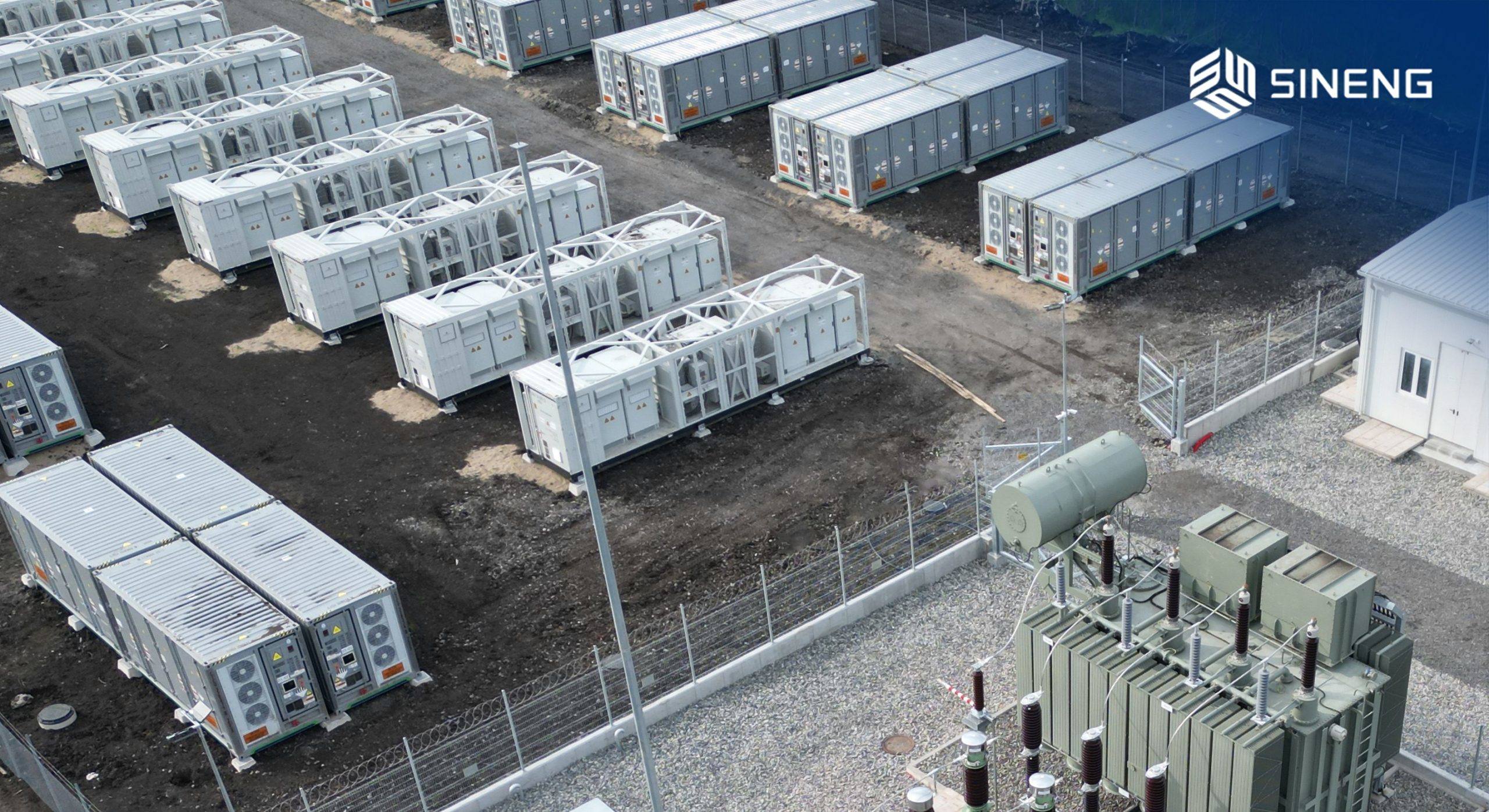
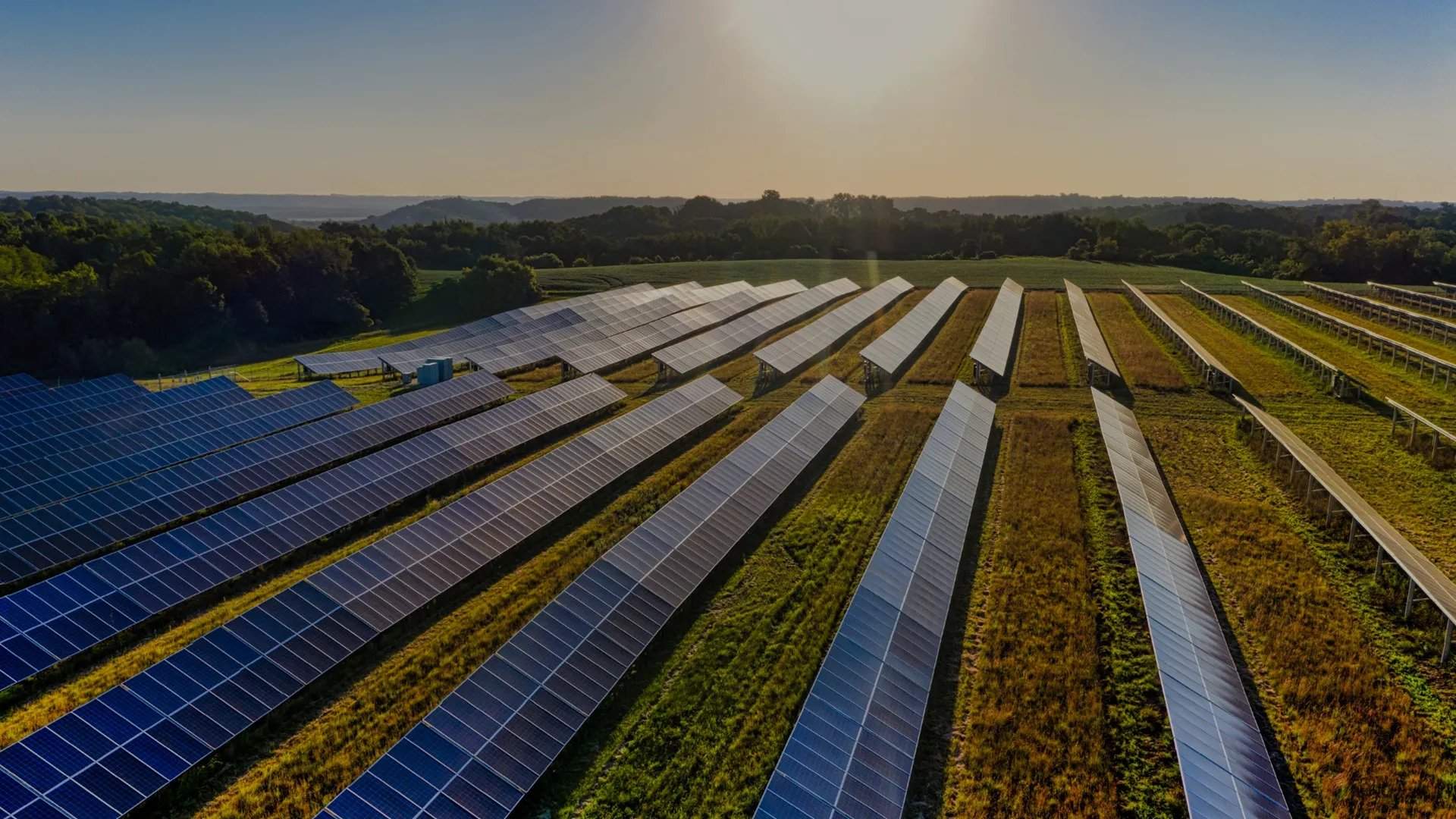
Samsung C&T Australia submits 150MW/600MWh BESS for EPBC assessment
en.Wedoany.com Reported - Samsung C&T Renewable Energy Australia has submitted the Comet Park Battery Energy Storage System (BESS), a project with a planned power output of 150MW and storage capacity of 600MWh, for federal environmental assessment under Australia's Environment Protection and Biodiversity Conservation Act (EPBC Act).
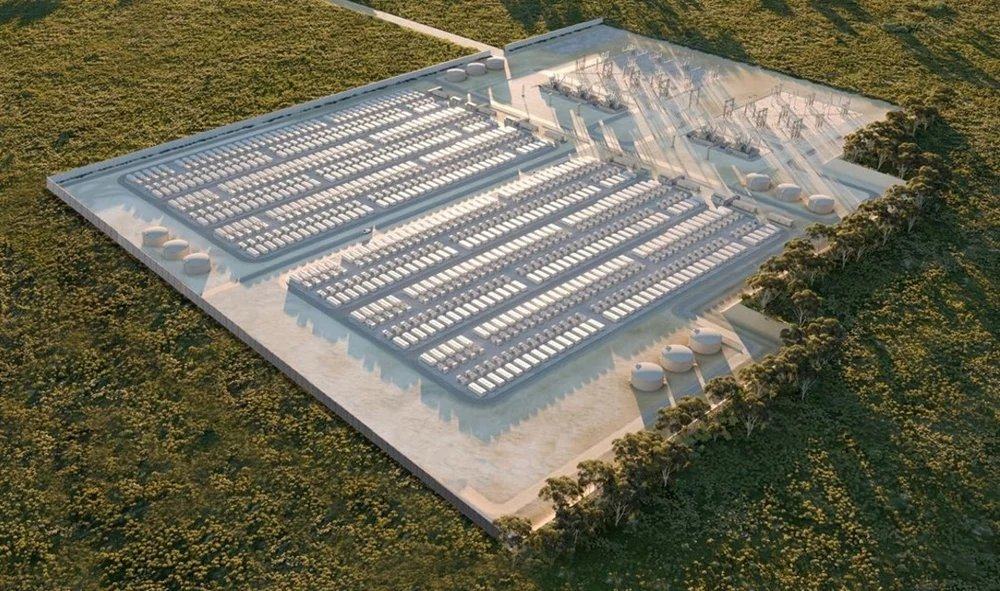
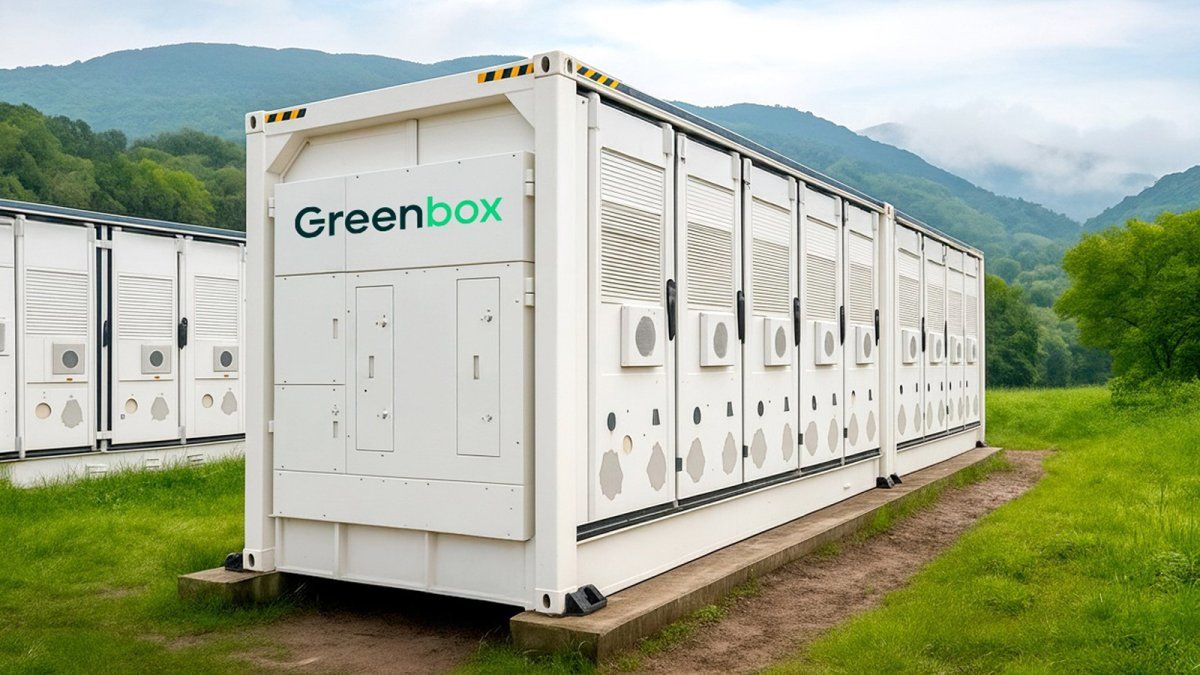
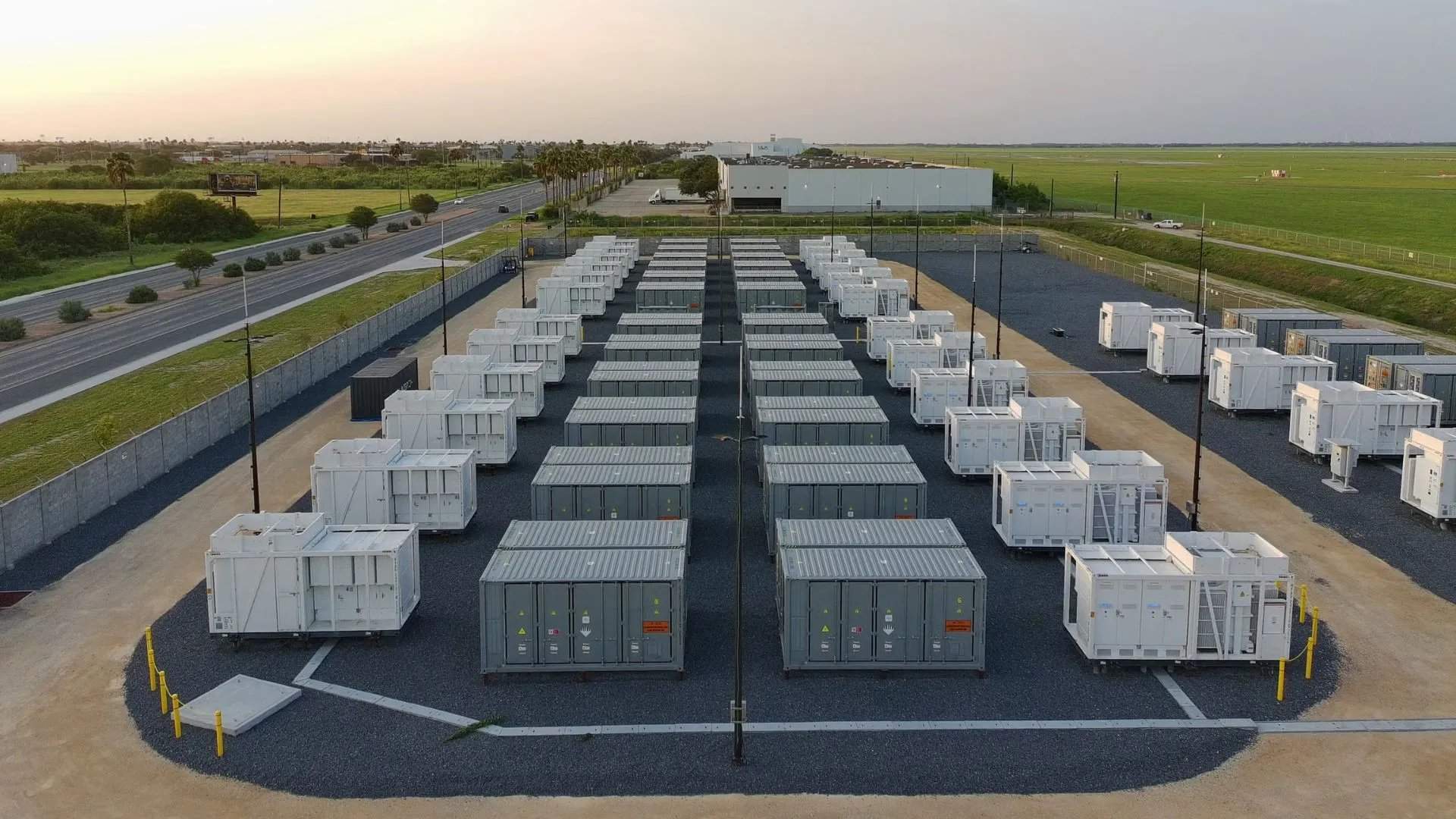
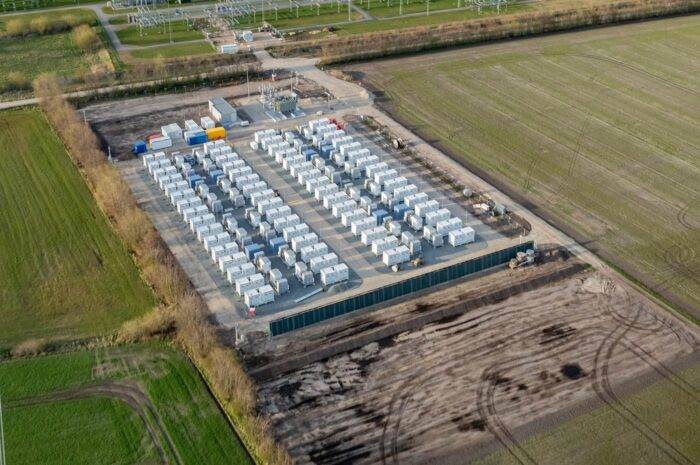
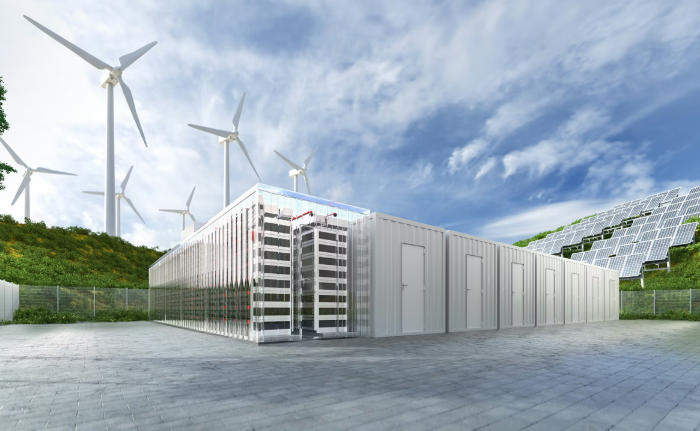
The system is proposed for the Riverina region within the Leeton Shire local government area in New South Wales, approximately 1.5 kilometers southwest of Yanco and about 6 kilometers south of Leeton. The project utilizes Lithium Iron Phosphate (LFP) technology, with a project area covering approximately 53 hectares and a referral area of up to 11 hectares, encompassing battery containers, inverters, transformers, substation expansion, and associated infrastructure.
The BESS will connect to the National Electricity Market (NEM) via a transmission line to the existing Yanco Substation, which requires expansion to accommodate the new infrastructure. Three potential design options for the transmission connection are being evaluated. The project also requires environmental assessment under the New South Wales planning framework as a State Significant Development (SSD), with the EPBC submission representing the federal component of the dual approval pathway already underway.
Construction is expected to take 18 to 24 months, with a peak workforce of approximately 45 full-time equivalent employees. The facility has a design life of up to 30 years, with a small operations team. At the end of its life, the project will be decommissioned and the land restored to its original use, or repowered through a separate development application.
Samsung C&T Renewable Energy Australia is the local development arm of Samsung C&T Corporation, the construction and trading arm of the South Korean conglomerate. The Comet Park submission continues the company's trend of accelerating EPBC submissions in New South Wales and Queensland. According to public project pipeline data, the company currently has five solar photovoltaic plants (total capacity 1.28GW), each paired with BESS, and six standalone battery energy storage systems (total capacity 2.82GW) under development in these two states.
In October 2025, Samsung C&T proposed a 200MW grid-scale BESS near Townsville, Queensland, known as the Block BESS project, comprising 192 battery modules and 48 inverter transformers in a grid configuration with integrated temperature regulation and fire suppression systems. In September 2025, the company submitted the Dunmore solar and storage project, including a 300MW solar photovoltaic plant paired with a 150MW/300MWh BESS, connecting to a new 330kV switching station between the Braemar and Bulli Creek substations. In June 2025, Samsung C&T submitted the 100MW/400MWh Mangoplah BESS near Wagga Wagga, New South Wales, which at the time considered Tesla Megapack technology.
The Comet Park BESS, as a 150MW/600MWh standalone grid-connected asset, falls within the 4-hour duration range that dominates Capacity Investment Scheme (CIS) tender awards and New South Wales Electricity Infrastructure Roadmap procurement. The 4-hour specification enables the system to shift peak demand within the evening demand window, absorb daytime solar generation, and dispatch during the late afternoon and evening when demand rises and solar output declines.
Related Products

Environmentally Friendly Flame-retardant PVC Double-layer Insulated Wire
Sichuan Chndo Cable Co., Ltd.
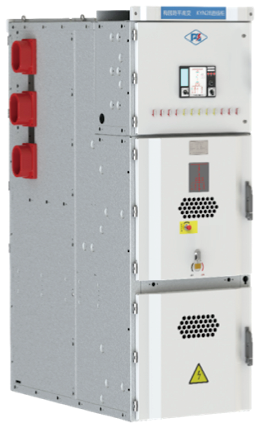
KYN28A-12 Metal Armored Removable Switchgear
Tianjin Ping Gao Intelligent Electric Co., Ltd.
0.66kV Power Supply Instrument Transformer
Guangdong Sihui Instrument Transformer Works Co., Ltd.

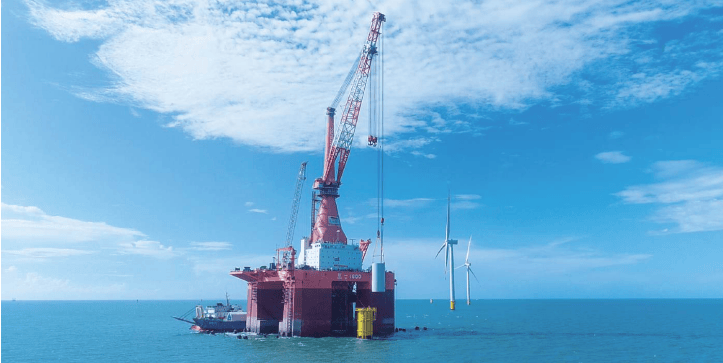
"Shunyi 1600" Deep-submerging Bottom-sitting Multi-functional Wind Power Engineering Vessel
Zhengli Offshore Engineering Co., Ltd.
Mineral-insulated Compact Busway (Fire-resistant Busduct)
Zhuhai Guangle Electric Busway Co., Ltd.