Norway's Sonair Launches World's First SIL 2 Certified 3D Ultrasonic Sensor
en.Wedoany.com Reported - Norwegian company Sonair has launched the ADAR One, the world's first 3D ultrasonic sensor to achieve independent SIL 2 and PLd safety certifications, marking a new advancement in human-robot collaboration safety.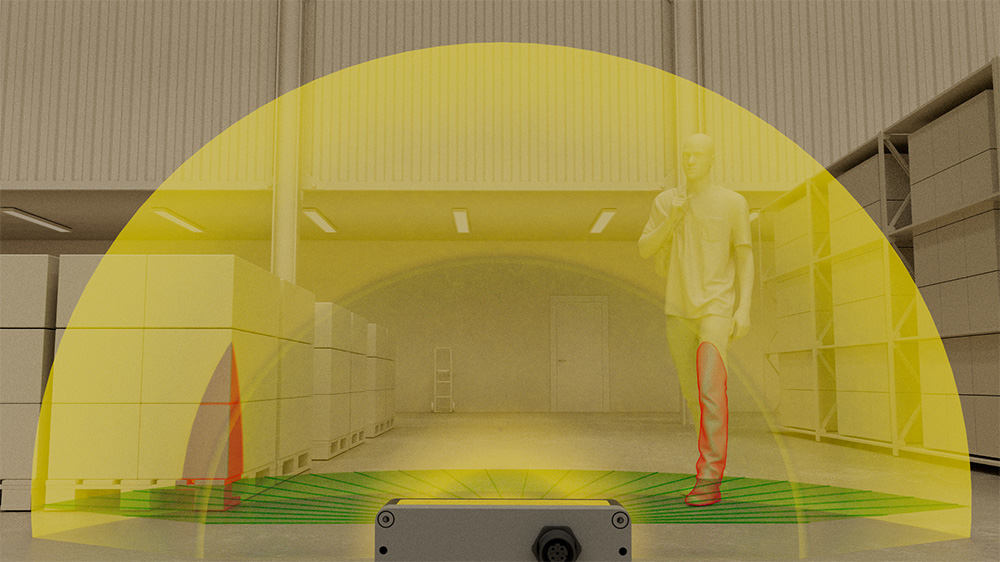
This 3D ultrasonic sensor, named ADAR One (short for Acoustic Detection and Ranging), has been independently certified by exida Ireland, an ANSI-recognized functional safety certification body, according to IEC 61508 and ISO 13849 standards, achieving SIL 2 and PLd safety integrity levels with a probability of dangerous failure below one per million operating hours. Unlike traditional 2D laser scanners, this sensor provides 180° × 180° 3D spatial awareness, capable of detecting people and obstacles at all heights, eliminating blind spots present in 2D safety architectures.
Traditional 2D safety sensors define safety boundaries on a single plane, leaving upper and lower blind spots that limit a robot's ability to perceive people and obstacles in real-world environments. Sonair's ADAR One aims to bridge this gap. Company CEO Knut Sandven stated that the bottleneck for safe human-robot coexistence lies in safety perception, not intelligence or speed. This certification marks the first time a 3D sensor has been independently verified to meet safety standards using sound rather than light, offering a new perception modality.
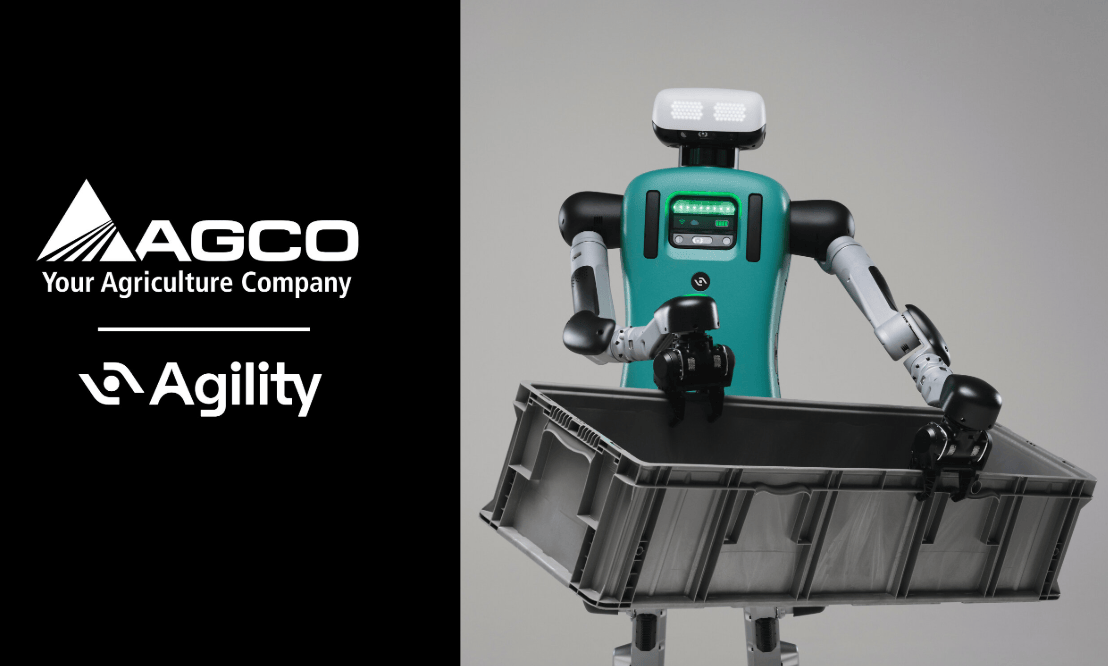
This certification has multiple implications for the industry. For humanoid robot developers, it provides a certified 3D perception system that can serve as a safety backup for camera-based and AI-based approaches. System integrators can incorporate this technology into autonomous mobile robots, automated guided vehicles, and collaborative robot applications without seeking special exemptions, thereby lowering deployment barriers. Sonair also stated that ADAR is the first safety-certified embedded system built using the Rust programming language, with its memory safety features designed to eliminate specific categories of software faults.
In terms of technical characteristics, ultrasound does not rely on light, making it excel in environments where optical sensors struggle, such as dust, glare, and darkness. It can also detect body parts ignored by 2D planar perception systems, such as the head and torso of a crouching worker. Knut Sandven recommends that engineers adopt a layered safety architecture when designing collaborative work cells, keeping the certified deterministic safety channel independent from probabilistic perception and fusion stacks to prevent AI edge cases or faults from compromising safety functions.
Regarding applications in the North American market, Sandven noted that functional safety uses a common language, and North American machine safety is built on the same ISO/IEC foundation. Sensors certified to international functional safety standards provide integrators and their safety assessors with the necessary documentation basis. While final deployment approval remains the responsibility of integrators and local authorities, the certification offers a trusted building block.
Certified real-time 3D spatial perception enables designers to precisely calculate safety distances and speeds, considering the entire workspace rather than a single plane. This helps reduce safety distances and increase robot operating speeds while remaining within the deterministic range required by relevant standards. This information was revealed in a recent exclusive interview with Sonair CEO Knut Sandven by Machine Design.
Related Products

Strip Coating and Plating Production Line Equipment
MCC-SFRE HEAVY INDUSTRY EQUIPMENT CO., LTD.
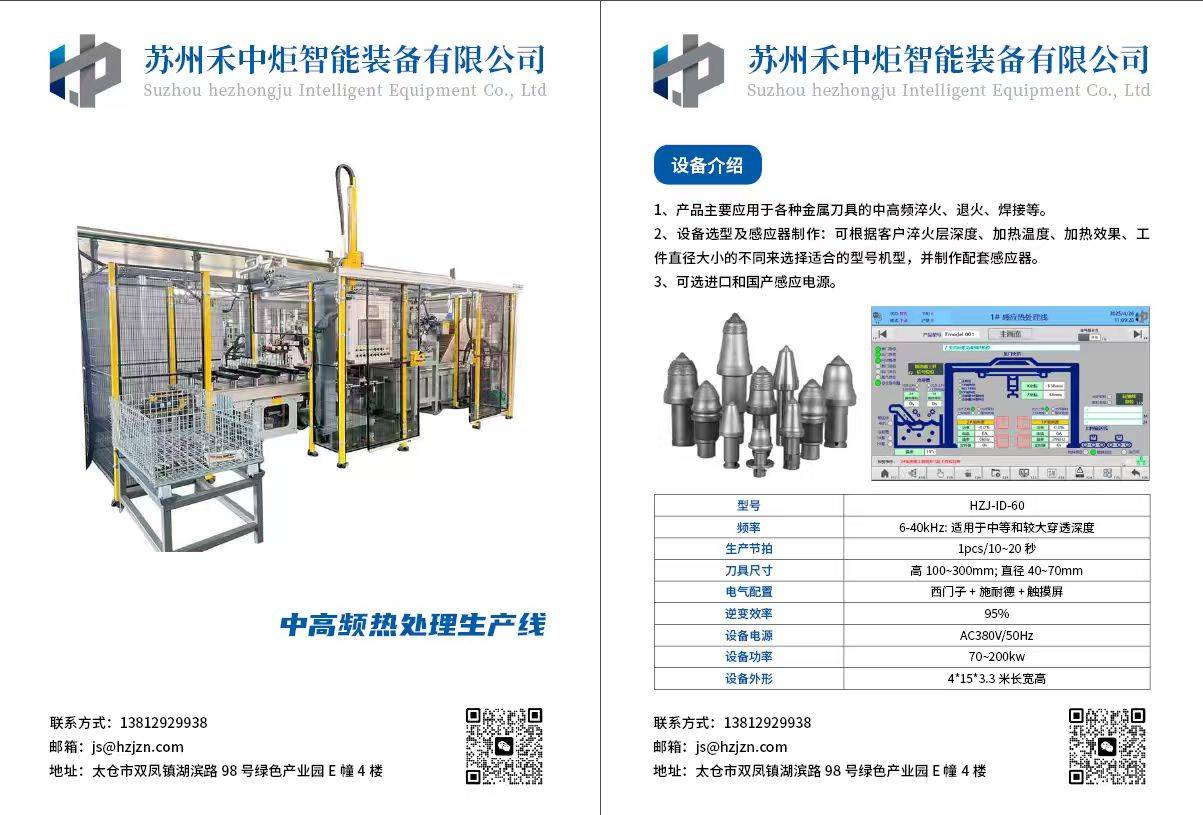
Excavator Bucket Teeth Heat Treatment Production Line
Suzhou Hezhongju Intelligent Equipment Co., Ltd.

CAP1400 main feedwater flow nozzle flowmeter.
Jiangsu Hongda Instrument Technology Co., LTD.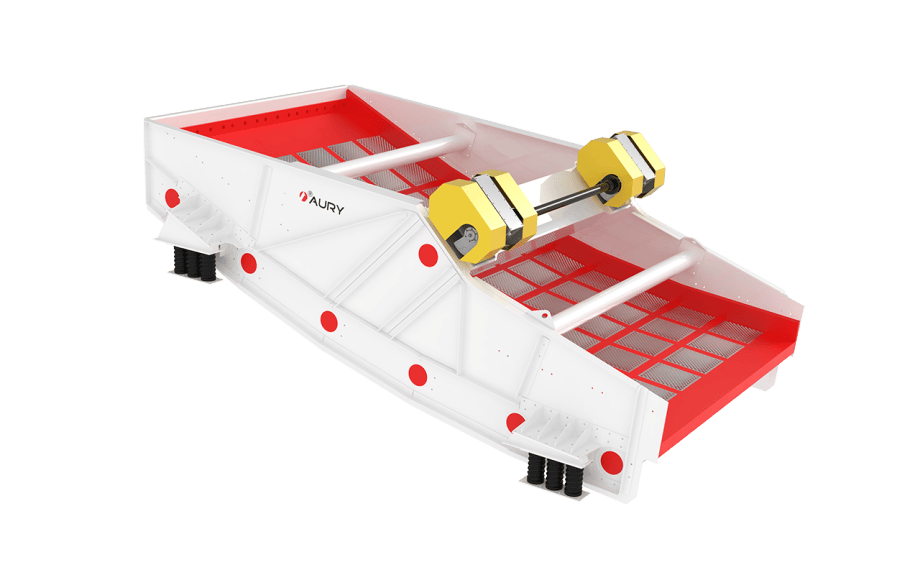
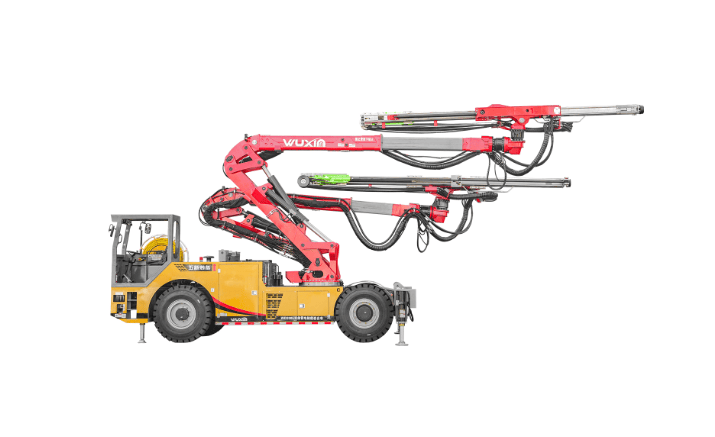
Double-Boom Computerized Rock Drilling Jumbo WD200E
Hunan Wuxin Intelligent Equipment Group Co., Ltd.