Swedish Industry-Academia Collaboration Develops 3D Printing Repair Data Standards
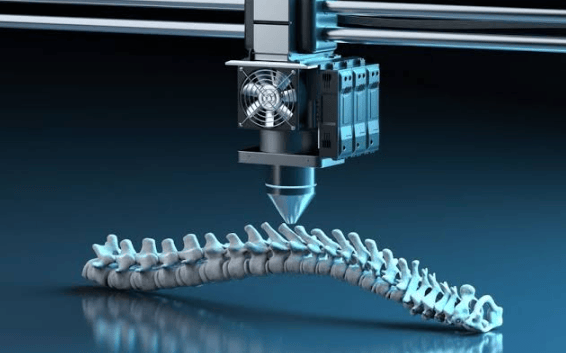
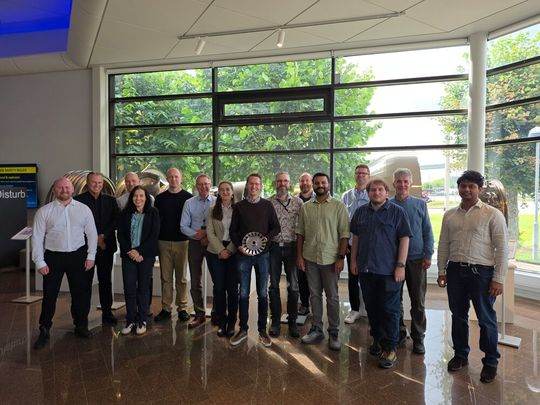
en.Wedoany.com Reported - Sandvik Coromant, in collaboration with GKN Aerospace Engine Systems, Chalmers University of Technology, and the Fraunhofer-Chalmers Centre for Industrial Mathematics (FCC), has developed a standardized method for data exchange in additive manufacturing for personalized repairs through the "Dig4ReMan" project.
Repairing damaged turbine blades typically relies on additive manufacturing, but each damage scenario is unique, with stringent tolerance requirements, involving expertise from various fields. Previously, exchanging repair data between companies and software systems required images, PDF files, screenshots, and original CAD/CAM files, a process that was time-consuming and error-prone. In the "Dig4ReMan" project, funded by Vinnova and the "Advanced Digitalization" program, the team applied STEP application protocols AP242 and AP238 to develop a neutral, model-based language for 3D geometry, PMI, machining instructions, and tool data. All participants can view and update the same model, akin to sharing a cloud document, without information loss. This enables a fully networked digital process for the entire repair cycle—from damaged part inspection, material removal, and additive manufacturing planning, to simulation, CAM programming, and final machining, including verification steps.
Researchers from Chalmers University of Technology and the Fraunhofer-Chalmers Centre for Industrial Mathematics provided advanced predictive models for deformation, tolerances, and thermal behavior. Sandvik Coromant contributed expertise in cutting tools and data standards, enabling CNC machines and CAM systems to exchange richer manufacturing information than G-code. Team members noted that the new digital repair chain can significantly reduce the complexity of repairing components, such as turbine blades, ensuring all experts use precisely the same accurate data. GKN Aerospace emphasized that compared to replacing with new parts, components repaired through this process can save up to 95% in materials, energy, and carbon dioxide emissions, with controllable costs. ISO STEP standards are applied at every step of the process, with AP238 supporting the exchange of machining sequences, tool definitions, and ISO 13399 tool parameters between CAM systems and between CAM and machines, while AP242 allows unified use of model-based definitions in inspection, planning, simulation, and verification.
Related Products
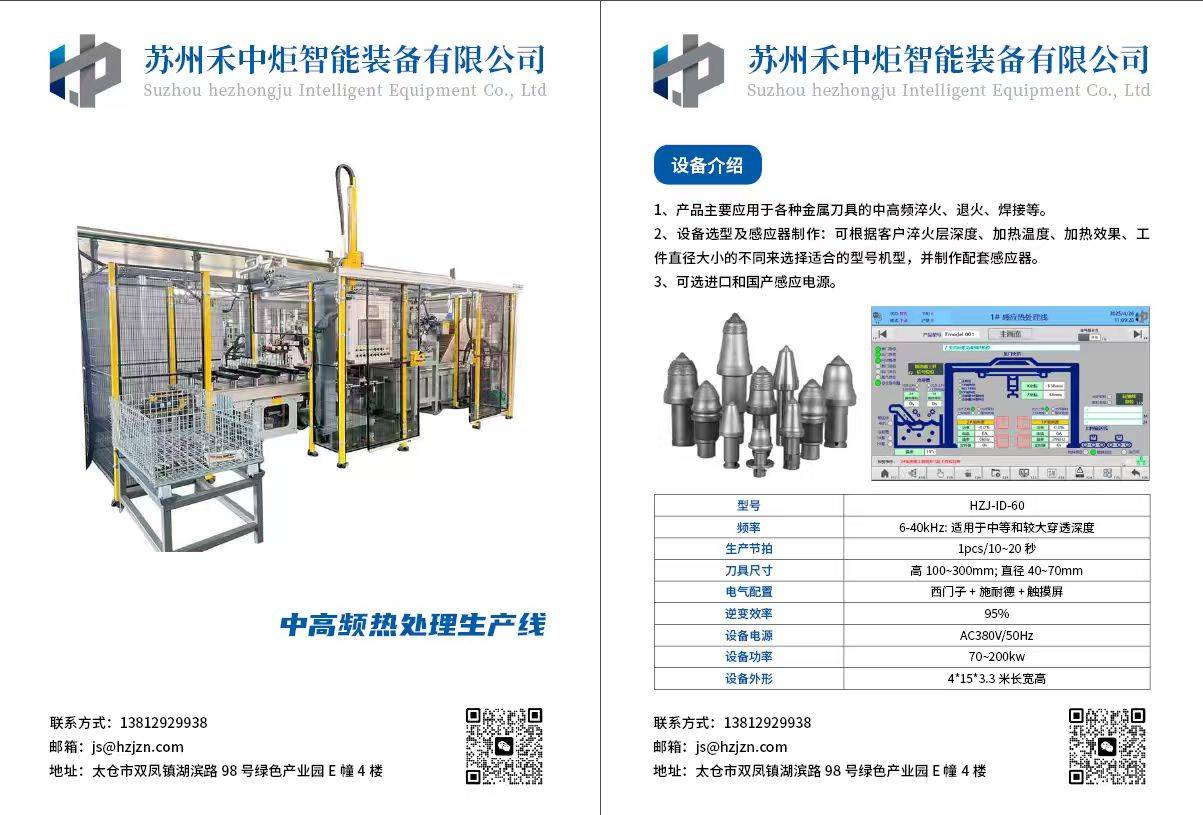

Excavator Bucket Teeth Heat Treatment Production Line
Suzhou Hezhongju Intelligent Equipment Co., Ltd.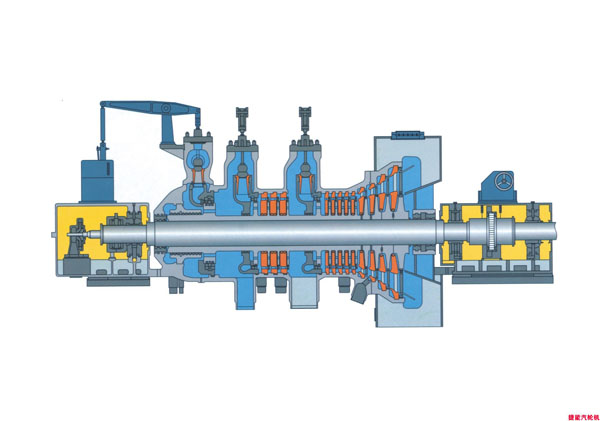

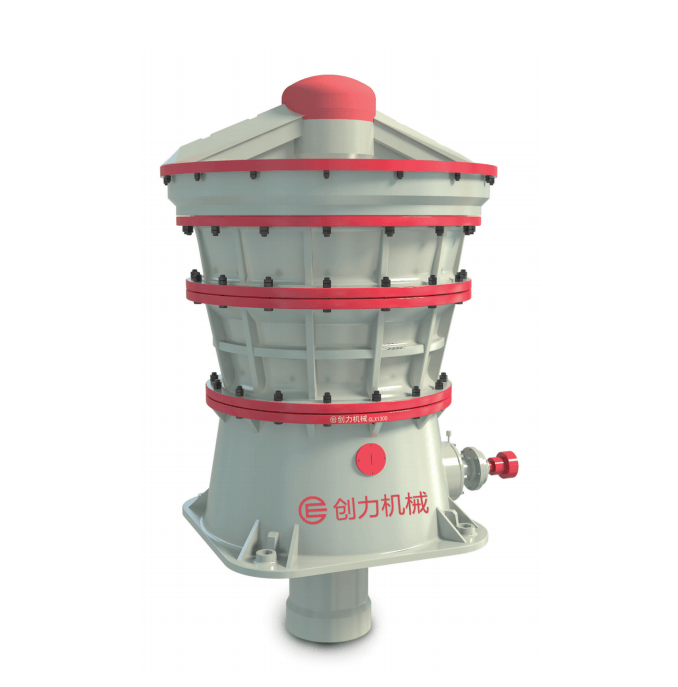
CLX Series Intelligent Hydraulic Gyratory Crusher
Guangdong CHUANGLI intelligent machinery Equipment Co., LTD

Industrial and Commercial Point-Type Gas Detector
Jinan Benan Technology Development Co., Ltd.

Pneumatic high-pressure wear-resistant ball valve
Zhejiang Deca Control Valve Meter Co., Ltd.