UCLA develops zinc-ion hybrid battery storing seven times more energy
en.Wedoany.com Reported - A research team at the University of California, Los Angeles (UCLA) has used additive manufacturing technology to produce a 3D-printed carbon electrode that can increase the charging capacity of zinc-ion hybrid batteries by more than seven times compared to existing similar devices.
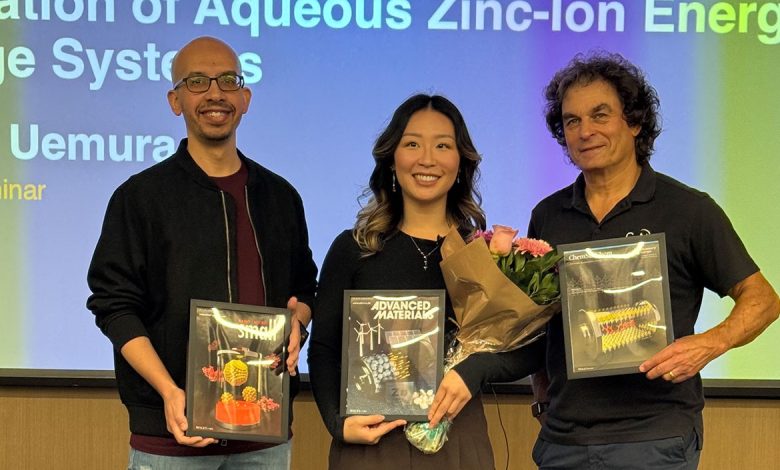
The study, published in the journal Small, also introduces a 3D-printed test battery designed to improve the consistency of performance measurements in energy storage research. The battery developed by the team is a hybrid device in which one terminal functions similarly to the charge storage component of a traditional lithium-ion battery, while the other terminal uses a carbon electrode akin to those in supercapacitors. Supercapacitors, as energy storage devices that charge and discharge rapidly and are expected to operate for decades, have a major limitation: energy can only be stored on the electrode surface, restricting overall capacity.
To overcome this limitation, the UCLA team employed a UV laser resin printing process to fabricate a carbon electrode with a honeycomb or sponge-like internal structure, riddled with billions of micropores. After printing, the electrode was heated and degassed, leaving only conductive carbon with open pores, which was then loaded with vanadium oxide through a chemical process. The resulting surface area is enormous—one gram of electrode material, if spread flat, would cover approximately ten tennis courts. Co-corresponding author Ric Kaner, a distinguished professor of chemistry, biochemistry, materials science, and engineering at UCLA, stated that this method allows for building any 3D scaffold layer by layer and controlling the microstructure, and the vast internal surface area created by the numerous tiny pores means a large amount of charge can be stored.
In addition to the energy density improvement, the device retained 82% of its capacity after 1,500 charge-discharge cycles. The team also noted that zinc is approximately 100 times more abundant than lithium and is relatively easier to mine and recycle, making it a more sustainable battery chemistry material than lithium. Co-corresponding author Maher El-Kady, an assistant researcher in the Department of Chemistry and Biochemistry at UCLA, stated that the future of energy storage will not be defined by a single technology, and the zinc-ion hybrid device developed in this study, capable of storing nearly an order of magnitude higher capacity, could complement current grid-scale energy storage options.
The study also introduced a 3D-printed test battery aimed at improving upon the open beaker setups commonly used in energy storage laboratories. Standard commercial glass test batteries cost $1,000 or more, leading most research teams to rely on beakers, which allow electrolyte evaporation and introduce variability in electrode positioning, affecting measurement accuracy. The UCLA team's printed battery features a sealed top cap and fixed electrode slots. In tests, the standardized carbon electrode retained 98% of its charge after 1,500 cycles in the printed battery, whereas it failed in less than 100 cycles in a traditional open battery setup. First author Dr. Sophia Uemura, who recently completed her Ph.D. at UCLA, stated that this concept helps researchers obtain more consistent measurements and reliable data, and the accessibility of 3D printing means anyone with a 3D printer can create a similar test battery and adapt it to their own work. The research was conducted in collaboration with scientists from National Tsing Hua University in Taiwan.
Related Products
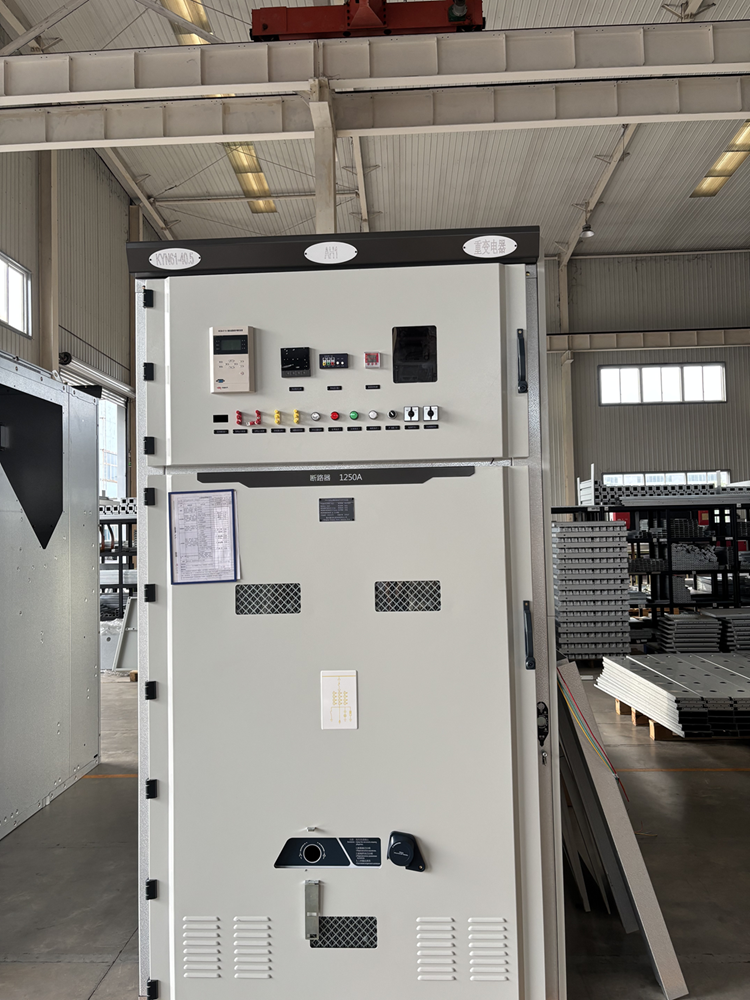

KYN61-40.5 Indoor AC Metal-clad Removable Switchgear
Chongqing Transformer Co., Ltd.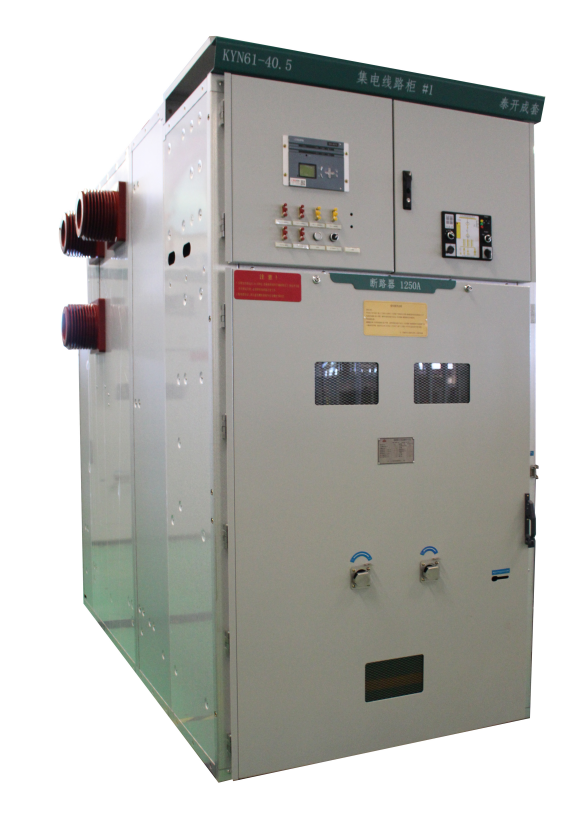
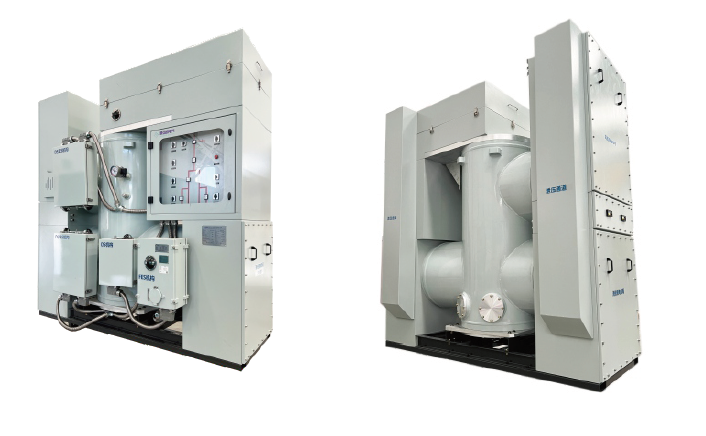
72.5kV 1250A 31.5kA SF6 free Gas-insulated Metal-enclosed Switchgear
Zhejiang Juhonkia Intelligent Electric Co., Ltd.
Prefabricated Houses and Electrical Energy Boxes
Chengdu Ruilong Machinery Manufacturing Co., Ltd.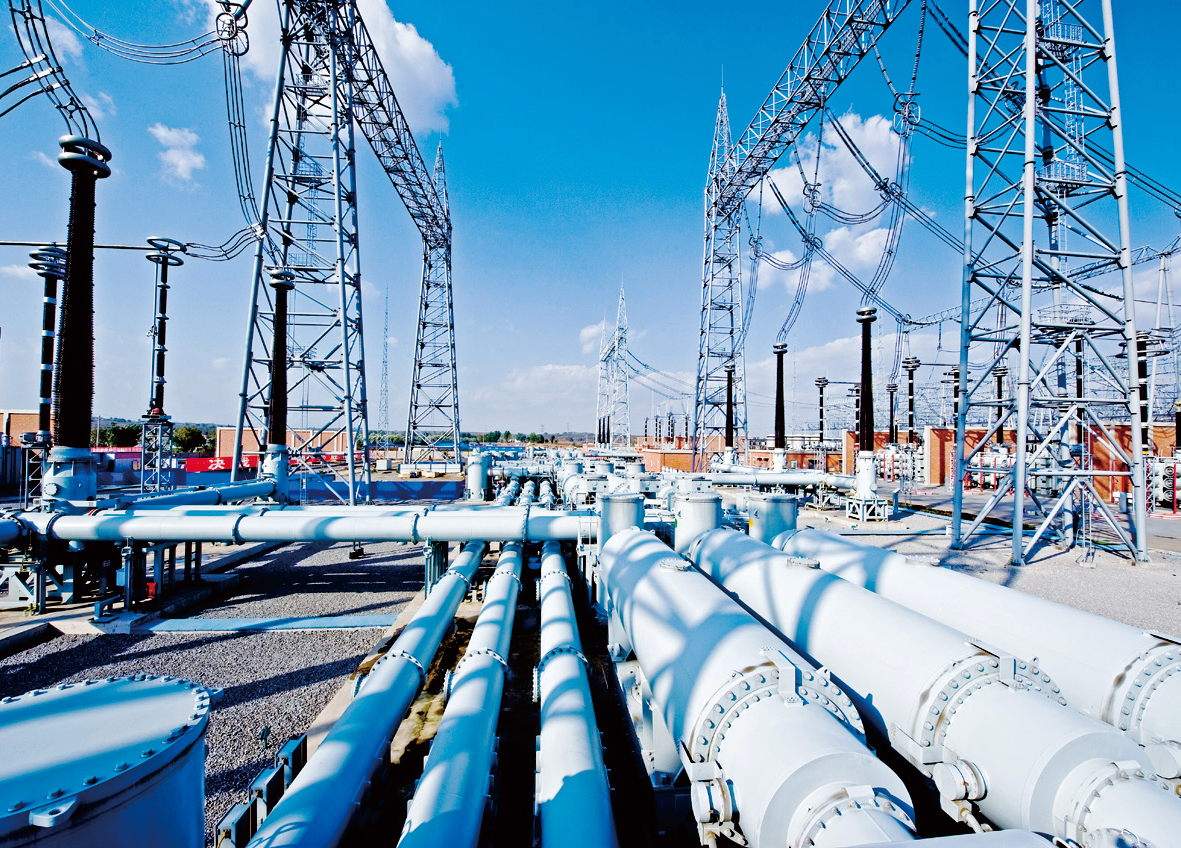
40.5kV-1100kV Gas Insulated Metal-Enclosed Switchgear (GIS)
Henan Pinggao Electric Co., Ltd.