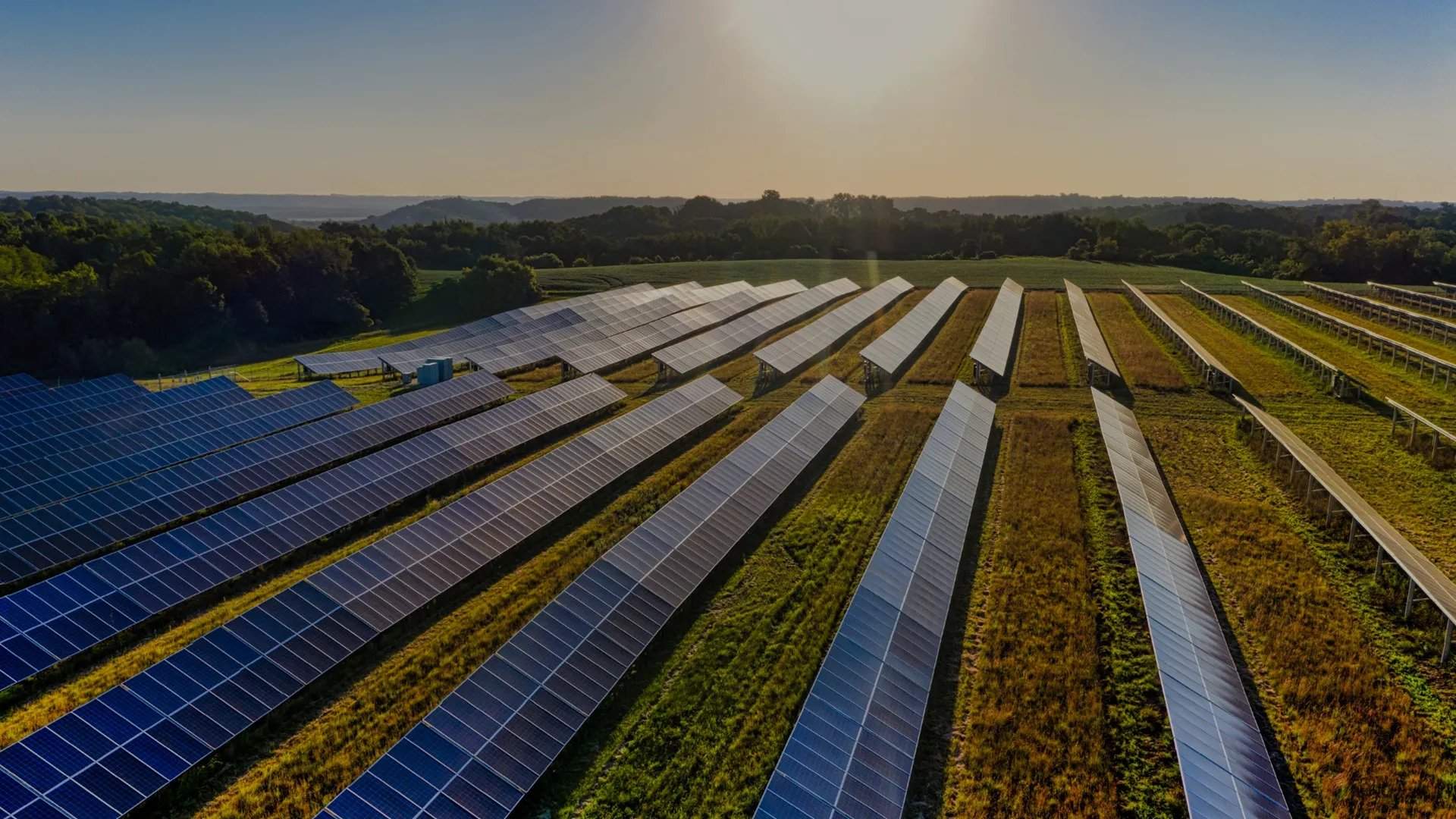
Brazil's Itaipu Floating Solar Plant Pilot 1 MW Battery Storage
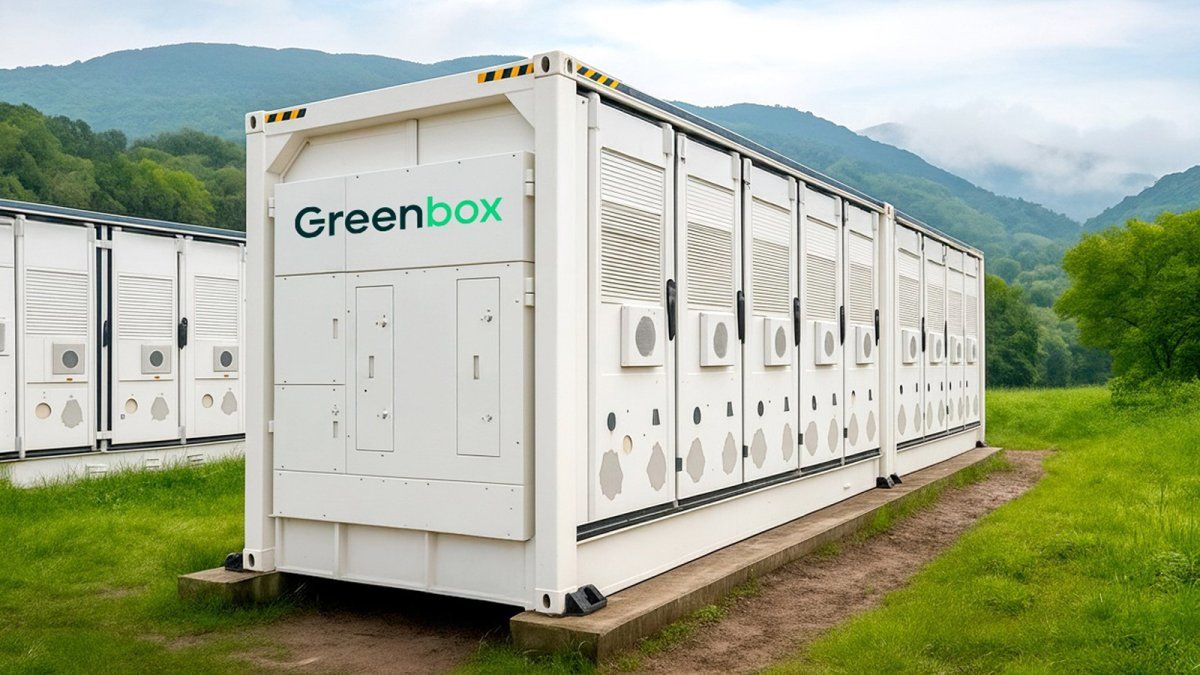
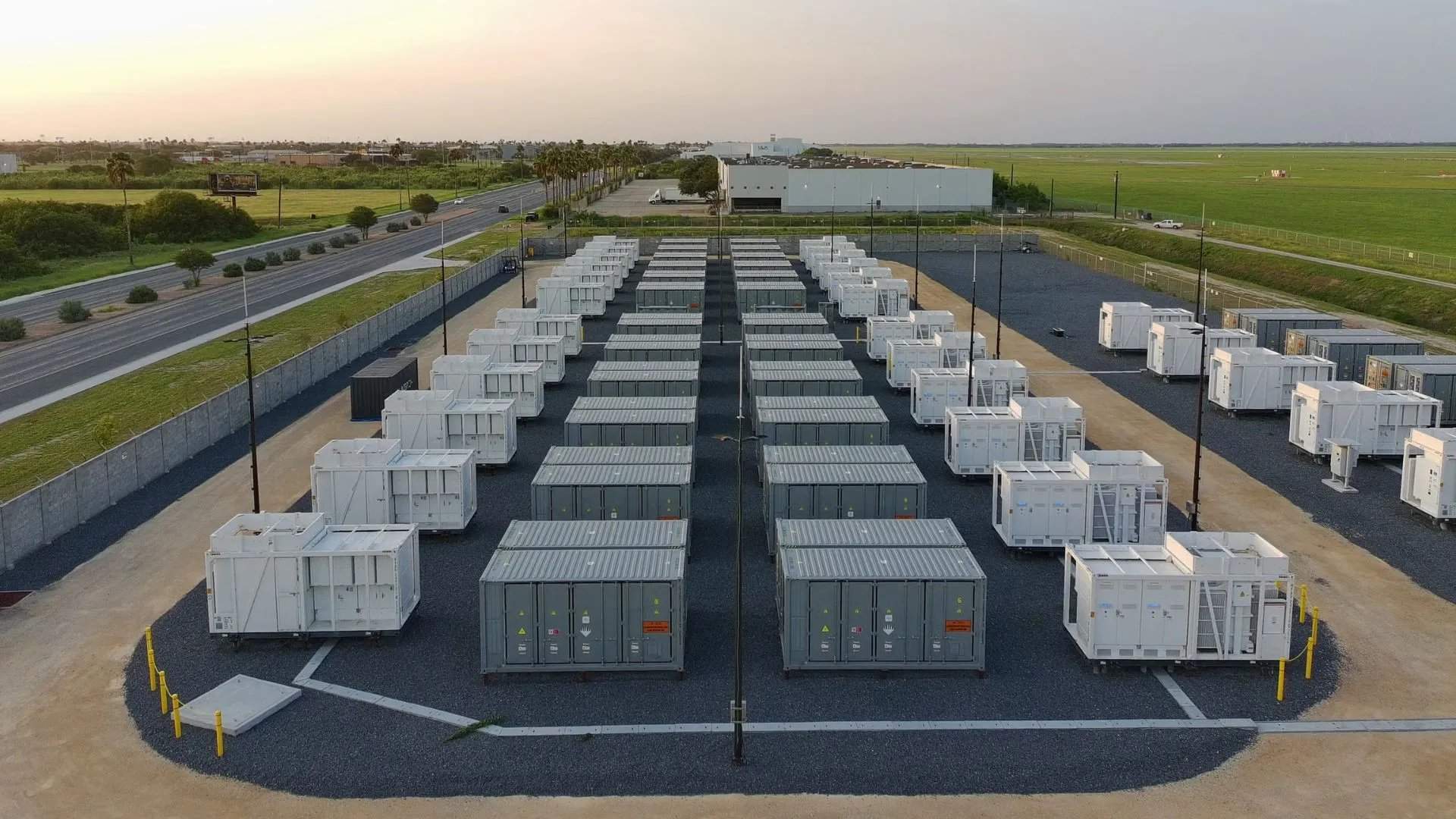
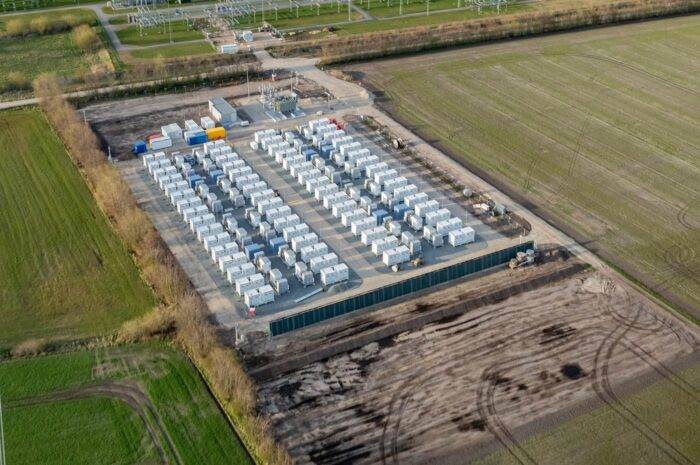
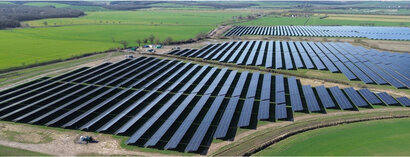
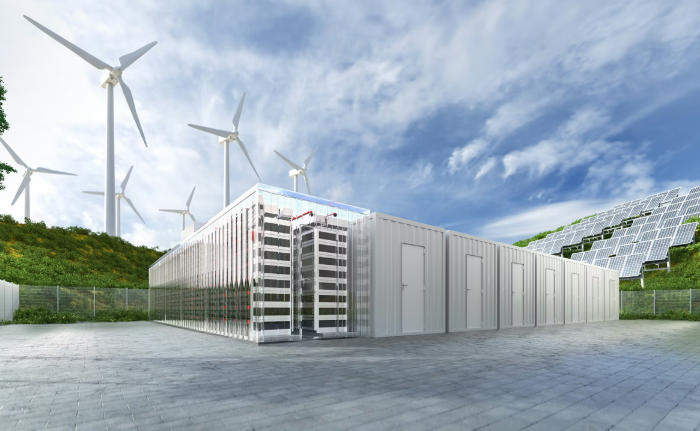
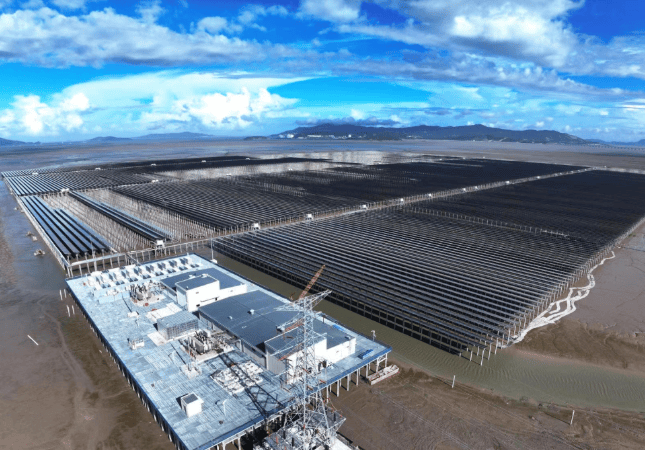
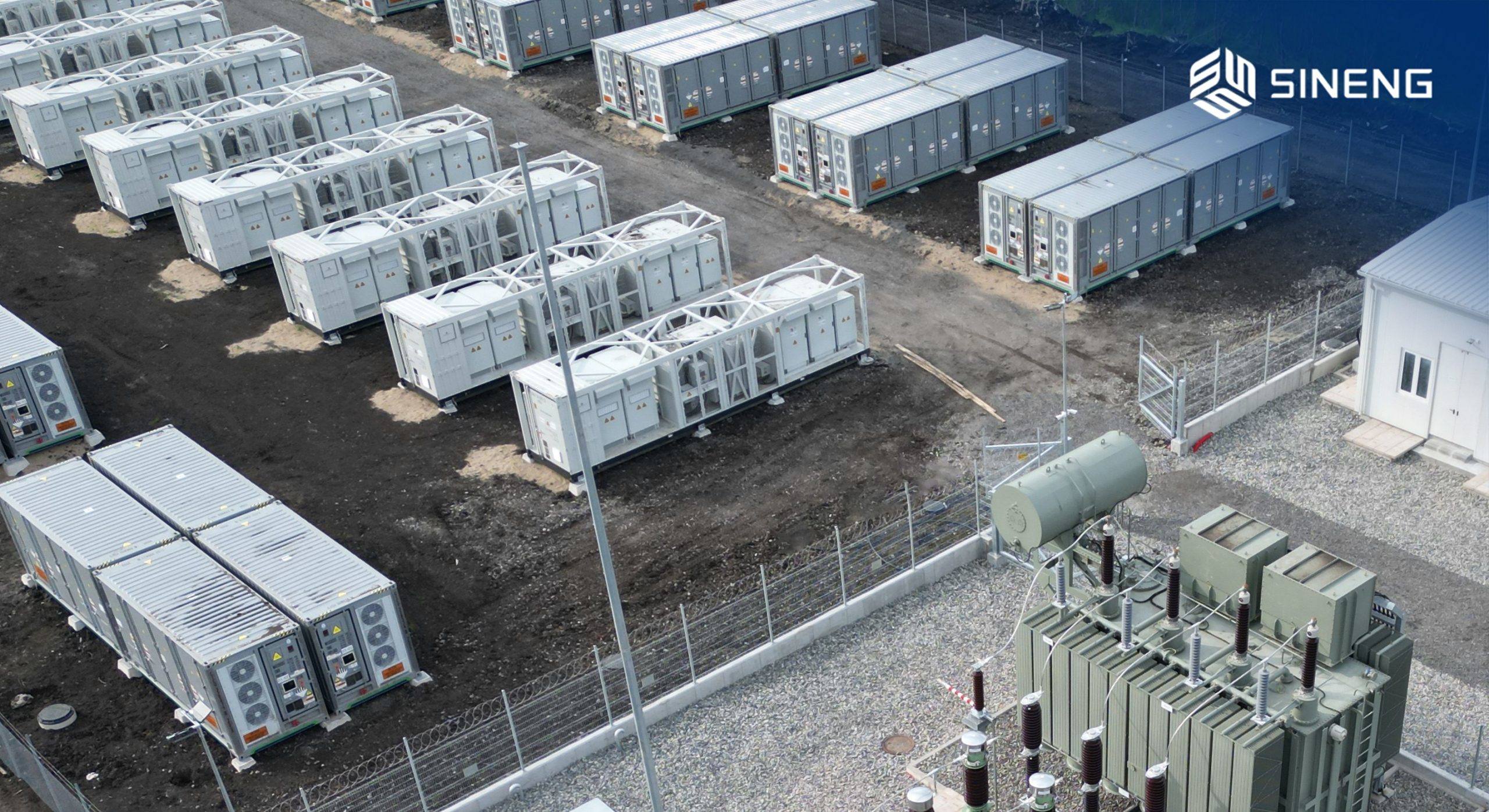
en.Wedoany.com Reported - Itaipu Binacional plans to install a battery energy storage system at its floating solar plant as a 1 MW peak pilot project, aiming to test the combination of the two technologies and assess its contribution to power system stability. The plant paid off its debt in February 2023 and plans to expand its solar panel capacity to over 1,000 MW.
"Today, batteries are necessary so that we can integrate these intermittent sources and supply high-quality power to the system," said André Pepitone, the plant's financial director, in an interview with estúdio eixos during EVEx Brasil 2026, conducted on-site in João Pessoa (Paraíba state) this Wednesday (July 1). He explained that the hydroelectric plant already ensures system reliability, but wind and solar power—which account for 40% of the national installed capacity—cannot provide voltage and frequency stability.
"Wind and solar provide work capacity, but not stability. Batteries can purify this electricity and return it to the system with three attributes: work capacity, voltage stability, and frequency stability," he added.
Itaipu is studying the installation of two new turbines at the hydroelectric plant, which would not increase power generation but would enhance the system's power availability. Brazil's National Electric System Operator (ONS) and Energy Research Company (EPE) are evaluating the measure, considering it economically viable to meet growing power demand.
Regarding electricity prices, Pepitone noted that after repaying construction debts of up to $60 billion raised in international financial markets, Itaipu's electricity has become one of the cheapest in the portfolios of various distributors. Citing Cemig as an example, he stated that Itaipu's electricity price for the company is 207 reais per MWh, compared to the distributor's average of 273 reais. He said that until February 2023, Itaipu's electricity was among the most expensive in distributor portfolios, but the logic completely reversed after debt repayment, and Brazilian consumers now benefit from past investments.
Related Products

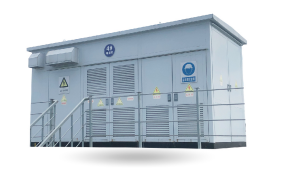
Smart Photovoltaic Prefabricated Substation
Shanghai Jinyou Jinhong Intelligent Electric Co., Ltd.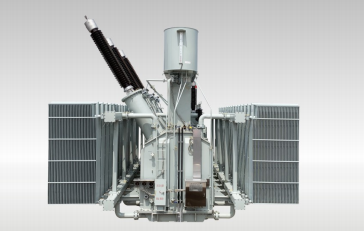
220kV and Below Voltage Level Energy-saving Oil-immersed Power Transformers
FuZhou TianYu Electric Co., Ltd.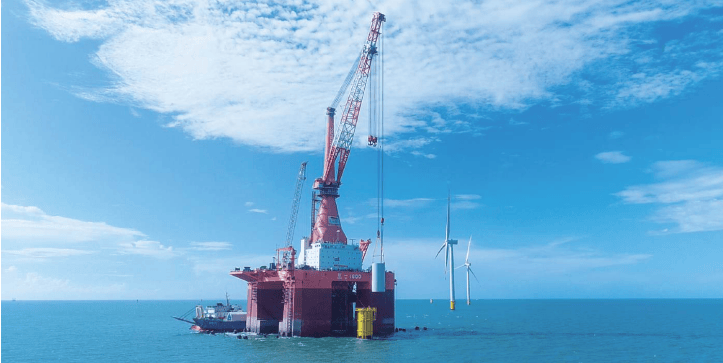
"Shunyi 1600" Deep-submerging Bottom-sitting Multi-functional Wind Power Engineering Vessel
Zhengli Offshore Engineering Co., Ltd.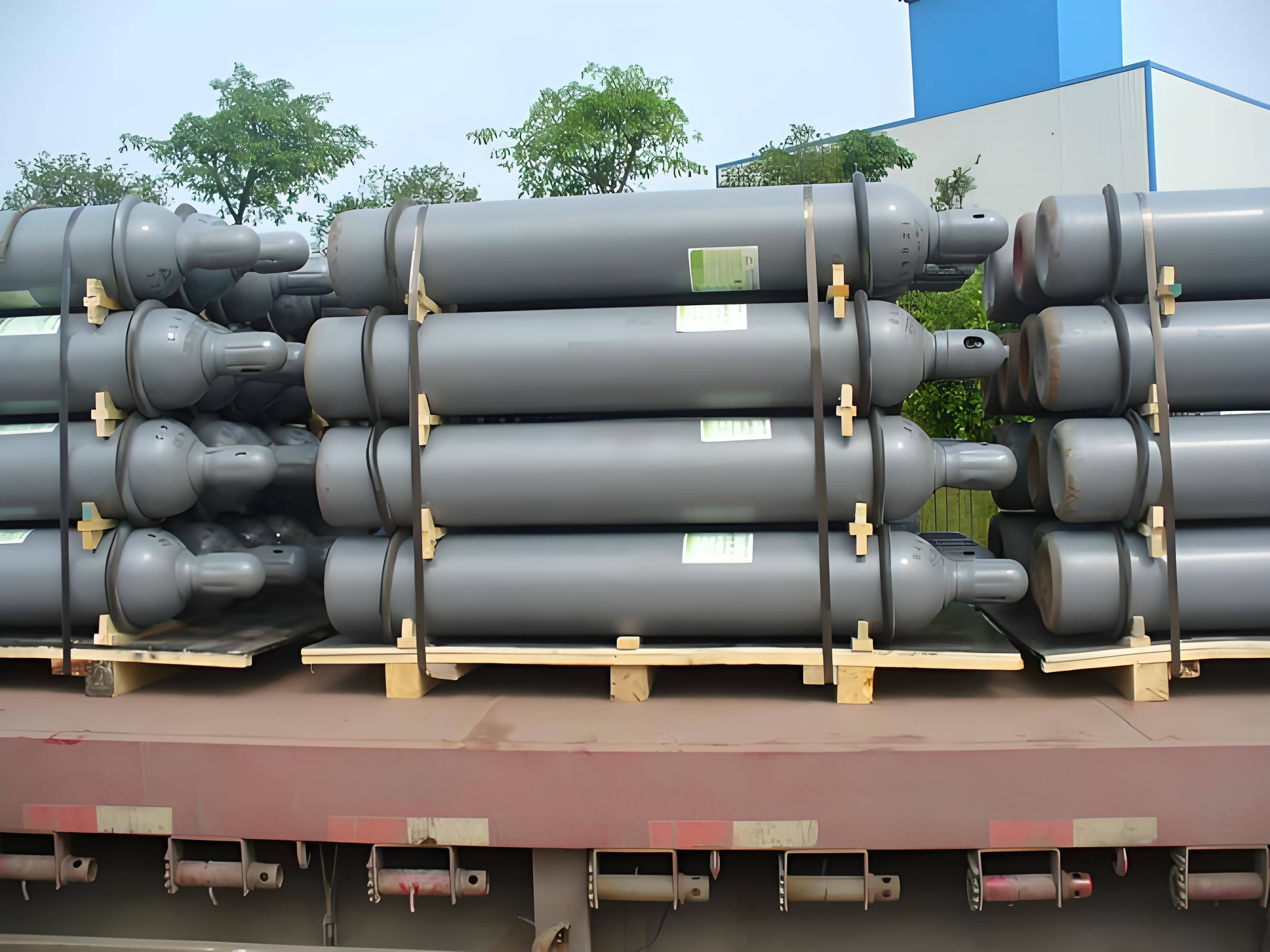
Global Sulfur Hexafluoride Gas Supply and Cylinder Export
Foshan Yuexin Industrial Gas Co., Ltd.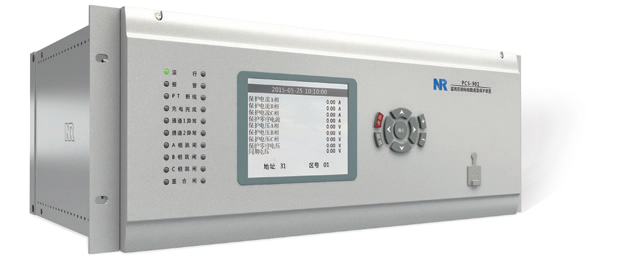
PCS-901 Series Ultra (Extra) High-voltage Transmission Line Complete Protection Device
Nanjing NR Electric Co., Ltd.
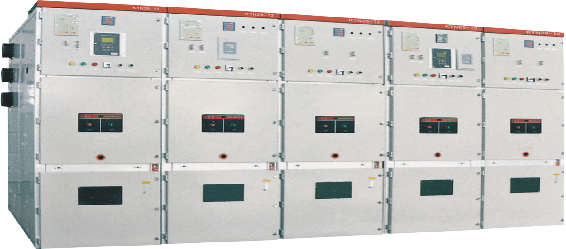
KYN28-12/24 Indoor High-Voltage Metal-Clad Removable Switchgear
Shenzhen Zhaoyang Hui Technology Co., Ltd.
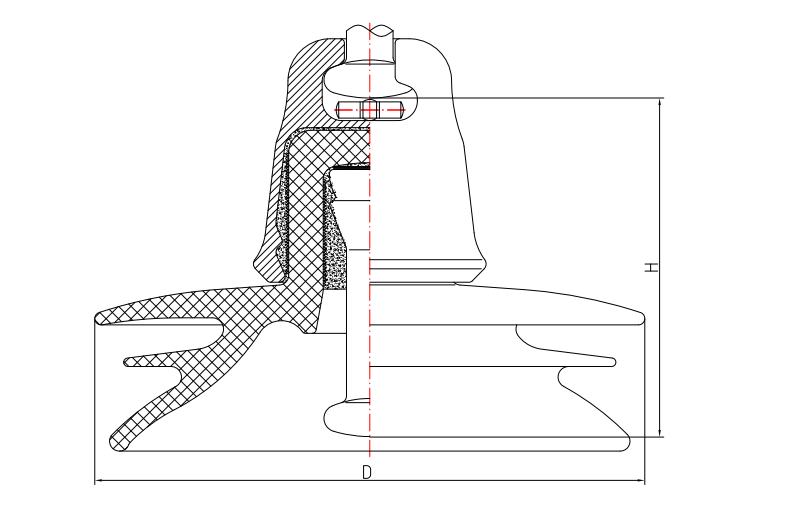
Post-type AC Pollution-resistant Disc Suspension Porcelain Insulator (Triple Umbrella Type)
Shandong High Voltage Insulator Co., Ltd.