Kenya and Korea Collaborate on Africa Rice Cultivation Complex in Mwea
Wedoany.com Report-Apr. 10, Kenya and the Republic of Korea are collaborating to develop the Africa Rice Cultivation Complex in Mwea, Kirinyaga County, aiming to advance agricultural productivity. The Korea Rural Community Corporation (KRC) is leading the construction of a 65-hectare Rice Seed Cultivation Complex, which has already begun and is slated for completion by 2028. This effort is a joint project between the Korea Program on International Agriculture (KOPIA) and the Kenya Agricultural and Livestock Research Organization (KALRO), focusing on increasing high-yield rice seed production and improving farmers’ incomes.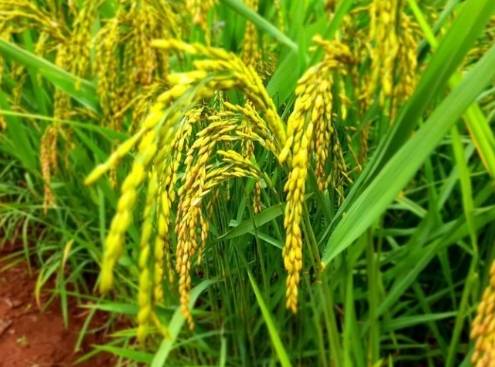
The initiative, supported by a grant, involves an annual investment of Kshs 129 million. It includes producing certified rice seeds, building infrastructure, and acquiring necessary machinery. Dr. Ruth Musila, Centre Director of KALRO Mwea, underscored its goal, stating: “We want our farmers to be able to access affordable seeds.” The complex will feature a 1,000-tonne seed storage facility, dryers, and a processing unit for seed treatment, packaging, and distribution, alongside 65 hectares of paddy fields.
Mechanization is a key focus to lower costs, as Dr. Musila explained: “We want to mechanize the whole system so that we reduce the cost of producing rice seed, with a view to making it affordable for the majority of farmers in Mwea, the western region, Taita Taveta, Bura, and Hola.” The project aims to cut seed prices from Kshs 160 per kilogram to about Kshs 100 per kilogram, benefiting smallholder farmers. The National Cereals and Produce Board (NCPB) will distribute the seeds, utilizing its existing fertilizer network.
Dr. Musila highlighted self-sufficiency as a target, saying: “Our target is to achieve rice self-sufficiency in Kenya. Through this project, we aim to increase domestic rice production from below 20% to at least 30%.” The complex will also include an office block and a training center to teach farmers and seed growers about quality seed production and commercial rice farming.
The Kenyan government supports this effort to boost local rice output and reduce reliance on imports. Initiatives include buying paddy rice directly from farmers, upgrading farming techniques, and forming partnerships to explore import alternatives. In January 2024, National Treasury and Economic Planning Cabinet Secretary John Mbadi allocated Kshs 150 million in the 2024/25 supplementary budget for paddy purchases. This Kenya-Korea partnership strengthens food security, farmer livelihoods, and sustainable agriculture in the region.
Related Products




714CD Series C-Band Weather Radar
Chengdu Zhongdian Jinjiang Information Industry Co., Ltd.

Industrial and Commercial Point-Type Gas Detector
Jinan Benan Technology Development Co., Ltd.
4HS-8 High-efficiency Peanut Inverted-laying Harvester
Hebei Yongfa Hongtian Agricultural Machinery Manufacturing Co., Ltd.