Coordinates of 10-million-ton Coal Mines Designated as China's Important Data
en.Wedoany.com Reported - On June 30, 2026, China's National Energy Administration officially issued the "Energy Industry Data Classification and Grading Guide (2026 Edition)" (hereinafter referred to as the "Guide"). As a key supporting regulation for the "Energy Industry Data Security Management Measures (Trial)", the Guide establishes, for the first time at the national level, a systematic classification and grading management system for energy industry data.
The Guide specifies that the data classification dimensions for the energy industry include two major aspects: energy types and energy activities. By energy type, coal is listed alongside oil, natural gas, nuclear energy, and electricity as a primary category. In terms of grading, the Guide divides energy industry data into three levels—general, important, and core—based on factors such as data importance, precision, scale, and security risks.
For the coal industry, the most significant provision in the Guide is Article 8: Geographic coordinate data with a precision of 100 meters or better for coal mines with an annual output of 10 million tons or more, as well as any materials containing such coordinate data, are classified as important data in the energy industry. The materials referred to include, but are not limited to, planning documents, design drawings, construction drawings, production and operation records, and research materials. This means that the precise geographic location information of dozens of large-scale coal mines with an annual output of 10 million tons or more across the country, along with various drawings and materials containing this information, will be brought under the management scope of important data.
The Guide establishes four fundamental principles: clear basis, defined boundaries, strict adherence to higher standards, and dynamic updates. Coal enterprises must fulfill six primary responsibilities in accordance with the Guide: compiling directories, improving systems, implementing technical protections, conducting annual assessments, regulating data export and transfer, and emergency response. The implementation of this system marks a new phase in which data security protection for the coal industry has officially entered an institutionalized and standardized stage.
Related Products



Comprehensive Mining Automation Control System
Beijing Tianma Intelligent Control Technology Co., Ltd.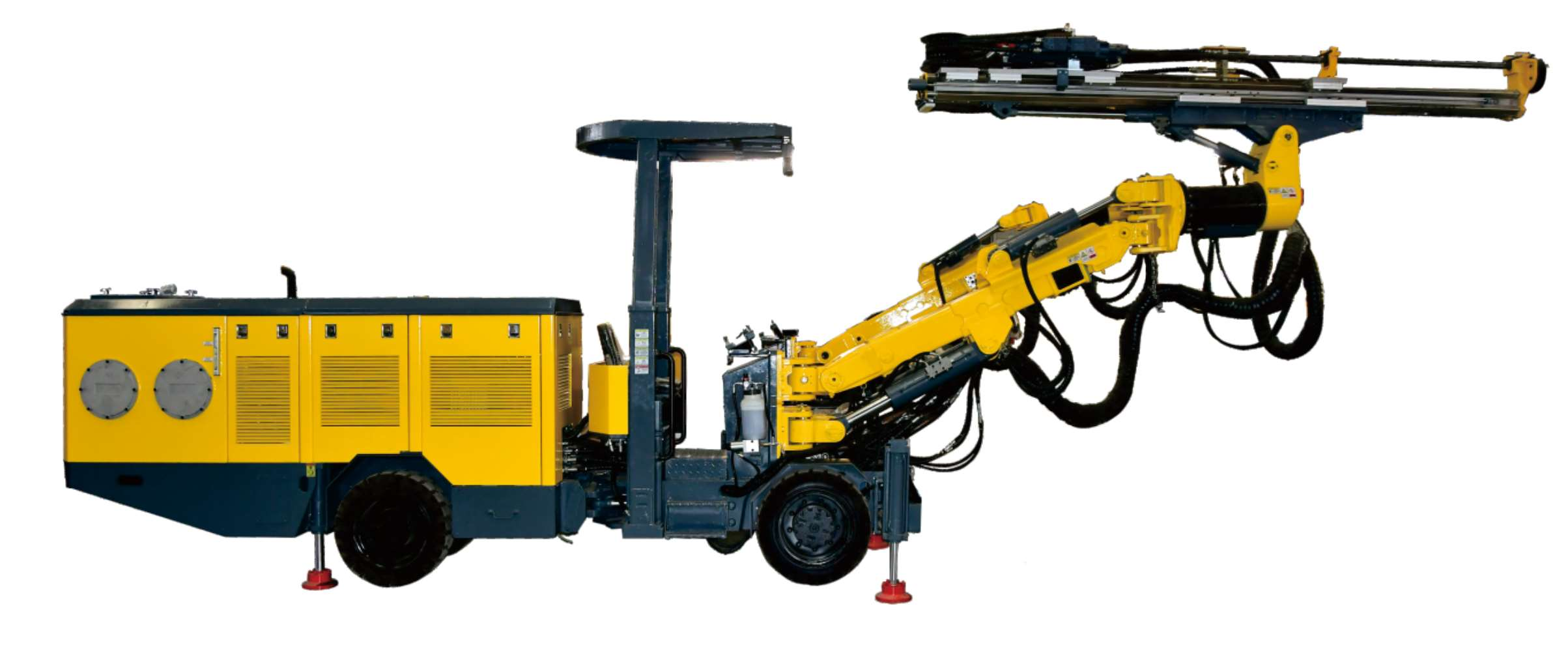


Mine Explosion-proof and Intrinsically Safe Industrial Ethernet Ring Network (10 Gigabit/Gigabit)
Chongqing Mas Sci&Tech Co., Ltd.


Industrial and Commercial Point-Type Gas Detector
Jinan Benan Technology Development Co., Ltd.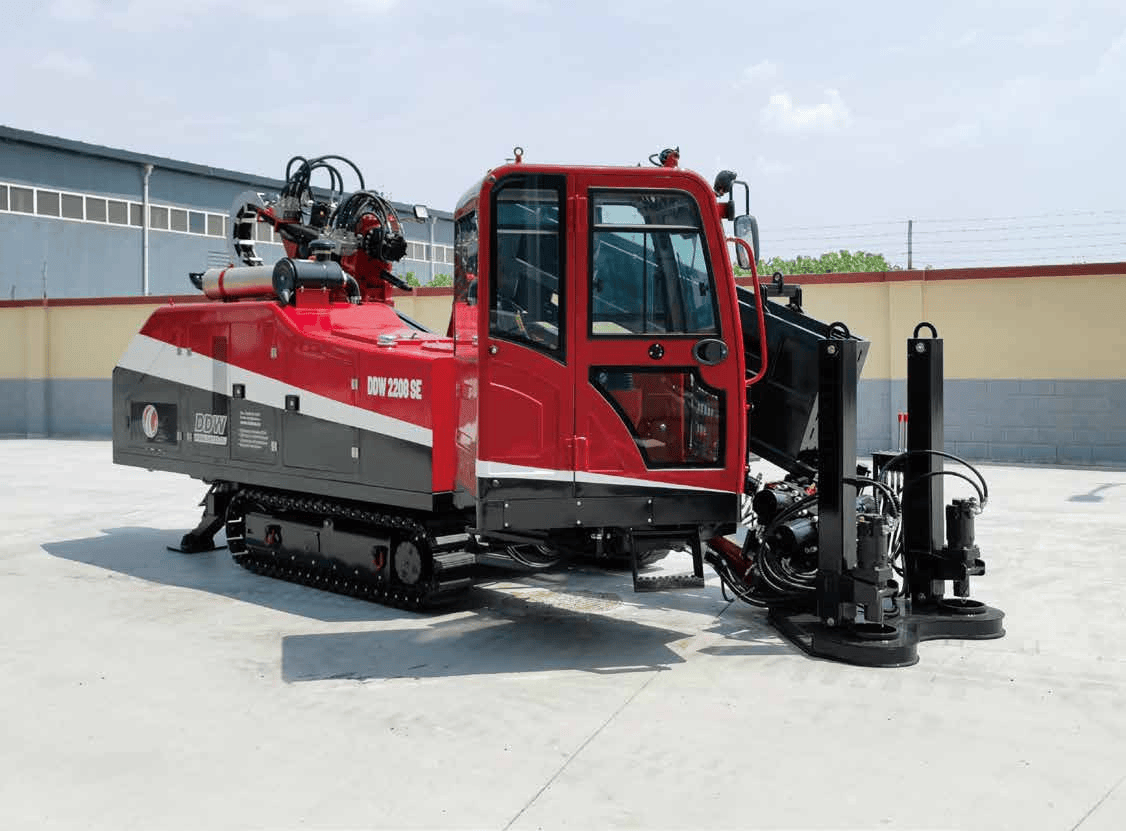
DDW22/08SE-HORIZONTAL DIRECTIONAL DRILL
DW/TXS Construction Equipment (Beijing) Co., Ltd.