China's Guangxi Launches AI-Powered Intelligent Rare Earth Ore Prospecting Project
en.Wedoany.com Reported - Led by the Guangxi 274 Geological Team, in collaboration with the Institute of Mineral Resources of the Chinese Academy of Geological Sciences, the project "Research on AI-Based Comprehensive Information Prospecting Prediction and Exploration Demonstration for Ion-Adsorption Heavy Rare Earth Deposits in Guangxi" recently held its launch and implementation plan review meeting in Nanning, marking the official entry of the project into the implementation phase.
Ion-adsorption rare earth deposits are a crucial deposit type affecting China's international competitive advantage in rare earth critical minerals and resource strategic security. Guangxi, as one of the main production areas for ion-adsorption rare earth deposits in southern China, boasts numerous deposits and abundant total resources. However, rare earths are strategically controlled minerals under strict national regulation. Past exploration and evaluation in the region often adopted generalized and extensive working models, resulting in insufficient precision in metallogenic prediction and quantitative resource assessment for heavy rare earth deposits, making it difficult to support detailed exploration and scientific management and development.
The project launched this time precisely targets this challenge. Leveraging the Guangxi Bureau of Geology and Mineral Resources' extensive geological data and years of field exploration experience, the project will utilize AI technology to construct a multi-source heterogeneous information fusion model, which is significant for promoting the intelligent transformation of geological prospecting work and enhancing the level of rare earth resource exploration and development in Guangxi. At the review meeting, the project leader and experts from partner units introduced the project implementation plan and intelligent prospecting prediction technology. The expert group unanimously deemed the plan scientifically feasible and proposed optimization suggestions regarding data integration, exploration demonstration, and AI metallogenic prediction model construction.
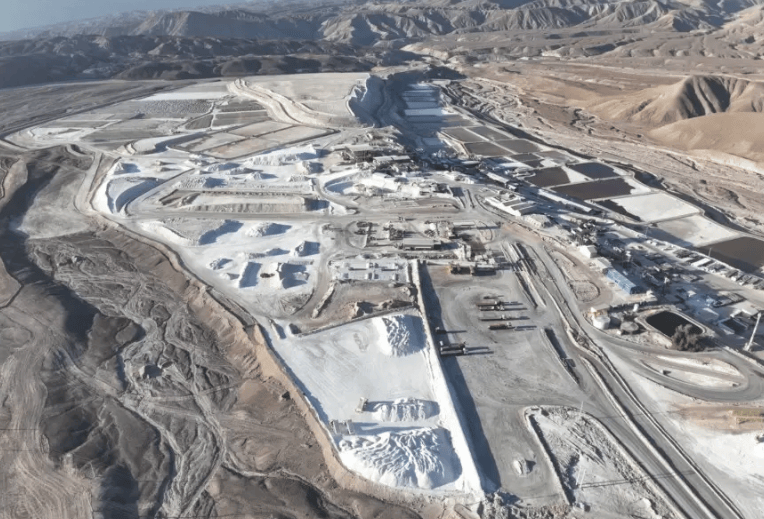
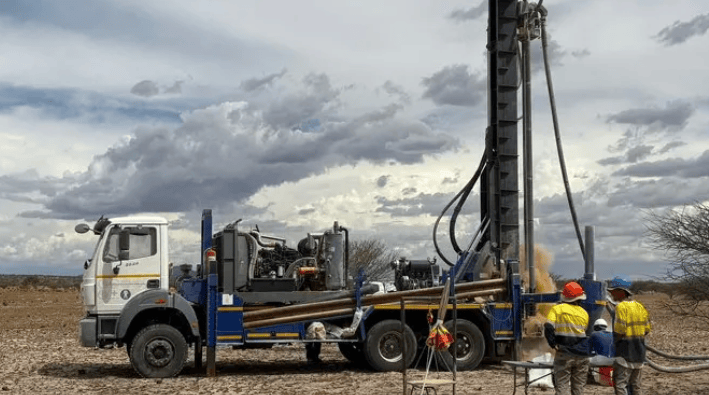
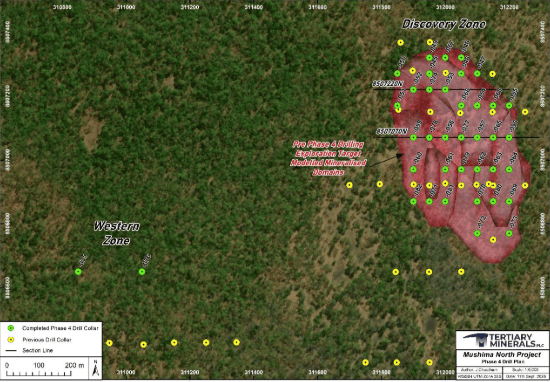
Following the project launch meeting, all attending representatives traveled to typical ion-adsorption rare earth mining areas in the region to conduct the first phase of joint field reconnaissance. They inspected the geological characteristics, sampling points, and data collection conditions of typical ion-adsorption heavy rare earth deposits, laying an empirical foundation for subsequent multi-source information fusion modeling and target area optimization.
Related Products
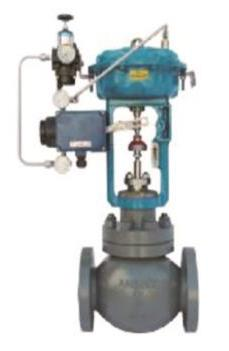

Quick-Change Single-Seat Control Valve / Quick-Change High-Pressure Single-Seat Control Valve
Beijing Consen Automation Technology Co., Ltd.

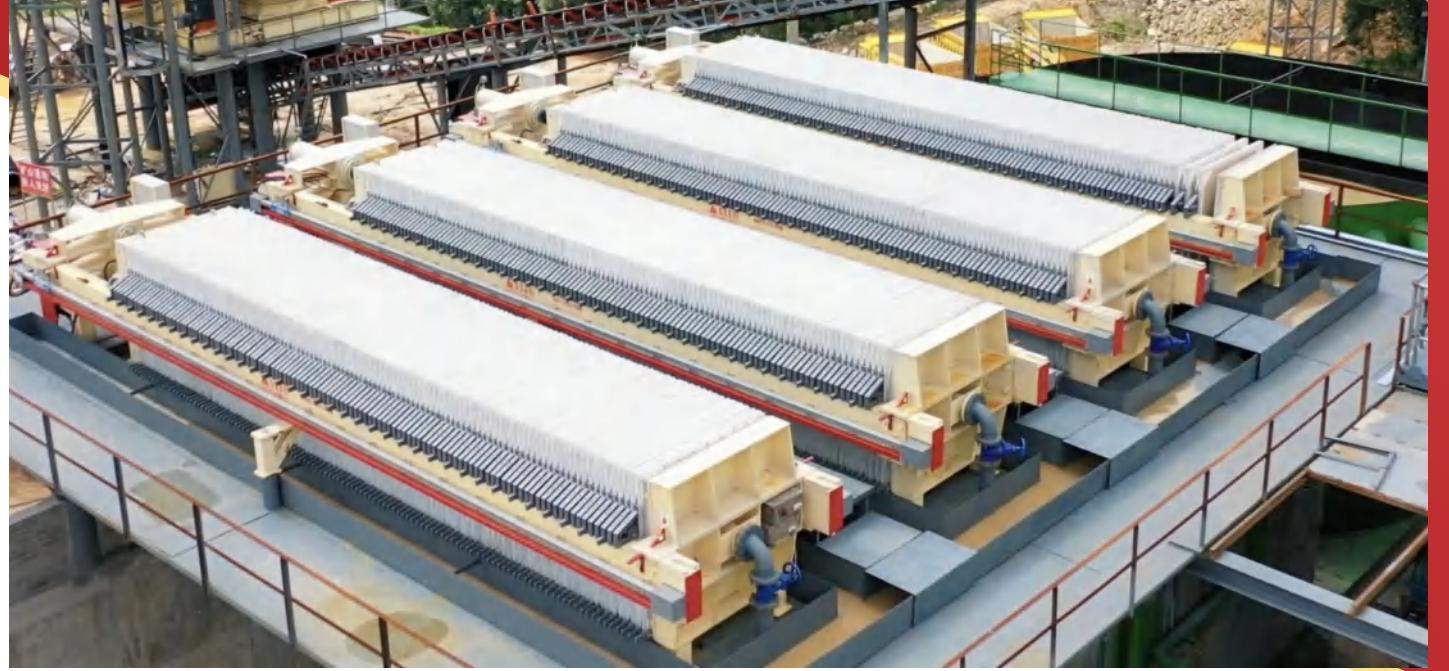
Hydraulic Plate and Frame Filter Press
Guangdong Leimeng Intelligent Equipment Group Co., Ltd.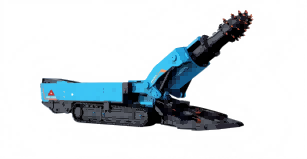
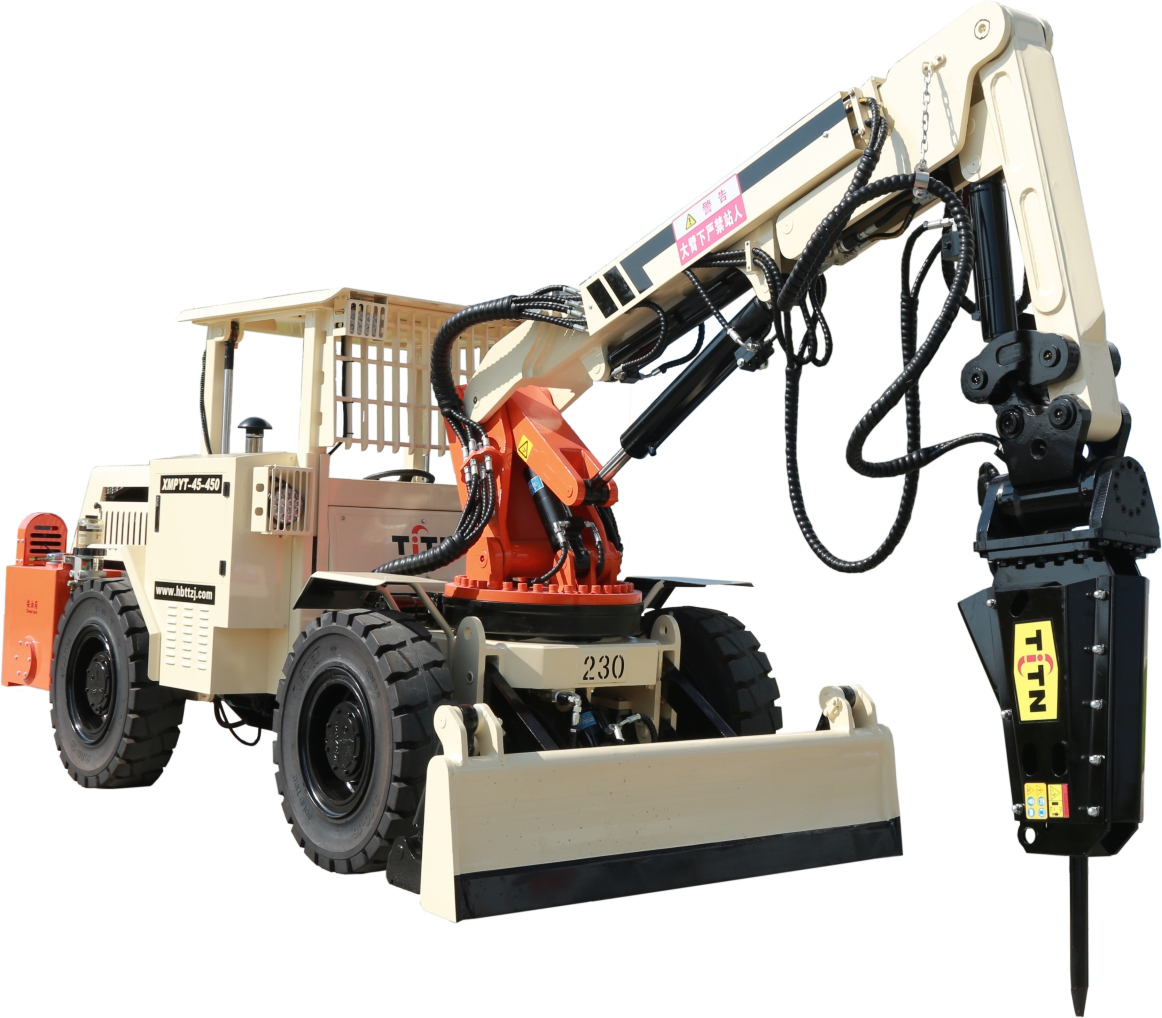

High-temperature Equal Wall Thickness High-power Screw Drilling Tool
Orient Energy & Technologies Co., Ltd.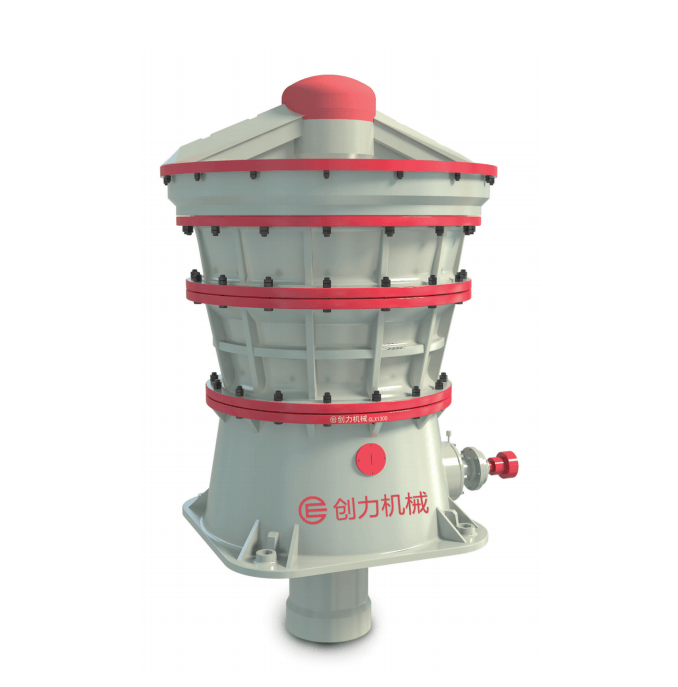
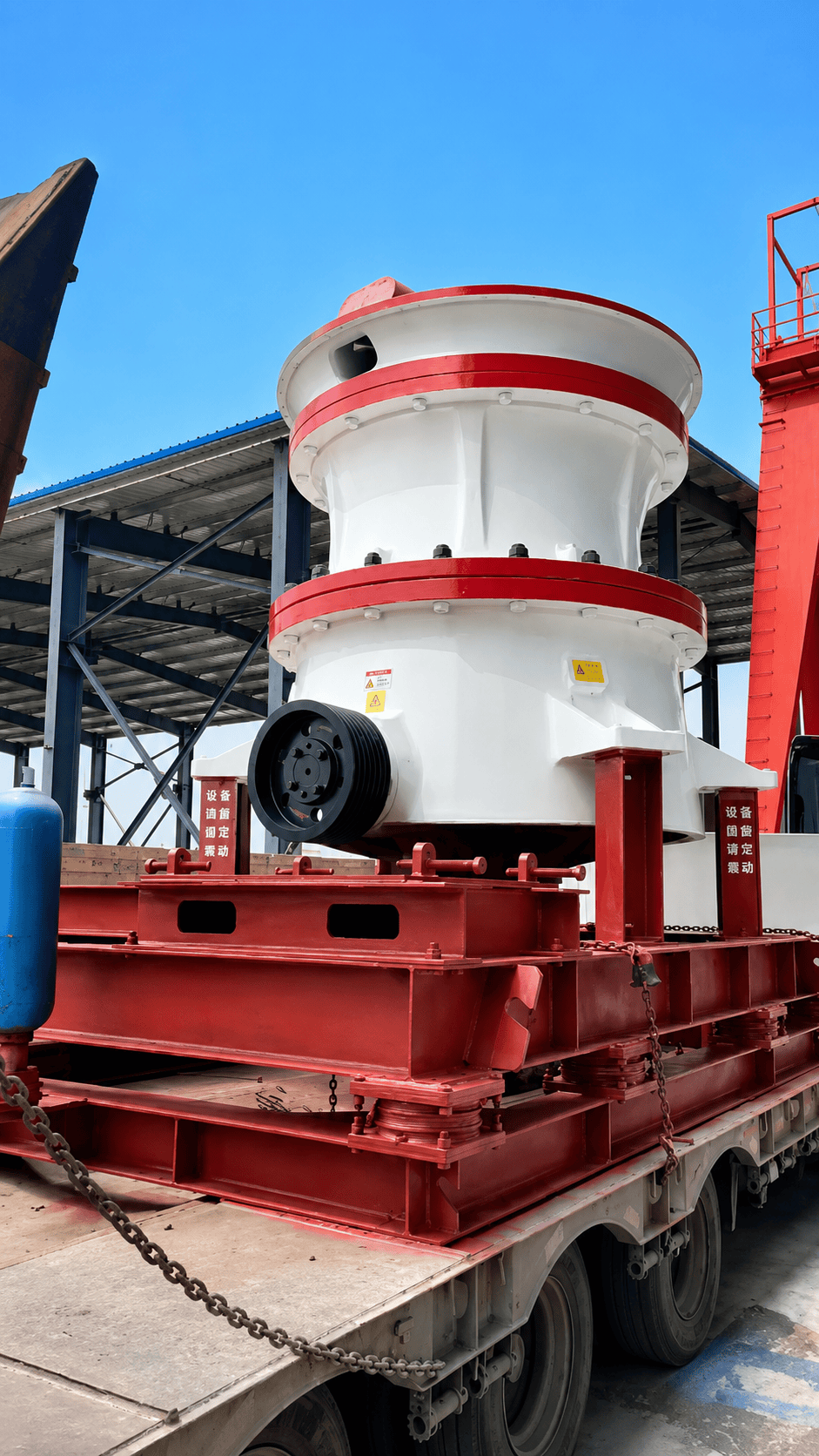
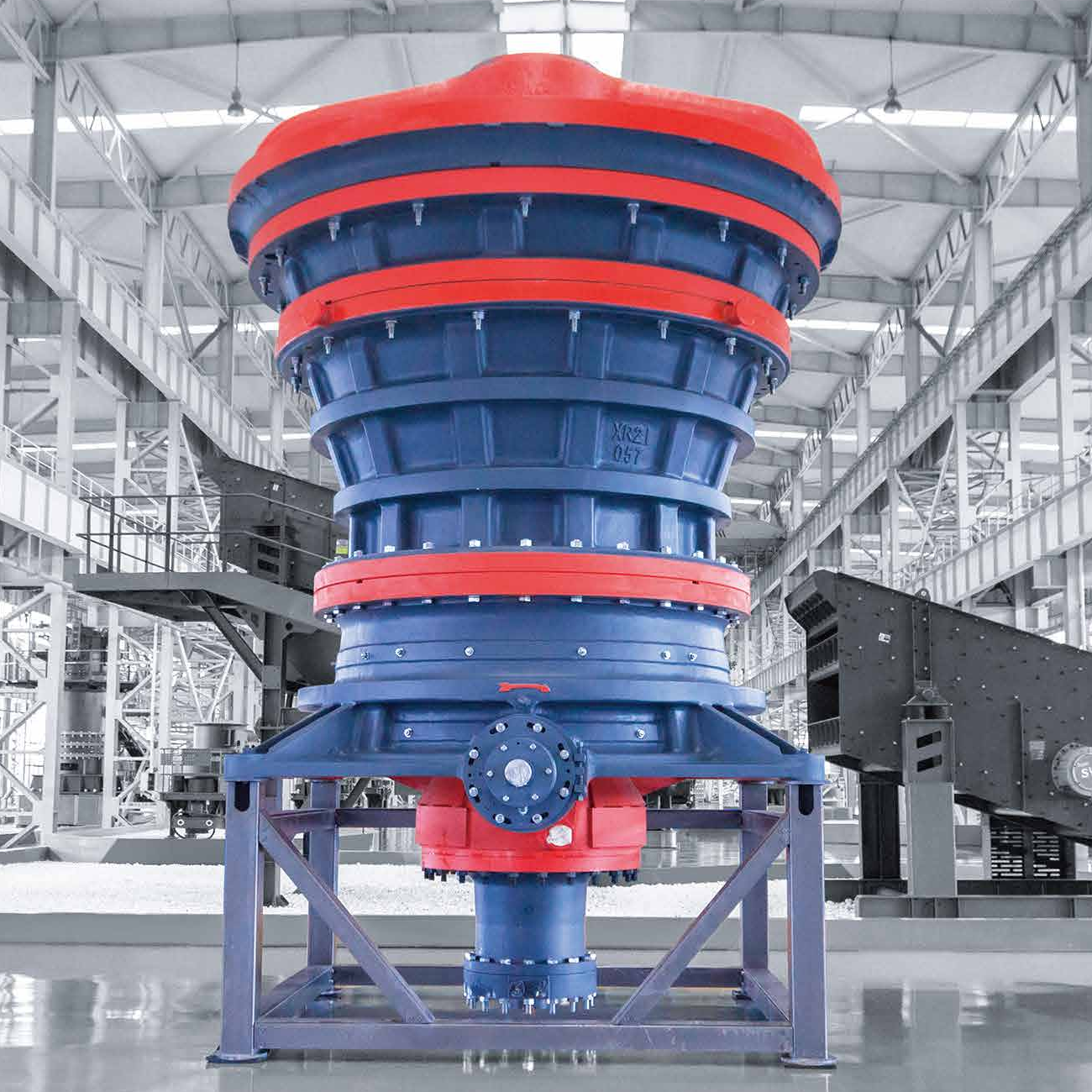
CLX Series Intelligent Hydraulic Gyratory Crusher
Guangdong CHUANGLI intelligent machinery Equipment Co., LTD