Main Bridge of China Construction Eighth Engineering Bureau's Saribas Bridge in Malaysia Successfully Closed
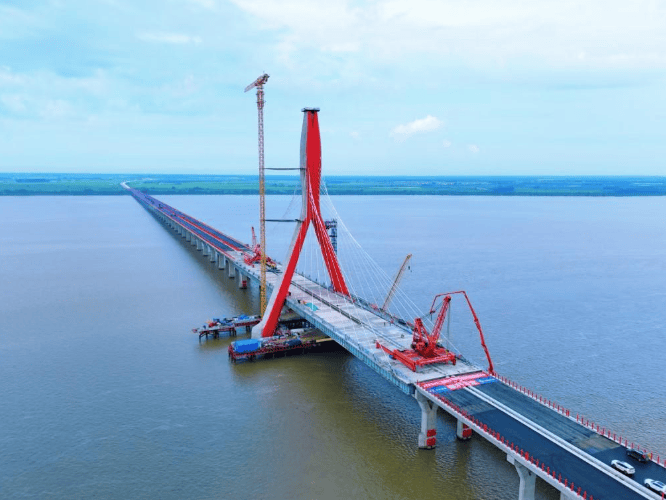
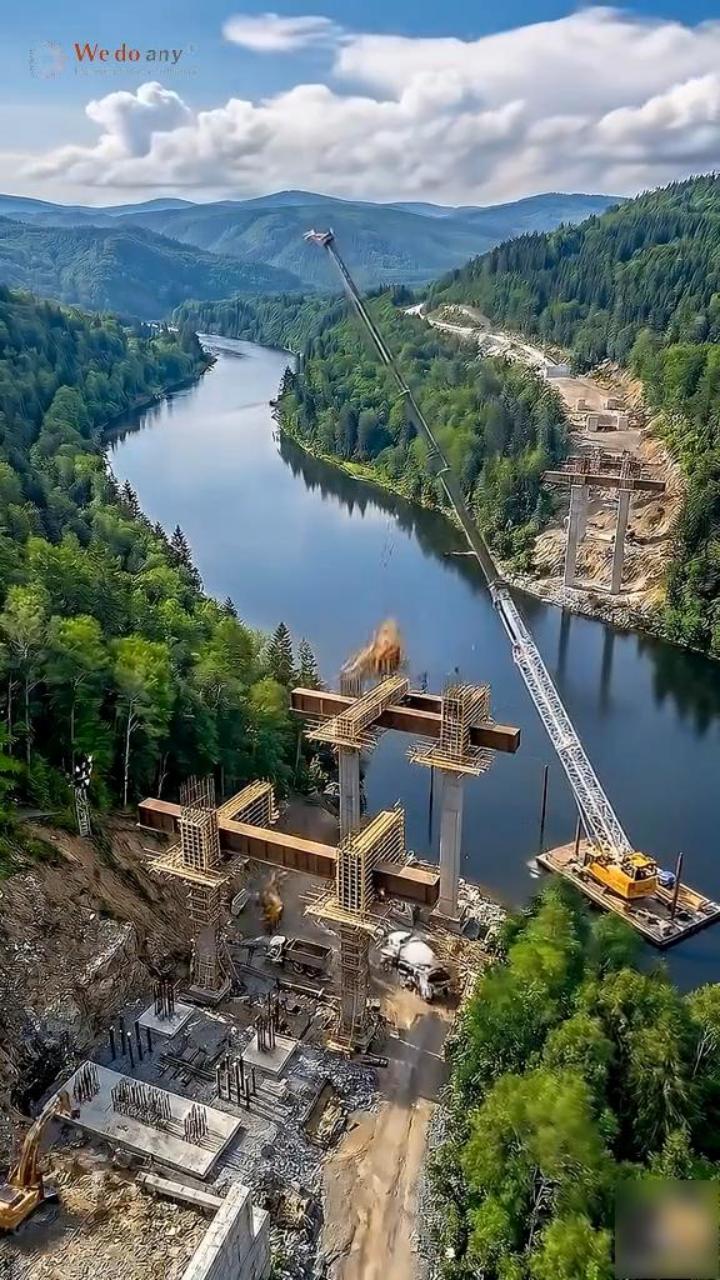
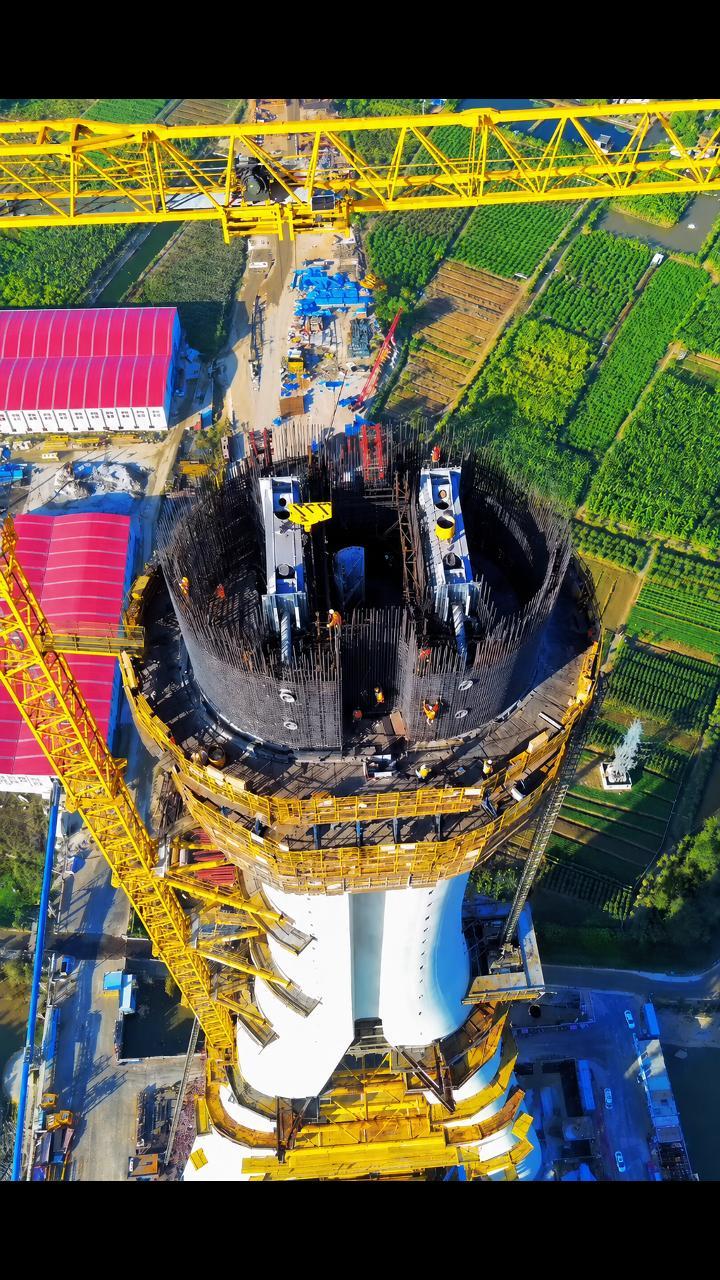
en.Wedoany.com Reported - The main bridge of the Saribas Bridge project in Malaysia, undertaken by China Construction Eighth Engineering Division Corp., Ltd. (referred to as "China Construction Eighth Engineering Bureau"), was successfully closed recently, marking a key breakthrough in the project's construction. Located in Sarawak, Malaysia, the bridge spans 2.43 kilometers in total length. The main bridge adopts a six-span prestressed concrete continuous rigid frame system, with a maximum span of 220 meters, making it one of the longest bridges of its type in Southeast Asia.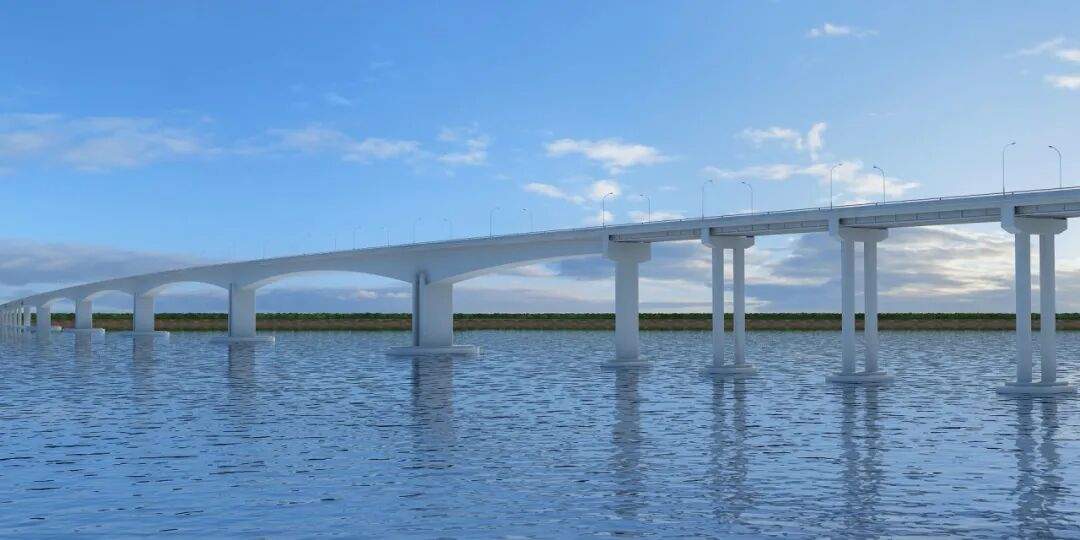
The Saribas Bridge is the first bridge project undertaken by China State Construction Engineering Corporation (CSCEC) in Malaysia. Once completed and opened to traffic, it will become a major transportation artery connecting urban and rural areas in Sarawak, as well as linking the region internally and externally. It will fill gaps in the local road network, significantly enhance regional traffic efficiency, and build a more convenient and efficient modern transportation system.
The closure segment of the main bridge is located at the secondary mid-span, with a length of 2 meters, requiring extremely high control over temperature, elevation, and alignment. Facing extreme construction conditions such as high temperatures, frequent rainfall, and complex tidal environments, the project team innovatively adopted a technique of rigid skeleton locking combined with low-temperature pouring. Through measures including five consecutive days of temperature monitoring and precise water tank counterweight adjustments, the closure error was strictly controlled within the millimeter range. Given the complex environment at the bridge site, located in a river mouth tidal area with a maximum water depth of 19 meters, a tidal range of 5 meters, and a maximum flow velocity of 2.5 meters per second during the monsoon season, the project employed techniques such as prefabricated bottom slabs for steel cofferdams, anti-floating measures with steel casings under reverse pressure, and low-tide wet joint water sealing. This achieved a verticality deviation of less than 1% for ultra-long pile foundation boreholes, with all pile integrity test results classified as Type I piles. To address the technical challenges of asymmetric cantilever construction, the project used a "counterweight balance method" to control asymmetric bending moments, synchronized walking of hydraulic step-type form travelers, and high-precision formwork positioning to ensure segment alignment. This was supplemented by real-time monitoring and linear rolling correction algorithms to dynamically adjust the pre-camber, effectively mitigating construction risks under complex marine conditions.
During construction, the project was awarded the Malaysian National Occupational Safety and Health Excellence Silver Award and the Sarawak State Health, Safety, and Environment Gold Award for its outstanding safety and environmental management performance. The successful closure of the Saribas Bridge's main bridge has accumulated valuable experience for China Construction Eighth Engineering Bureau in bridge construction in Southeast Asia and contributed "Chinese construction" strength to infrastructure development along the Belt and Road Initiative.
Related Products

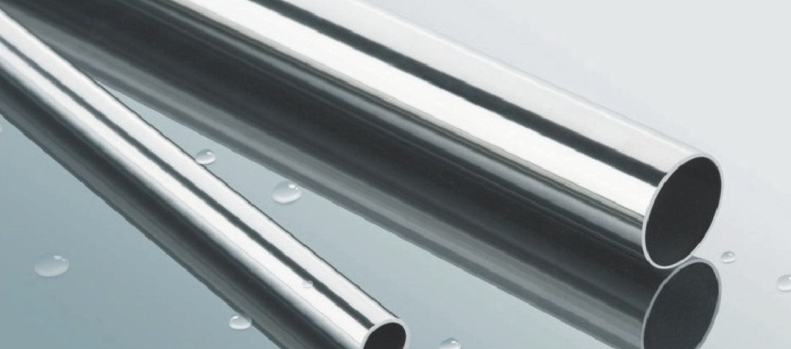
ERW Welded Pipe (Black Pipe and Hot-dip Galvanized Steel Pipe)
Handan Zhengda Steel Pipe Co., Ltd.
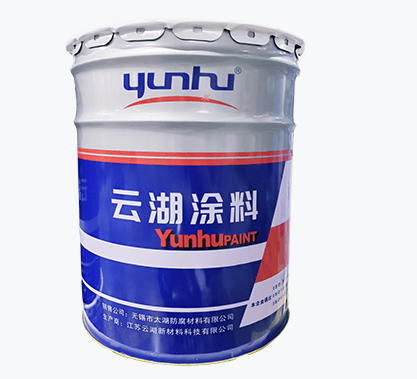
YHTank8400N Solvent-Free Liquid Epoxy Coating
JIANGSU YUNHU NEW MATERIAL TECHNOLOGY CO., LTD.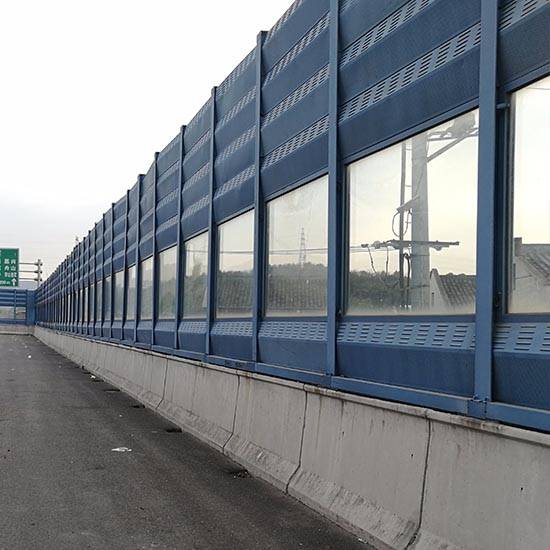
Metal sound barriers that can reduce the transmission of road noise
Hebei Jinbiao Construction Materials Tech Corp., Ltd.
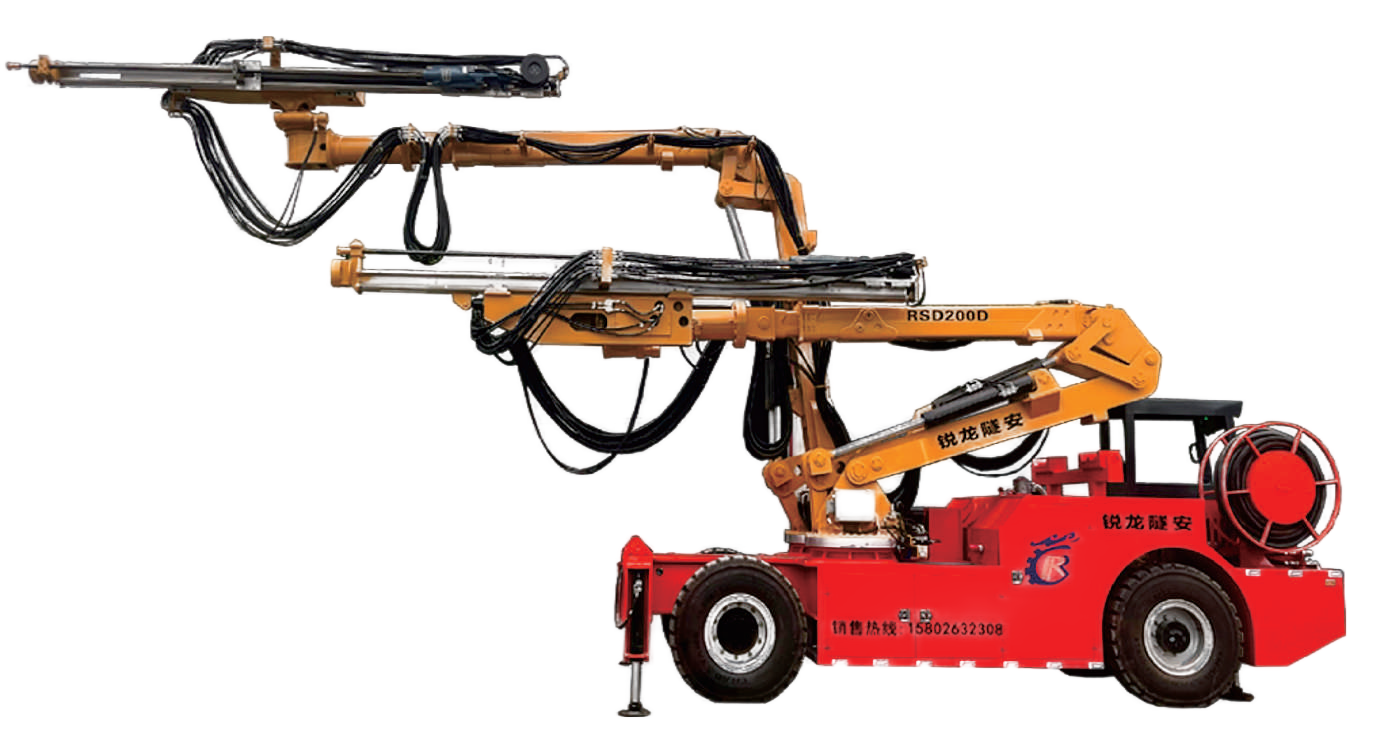
Dual-curved Arm Rock Drilling Trolley RSD200D
Chengdu Ruilong Machinery Manufacturing Co., Ltd.

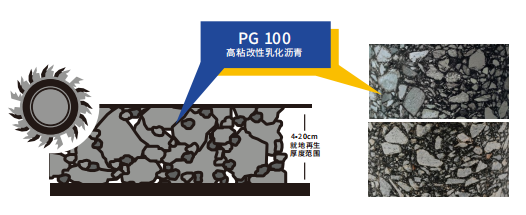
High-toughness in-Situ Cold Recycling Technology for Original Structural Layers
Central Fortune Creation Technology Group Co., Ltd.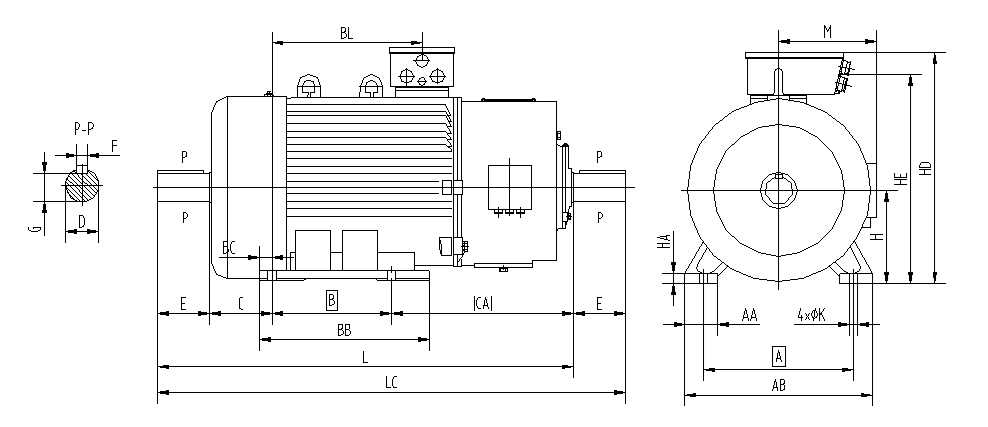
YZR (450-560) Series Wound Rotor Three-Phase Asynchronous Motors for Crane and Metallurgical Applications
Jiamusi Electric Machine Co., Ltd.