AMD Introduces Low-Power Cores for Zen 6 Processors
en.Wedoany.com Reported - AMD is developing a more complex core architecture for its next-generation Zen 6 processors, with Linux kernel patch information revealing that the company will introduce a new type of core.
AMD and Intel are currently pursuing different technological paths. After decades of largely aligning their technical approaches, the two companies now seem to have chosen different strategies. Of course, these changes will need to be verified once products actually hit the market. However, rumors over the past few months have suggested that Intel has gradually grown weary of its architecture mixing cores of different natures. Nova Lake and Razor Lake will still be designed based on hybrid architecture principles. But further into the future, as early as 2028 or more likely 2029, the next-generation Titan Lake will reintroduce what Intel engineers call "unified cores," eliminating the distinction between high-performance and high-efficiency cores.
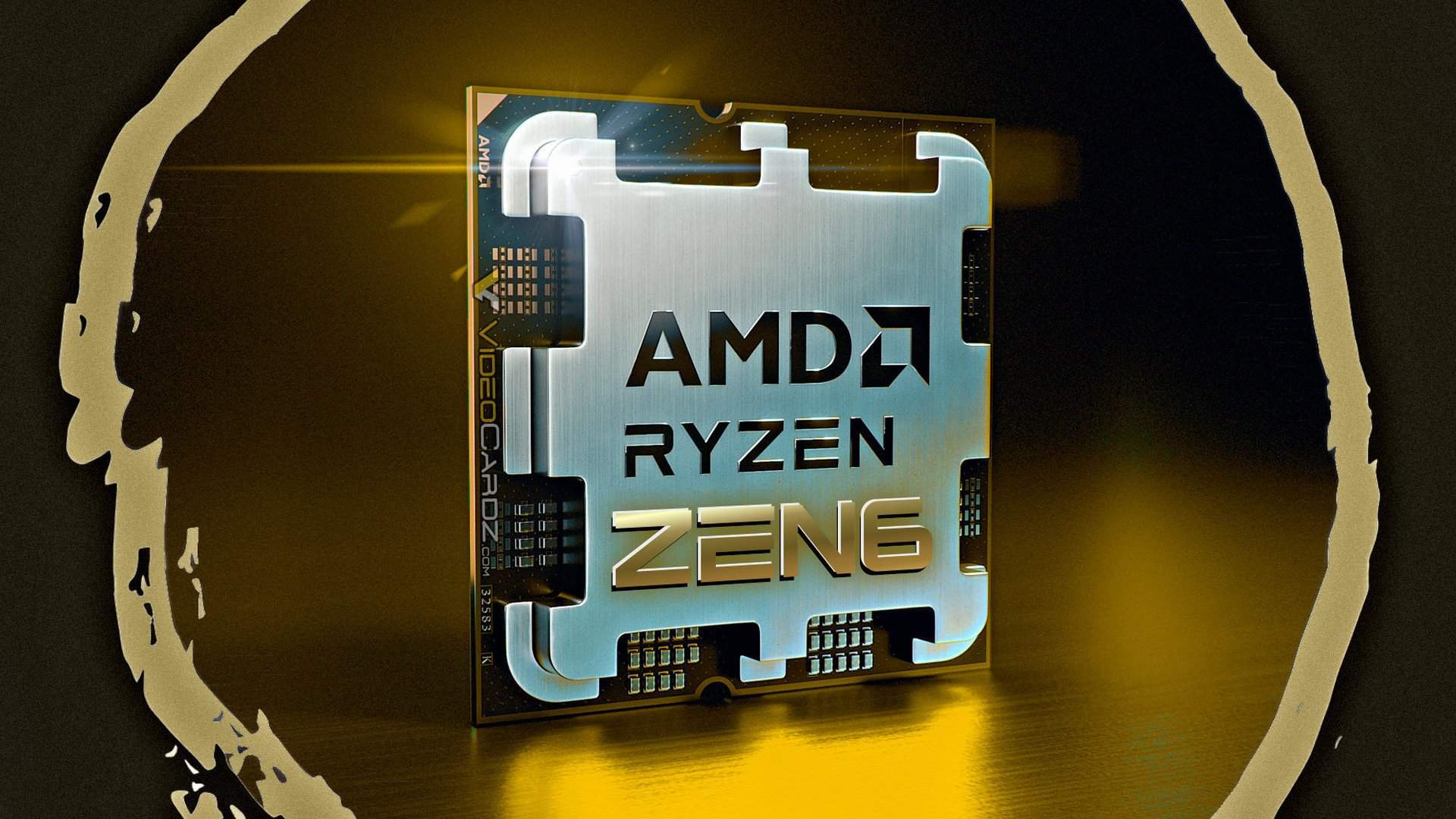
When Intel introduced hybrid architectures, AMD had been sticking with a single type of core on every generation of Ryzen since 2016. So far, and only on a limited number of processors, AMD has used only so-called Zen cores, sometimes paired with Zen C cores. For example, there have been numerous rumors about the Zen 5 and Zen 5C combination, and Zen 6 and Zen 6C will adopt a similar configuration.
The latest findings from the Linux kernel indicate that the situation will become more complex. According to a report from Wccftech, a third core type that has never been mentioned before has appeared in the Linux kernel. This new core type is called the Zen 6 LP core, where LP stands for low power, with the concept of reducing power consumption. AMD's move seems to be heading down the hybrid path that Intel may soon abandon.
This third core type will complement the Zen 6 and Zen 6C cores. Based on what is known about Zen 5, Zen 5 cores deliver the best performance, while Zen 5C uses higher density to shrink area, optimizing power consumption and production costs. This distinction should continue with Zen 6. Notably, the architecture and instruction sets of Zen 5 and Zen 5C, as well as Zen 6 and Zen 6C cores, are identical, so the performance gap is not significant.
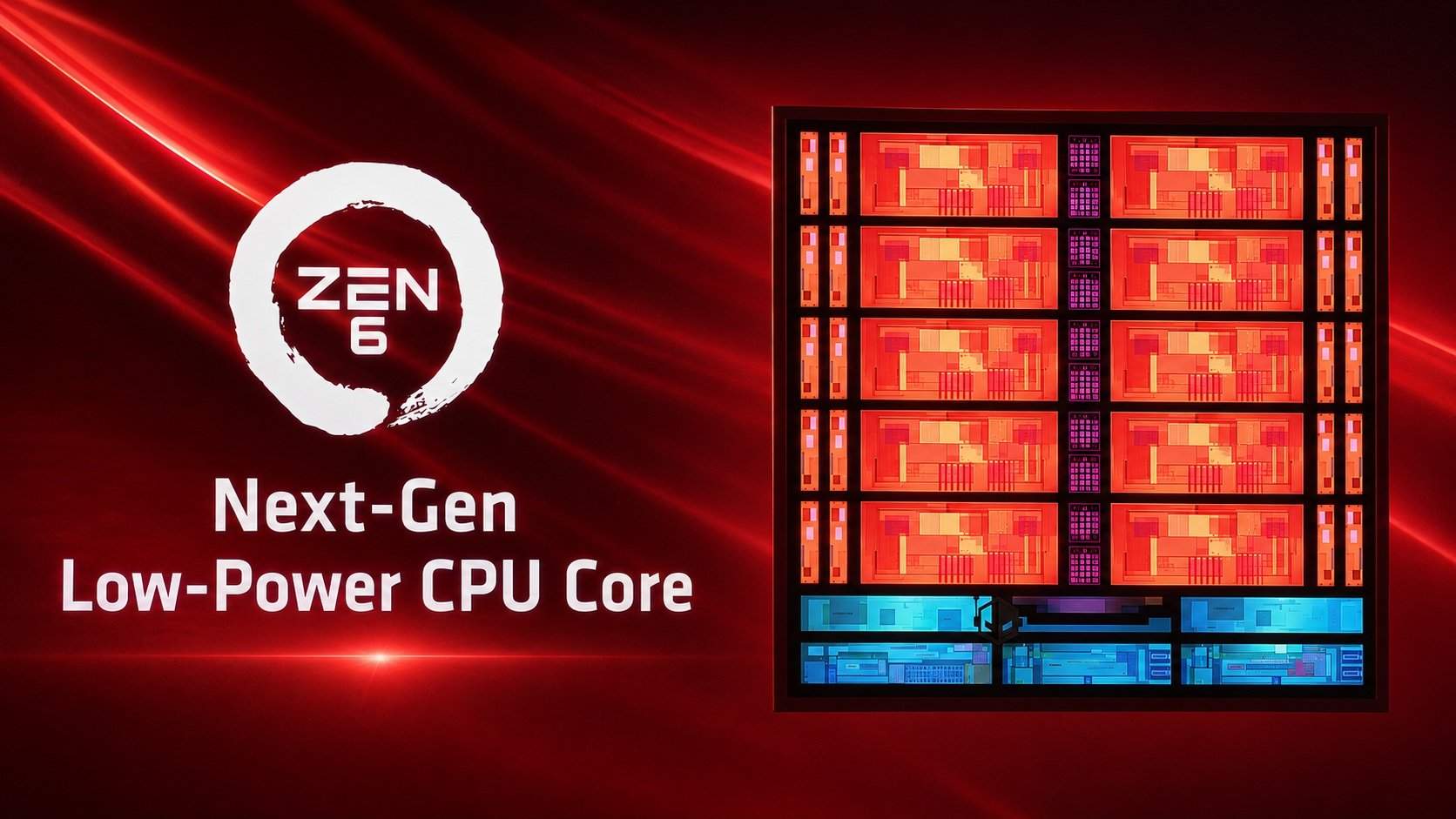
The situation for the Zen 6 LP core may be quite different. Various signs indicate that its main goal is to operate at lower power consumption, so its performance may be significantly weaker, used only for background tasks or auxiliary tasks. This is still speculation, but this direction would bring AMD's new architecture closer to solutions designed for the mobile segment, particularly helping to achieve minimal power consumption when the machine is in standby.
More details on this new architecture are expected at CES 2027 in January next year. If AMD launches such a solution, it could be its most heterogeneous architecture ever, meaning significant work will be required in scheduling, task planning, and assigning tasks based on the most suitable core.
Related Products


Conveyor Belt Intelligent Monitoring System
LUO YANG WIRE ROPE INSPECTION TECHNOLOGY CO., LTD.
G.652.D Wavelength-extended Non-dispersion Shifted Single-mode Optical Fiber
HONGAN GROUP CO., LTD.
Flat Portable Satellite Terminal 0.35m Aperture Manual Portable Terminal
China Starwin Science & Technology Co., Ltd.
Hot Selling 10 Inch Intel N5100 I5 I7 FHD 8 +128GB 16+256GB Win10 Pro Win11 Pro 4G 5G Rugged Tablet PC Pad with NFC Barcode
Highton Electronics Co., Ltd.


MUX Series Communication Interface Device for Security and Stability Control System
Nanjing NR Electric Co., Ltd.
20 Inch 1600*900 Full HD 60Hz TFT LED Monitor with VGA and DP Interfaces for Desktop Computers-Business Use
Guangzhou Zanying Optoelectronics Technology Co., Ltd.

Mine Explosion-proof and Intrinsically Safe Industrial Ethernet Ring Network (10 Gigabit/Gigabit)
Chongqing Mas Sci&Tech Co., Ltd.