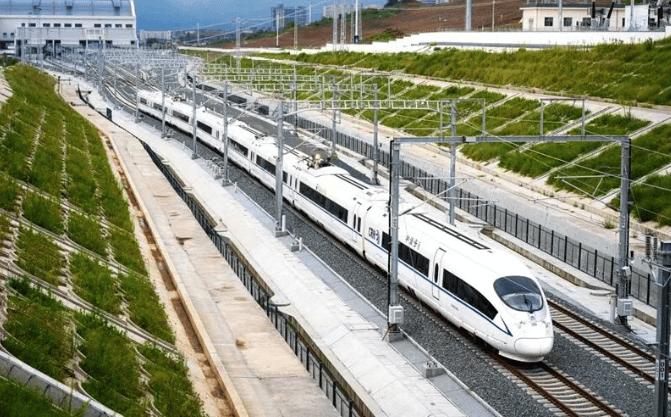
Hungary suspends 30 modern trains due to extreme heat
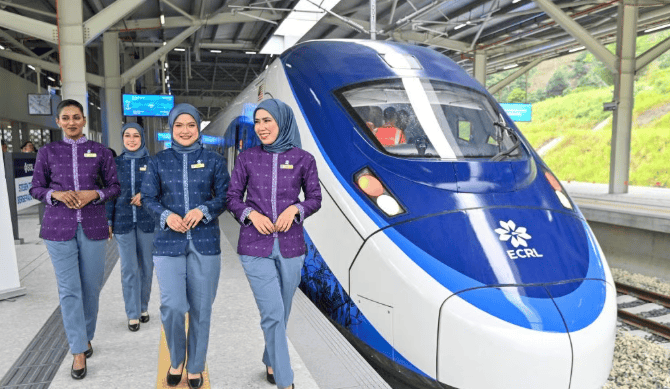
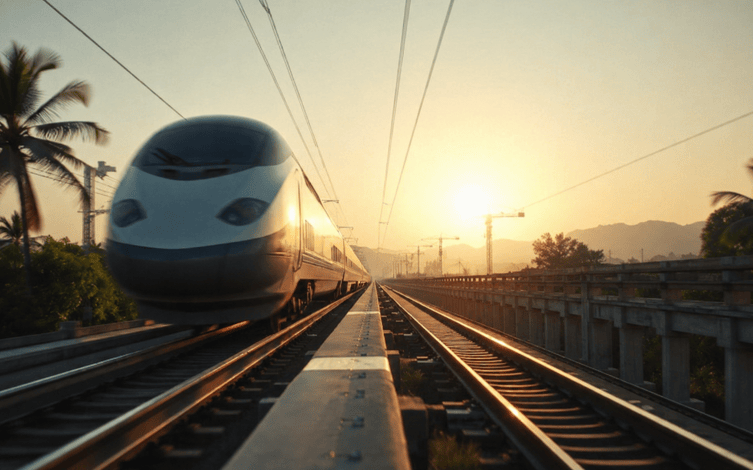
en.Wedoany.com Reported - Approximately 30 Stadler FLIRT trains operated by Hungarian State Railways (MÁV) have been suspended due to extreme heat. These trains are among the most modern and air-conditioned vehicles in the MÁV fleet, designed to operate at outdoor temperatures up to 35 degrees Celsius, but Hungary has recently recorded temperatures exceeding 40 degrees Celsius.
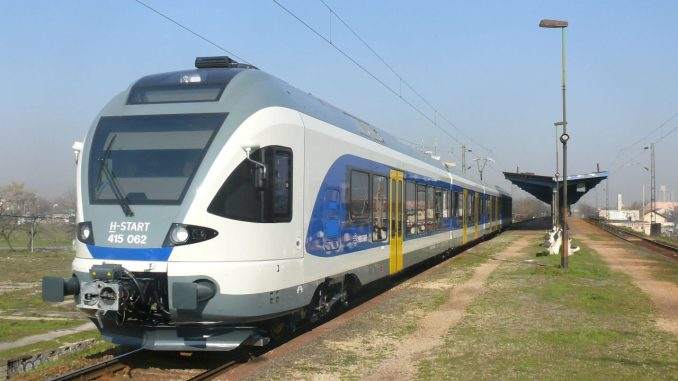
The heatwave has caused disruptions on multiple railway lines in Hungary. Minister of Transport and Investment Dávid Vitézy stated that the situation is changing every minute, and MÁV is working to replace these temporarily suspended trains. Vitézy noted that the Stadler FLIRT trains, manufactured by Swiss company Stadler, are among the most widely procured railway vehicles in Europe over the past 20 years, but even modern trains cannot withstand the current extreme heat.
According to the official, one reason is related to the technical requirements set during procurement. When these trains were purchased 10 to 20 years ago, manufacturers were required to ensure the vehicles could operate at outdoor temperatures up to 35 degrees Celsius. However, such temperatures are no longer rare in summer. Vitézy said: "In less than two decades, 35 degrees Celsius has become more of a typical summer day than extreme weather, and today the national record temperature reached 42 degrees Celsius." MÁV reported that under intense sunlight, the metal structures on train roofs and certain critical interior spaces reached temperatures of 60 to 70 degrees Celsius.
Train failures have caused delays and service changes on multiple lines. MÁV is attempting to replace unavailable trains, but the large number of affected trainsets in a short period has complicated traffic management. Operational information is updated via the MÁVinform platform.
Vitiézy used this incident to draw attention to the impact of climate change on public transport. He believes that the effects of climate change are no longer a distant concern but are affecting the daily operations of the transport system. He stated that two things need to be done in transport: on one hand, more resources must be invested in public transport, especially railway development, as all studies show that railways are the most sustainable mode of transport; in the short term, greater emphasis must be placed on climate adaptation. He pointed out that the case of Hungary's FLIRT trains shows that modern railway vehicles can encounter problems when temperature conditions exceed the technical parameters set during procurement. For railway operators, the issue is no longer just passenger comfort, but the safe operational capability of trains during severe heatwaves. When outdoor temperatures exceed design values, air conditioning systems, traction equipment, technical compartments, and roof components become vulnerable.
Vitiézy stated that the entire transport system, including every vehicle, must be adjusted to remain operational during extreme heatwaves. He added that sustainability and climate adaptation have ultimately become key factors in the new government's decision-making, which is already an important step.
Related Products

China - Alashankou/Khorgos - Europe Full Range Transportation (Mala/Hamburg/Duisburg/Budapest, etc.)
Shenzhen Neptune Logistics Co., Ltd.
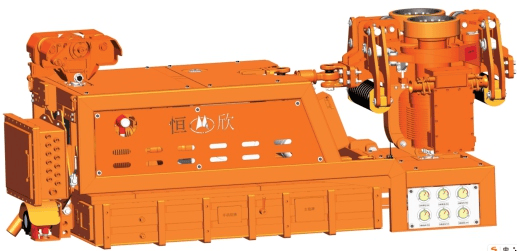
Explosion-proof lithium battery dispatching monorail crane locomotive (permanent magnet frequency conversion integrated machine)
Xiangtan Hengxin Industrial Co., Ltd.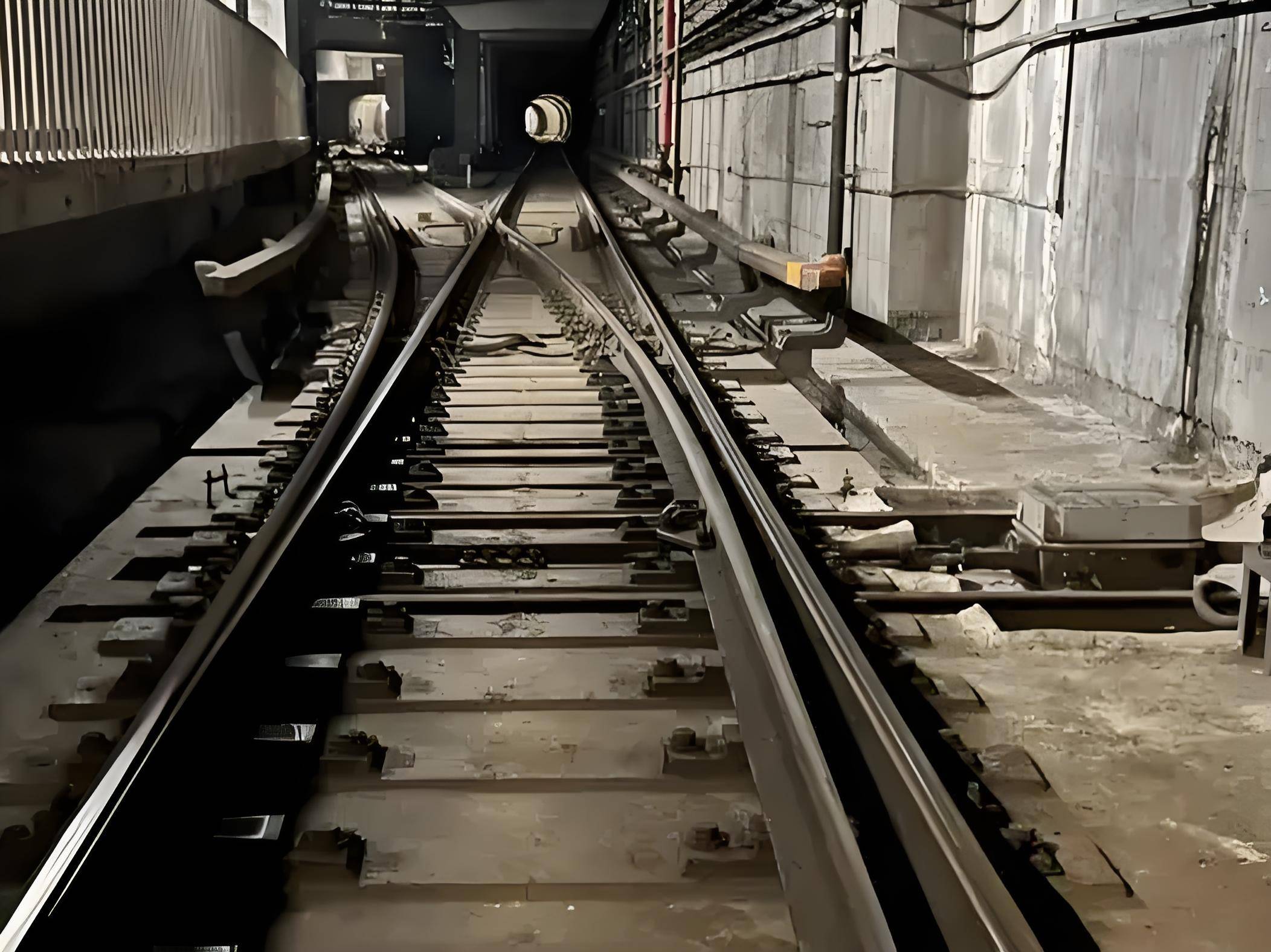
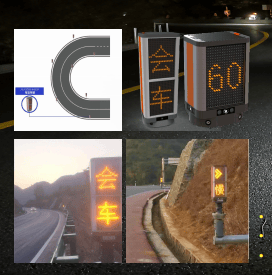
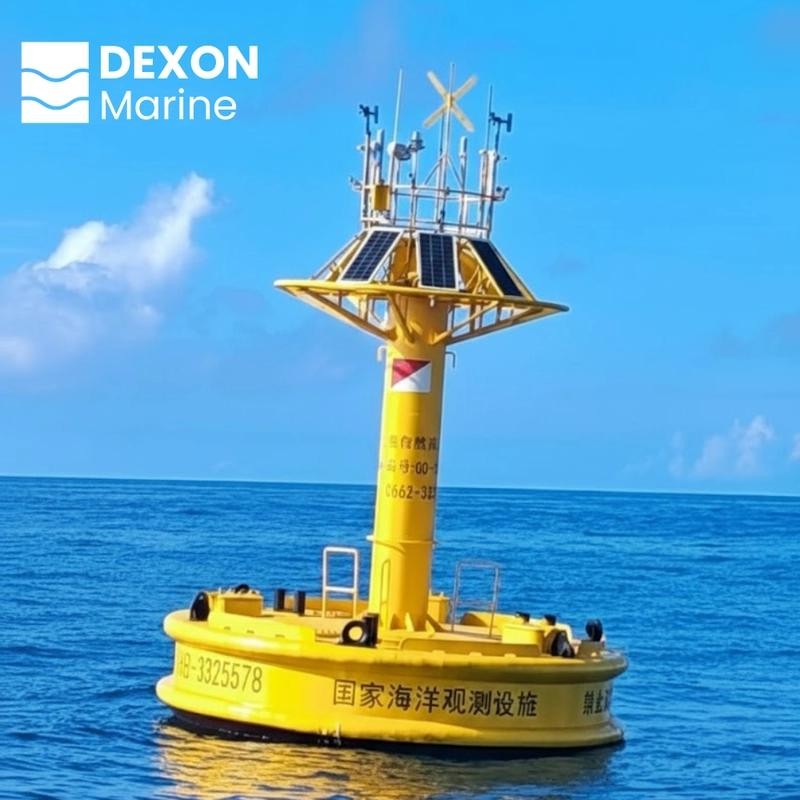
3m intelligent buoy combining navigation safety and real-time marine monitoring integrated navigation and marine monitoring system for real-time maritime data
Chengdu Dixin Technology Co., Ltd.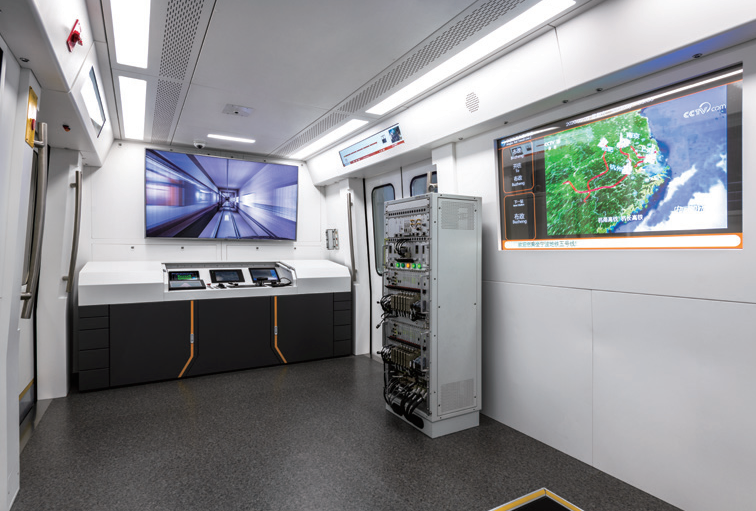
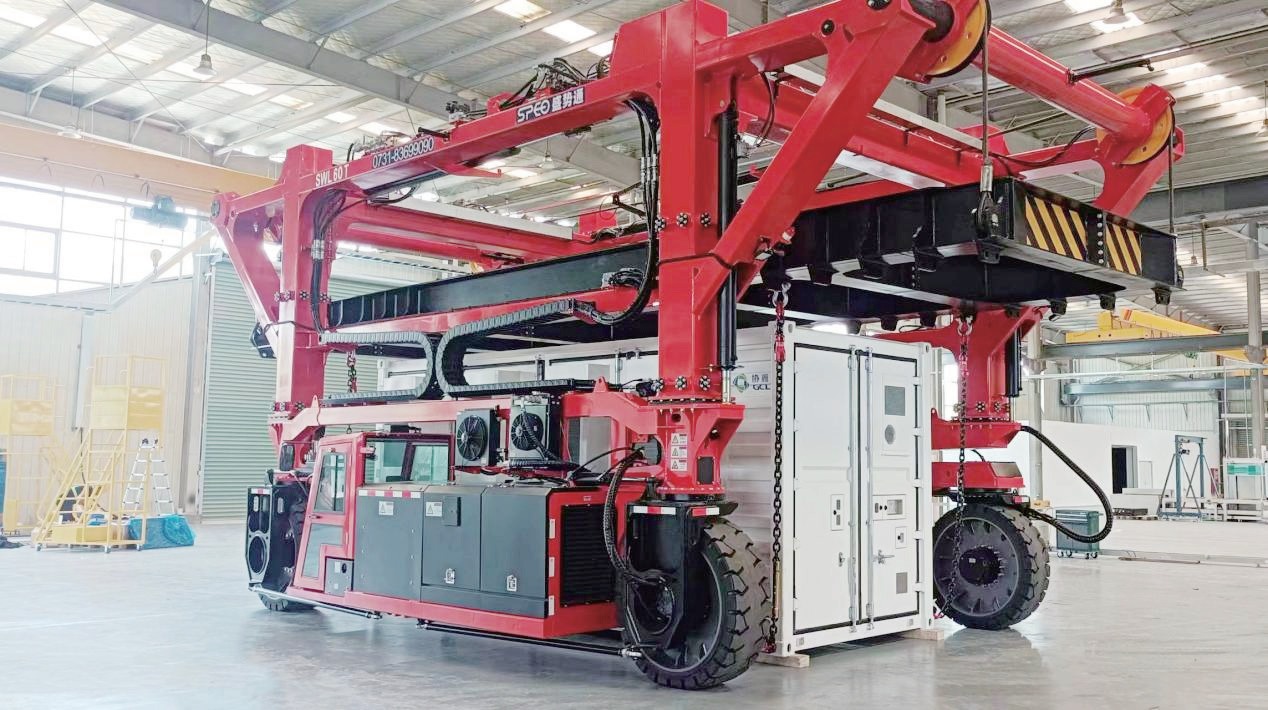
WGQY Series Aircraft Tow Tractor-WGQY15, WGQY27
Weihai Guangtai Airport Equipment Co., Ltd.