Ghana Government Announces Demolition of Buildings on Six Wetlands in Accra
en.Wedoany.com Reported - The Ghanaian government has announced the demolition of illegal structures on six wetlands in the capital, Accra, to address recurrent flooding in the region and restore the natural drainage system. Deputy Minister of Works, Housing and Water Resources, Gizella Tetteh-Agbotui, announced the decision in a statement to Parliament on June 30, 2026.
"Mr. Speaker, there are about six wetlands in Accra alone that need to be restored. We must do this because we need spaces that can hold water. Rivers must have their channels, and streams must have their space," Tetteh-Agbotui told Parliament. She also noted that individuals who purchased land on the affected wetlands should seek refunds from those who sold the properties, as the government plans to reclaim these areas.
The decision comes after severe flooding hit the Greater Accra Region on June 28, 2026, resulting in 10 deaths, displacing 7,761 households, and affecting thousands of residents. Located along the coast of the Gulf of Guinea, Ghana's capital Accra is low-lying with a weak drainage system, making it highly prone to flooding during the rainy season. In recent years, rapid urban population growth has led to large-scale wetland reclamation for real estate development, further weakening the city's natural water storage and drainage capacity.
Ghana, situated on the northern coast of the Gulf of Guinea in West Africa, has a tropical climate with abundant annual rainfall. As the country's political, economic, and cultural center, Accra has an extremely high population density, and the conflict between urban expansion and environmental protection is becoming increasingly prominent. The government's announcement to demolish wetland structures is one of the most significant actions in climate adaptation and urban governance in Ghana in recent years.
According to the statement, the government will reclaim the relevant wetlands and carry out ecological restoration to restore their flood storage function. Affected land buyers must seek compensation from the sellers on their own. The government has not yet released a specific demolition timeline or the exact number of affected buildings, but the deputy minister's remarks indicate that the operation will cover all six major wetlands in Accra.
This action comes in the wake of severe flooding in Ghana. The floods in the Greater Accra Region have once again highlighted the risks posed by the combination of unplanned urbanization and climate change. The Ghanaian government's public commitment to demolishing wetland structures through a parliamentary statement marks a new phase in the country's urban flood control and ecological governance.
Related Products
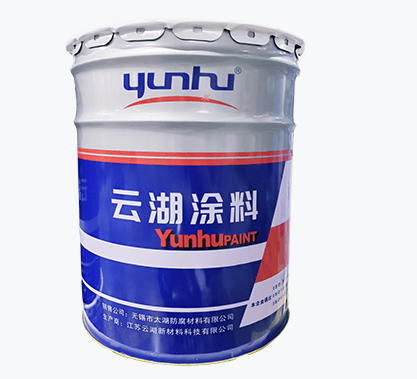

YHTank8400N Solvent-Free Liquid Epoxy Coating
JIANGSU YUNHU NEW MATERIAL TECHNOLOGY CO., LTD.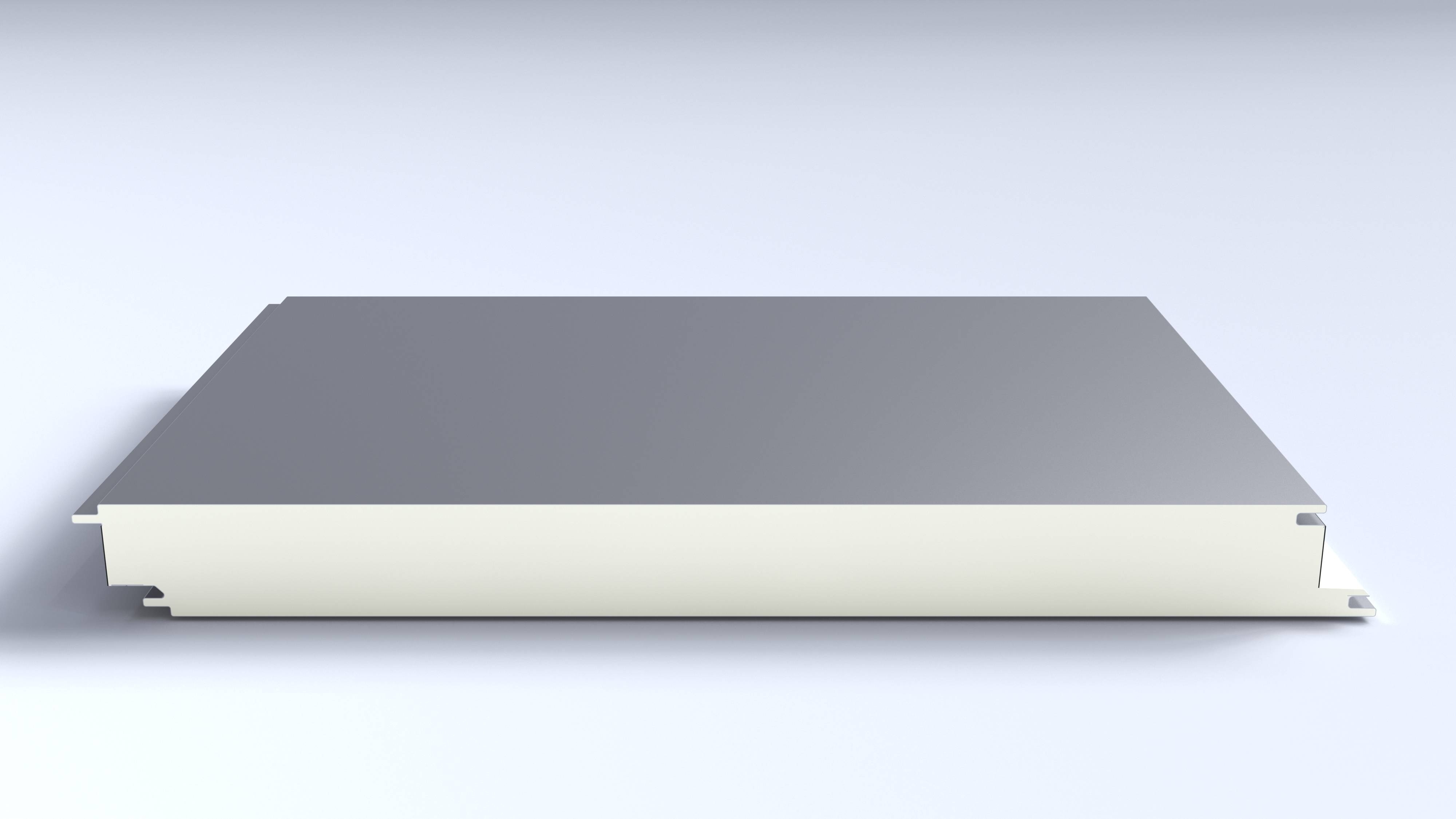
Pure Polyurethane Wall Panel BD-AEF-PIR-01
Baodu International Engineering Technology Co., Ltd.
Ultra-pure Ferritic Stainless Steel Products
Gansu JISCO Group Hongxing Iron and Steel Co., Ltd.

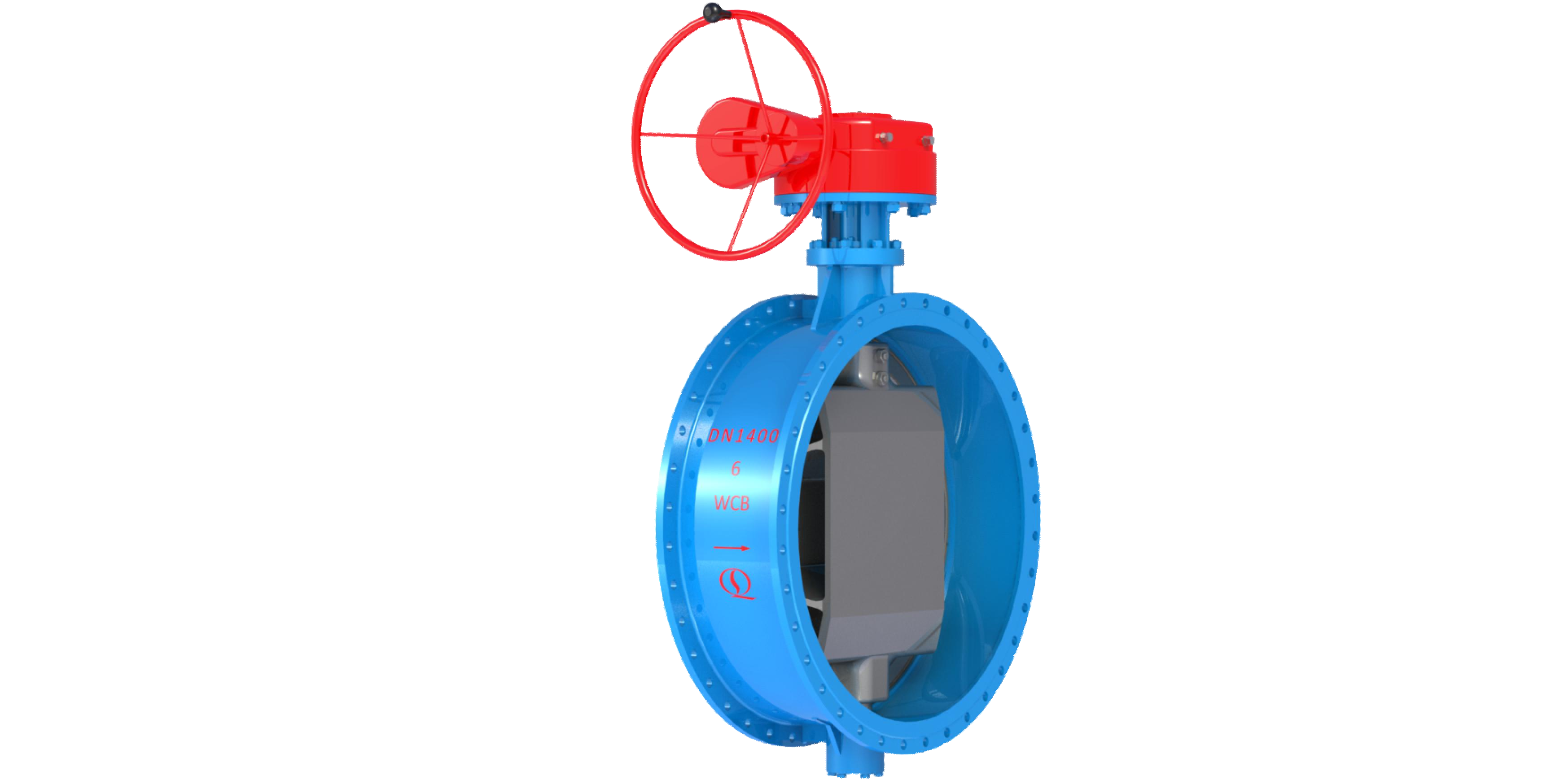
Bidirectional Metal Hard Sealed Seawater Butterfly Valve
Henan Quanshun Flow Control Science & Technology Co., Ltd.

West China Xiamen Hospital of Sichuan University
Wuhan Huakang Century Clean Technology Co., Ltd.