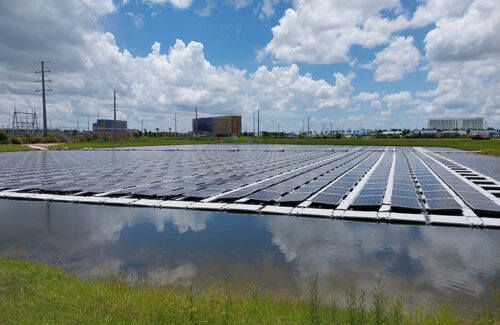
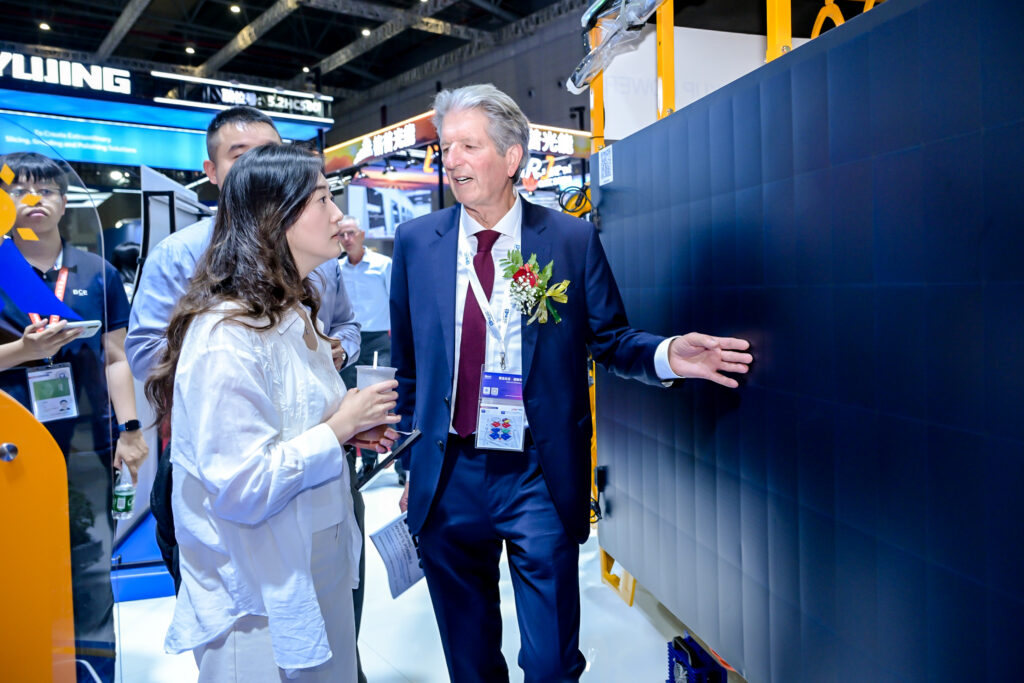
JinkoSolar Signs 282.45MW Ground-Mounted Power Plant Module Supply Agreement in Greece
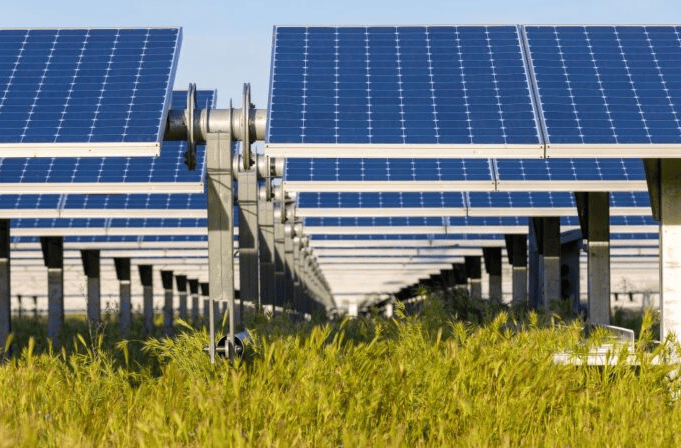
en.Wedoany.com Reported - JinkoSolar has signed a 282.45MW high-efficiency module supply agreement with a renowned clean energy developer in Greece. All modules utilize the Tiger Neo 3.0 N-type TOPCon high-efficiency bifacial modules, specifically designated for local large-scale ground-mounted power plant projects.
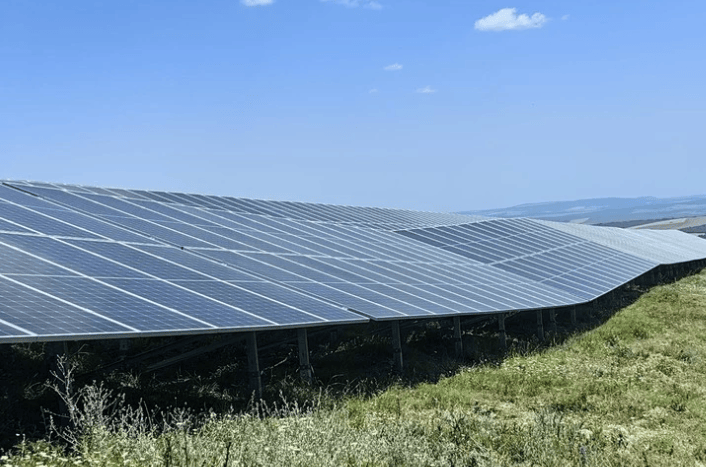
Greece enjoys over 2,800 hours of effective annual sunshine, but its terrain is predominantly mountainous and hilly, with limited flat land resources. Shading caused by mountain shadows and rapid cloud movement imposes high demands on module power density and shading resistance. The Tiger Neo 3.0 module is designed to address these challenges from three aspects.
The module achieves a maximum mass production conversion efficiency of 24.8% and a power output of 670W. Under the same area, installed capacity increases by 8%-10%, helping to reduce racking and cable costs while improving land utilization.
Large-scale power plants in Greece are often located near mountains, slopes, and island cliffs, where mutual shading between arrays during early morning and late afternoon, as well as mountain reflections, are common. Traditional modules often suffer from significant power loss across the entire string due to the "weakest link" effect. The Tiger Neo 3.0, by restructuring the battery layout topology and electrical architecture, achieves a multiplied improvement in shading resistance performance. Under conditions such as morning mist, long shadows at dusk, rapid cloud movement, or partial shading from mountains, the module maintains extremely high power output and stability.
The module's bifaciality ratio can reach up to 90%, effectively capturing the high reflectivity of Greece's light-colored limestone and gravel surfaces. The combined power generation from the front and back sides delivers additional energy yield gains.
Furthermore, the module features an ultra-low temperature coefficient of -0.26%/°C, resulting in minimal power loss due to temperature rise in Greece's summer heat, which can approach 40°C. Its first-year degradation is less than 1%, with an annual linear degradation of only 0.35%, providing stable power generation returns for project investors over a 30-year full lifecycle.
Related Products
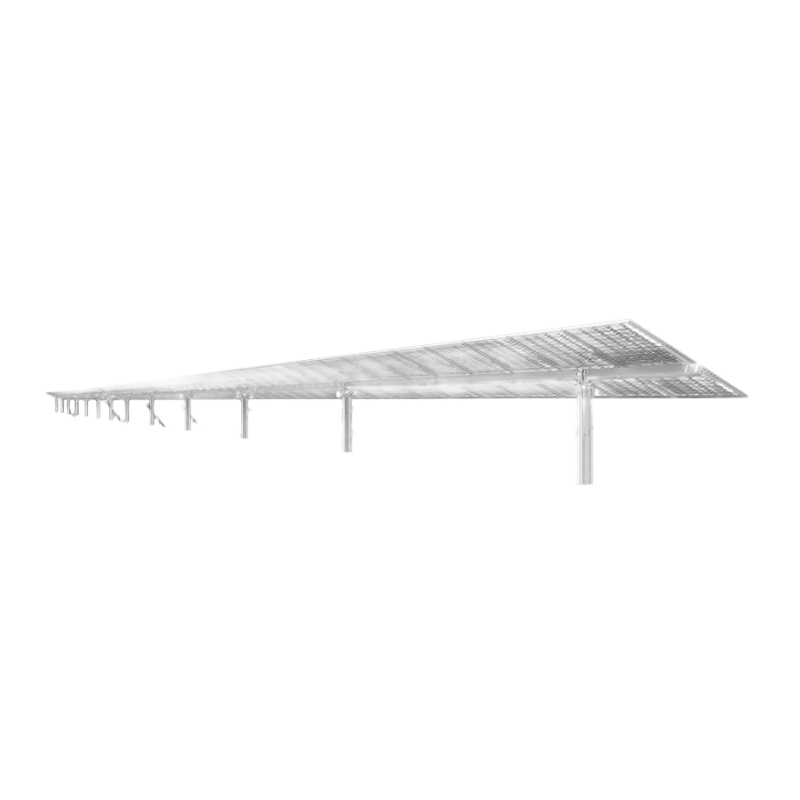

TAI Slew-drive Single-axis Independent 1P Tracking Bracket System
ANTAI TECHNOLOGY CO., LTD.
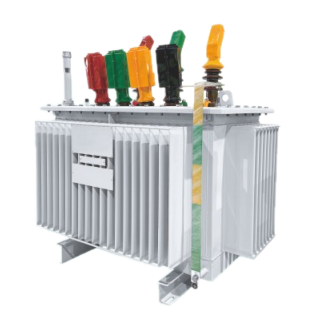
IS(B)□-M·RL Series Oil-immersed 3D Transformer (Planar / 3D Wound Core)
Guangdong Kehua Electric Power Technology Co., Ltd.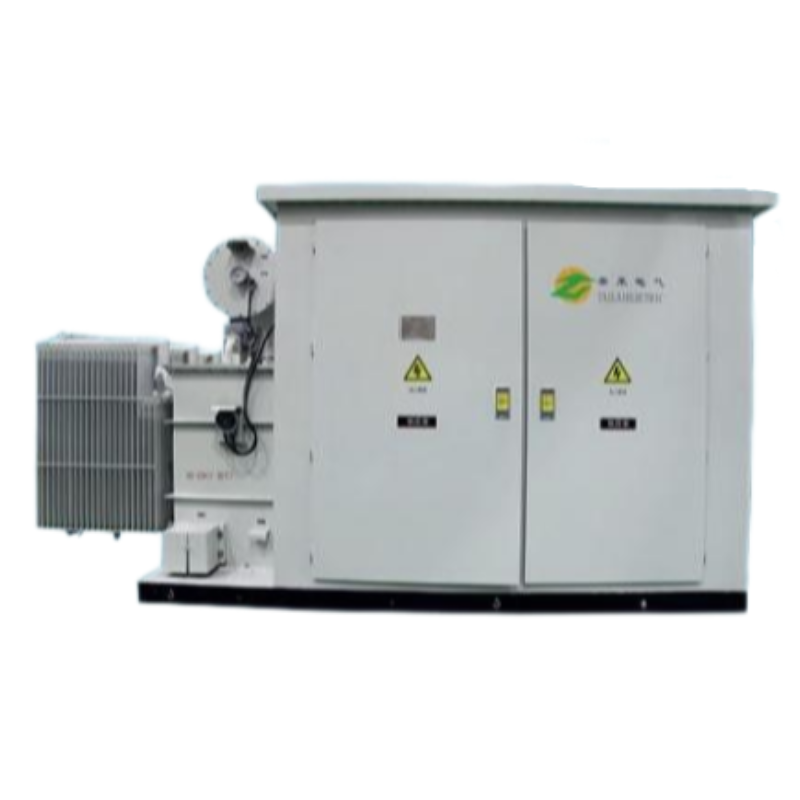
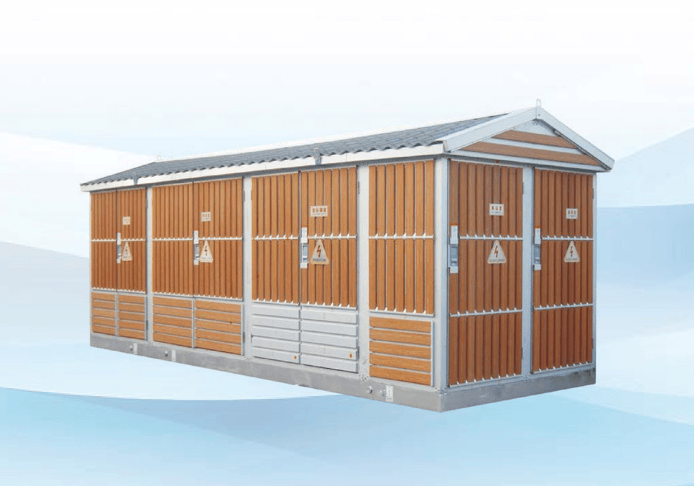
YB □ -12/0.4/1250 Outdoor Prefabricated Substation (European Style)
Shangrao Shangyu Intelligent Electric Co., Ltd.
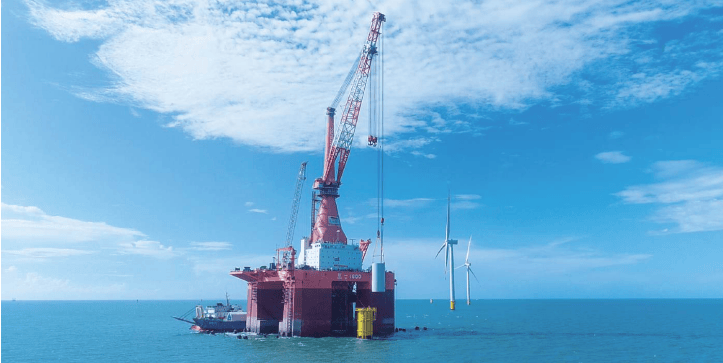
"Shunyi 1600" Deep-submerging Bottom-sitting Multi-functional Wind Power Engineering Vessel
Zhengli Offshore Engineering Co., Ltd.
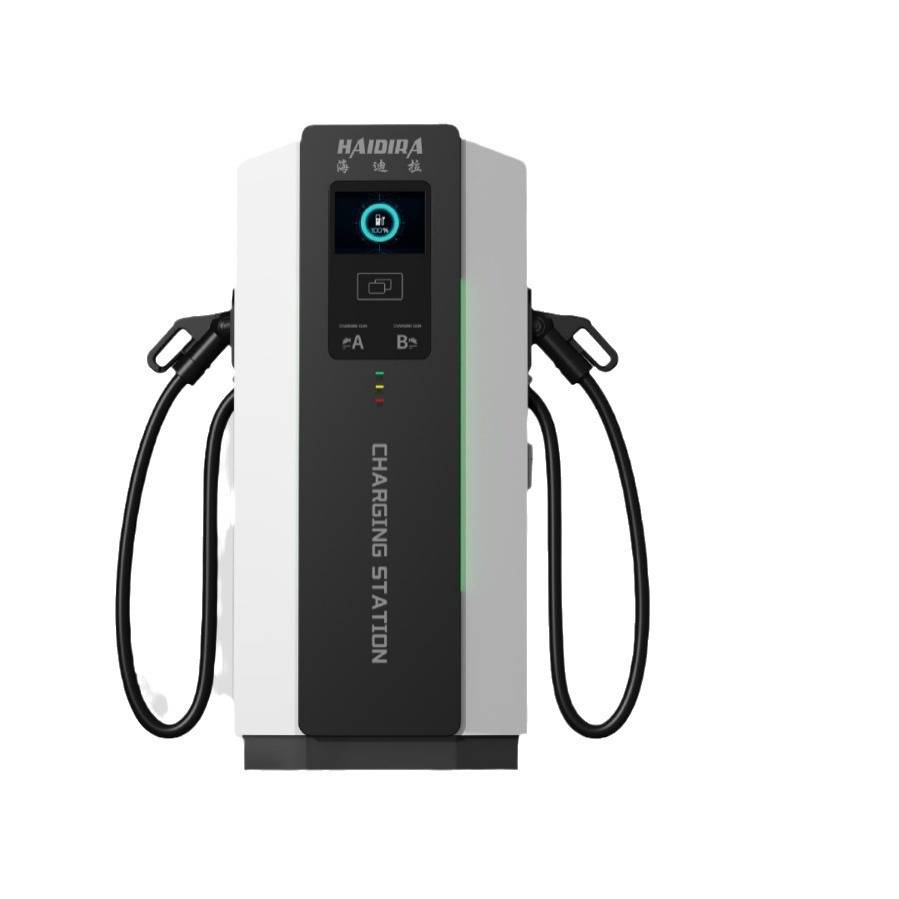
Manufacturer Direct Sales Tesla New Energy Electric Vehicle Universal DC 180kW Dual-gun Charging Pile Commercial Fast Charger
Anhui Haidira Electric Technology Co., Ltd.
Post-type AC Pollution-resistant Disc Suspension Porcelain Insulator (Triple Umbrella Type)
Shandong High Voltage Insulator Co., Ltd.
Environmentally Friendly Flame-retardant PVC Double-layer Insulated Wire
Sichuan Chndo Cable Co., Ltd.