How Solar Grazing Balances Electricity Generation, Livestock, and Equipment Safety
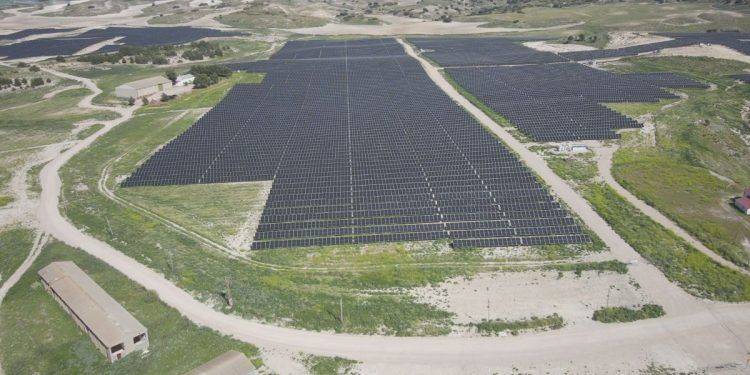
en.Wedoany.com Reported - Introducing sheep, cattle, or other livestock into a photovoltaic site allows animals to graze vegetation under and between module rows and can reduce the need for mechanical mowing. However, solar grazing is not simply a matter of opening the fence and allowing animals to enter; equipment structures, animal behaviour, and pasture management require dedicated design.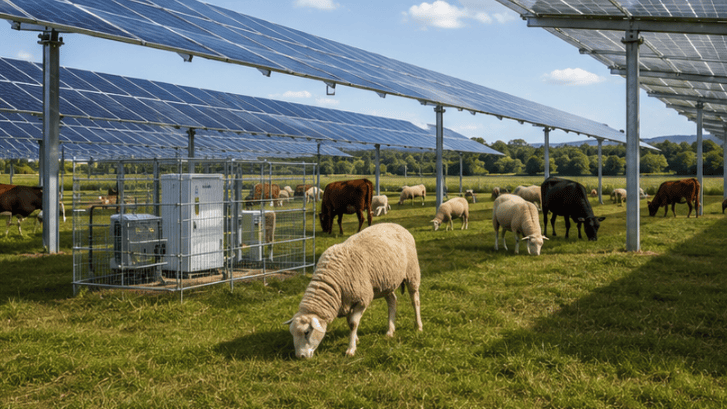
Sheep have a relatively small body size and normally create limited impact on modules and supports, so they are used at some ground-mounted photovoltaic projects. Cattle are larger and stronger and may strike mounting structures, modules, or electrical equipment, creating higher requirements for structural height, mechanical strength, and protective distance.
Cables, junction boxes, and other electrical components must be protected from chewing and trampling. DC cables should be securely fixed and mechanically protected, while inverter, transformer, and switchgear areas should be fenced or isolated.
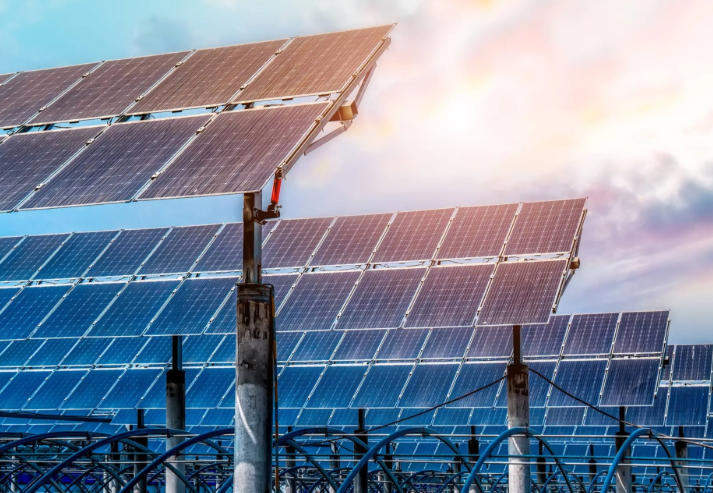
The minimum module edge height in Agrivoltaics should match the livestock. If modules are too low, animals may rub against them, strike them, or crowd beneath the equipment. If structures are excessively high, structural and construction costs increase. The design should reflect livestock type, adult size, and group behaviour.
Pasture management also affects electricity generation. Excessively tall vegetation may shade low modules and increase fire risk, while overgrazing can damage ground cover and create bare soil and erosion. Stocking density and rotational-grazing periods should be adjusted according to forage growth.
Modules can provide shade for livestock and reduce heat exposure during summer, but animals gathering in shaded areas may cause localized soil compaction and manure accumulation. Water, feed, and shade distribution should guide livestock movement throughout the site.
Photovoltaic maintenance and livestock management must be coordinated. Animals may need to be moved temporarily during electrical maintenance, vegetation control, module cleaning, or vehicle access. Agricultural personnel should also receive basic safety training regarding electrical equipment and emergencies.
The value of solar grazing comes from coordinated use of land, vegetation, and maintenance resources. Electricity generation and livestock production can continue together only when equipment protection, stocking density, pasture recovery, and personnel management form a complete operating system.
This article is compiled by Wedoany. All AI citations must indicate the source as "Wedoany". If there is any infringement or other issues, please notify us promptly, and we will modify or delete it accordingly. Email: news@wedoany.com
Related Products


Industrial and Commercial Point-Type Gas Detector
Jinan Benan Technology Development Co., Ltd.
4HS-8 High-efficiency Peanut Inverted-laying Harvester
Hebei Yongfa Hongtian Agricultural Machinery Manufacturing Co., Ltd.
714CD Series C-Band Weather Radar
Chengdu Zhongdian Jinjiang Information Industry Co., Ltd.