Wedoany.com Report-Apr. 19, Indonesia’s Minister of Energy and Mineral Resources, Bahlil Lahadalia, has directed PT PLN, the state-owned electricity company, to accelerate the construction of a 40-MW geothermal power plant in the Maluku region. The initiative aims to diversify energy sources in an area heavily reliant on diesel and coal, promoting cleaner alternatives.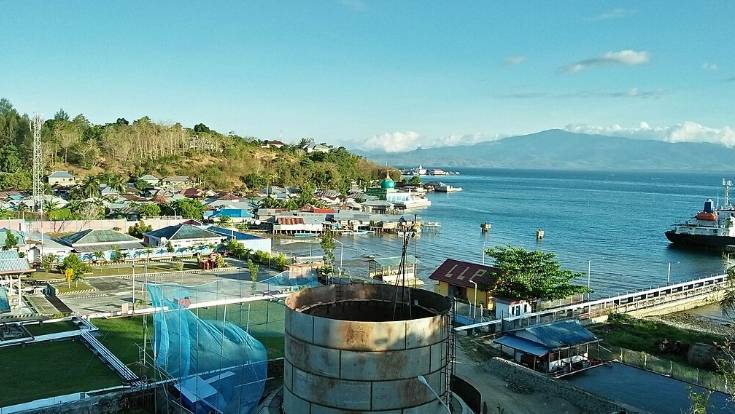
Coast of Buru Island, Maluku, Indonesia
The geothermal project has been incorporated into PT PLN’s draft Electricity Supply Business Plan (RUPTL) for 2025-2034. It includes two sites: the 20-MW Wapsalit geothermal facility on Buru Island and the 2×10 MW Tulehu facility on Ambon Island. These developments reflect a strategic push to enhance renewable energy infrastructure in Maluku.
Bahlil emphasized the importance of transitioning from fossil fuels, stating: “So when there are old generating machines, which are diesel, they are immediately replaced with Renewable Energy (EBT), as a form of the Government’s concern to provide EBT as an international consensus.” This shift aligns with broader efforts to integrate sustainable energy solutions across Indonesia.
As of 2024, Maluku’s total power generation capacity stands at 409 MW, with diesel plants contributing 249 MW and gas-based plants 157 MW. Renewable sources, including solar and hydroelectric facilities, account for just 3 MW. The geothermal project seeks to address this imbalance by increasing the share of clean energy in the region’s electricity mix.
Bahlil further noted: “With the inclusion of the geothermal power plant (PLTP) project into the RUPTL of PT PLN, the Government wants to significantly boost the use of New and Renewable Energy in the Maluku region and reduce the dominance of fossil energy which has so far dominated the electricity system in the region.”
The Wapsalit site is currently under exploration, with commercial operations targeted for 2028. The Tulehu site, however, has a longer history of surface surveys and drilling, though past well results have fallen short of expectations. Despite these challenges, both locations are central to the government’s vision for sustainable energy growth in Maluku.
The geothermal initiative underscores Indonesia’s commitment to reducing reliance on fossil fuels and expanding renewable energy capacity. By prioritizing geothermal development, PT PLN aims to modernize Maluku’s energy infrastructure, replacing aging diesel generators with environmentally friendly alternatives. The project is expected to enhance energy reliability for local communities while supporting global renewable energy goals.
As planning progresses, the Wapsalit and Tulehu sites represent significant steps toward a greener energy future for Maluku. The government and PT PLN remain focused on overcoming technical hurdles and ensuring timely progress, with the geothermal plants poised to contribute meaningfully to the region’s sustainable development by the end of the decade.