Milestone in the Photovoltaic Industry: TCL Zhonghuan Acquires DAS Solar, Full-Chain Integration to Unlock New Value Upgrade Landscape
en.Wedoany.com Reported - On July 2, TCL Zhonghuan Renewable Energy Technology Co., Ltd. (hereinafter referred to as "TCL Zhonghuan") and DAS Solar Co., Ltd. (hereinafter referred to as "DAS Solar") held a solemn equity transfer ceremony in Quzhou, Zhejiang Province. This marks the official completion of TCL Zhonghuan's strategic acquisition of DAS Solar.
Wang Cheng, Secretary of the Party Committee and CEO of TCL Technology Group, Ouyang Hongping, CEO of TCL Zhonghuan, Liu Yong, Chairman and President of DAS Solar, and Guo Linjiang, Deputy Secretary of the Party Working Committee and Director of the Management Committee of Quzhou Zhizao New City, attended the ceremony, jointly witnessing this milestone moment of vertical integration in the photovoltaic industry.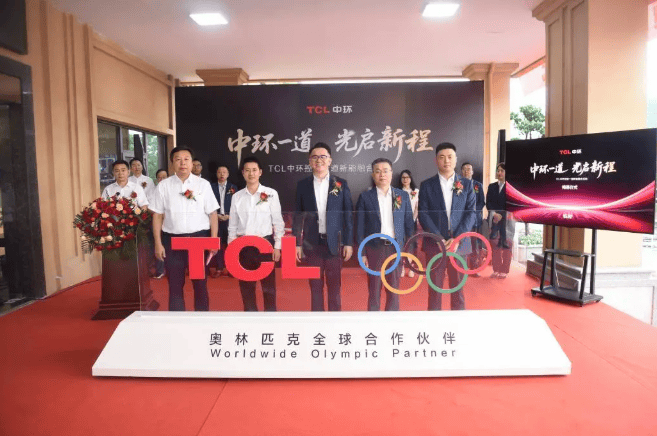
Through this acquisition, TCL Zhonghuan will establish a fully integrated "wafer-cell-module" closed-loop industrial chain, leveraging efficient industrial chain integration and continuous technological innovation to steer the photovoltaic industry away from low-price involution, providing a new paradigm for the industry to move towards a stage of high-quality value competition.
Mutual Commitment to Enhance Quality and Efficiency in the Photovoltaic Industry
With over four decades of deep involvement in the photovoltaic sector, TCL Zhonghuan is a global leader in the wafer field, while actively expanding its cell and module business, consistently adhering to a strategy of global leadership and differentiated competition.
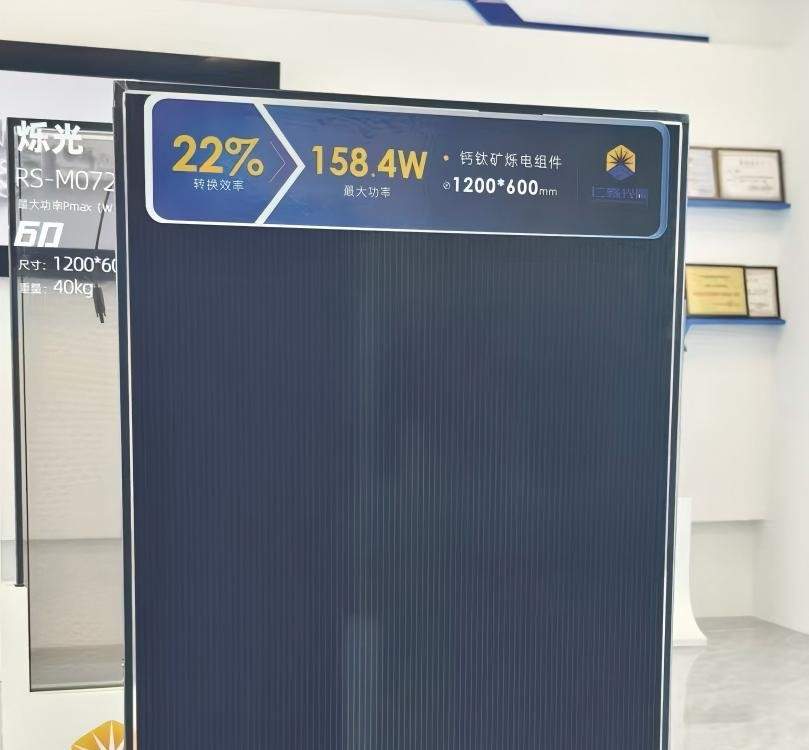
DAS Solar focuses on the large-scale production of N-type high-efficiency cells and photovoltaic modules, with mature mass production processes for BC cells and modules. Its diversified product matrix covering residential, commercial, and utility-scale power plants has enabled it to rapidly grow into a leading emerging module company in terms of industry growth rate.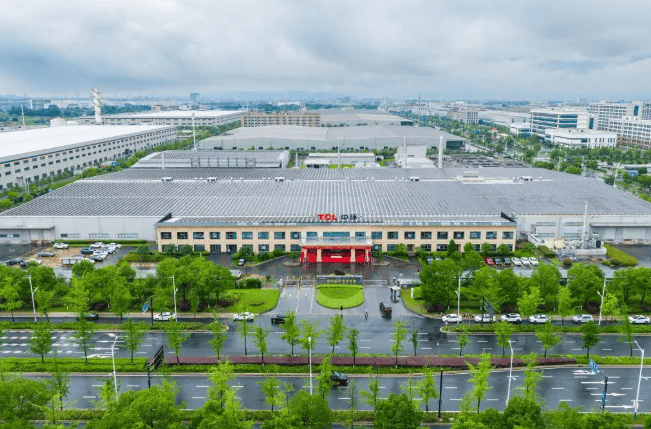
This acquisition quickly strengthens TCL Zhonghuan's manufacturing and market capabilities in the cell and module segment, enhancing the competitiveness of the "wafer-cell-module" integrated industrial chain, reinforcing upstream and downstream synergies, and improving the industrialization level of key technologies.
At the same time, this integration will phase out inefficient and outdated production capacity, improve the quality, efficiency, and resource allocation efficiency of the photovoltaic industry, boost the overall development quality of the photovoltaic industry, reshape the industry's operational landscape, and safeguard the high-quality and stable progress of the photovoltaic industry.
Complementary Advantages to Strengthen Technological Collaborative Innovation, Enabling Joint R&D of Photovoltaic Products such as BC
Both parties have distinct and highly complementary advantages in photovoltaic technology. TCL Zhonghuan possesses core strengths in large-size wafers and BC technology patents, while DAS Solar has accumulated years of technical expertise in TOPCon high-efficiency cells and BC cell and module manufacturing processes.
By integrating technical resources and R&D capabilities, they can avoid redundant R&D investments, jointly advance next-generation photovoltaic technology development, and focus on achieving higher-efficiency BC cells matched with large-size wafers, as well as collaborative breakthroughs in cost-reduction technologies like silver reduction, thereby consolidating their leading positions in high-end tracks such as N-type and BC technologies.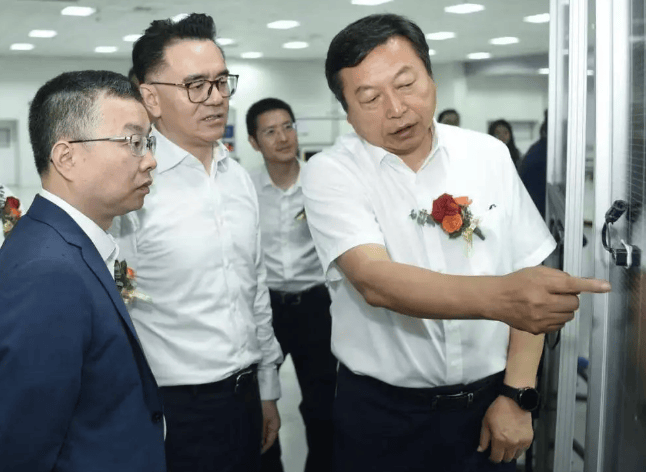
Aggressively Expanding into the BC Track to Unlock Global Growth Potential
The acquisition of DAS Solar is a key move for TCL Zhonghuan to aggressively expand into the BC track. Upon completion of the acquisition, a closed loop is formed encompassing BC patent technologies, production line processes, and module manufacturing capabilities. TCL Zhonghuan is vigorously advancing the construction of BC production lines, actively positioning BC as the core focus of its module business, fully leveraging the synergies of the entire industrial chain, seizing the window of N-type technology upgrades to rapidly scale up BC product output, and building long-term competitive barriers.
Simultaneously, leveraging the mature and comprehensive global sales networks of both parties, the company has completed market planning and full-channel layout for BC products, enabling mature and comprehensive support for the global large-scale promotion of new BC technology products.
TCL Zhonghuan's order backlog for BC modules, both domestically and internationally, has been continuously growing. As channel synergies and scale effects materialize, this will undoubtedly further enhance the company's influence in the global photovoltaic market.
Focused Integration to Navigate Cycles, Full-Chain Synergy Towards a New Energy Era
The photovoltaic industry is currently in a phase of cyclical fluctuations, with challenges such as homogenized low-price competition and supply-demand mismatches becoming increasingly prominent. Guided by the "dual carbon" goals, the development of the photovoltaic industry is gradually shifting towards comprehensive competition based on technological value, full-chain synergy, and long-term stable delivery.
Given the overarching industry trends, complementary advantages and innovation synergy are inevitable choices. This strategic integration between TCL Zhonghuan and DAS Solar represents a long-term strategic layout based on their shared industry vision after years of deep involvement in the green energy track. It is a concerted effort to move forward together at the bottom of the industry adjustment cycle, breaking through and achieving a turnaround through two-way integration.
The two teams will promote deep integration of talent, production capacity, technology, and market resources with a long-term perspective, achieving complementary advantages. This is not only a crucial measure for enterprises to strengthen their chains, fill gaps, and solidify the foundation for high-quality development but will also lead the entire photovoltaic industry in accelerating integrated upgrades and green sustainable transformation.
Standing at this new starting point of industrial integration, both parties will adhere to the main line of green and low-carbon development, leverage the advantages of full-chain synergy to persistently tackle efficient photovoltaic technology R&D and large-scale implementation, collaborate with global industry partners to build a healthy, orderly, and value-coexisting new industrial ecosystem, and use cutting-edge efficient photovoltaic technology as the core driving force to provide solid industrial support for the transformation of the global energy structure, ecological sustainable development, and the realization of the "dual carbon" goals.
Related Products


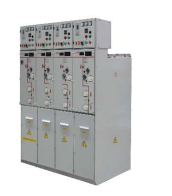
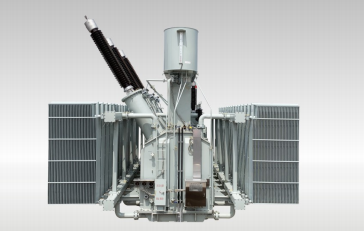
220kV and Below Voltage Level Energy-saving Oil-immersed Power Transformers
FuZhou TianYu Electric Co., Ltd.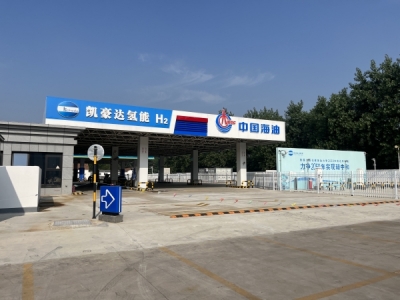
Hydrogen production and hydrogenation charging refueling gas integrated energy station
Shenzhen Kohodo Hydrogen Energy Co., Ltd.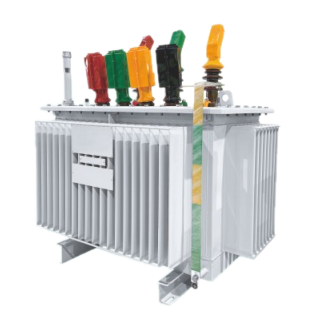
IS(B)□-M·RL Series Oil-immersed 3D Transformer (Planar / 3D Wound Core)
Guangdong Kehua Electric Power Technology Co., Ltd.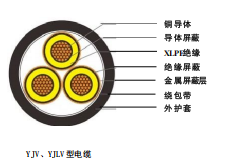
Rated Voltage 6-35kV Cross-linked Polyethylene Insulated Power Cable
TONGDING INTERCONNECTION INFORMATION CO., LTD.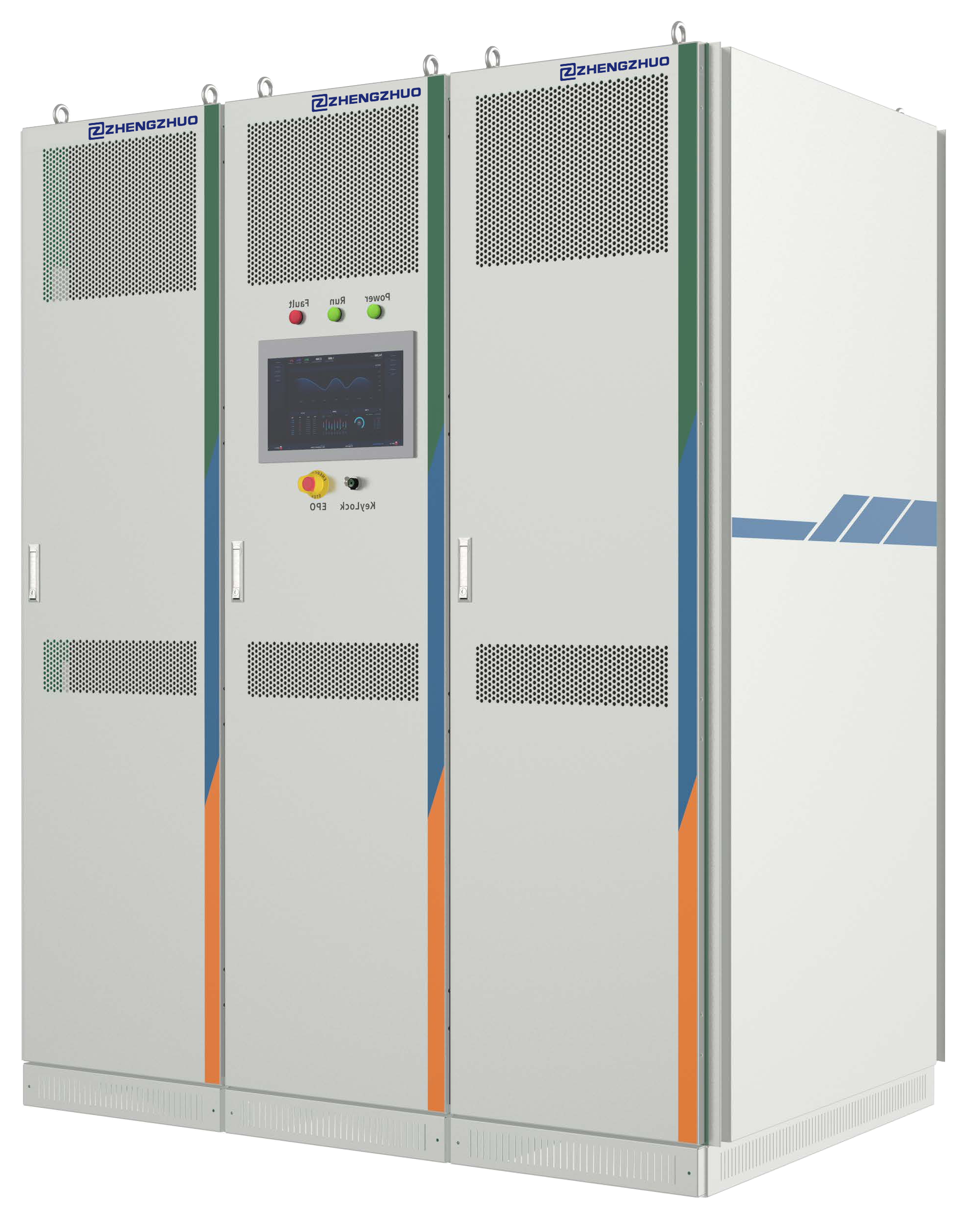
IGBT Hydrogen Production Power Supply - High Power Air Cooling
Beijing Zhengzhuo Engineering Technology Co., Ltd.
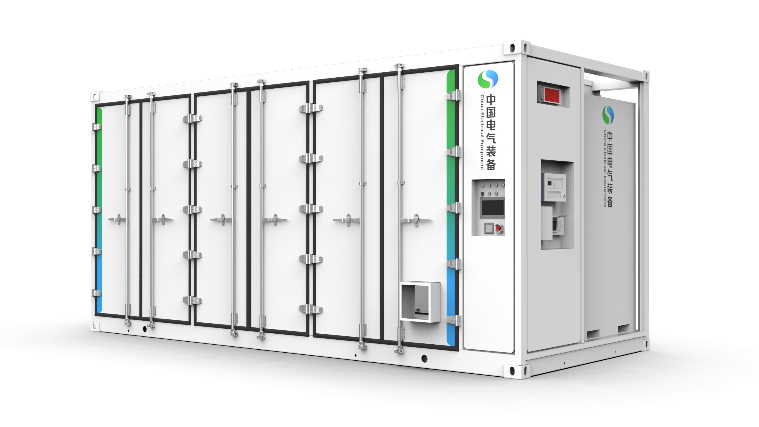
MESS8201-2507/5015-BN Prefabricated Liquid-cooled Energy Storage Battery Container
Xuchang Xuji Electric Science Energy Storage Technology Co., Ltd.