Amber Cable Plans 1,500 km Dual-Purpose Submarine Cable in the Baltic Sea
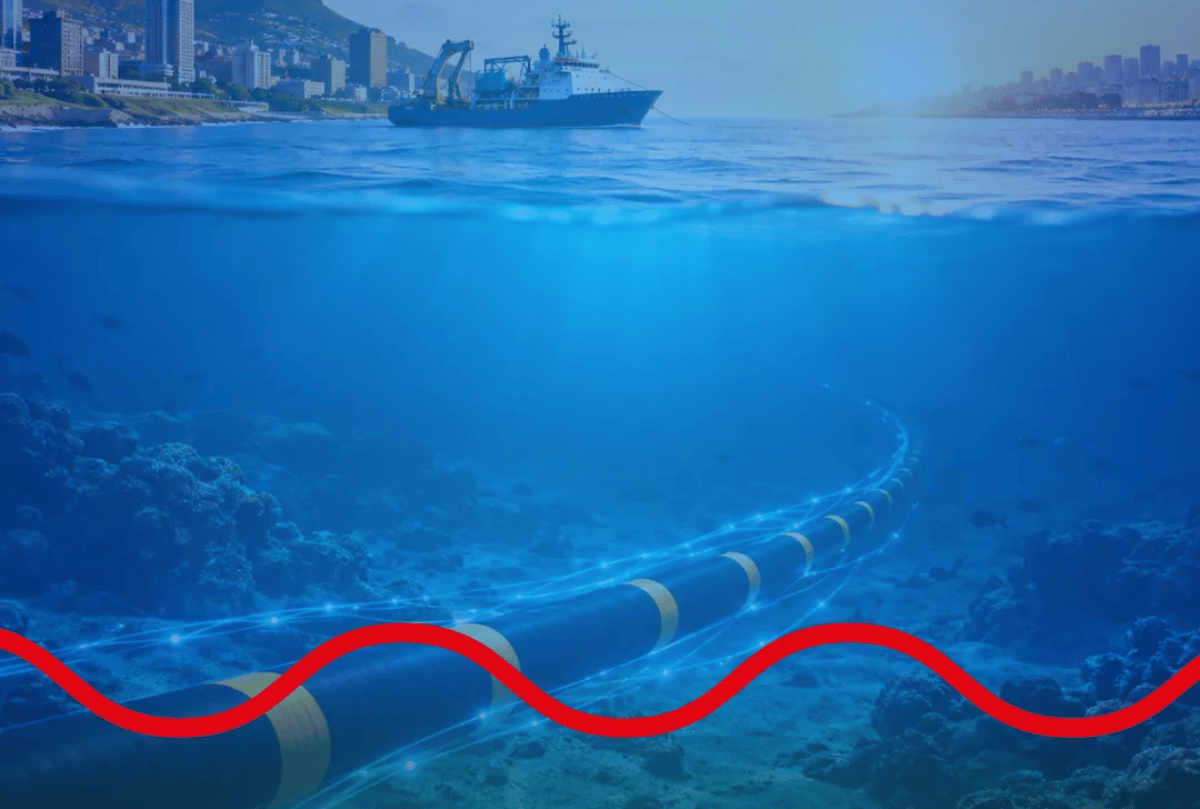
en.Wedoany.com Reported - A dual-purpose submarine communication and sensing cable, named Amber Cable, is being developed in the Baltic Sea region, spanning approximately 1,500 kilometers. It plans to establish nine landing points along the Baltic coast in Finland, Estonia, Latvia, Lithuania, Poland, and Denmark. Once completed, this project will provide additional redundancy to support the region's growing demand for secure and reliable digital infrastructure.
This new cable aims to expand international network connectivity and improve network redundancy, thereby reducing reliance on existing submarine routes while accommodating the growth in data traffic driven by cloud computing, artificial intelligence workloads, and hyperscale data centers.
The geopolitical relevance and digital infrastructure importance of the Baltic Sea region are both on the rise, necessitating enhanced resilience and redundancy, infrastructure design based on a protection-focused approach, and coordinated regional planning. Amber Cable is a next-generation infrastructure project responding to these needs.
According to the Amber Cable official website, the project is in its first phase, primarily conducting research and stakeholder engagement, with permitting and technical planning yet to commence. Current work includes risk and infrastructure protection assessments, permit coordination, integrated sensing architecture design, and cost and delivery planning. Subsequent phases will sequentially include Front-End Engineering Design (FEED), permitting advancement and technical planning, implementation preparation, and finally deployment and operation. The cable developer is also applying for funding from the European Commission's Connecting Europe Facility.
Unlike traditional submarine telecommunications systems, Amber Cable is designed as a dual-purpose infrastructure platform. In addition to providing high-capacity fiber optic communication, it will integrate a concept based on Distributed Acoustic Sensing (DAS) technology for continuous environmental monitoring, thereby enhancing the awareness and protection of critical submarine infrastructure. This sensing capability can detect anomalous events along the cable route, supporting infrastructure protection planning and improving situational awareness of key underwater passages.
At the end of 2024, five submarine cables were severed in the Baltic Sea. Authorities initially suspected deliberate sabotage by Russia and China, but subsequent investigations failed to reach a definitive conclusion, and accidental severance could not be ruled out. Against this backdrop, Amber Cable positions itself as a next-generation submarine infrastructure project that merges connectivity with infrastructure awareness, aiming to support Europe's broader goals in secure digital infrastructure, cross-border cooperation, and scalable networks for future data and AI demands.
Related Products


One-Stop Steward Service for the Entire Logistics System Integration Chain
Zhongding Intelligent (Wuxi) Technology Co., Ltd.

Multi-function Marine Monitoring Low-altitude Detection Radar Sea-air Boundary Ocean Dynamic Environment Measurement
Chengdu Dixin Technology Co., Ltd.



GYTA Type Non-Self-Supporting Aerial/Duct Optical Cable
TONGDING INTERCONNECTION INFORMATION CO., LTD.
MUX Series Communication Interface Device for Security and Stability Control System
Nanjing NR Electric Co., Ltd.

Mine Explosion-proof and Intrinsically Safe Industrial Ethernet Ring Network (10 Gigabit/Gigabit)
Chongqing Mas Sci&Tech Co., Ltd.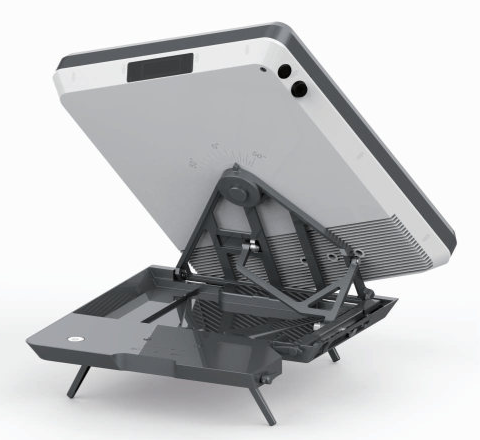
Flat Portable Satellite Terminal 0.35m Aperture Manual Portable Terminal
China Starwin Science & Technology Co., Ltd.