110,000 Italian users receive free solar power from Spain via Australian technology
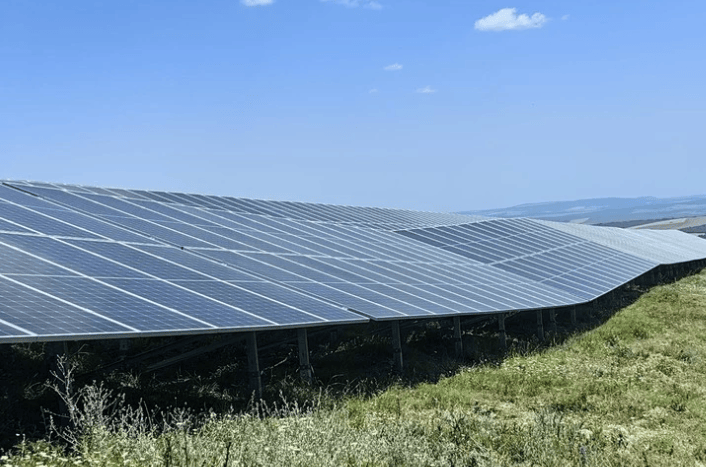
en.Wedoany.com Reported - A digital platform technology from Australia is transforming how Italian consumers access solar energy through a virtual distribution system. Developed by Australian company Enosi, the Powertracer system has helped over 110,000 Italian customers receive free electricity from a photovoltaic power station in Spain. Through the company's "Adotta un Pannello" (Adopt a Panel) program, these users can enjoy clean energy without installing solar panels on their own homes.
The success of this program in Italy contrasts with the slow adoption of similar solutions in Australia, with experts attributing the delay to cautious attitudes from power companies and regulatory frameworks that hinder innovation.
The Powertracer technology was recently used in a groundbreaking study led by Deakin University and funded by the Australian Energy Consumer Association. Over the course of a year-long study, more than 300 households and small businesses participated in a Virtual Energy Network (VEN), which allowed users to buy and sell electricity generated by solar installations and batteries through a peer-to-peer trading system. Preliminary results showed that the network facilitated access to renewable energy, reduced electricity bills, and improved consumers' perception of fairness. Additionally, 15% to 20% of participants changed their electricity usage habits, shifting some consumption to peak solar generation hours.
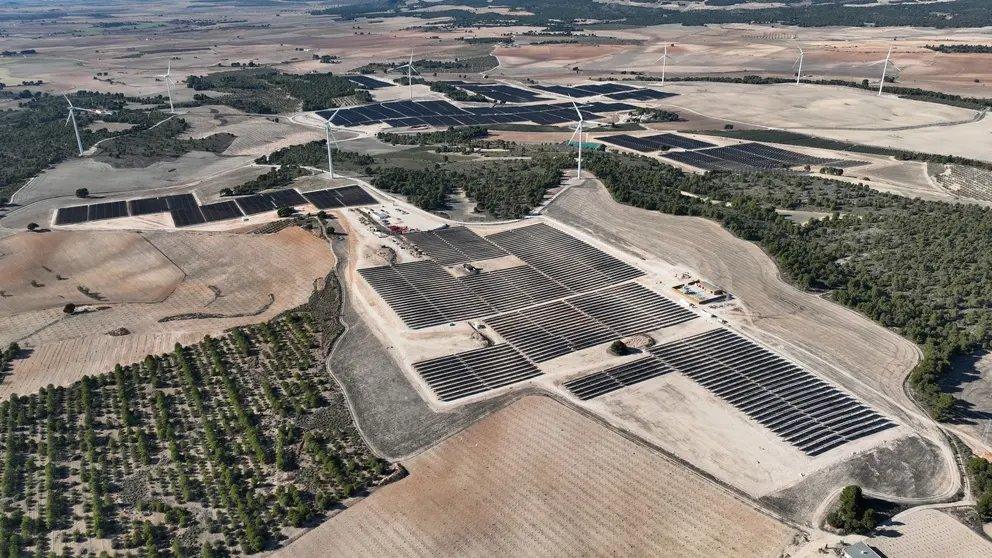
Enosi believes that the most promising application of its technology is not direct energy trading between users, but rather the business model successfully operated in Italy through energy company Plenitude. The "Adotta un Pannello" program allows customers to virtually lease a portion of the electricity generated by the Cerrillares solar plant in Spain. Users sign up to purchase shares equivalent to different capacities, such as 600 watts or 900 watts of panels. When electricity consumption coincides with generation, the power is free. According to Enosi CEO Steve Hoy, the system synchronizes the actual electricity output of the photovoltaic plant with customer demand, and energy consumed during these matching periods incurs no cost, giving users a similar experience even if they live in apartments where panels cannot be installed.
The proposal has been warmly received in Italy, attracting approximately 10,000 new users per month since its launch. Hoy noted that Italy's electricity pricing structure is one factor contributing to its success. Unlike Australia, most grid costs in Italy are charged as a fixed daily fee, which clearly separates energy costs from grid usage costs, allowing consumers to clearly understand the bill reductions corresponding to free energy.
In Australia, similar structures have hindered project implementation and forced retailers to bear additional financial risks. Hoy criticized Australia's Solar Sharer program, arguing that its incentive system is not precise enough and is disconnected from actual renewable energy generation. Enosi advocates that the "Adotta un Pannello" model promotes more efficient grid utilization by rewarding consumption when solar power is actually available, benefiting both consumers and retailers. The company stated that the Italian experience shows that when prices reflect the availability of renewable energy, consumers voluntarily change their electricity usage habits, and a more efficient energy transition depends not only on producing more clean electricity but also on incentivizing consumption to align with peak solar generation.
Related Products
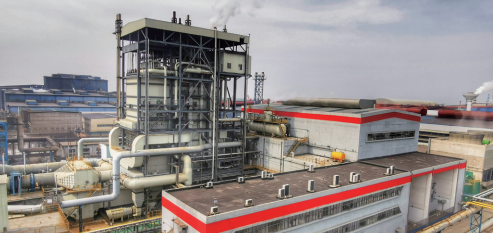

Jiujiang Pinggang 125MW Subcritical Gas Power Generation Project
Capital Engineering & Research Incorporation Limited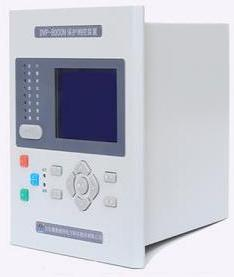
Microcomputer Protection and Substation Automation
Beijing Agent Devote Power Technology Development Co., Ltd.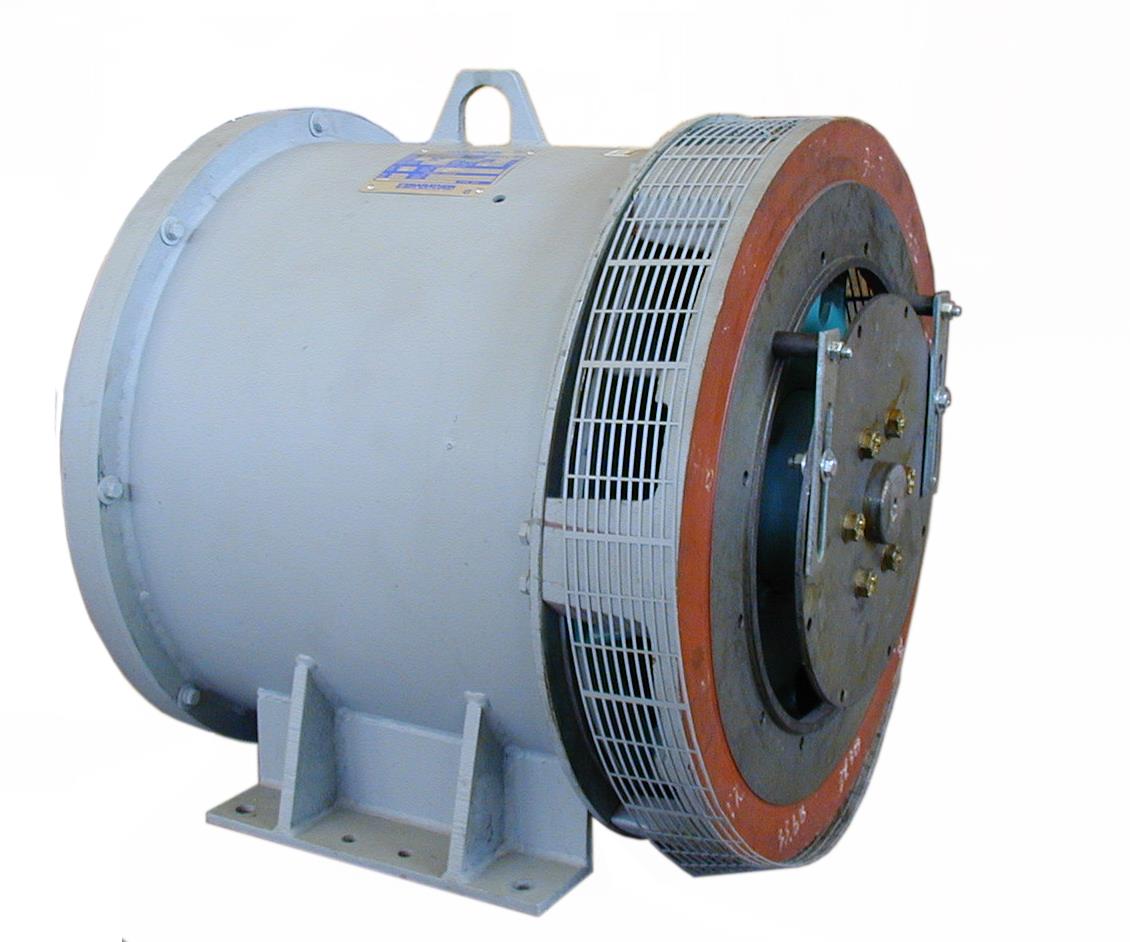
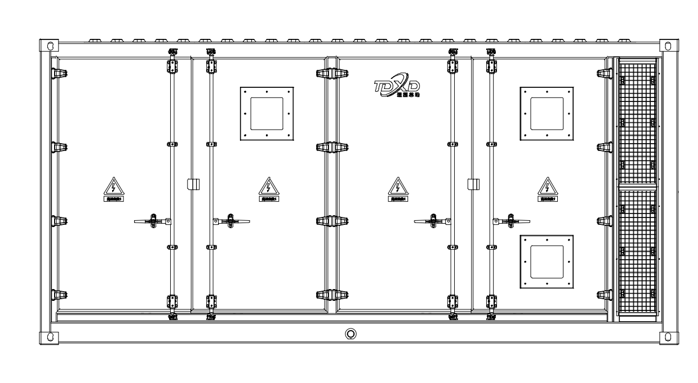
5012kWh DC Energy Storage System TD-EES-5012kWh
Suzhou Tongding Xindong Energy Storage Technology Co., Ltd.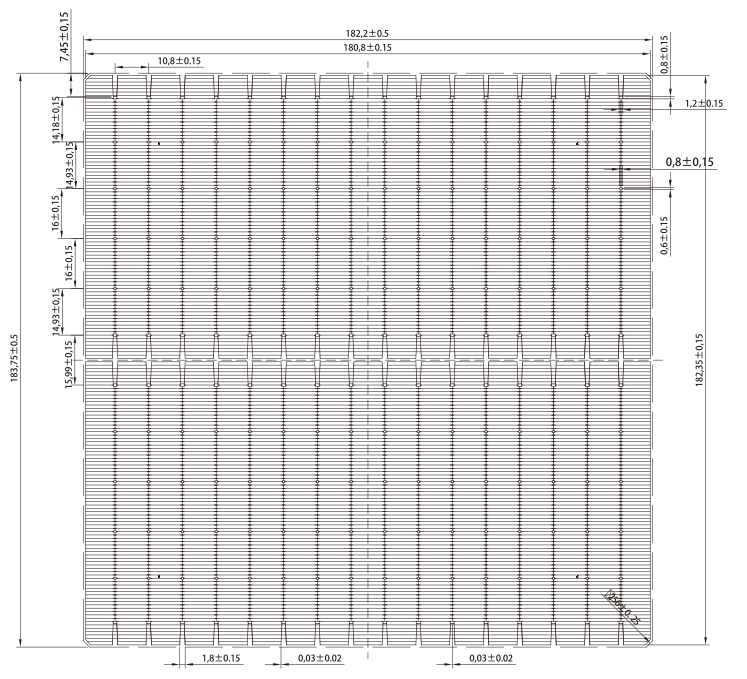
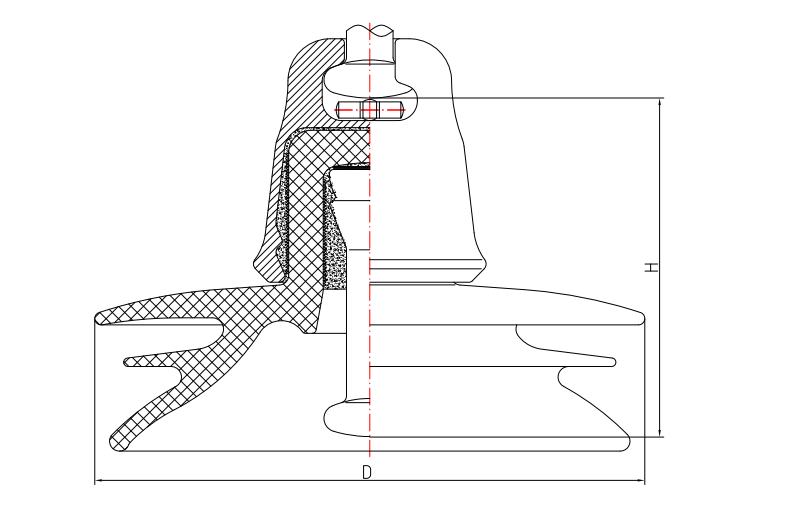
Post-type AC Pollution-resistant Disc Suspension Porcelain Insulator (Triple Umbrella Type)
Shandong High Voltage Insulator Co., Ltd.
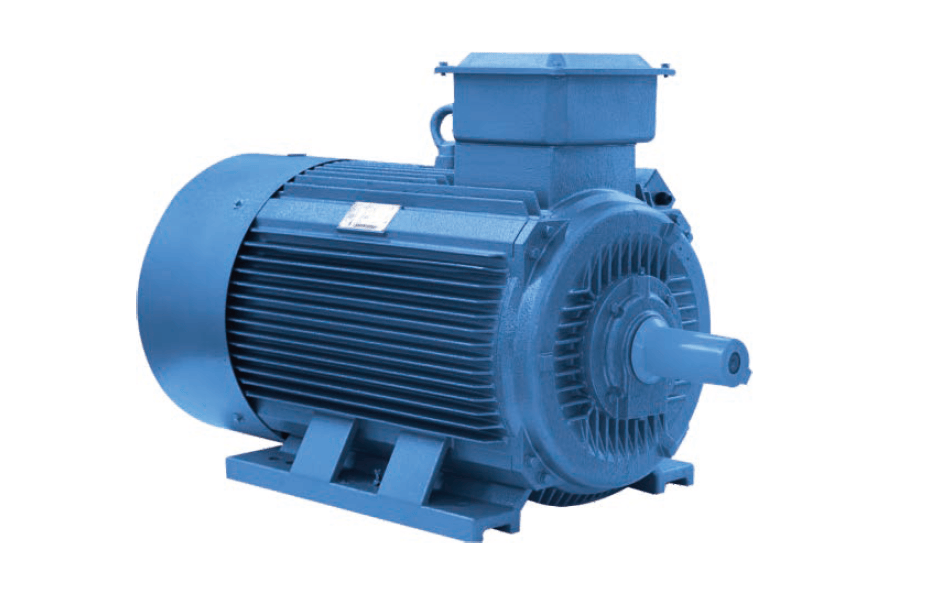
TYC Series High-Efficiency Permanent Magnet Synchronous Motor
Xiangdian Smart Energy Technology Co., Ltd.
IGBT Hydrogen Production Power Supply - High Power Air Cooling
Beijing Zhengzhuo Engineering Technology Co., Ltd.
Rated Voltage 6-35kV Cross-linked Polyethylene Insulated Power Cable
TONGDING INTERCONNECTION INFORMATION CO., LTD.